
From California to Florida, major insurers are pulling out as wildfires, floods, and storms drive up costs.
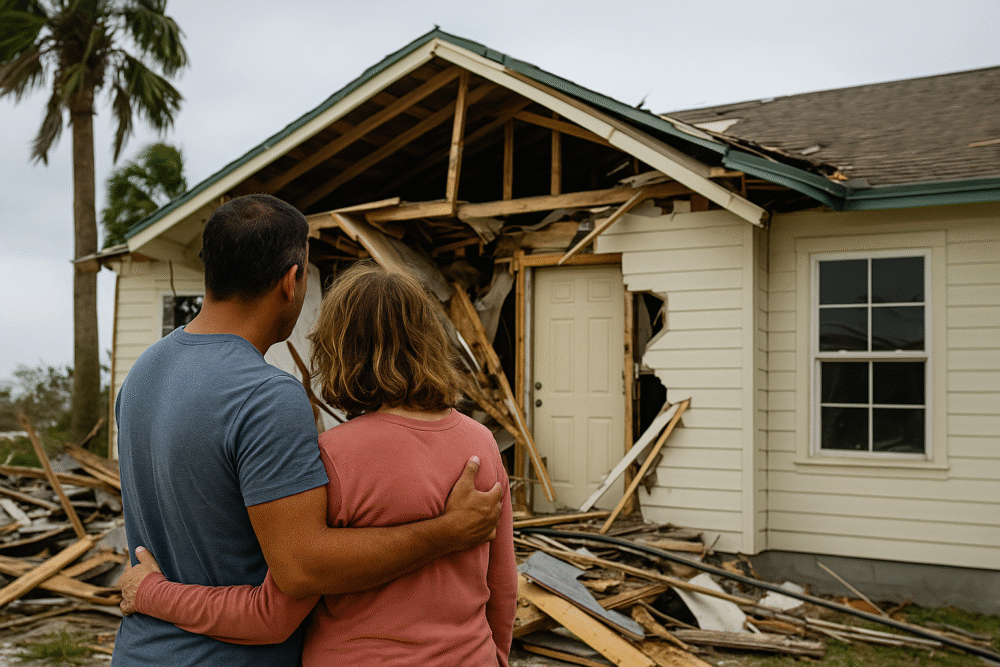
Home insurance is getting harder to find — and more expensive — in parts of the U.S. where disasters keep striking. In California, companies like State Farm and Allstate have stopped writing new homeowner policies because of wildfire risks and rising rebuilding costs. In Florida and Louisiana, hurricanes have pushed several insurers out of business altogether, leaving residents to rely on costly state-run programs. Industry reports show that weather-related losses have soared over the past decade, and experts say the trend is spreading. For millions of homeowners, the safety net is shrinking just as disasters grow more frequent.
1. Insurance Companies Are Pulling Back in Risky Areas

Across the U.S., major insurers are tightening their coverage or withdrawing from disaster-prone regions. In California, State Farm and Allstate have stopped offering new homeowner policies, citing wildfire dangers, skyrocketing rebuilding costs, and inflation in materials and labor. While they continue serving existing customers, both companies say rising risk and financial pressure have made it unsustainable to take on more.
Regulations have also made it difficult for insurers to raise rates fast enough to match their losses. Rather than risk financial instability, many companies are scaling back while waiting for reforms that would allow rates to reflect modern climate conditions.
2. Florida’s Home Insurance Market Is in Serious Trouble
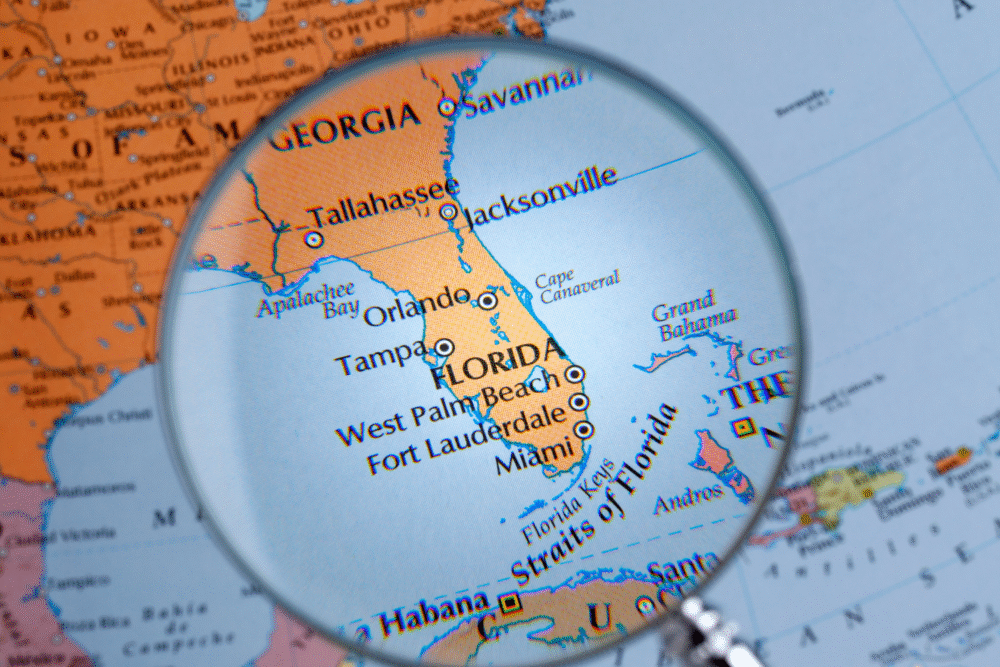
Florida has become the epicenter of the nation’s insurance crisis. Repeated hurricanes have driven several regional insurers into bankruptcy, leaving homeowners with fewer and more expensive options. The Insurance Information Institute reports that average premiums have risen by more than 40% since 2021, with some coastal properties seeing even steeper increases.
Citizens Property Insurance Corporation, Florida’s state-backed insurer of last resort, now covers more than 1.2 million policies — double what it managed a few years ago. Officials warn that if another major storm hits, the state’s system could be stretched to its limits, leaving many homeowners vulnerable.
3. Louisiana Is Facing the Same Challenge
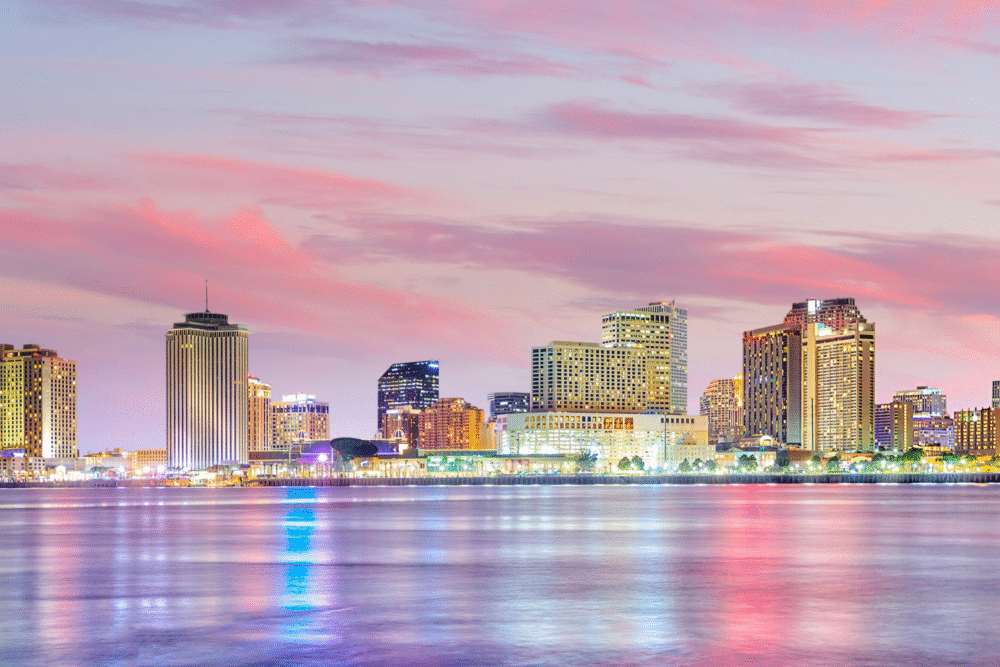
Louisiana’s Gulf Coast residents are experiencing similar struggles. After hurricanes Laura, Delta, and Ida, at least 11 insurers went insolvent or left the state. That exodus forced tens of thousands of homeowners into Louisiana Citizens, the state’s fallback insurer.
For many families, premiums have doubled or tripled, and even those who can afford coverage face reduced benefits or higher deductibles. The state has launched programs to attract new insurers, but rebuilding confidence in the market could take years — especially as storms become more frequent and intense.
4. Wildfires Are Reshaping California’s Insurance Landscape
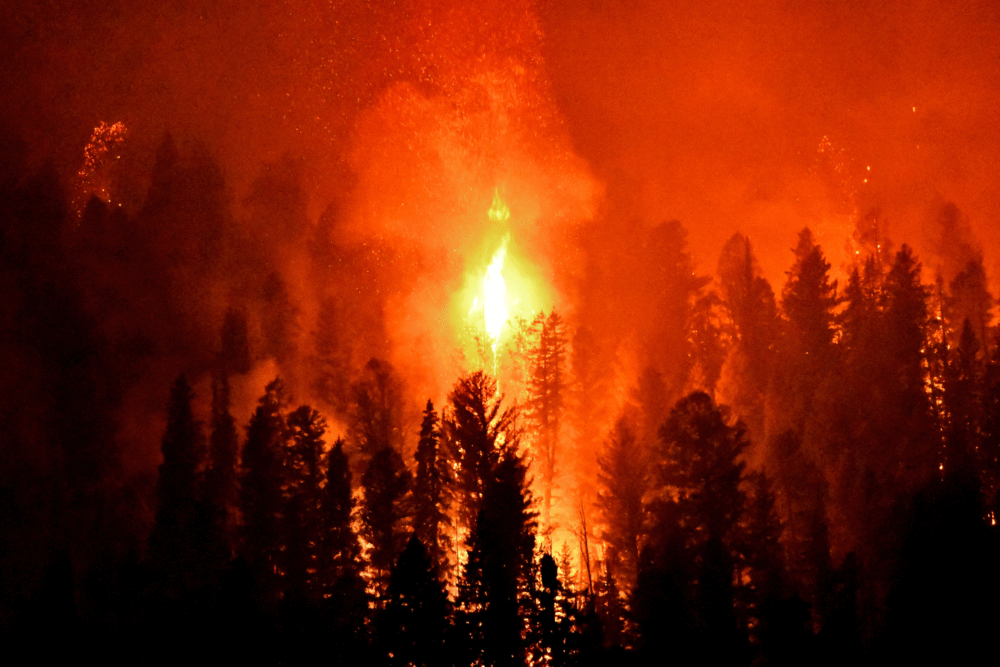
California’s wildfire seasons have become longer, more destructive, and more expensive. The fires of 2017 and 2018 alone caused over $30 billion in insured losses, wiping out years of industry profits. As a result, many insurers now use high-resolution mapping to determine which areas are simply too risky to cover.
To stabilize the market, the state’s insurance commissioner recently announced plans to modernize rate-setting rules. The proposal would allow companies to account for future wildfire risks, potentially making coverage more available — though likely at higher prices for those living near fire-prone regions.
5. Why Climate Change Is Driving Up Costs
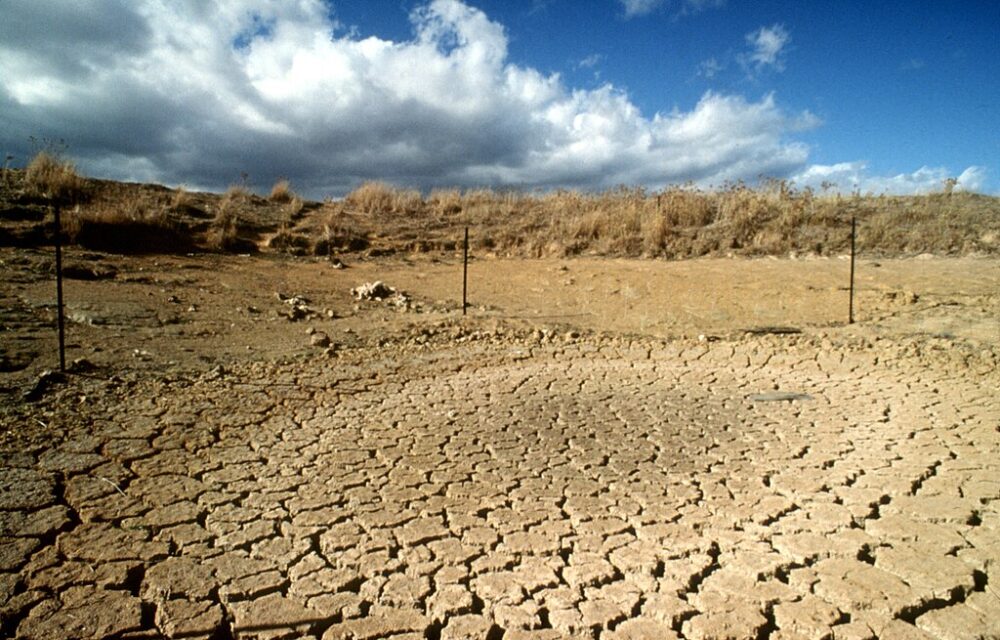
Insurance companies base their rates on historical data, but climate change is rewriting the record. With more frequent hurricanes, floods, and fires, past losses are no longer a reliable guide to future risks. This unpredictability has forced insurers to raise rates or retreat from certain areas altogether.
According to NOAA, the U.S. has already experienced more than 20 billion-dollar weather disasters in 2025 — one of the highest counts ever recorded. The growing frequency of these events is putting immense pressure on insurers to adapt faster than the climate itself is changing.
6. The Role of Reinsurance in the Crisis

Behind every insurance company is another layer of protection called reinsurance — coverage that insurers buy to help them pay large claims. But reinsurance prices have soared over the past few years as global catastrophes multiply, forcing insurers to raise premiums or reduce exposure.
When reinsurers tighten their terms, local companies have no choice but to follow suit. This ripple effect is particularly severe in disaster-heavy regions like the Gulf Coast, where higher reinsurance costs make already-expensive homeowner policies even less affordable.
7. State-Run “Last Resort” Insurers Are Growing Fast
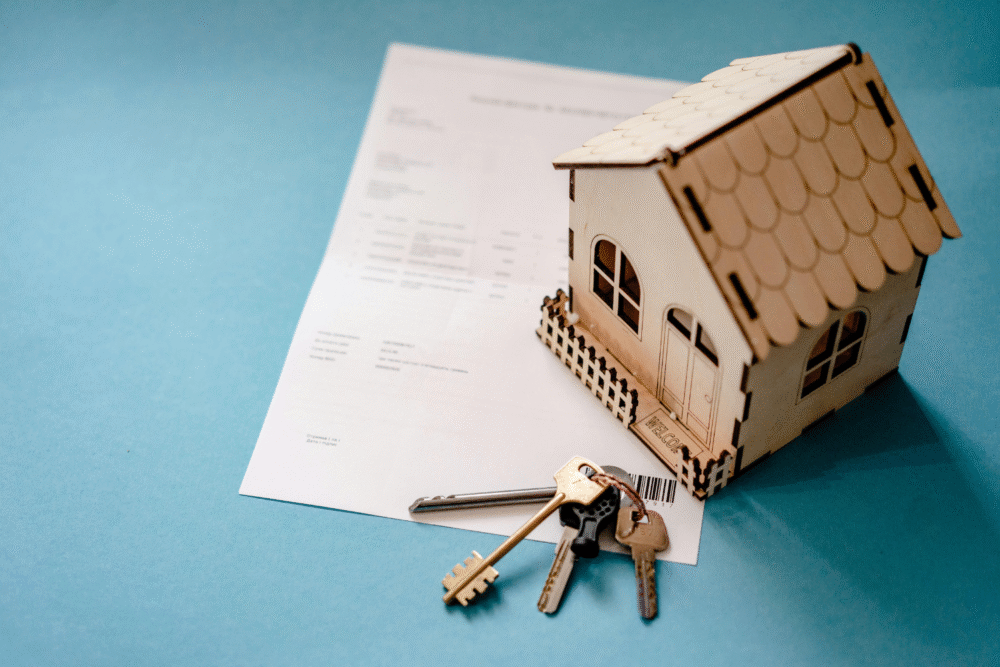
As private insurers pull back, state-run programs are stepping in to fill the gap. These public “insurers of last resort” — like Citizens in Florida, Louisiana Citizens, and California’s FAIR Plan — were designed for emergencies but are now covering record numbers of homes.
While they provide essential coverage, these programs were never meant to handle millions of policies. If a major catastrophe hits, they could face huge financial shortfalls, leaving taxpayers to cover the difference. Experts warn that overreliance on these plans is risky for both homeowners and states.
8. Homeowners Are Paying the Price

For many Americans, insurance costs have become a serious burden. In states like Florida and California, some homeowners report annual premiums exceeding $6,000 — even for modest properties. Others are being forced to reduce coverage or go without entirely.
This growing affordability gap means more people are financially exposed when disasters strike. Without adequate insurance, recovery after a wildfire or hurricane can take years — or never fully happen — deepening the economic toll on entire communities.
9. Businesses and Renters Aren’t Immune
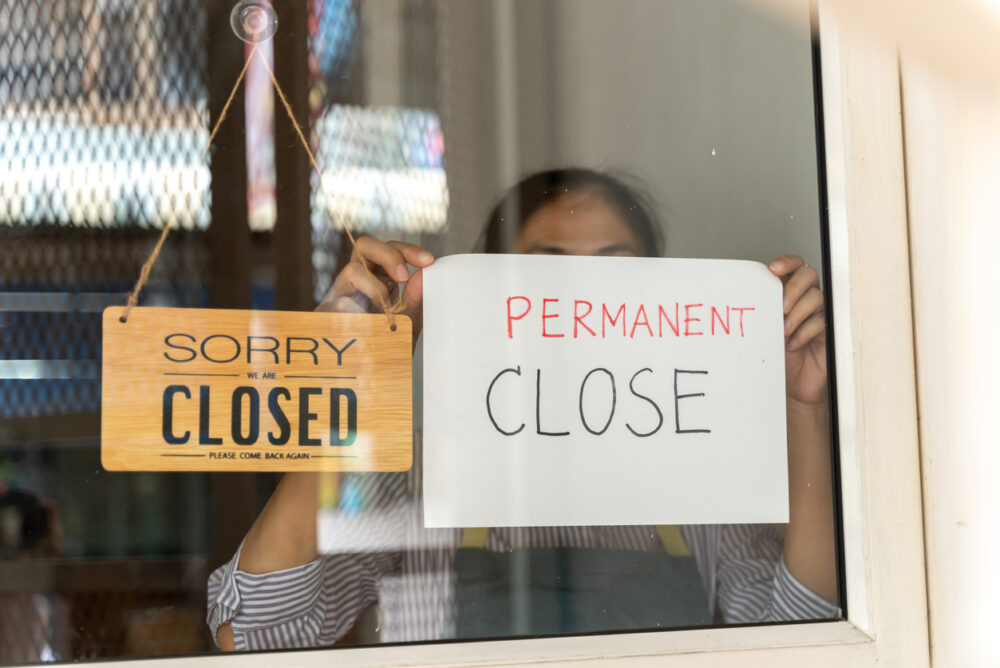
It’s not just homeowners feeling the squeeze. Businesses in high-risk areas are seeing their commercial policies canceled or renewed at steep increases, cutting into profits and driving up consumer costs. Some small businesses are relocating rather than risk being uninsured.
Renters are also affected. When landlords face higher insurance costs, those expenses often get passed down in the form of higher rent. The ripple effects of the insurance crisis are reaching far beyond property owners to touch nearly every part of the local economy.
10. Some States Are Trying to Fix It

Several states are introducing reforms aimed at stabilizing insurance markets. California plans to let insurers use forward-looking risk models when setting rates, while Florida has passed laws to curb excessive litigation that insurers say drives up costs.
Louisiana has created incentive programs to attract new insurers to reenter the market. Still, most experts agree these are short-term fixes for a long-term problem — and that without stronger national action on climate resilience, the cycle of loss and retreat will continue.
11. What Homeowners Can Do Right Now
Experts recommend that homeowners in high-risk areas regularly review their policies, ensure they have enough coverage to rebuild, and explore mitigation options. Installing fire-resistant materials, elevating homes in flood zones, or reinforcing roofs can reduce both damage and premiums.
Some insurers offer discounts for proactive measures, and federal programs like FEMA’s Risk Rating 2.0 are helping homeowners better understand flood risks. Staying informed — and prepared — is increasingly the key to keeping coverage affordable and available.
12. The Bigger Picture for the Future

The insurance crisis is more than a financial problem — it’s a warning sign of how climate change is reshaping where and how Americans can safely live. If insurers continue to withdraw, entire regions may become uninsurable, driving down property values and shifting populations inland.
Experts say the solution will require collaboration between government, insurers, and communities to improve infrastructure, reduce emissions, and strengthen resilience. Without major changes, the country could face a future where the most vulnerable areas — and the people who call them home — are left behind.