
A growing number of Americans are turning to underground bunkers for safety, privacy, and peace of mind.
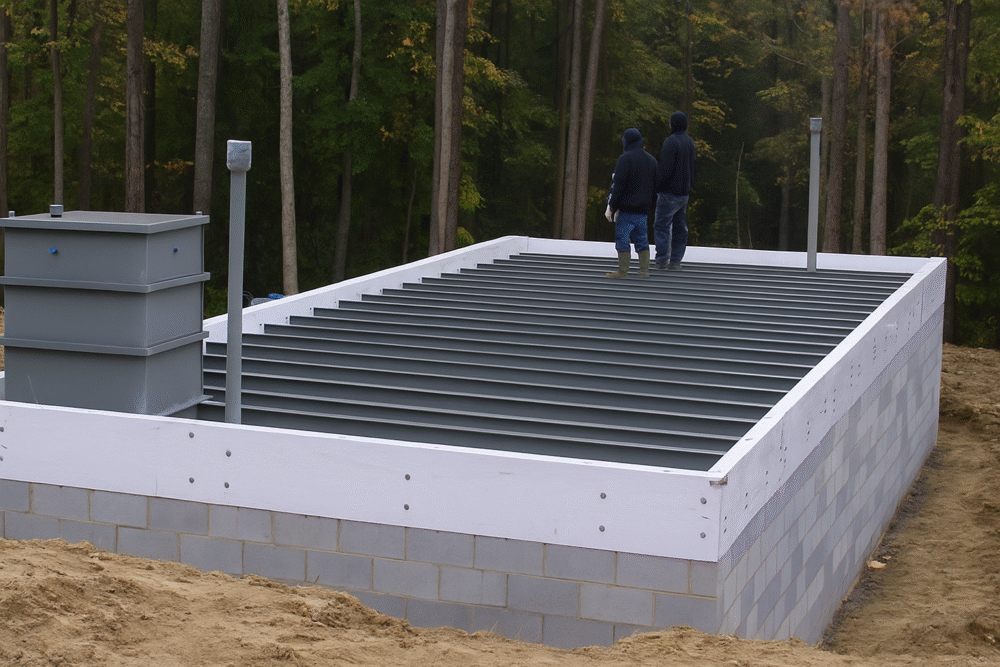
Across the United States, the business of building underground bunkers is booming. Once a fringe industry catering to doomsday preppers, it has gone mainstream, fueled by fears of natural disasters, global conflict, and social unrest. Companies like Rising S Company and Atlas Survival Shelters report surging demand for custom-built bunkers ranging from simple steel shelters to luxury underground compounds. Many buyers say it’s about feeling prepared, not paranoid — a way to protect their families and investments in uncertain times. For some, peace of mind now comes with a blast door and filtered air supply.
1. The Bunker Industry Is Quietly Growing

Across the U.S., the market for private underground bunkers is steadily expanding. Once limited to survivalists, it’s now attracting ordinary homeowners seeking safety and self-sufficiency. Industry analysts estimate the U.S. bunker and shelter market is worth more than $130 million and could reach roughly $175 million within the decade.
Builders say the shift began after the pandemic and intensified during years of extreme weather and political instability. For many buyers, the appeal isn’t fear but practicality — a way to feel secure when headlines make the world above ground seem increasingly unpredictable.
2. What Buyers Are Really Looking For

Today’s bunker buyers want more than bare concrete and canned goods. Many are requesting comfortable spaces with electricity, ventilation, and plumbing that can double as storage or storm shelters. Companies now cater to families who want functional, livable spaces rather than Cold War-style fallout rooms.
Customers in wildfire zones, coastal regions, and tornado-prone states make up a growing share of new orders. Builders say that instead of preparing for “the end of the world,” most people simply want a safe, private place to protect their families and belongings during emergencies.
3. Prices Vary Widely

The cost of an underground bunker depends on size, materials, and level of luxury. Basic models made from steel or concrete can start around $50,000, while custom designs with power systems and living quarters can exceed $300,000.
Builders say that while large, luxury bunkers still make headlines, most orders today are modest and practical. Some families view them as an alternative to expensive home additions or storm shelters, especially in areas with frequent severe weather. The growing range of options — and financing plans — has made private shelters more accessible than ever.
4. Climate and Global Tension Are Big Drivers
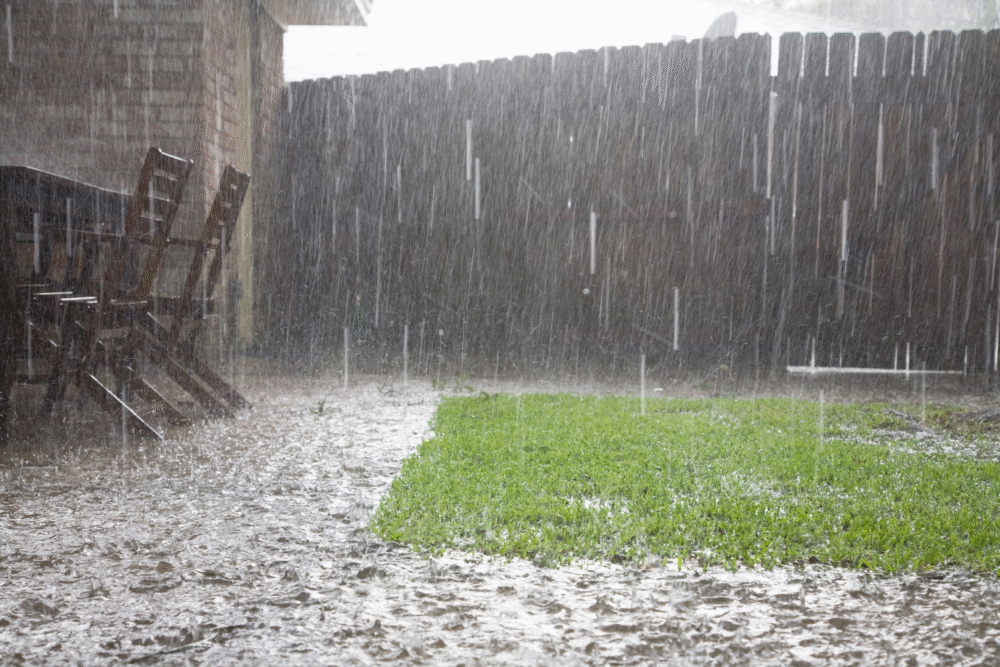
Interest in bunkers has grown alongside the rise in extreme weather events and global instability. Hurricanes, wildfires, and floods have become more destructive and costly, prompting homeowners to think about long-term protection.
Global conflicts and political divisions have also played a role in fueling demand. For many, investing in an underground shelter feels like a proactive step — not just for safety, but for peace of mind. The same desire for preparedness that drove sales of generators and emergency kits is now extending underground.
5. Not Just Elite Buyers Anymore

The modern bunker boom isn’t limited to billionaires or celebrities. Builders say more middle-income families are exploring small, functional shelters that can serve multiple purposes. Some see them as investments, others as a backup plan if traditional housing or insurance becomes unreliable.
Customers include retirees looking for security, rural families facing tornado risks, and suburban homeowners who simply want more control in uncertain times. The new generation of bunkers reflects a shift from paranoia to practicality — a move toward personal resilience rather than isolation.
6. Why Experts Say Interest Is Rising

Industry analysts attribute much of the recent growth to a cultural shift toward preparedness. Events like global pandemics, power grid failures, and record-breaking natural disasters have left many Americans feeling vulnerable.
Instead of seeing bunkers as symbols of fear, experts say people now view them as part of responsible planning. Just as households once added storm cellars or safe rooms, underground shelters are becoming a modern extension of that same instinct — to prepare for what could happen, rather than react once it does.
7. Builders Are Scaling Up to Meet Demand

Companies that manufacture private bunkers report more inquiries now than at any time in the past two decades. Some are expanding production facilities and developing modular designs that can be installed more quickly and affordably.
Manufacturers say the growing customer base has pushed them to innovate — offering customizable options, improved ventilation systems, and integrated power backups. While still a small segment of the construction market, bunker building is now seen as a stable niche business with steady growth potential.
8. Shelters Are Getting Smarter

Technology is transforming underground shelters into efficient, self-sustaining spaces. Modern bunkers often include filtered air systems, battery storage, and off-grid power sources such as solar panels. Builders say customers are increasingly asking for remote monitoring and security features that make bunkers feel more like modern homes.
This shift toward “smart shelters” reflects broader trends in home technology. Many buyers want a bunker that functions year-round — not just as an emergency refuge, but as a space that’s integrated into their property and lifestyle.
9. Regional Risk Shapes Demand

Where you live often determines how interested you are in a bunker. In states like Texas, Florida, and California, the combination of severe weather, insurance challenges, and high property risks has made underground protection more appealing.
Some buyers treat bunkers as insurance alternatives — physical safety nets in areas where traditional coverage has become expensive or unavailable. Builders say climate risk, more than any other factor, now drives the majority of their new inquiries, especially from families in rural or coastal regions.
10. Real Estate and Preparedness Are Overlapping

Real estate agents in disaster-prone regions say underground shelters are increasingly viewed as valuable property features. In some cases, homes with existing bunkers sell faster or at higher prices, particularly if they’re well-built and modernized.
Developers in a few rural markets have even begun including optional bunkers in new home packages. While not yet widespread, this trend reflects how personal preparedness has become part of the broader conversation about property value, safety, and long-term investment.
11. The Bigger Picture for the Future

The growth of the bunker industry mirrors larger social trends — from climate anxiety to a desire for self-reliance. For many Americans, building underground isn’t about expecting disaster but about feeling prepared for one.
Experts believe the market will continue to grow steadily as extreme weather and uncertainty remain part of everyday life. Whether simple or elaborate, bunkers now symbolize something beyond fear: the enduring human instinct to plan ahead when the future feels uncertain.