
A Swedish fisherman’s search for bait turned into one of Europe’s largest medieval treasure finds.

In southern Sweden, a man out searching for fishing worms made a discovery that left archaeologists stunned — more than 20,000 silver coins buried just beneath the soil. The coins, believed to date back to the 12th century, were found near a summer cottage close to Alingsås. Experts say the hoard weighs over 13 pounds and includes pieces minted during the Middle Ages, offering new clues about trade and wealth in medieval Scandinavia. What began as a simple day of worm hunting quickly turned into one of the country’s most extraordinary archaeological finds.
1. A Treasure Hidden Beneath a Summer Cottage

The discovery happened near a summer cottage outside Alingsås, Sweden, when a fisherman digging for bait struck something unexpected. Beneath a few inches of soil lay a dense cluster of small, gleaming disks—later confirmed to be medieval silver coins.
Authorities were quickly called to the site, and archaeologists uncovered one of the largest coin hoards ever found in Sweden. Experts believe the stash was deliberately buried centuries ago, possibly hidden during a time of conflict or political unrest in the region.
2. More Than 20,000 Silver Coins Unearthed
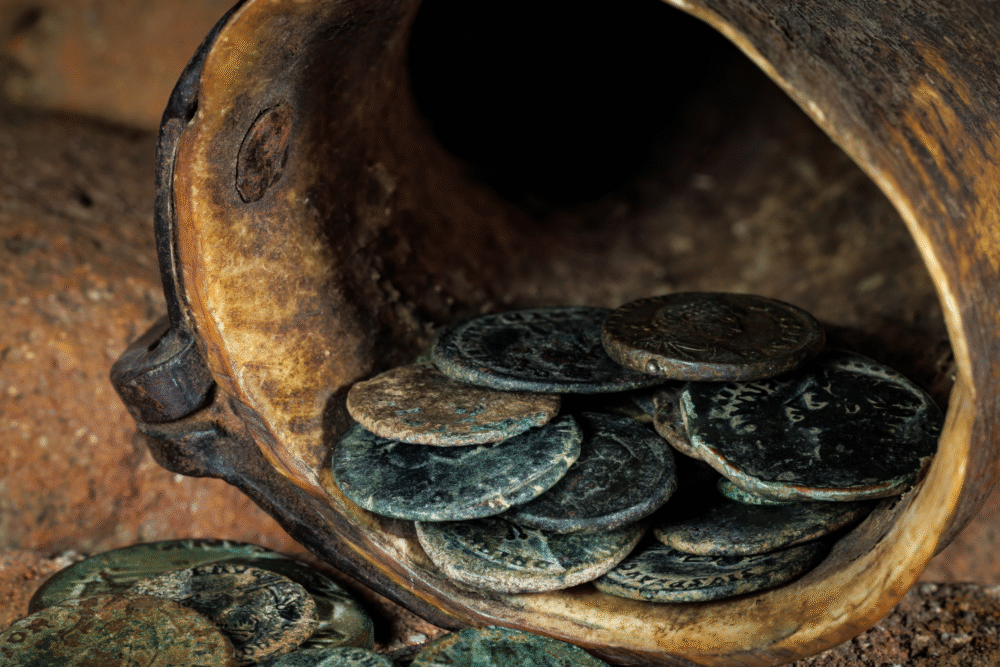
The hoard contained approximately 20,000 coins weighing over 13 pounds in total. Each coin was made of nearly pure silver and dated to the 12th century, a period when Scandinavian kingdoms were consolidating power and expanding trade routes.
Archaeologists say the coins are remarkably well preserved. Many still bear the symbols and inscriptions of medieval rulers, making them invaluable to historians studying Sweden’s early monetary systems and regional alliances.
3. Dating Back Nearly 900 Years

Preliminary analysis dates the coins to between 1150 and 1200 CE, when Sweden was still transitioning from Viking traditions into a Christian monarchy. This makes the hoard roughly 900 years old.
Experts believe the coins were buried intentionally—perhaps by a wealthy landowner or merchant seeking to protect assets from war, theft, or heavy taxation. The precise reason remains unknown, adding an air of mystery to the discovery.
4. Found Entirely by Accident
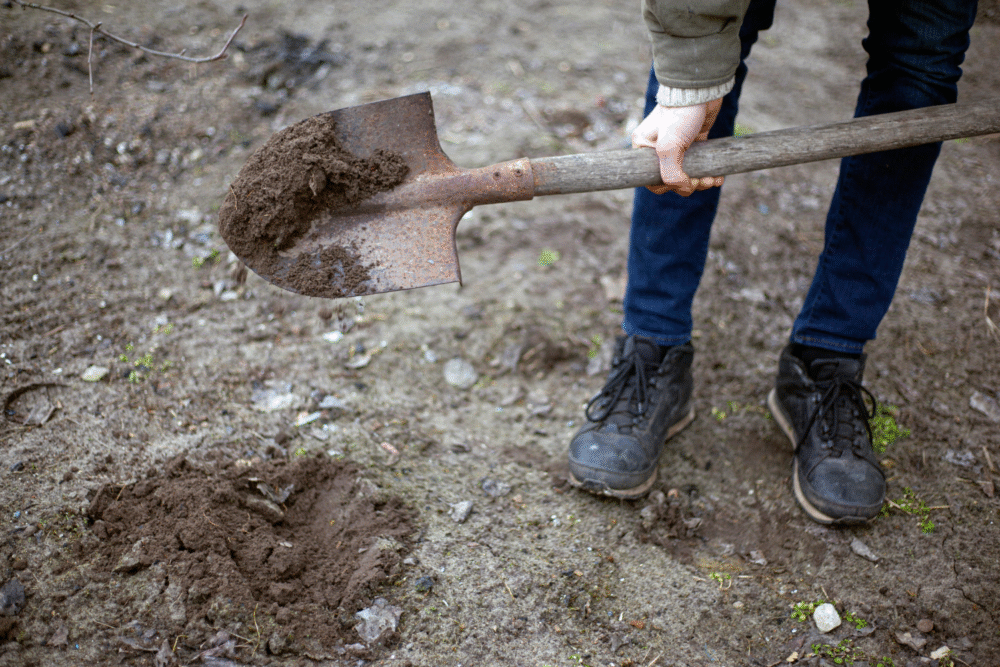
The fisherman who made the find was not looking for treasure—only for worms to use as bait. When his shovel struck metal, he initially thought it was junk. It wasn’t until he noticed the distinctive circular shapes that he realized he’d stumbled onto something far more significant.
His decision to alert authorities immediately ensured that the site was properly excavated and preserved. Swedish law requires all archaeological discoveries to be reported to local museums, a rule that helped protect this remarkable find from damage or loss.
5. A Glimpse Into Medieval Swedish Wealth

In the 12th century, silver coins were among the most reliable measures of wealth in northern Europe. Sweden did not yet have a centralized currency system, so coins were often minted locally and varied in design.
The newly discovered coins include a mix of Swedish, Danish, and possibly German origins, reflecting a time when international trade flourished across the Baltic Sea. The find provides evidence of Sweden’s growing participation in the European economy during the Middle Ages.
6. Clues About Trade and Power
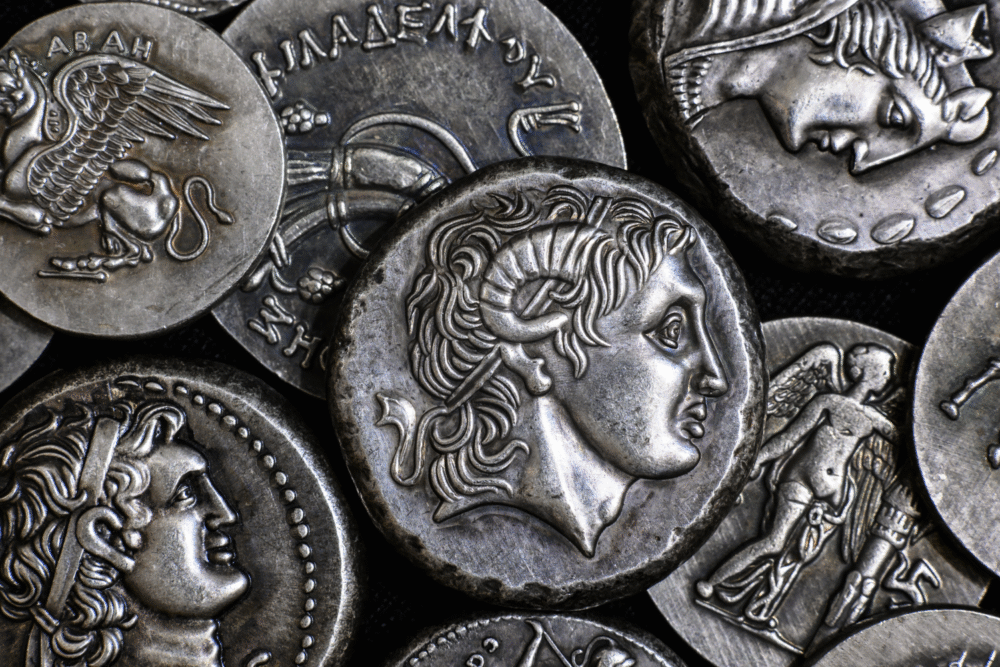
Each coin tells a story about trade, diplomacy, and shifting alliances. The presence of foreign coins suggests that Sweden maintained strong commercial links with continental Europe. It also hints that the owner of the hoard may have been a merchant or noble involved in cross-border trade.
Historians say finds like this help them reconstruct the economic networks of the period, offering insight into how goods, wealth, and influence moved through medieval Scandinavia.
7. Unearthed With Remarkable Preservation
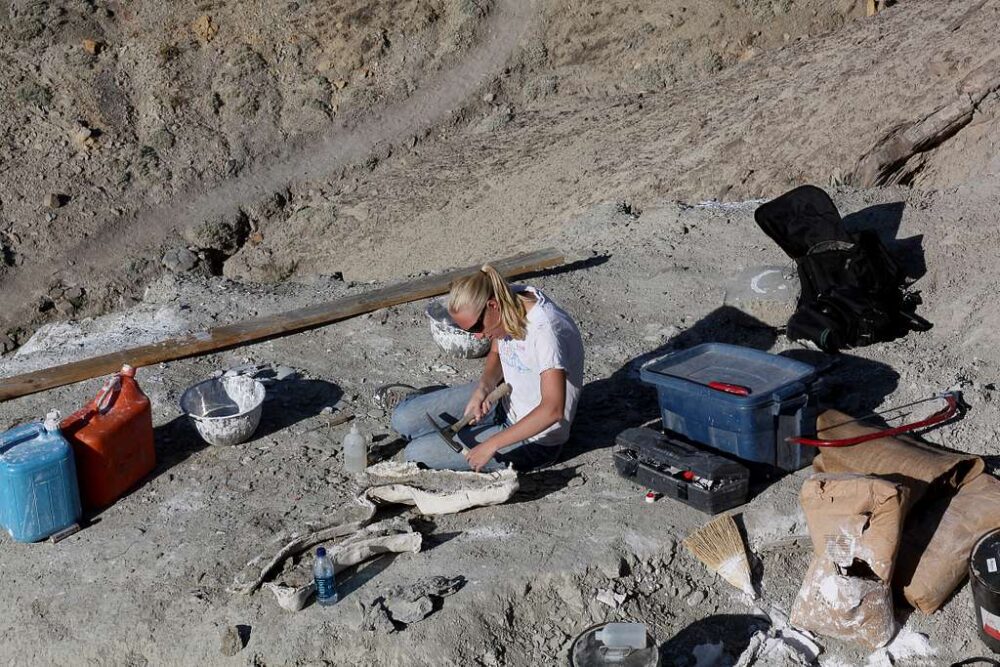
Despite spending centuries underground, the coins show minimal corrosion thanks to the soil’s mineral composition and cool, stable temperature. Many are still legible, with intricate symbols, Latin inscriptions, and Christian crosses visible on their surfaces.
This level of preservation allows researchers to analyze minting techniques, measure silver purity, and compare designs across regions. Such details help trace the evolution of monetary policy and craftsmanship in early medieval Europe.
8. A Rare Discovery for Modern Archaeology
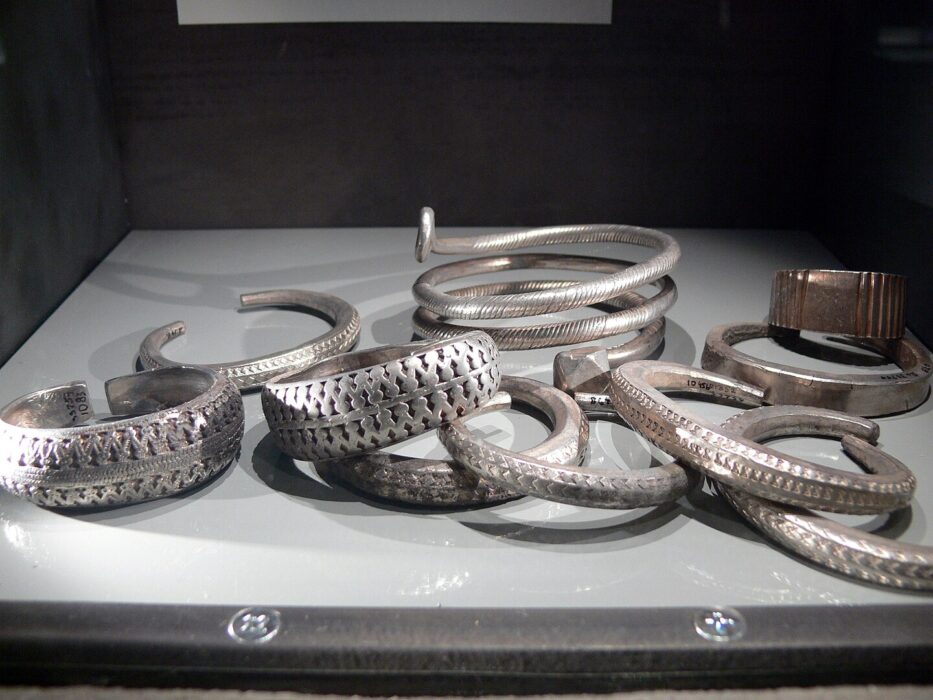
Large medieval coin hoards are rare in Scandinavia, especially those of this scale. The find near Alingsås ranks among Sweden’s largest, comparable to earlier discoveries like the Spillings Hoard on Gotland.
For archaeologists, such hoards provide a “snapshot” of a specific time in history—preserving wealth that was suddenly hidden and never retrieved. Each discovery helps refine historical timelines and deepen understanding of the social and political landscape of the era.
9. The Finder’s Reward and Recognition

Under Swedish heritage law, all significant archaeological finds belong to the state, but finders are typically compensated. The fisherman’s identity has not been made public, but authorities confirmed he will receive a financial reward based on the hoard’s historical and material value.
Experts have praised him for acting responsibly by reporting the find instead of disturbing the site. His discovery will now contribute to Sweden’s national heritage and may go on display at a major museum once analysis is complete.
10. A Reminder That History Lies Just Beneath Us

The story of a man searching for worms and finding medieval treasure has captured global attention because it highlights the chance encounters that still connect us to the past.
Archaeologists note that many of Europe’s greatest discoveries have come from ordinary people who simply paid attention to what was beneath their feet. This latest find is a reminder that even in the modern world, history still waits quietly in the ground, ready to be uncovered by luck, curiosity, and a shovel in the right place.