
Once the only known wild jaguar in the United States, El Jefe captured the world’s imagination—and changed how Americans see big cats.
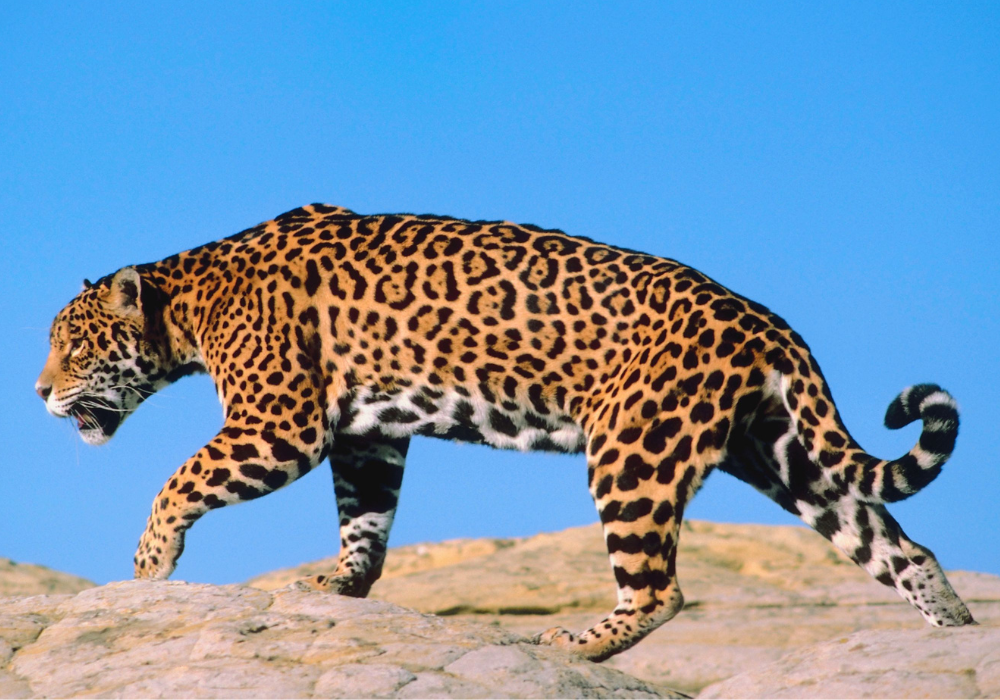
For years, a single jaguar roamed the mountains of southern Arizona, silently reclaiming territory his species had vanished from nearly a century ago. Locals called him El Jefe—“The Boss”—and his image, captured by motion-sensing cameras, turned him into a national icon. His story isn’t just about survival, but about resilience and hope. Scientists say El Jefe’s journey could redefine conservation along the U.S.–Mexico border, showing that wildness still endures where few expect it.
1. A Ghost Returns to the American Southwest
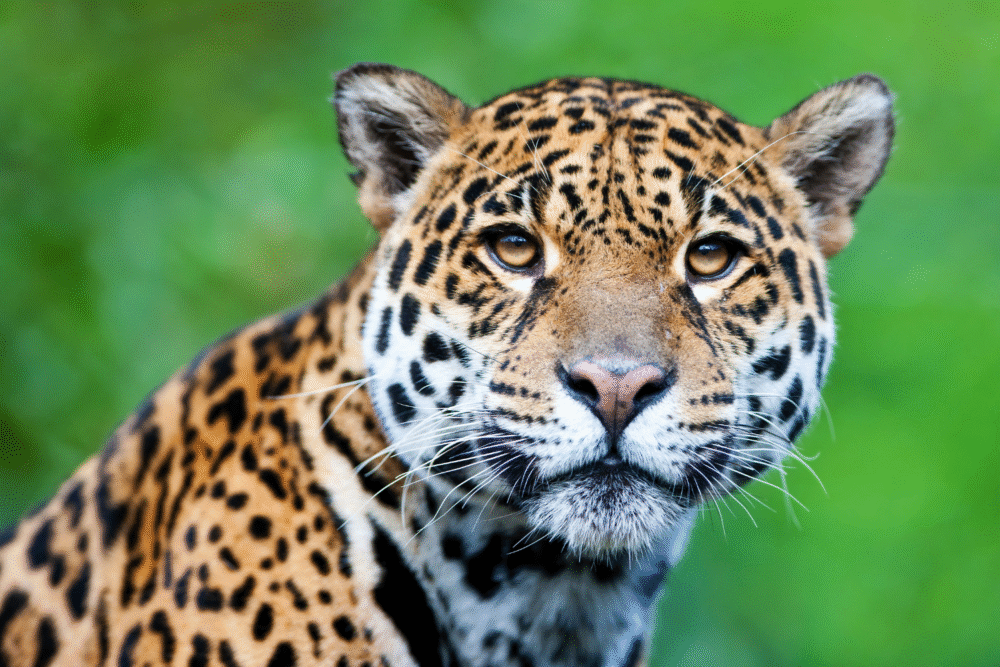
For decades, jaguars were thought to be extinct in the United States. Once native to the deserts and mountain ranges of the Southwest, they had been wiped out by hunting and habitat loss. Then, in 2011, camera traps in Arizona’s Santa Rita Mountains captured something no one expected—a jaguar, alive and roaming freely.
The images reignited national fascination. Here was proof that a species long erased from America’s wilderness was quietly reclaiming its ground. The big cat was soon given a name that reflected both strength and mystery: El Jefe—Spanish for “The Boss.”
2. The First Glimpses of “The Boss”

El Jefe was first photographed by motion-triggered cameras set up by wildlife researchers monitoring mountain lions and ocelots. His distinctive rosette pattern confirmed he was a jaguar, the first seen in Arizona in years.
When video footage emerged in 2016 showing him prowling through the pines and rocky slopes near Tucson, it went viral. Scientists, conservationists, and the public were captivated. Here was a living reminder of the untamed Southwest—one that had seemingly returned from extinction on U.S. soil.
3. A Solitary Predator in a Human Landscape
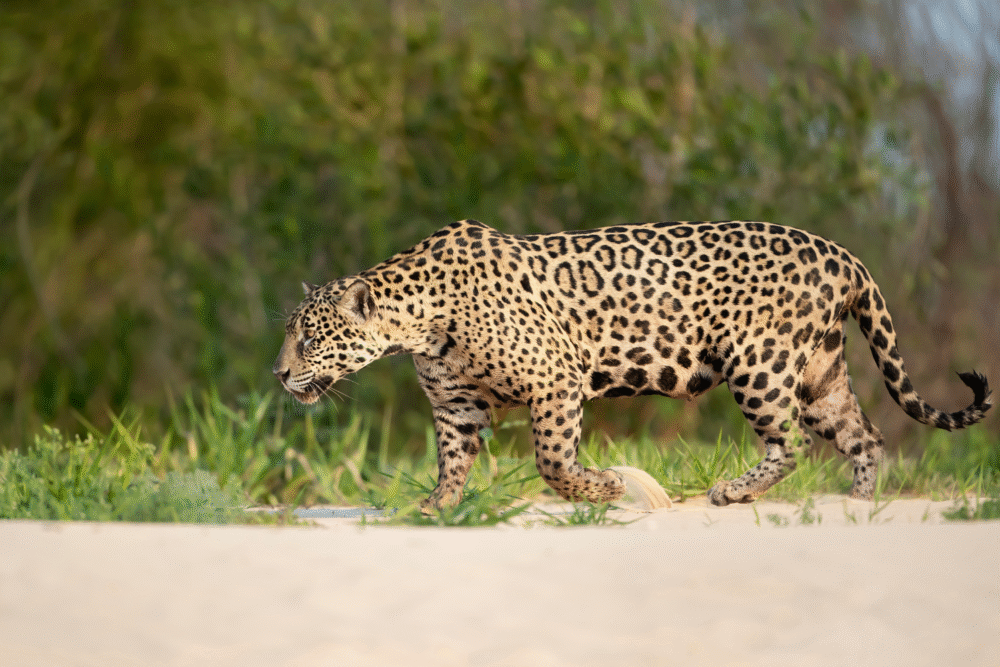
Unlike lions or leopards, jaguars are solitary by nature. El Jefe roamed alone across vast, rugged terrain—mountains, canyons, and desert scrublands—stretching from southern Arizona into Mexico. His territory likely spanned hundreds of miles.
Researchers tracking his movements noted how he adapted to a fragmented world filled with roads, ranches, and construction sites. Despite being the only known jaguar in the United States, El Jefe managed to survive undetected for years, slipping silently between the edges of human and wild domains.
4. The Return of a Lost Apex Predator
Jaguars once ranged from Argentina to the Grand Canyon, dominating ecosystems as apex predators. Their disappearance from the U.S. in the early 20th century disrupted that balance. By the 1960s, hunting and government predator control programs had wiped them out north of Mexico.
El Jefe’s reappearance offered scientists a glimpse of what ecological restoration might look like. His presence indicated that the environment could still support a top predator—and that rewilding efforts might one day bring more jaguars back to the borderlands.
5. Scientists Rushed to Study His Territory

Following his discovery, conservationists from the Center for Biological Diversity and the U.S. Fish and Wildlife Service began mapping El Jefe’s territory. They identified corridors linking Arizona’s mountain ranges with Mexico’s Sierra Madre, essential routes for wildlife migration.
Protecting these paths became a top priority. The “Sky Islands” region—mountain ranges rising from the desert floor—proved to be a crucial refuge. For El Jefe, these forested peaks offered cover, water, and prey. For scientists, they represented hope that the jaguar could once again roam freely across borders.
6. A Celebrity Without Ever Being Seen in Person
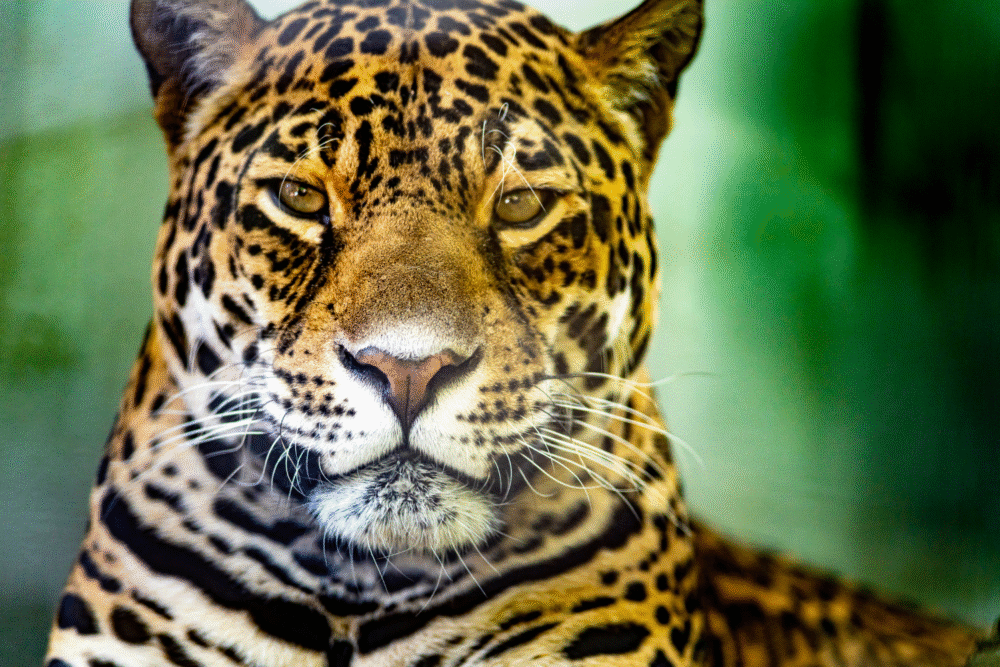
Despite his fame, no one has ever encountered El Jefe face-to-face. His entire story has been pieced together through camera footage, paw prints, and genetic clues. Yet he became a media sensation, inspiring documentaries, school lessons, and even fan art.
El Jefe’s anonymity only fueled his mystique. He became a symbol of wild resilience—a creature both real and mythic, reminding Americans that true wilderness still exists in their own backyard, hidden just beyond the suburbs of Tucson.
7. The Border Wall Became a Threat to His Range

While El Jefe captured hearts, politics complicated his survival. Proposed border wall expansions threatened to block migration corridors between Arizona and northern Mexico. Jaguars, which need vast ranges to find mates and food, could be trapped on one side of the divide.
Conservation groups used El Jefe’s story to highlight the importance of open landscapes. His image appeared in environmental campaigns urging lawmakers to consider wildlife in border policy. The “Boss of the Borderlands” had become an unlikely ambassador for coexistence.
8. The Mystery of Where He Came From
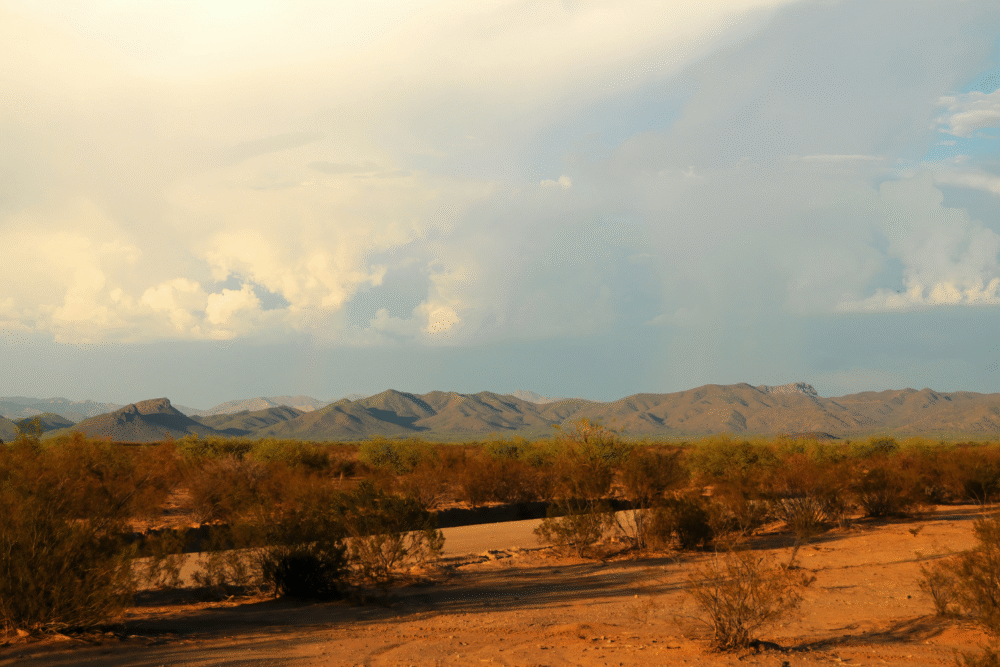
DNA analysis and camera evidence suggest El Jefe likely came from northern Sonora, Mexico, a region that still supports a small jaguar population. He probably followed river valleys and mountain passes northward, crossing into the U.S. sometime between 2010 and 2011.
This natural migration mirrors historical patterns. Jaguars have always roamed across what is now the U.S.–Mexico border. El Jefe’s journey reminded scientists that ecosystems don’t recognize political lines—only the geography of survival.
9. The Year He Disappeared—and What Happened Next
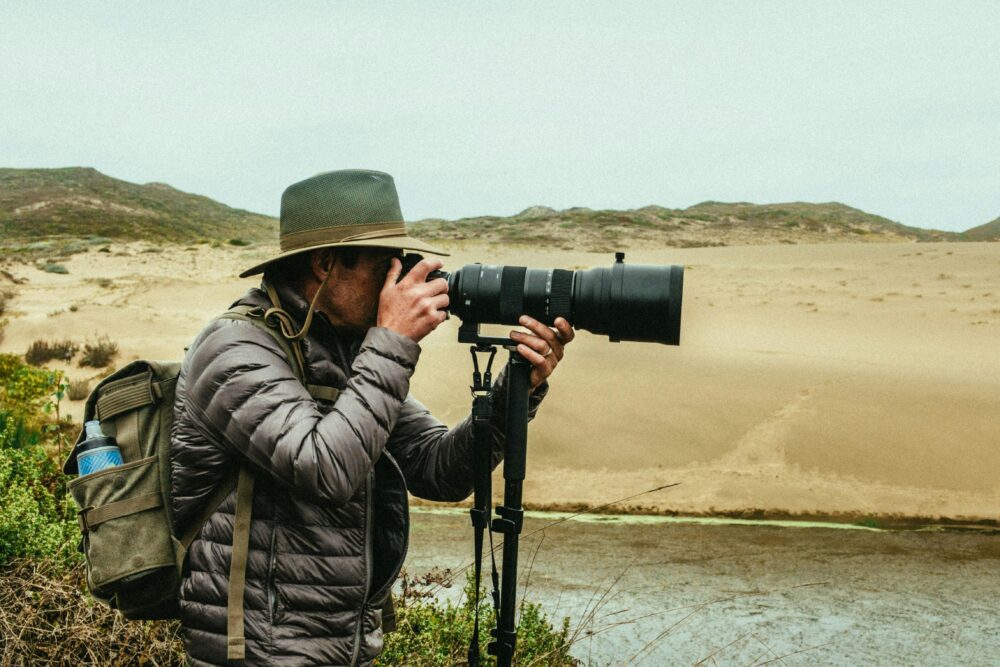
After 2016, El Jefe vanished from cameras in Arizona. Many feared he had died or been killed. But then, in 2022, researchers in Sonora, Mexico, captured new footage of a jaguar with identical markings.
It was him—alive and thriving. The discovery proved that El Jefe had simply returned south, reinforcing the need for protected corridors between countries. His reappearance was celebrated as a victory for cross-border conservation efforts and a rare happy ending in wildlife recovery.
10. A Symbol That Changed Public Perception
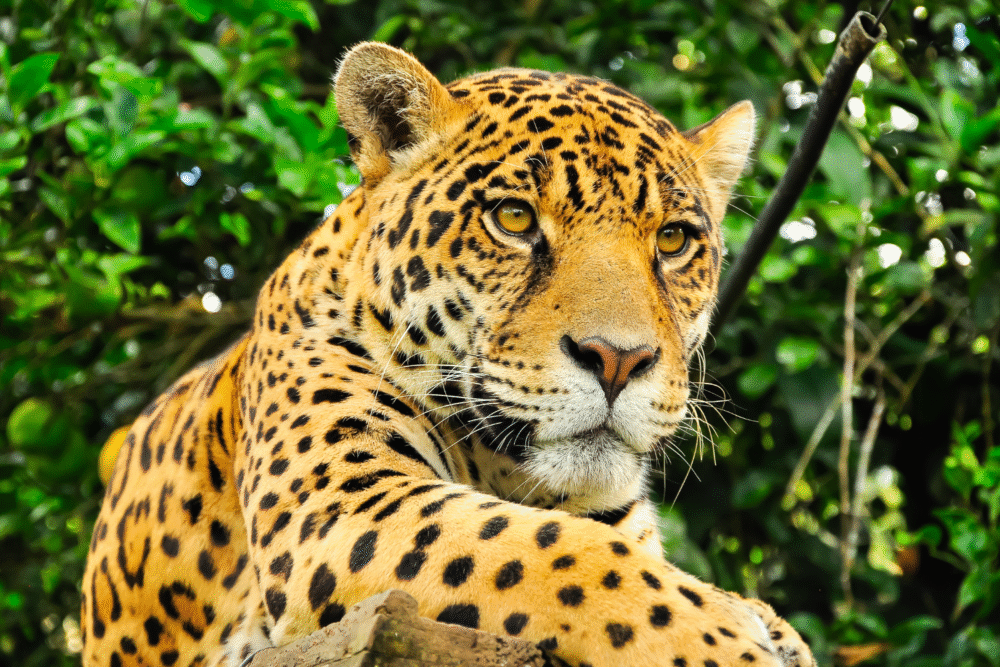
Before El Jefe, jaguars were largely forgotten in the American imagination. His story shifted that narrative. Public interest in his survival led to renewed advocacy for endangered species protection and habitat restoration across the Southwest.
El Jefe became an icon not just of Arizona but of the possibility of balance—proof that humans and apex predators can coexist if given space. His popularity inspired a new generation of conservationists and rekindled national interest in big-cat ecology.
11. Scientists Hope He Won’t Be the Last

Conservationists are now working to ensure El Jefe isn’t remembered as an anomaly but as a pioneer. By securing wildlife corridors and reducing habitat fragmentation, they hope to encourage more jaguars to follow his path north.
The dream is to see a breeding population return to the United States for the first time in over a century. El Jefe’s legacy could pave the way for a new chapter in North American wildlife recovery—one where jaguars once again roam from Mexico to the mountains of Arizona.
12. The Legacy of “The Boss”
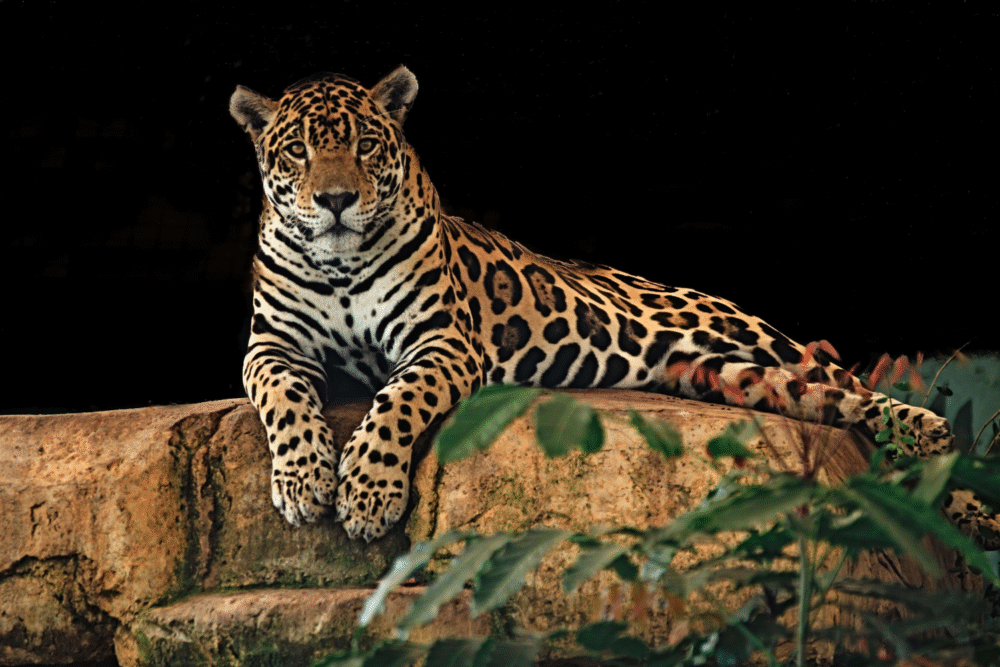
Today, El Jefe’s image still circulates in classrooms, conservation films, and environmental campaigns. His story has become part of the region’s cultural and ecological history—a rare moment when one wild animal united science, politics, and art.
For many, he represents more than a jaguar—he’s a symbol of hope. In a world where wild spaces are shrinking, El Jefe reminds us that nature can still surprise us, that borders are human inventions, and that the wild, when given the chance, will always find its way back.