
Paris’s shimmering zinc rooftops have defined its skyline for more than a century—but rising heat could soon change everything.
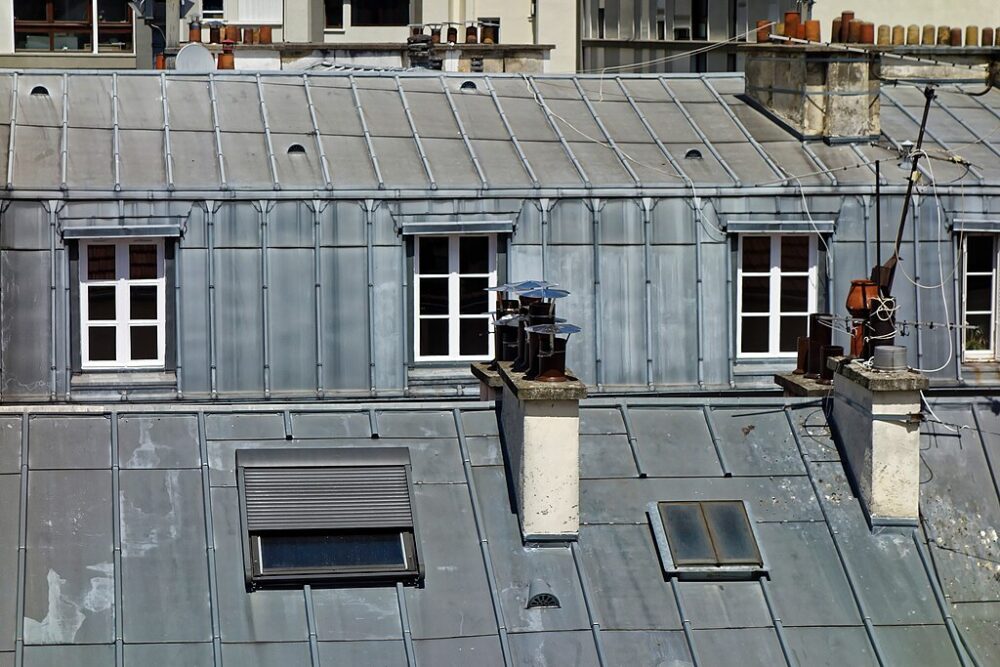
For decades, the silvery-blue rooftops of Paris have glowed beneath the city’s skyline, reflecting sunlight and shaping one of the world’s most recognizable views. But as Europe faces hotter summers and record-breaking heat waves, those same rooftops are becoming dangerously hot. Made from zinc, a metal that absorbs and radiates heat, they now trap warmth inside historic buildings. Scientists and architects warn that without new materials or cooling innovations, this defining feature of Parisian charm could become unsustainable.
1. The Shimmering Roofs That Define Paris
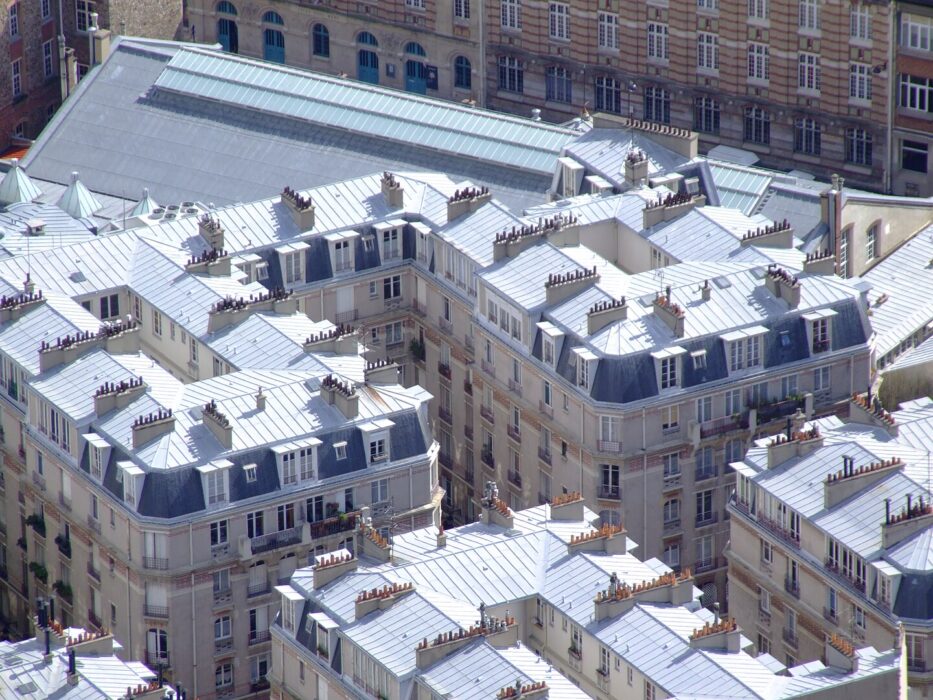
From above, Paris glows in a sea of soft gray-blue tones. Nearly 80 percent of the city’s rooftops are covered in zinc—a tradition dating back to the mid-1800s under Napoleon III’s urban redesign. The material quickly became a symbol of elegance, reflecting the sunlight and giving Paris its distinctive silvery skyline.
These rooftops are more than architectural flair; they represent craftsmanship, culture, and identity. Generations of Parisian roofers have kept the city’s iconic sheen alive, but climate change is testing whether this century-old design can endure in a much hotter world.
2. A 19th-Century Material Facing 21st-Century Heat
When zinc roofing became popular in the 19th century, it was perfectly suited to Paris’s mild climate. Light, malleable, and long-lasting, it helped create the city’s airy skyline and uniform look. But modern summers are pushing those roofs beyond their limits.
As temperatures in France routinely top 100 °F (38 °C), zinc rooftops absorb and radiate heat into the buildings below. Many Parisian apartments have no air conditioning, leaving residents sweltering. What once kept homes dry and bright is now amplifying urban heat in dangerous new ways.
3. Heat Waves Are Growing Hotter and More Frequent
France has experienced a dramatic rise in heat waves over the past two decades. The summer of 2022 broke national records, with temperatures exceeding 104 °F (40 °C) across the country. Paris, built for cooler weather, now struggles to adapt to these new extremes.
The city’s abundance of zinc roofs makes it especially vulnerable. During heat waves, the metal can reach 176 °F (80 °C), turning top-floor apartments into ovens. Scientists warn that if current trends continue, traditional Parisian roofs could become nearly uninhabitable by mid-century.
4. Zinc Roofs Reflect Light—But Trap Heat
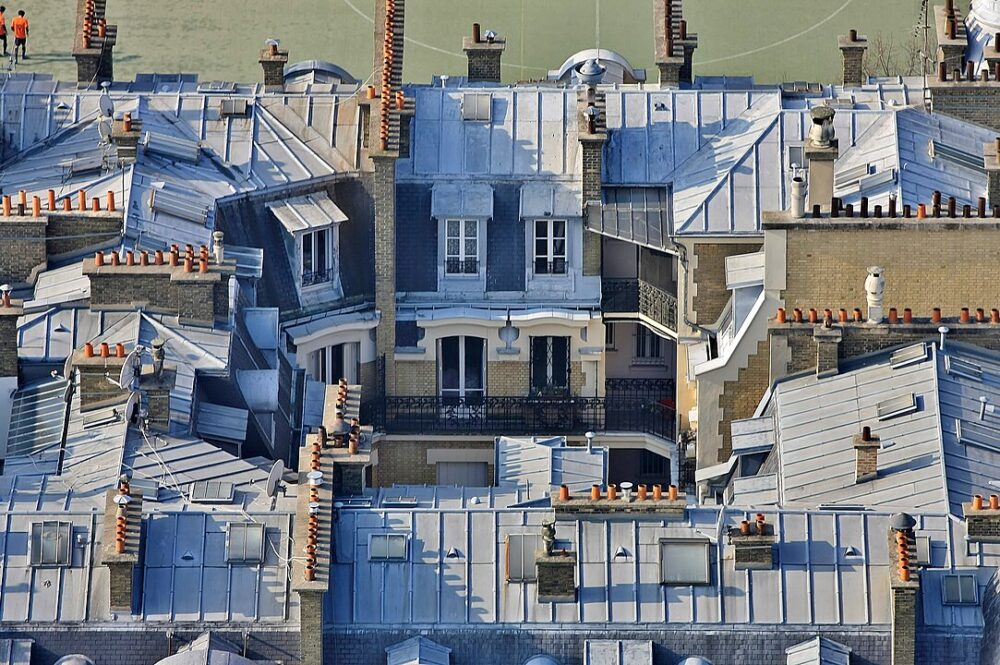
At first glance, zinc seems ideal for rooftops: it reflects sunlight, resists corrosion, and weathers beautifully. But while it shines on the outside, it radiates intense heat inward once temperatures climb. That trapped warmth lingers through the night, worsening the city’s urban “heat-island” effect.
Architects note that older Parisian buildings were designed for ventilation, not insulation. Without proper barriers or cooling systems, heat seeps straight through the ceilings. In the age of climate change, that once-perfect marriage of beauty and function has become a serious liability.
5. Climate Change Is Reshaping Parisian Life
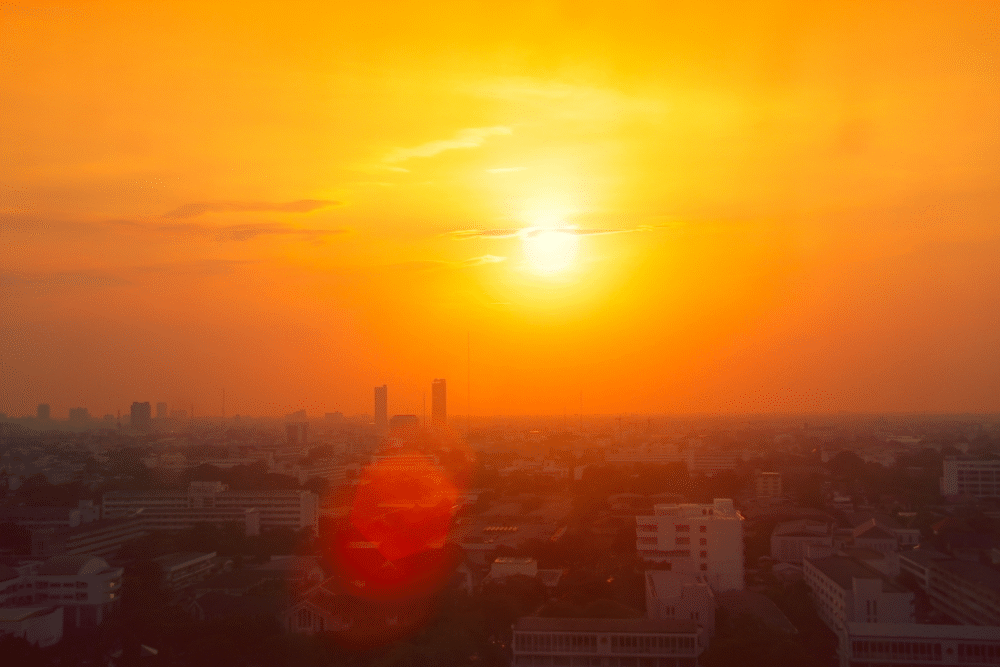
What was once an aesthetic issue is now a public-health concern. As summers grow longer and hotter, heat-related illnesses in Paris have surged. Elderly residents and those in top-floor apartments are at greatest risk.
Authorities are exploring emergency cooling centers and green-roof initiatives, but progress is slow. The city’s historic charm makes modernization complicated. For many Parisians, surviving summer means closing shutters, drawing curtains, and waiting for the heat to pass—an increasingly unsustainable cycle in a warming world.
6. Rooftop Workers Are Feeling the Heat Too
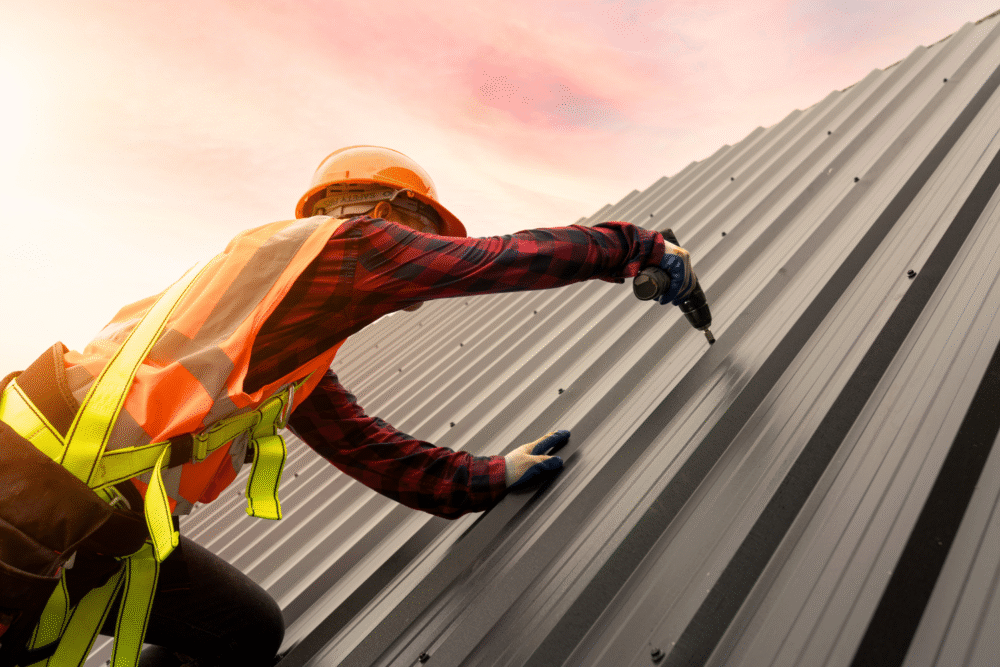
The artisans who maintain Paris’s zinc rooftops—known as couvreurs-zingueurs—face dangerous working conditions. In the summer, rooftop surfaces can exceed 160 °F (70 °C), forcing crews to start work before sunrise or after sunset to avoid heatstroke.
These craftsmen, once celebrated for preserving the city’s historic skyline, are now on the front lines of climate change. Many say they’ve never experienced heat like this in their lifetimes. Their safety—and the future of their trade—now depends on finding ways to adapt both materials and schedules to the new reality.
7. The Zinc Supply Chain Adds Another Challenge
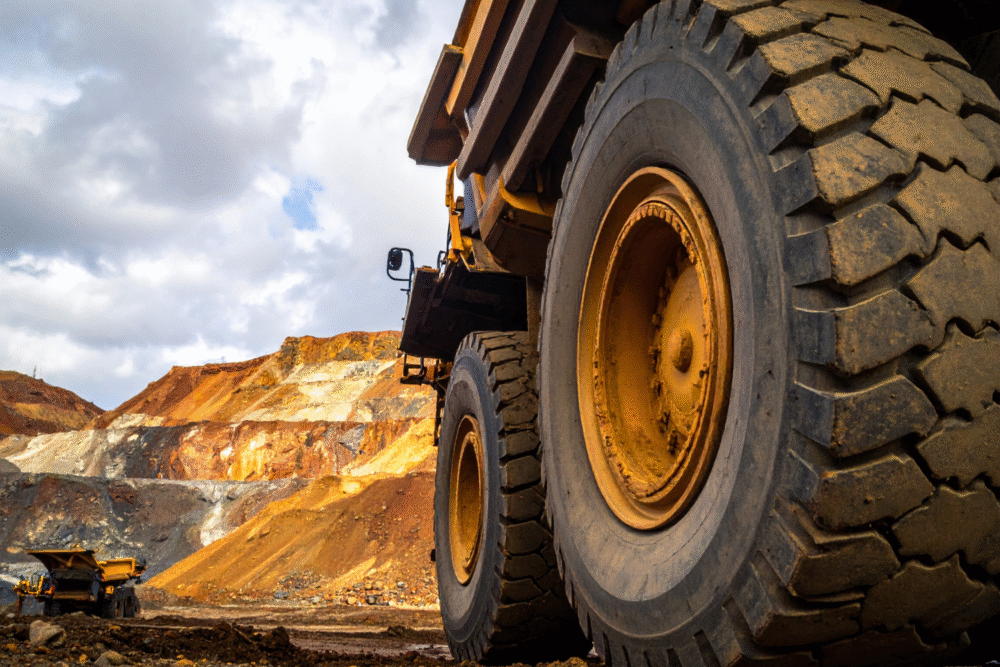
Zinc isn’t just sensitive to heat; it’s also costly and energy-intensive to produce. Mining and refining the metal release greenhouse gases, further contributing to the very climate problem threatening its use.
France imports much of its zinc, meaning price fluctuations and environmental pressures abroad could disrupt supply. Sustainability experts argue that rethinking materials—using recycled zinc, composite metals, or reflective coatings—will be key to preserving Paris’s look without worsening the planet’s condition.
8. Architects Are Searching for Cooler Alternatives
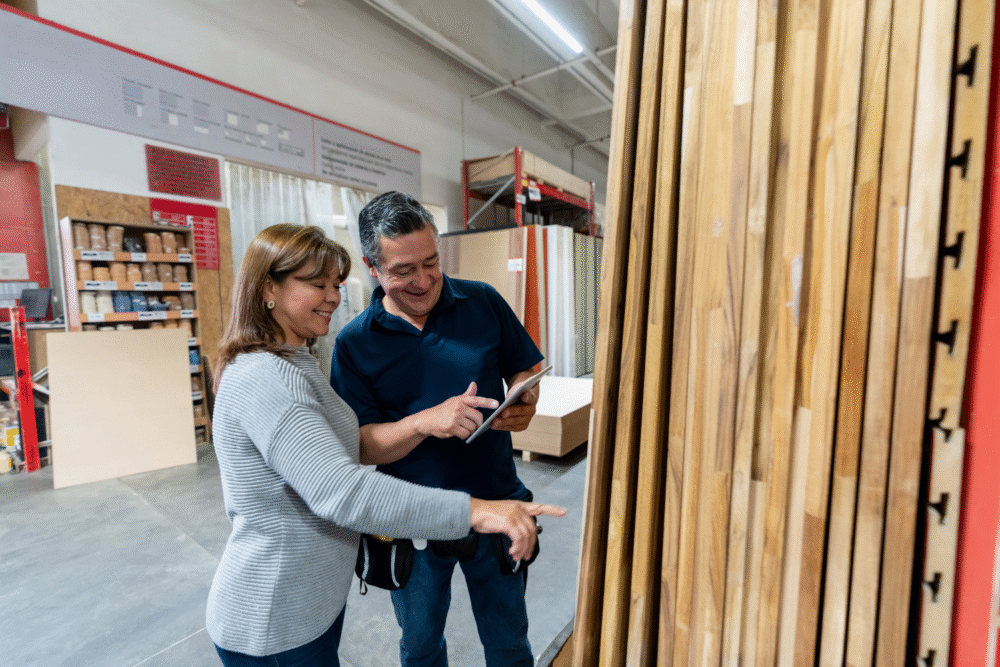
French architects and engineers are now experimenting with solutions that preserve Paris’s appearance while reducing heat absorption. Some suggest hybrid materials—zinc blended with ceramic or aluminum coatings—to deflect sunlight more effectively. Others propose insulating layers or solar-reflective paints.
Pilot projects across Paris are already testing these ideas on historic buildings. The challenge is balancing innovation with aesthetics: any replacement must maintain the visual harmony that defines the city’s skyline, which is under consideration for UNESCO World Heritage status.
9. The Push to Add Green Roofs
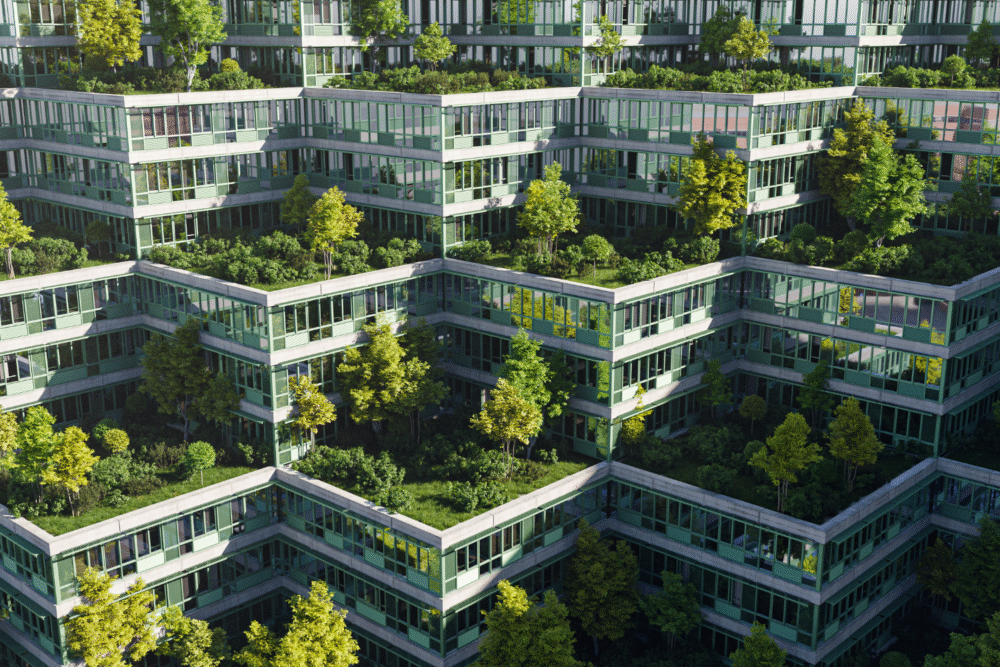
Another strategy gaining traction is the installation of green roofs—layers of vegetation that absorb sunlight and cool the air. Although not visually identical to zinc, they can be hidden behind parapets or incorporated into modern buildings without disrupting the skyline.
Green roofs also provide environmental benefits beyond cooling: they capture rainwater, support pollinators, and improve air quality. Paris officials hope expanding their use could help offset the thermal impact of traditional zinc while preserving the city’s charm from a distance.
10. A Cultural Icon Worth Preserving
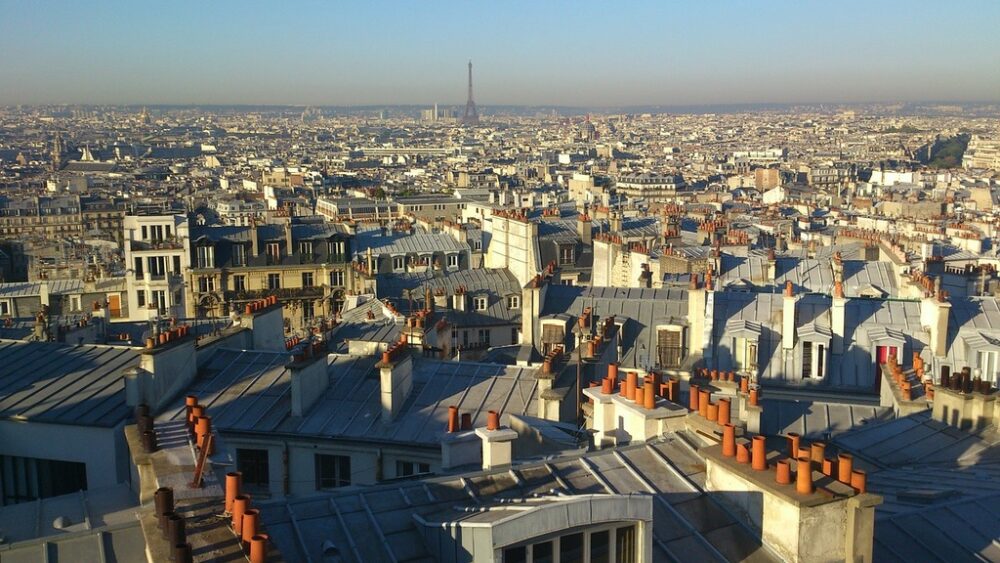
To Parisians, zinc roofs are more than architecture—they’re part of the city’s soul. They inspired countless painters and photographers, from Gustave Caillebotte to Cartier-Bresson. Their subtle sheen shifts with the light, giving Paris its famously romantic glow at sunrise and dusk.
Losing them would mean altering the city’s identity. That’s why preservationists are racing to find solutions that protect both the material legacy and the people who live beneath it, ensuring that beauty doesn’t come at the cost of habitability.
11. The City’s Future May Depend on Adaptation
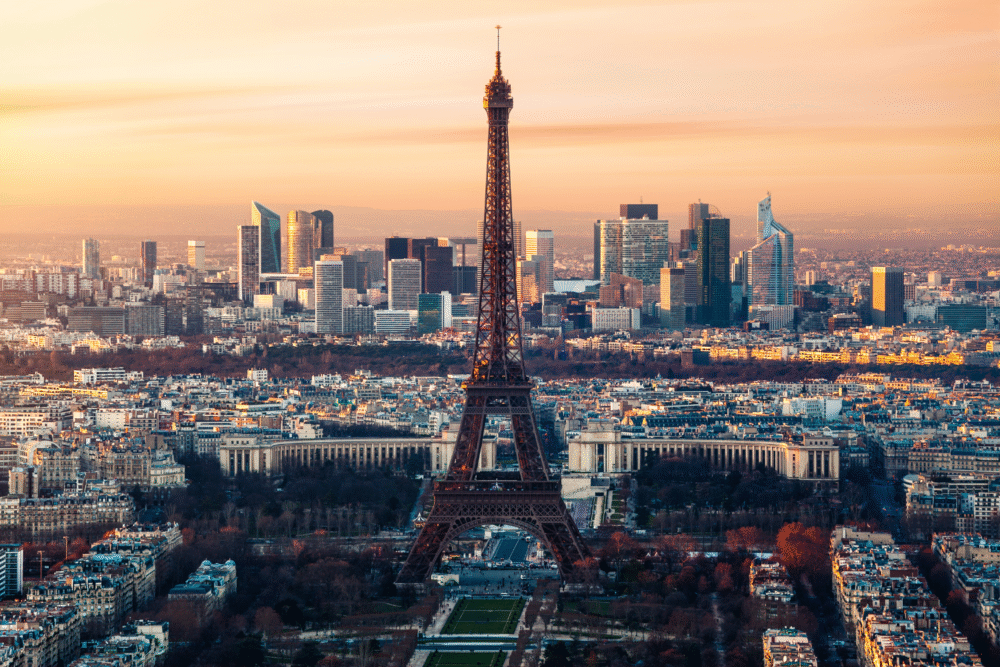
The debate over Paris’s rooftops reflects a larger question facing cities worldwide: how to preserve history in the face of a changing climate. Adaptation will require creativity, compromise, and respect for tradition.
For now, the zinc roofs still glisten across the Parisian skyline. But beneath their beauty lies a warning—one that challenges not only architects and policymakers but everyone who loves the City of Light. Whether they fade or evolve, these rooftops will remain a symbol of how deeply climate change is reshaping the world we know.