
Coyotes are appearing in more neighborhoods—and experts say your response could make all the difference.
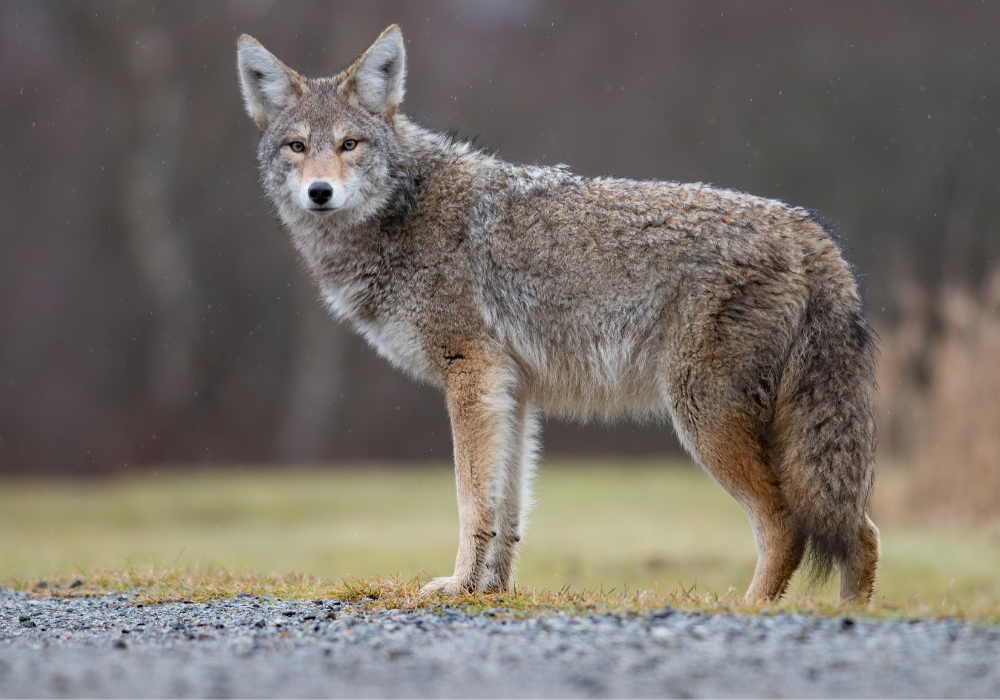
Coyotes are no longer just creatures of the wilderness. In recent years, they’ve been spotted in suburban neighborhoods, city parks, and even backyards across the country. As urban expansion pushes deeper into natural habitats, these adaptable animals are learning to live alongside humans. Wildlife experts warn that your first reaction is crucial—because what you do in those initial moments can determine whether the encounter stays safe or turns dangerous.
1. Coyotes Are Showing Up Where You Least Expect Them
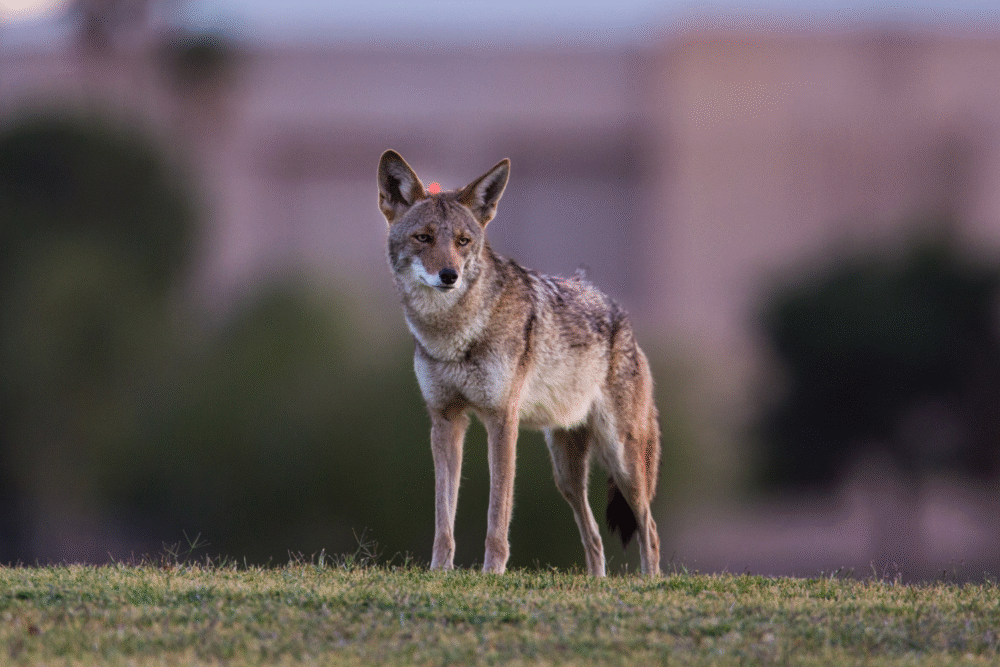
Once confined to deserts and grasslands, coyotes have learned to thrive in suburban and even urban environments. They now roam neighborhoods from Los Angeles to Chicago to New York. Food scraps, unsecured trash, and outdoor pet bowls make backyards irresistible.
Experts say coyotes’ growing presence isn’t a sign of aggression—it’s adaptation. As humans expand into their territory, they’re simply adjusting to survive. Understanding that coexistence is key helps you react calmly and responsibly when one shows up near your home.
2. Don’t Panic—But Don’t Ignore Them Either

If you spot a coyote in your yard, experts say the worst thing you can do is run inside and hide. Coyotes interpret avoidance as weakness, encouraging them to return. Instead, make your presence known immediately.
Yell, clap, wave your arms, or use noise makers to assert dominance and scare it away. Known as “hazing,” this technique reminds coyotes that humans are not prey—and your property isn’t a safe hangout.
3. Keep Your Pets Close—and Never Let Them Confront a Coyote

Coyotes view small pets as potential prey and larger dogs as rivals. Even if your pet seems curious or brave, don’t allow them to approach. Always leash dogs, especially at dawn and dusk, when coyotes are most active.
Cats should be kept indoors or supervised in enclosed outdoor spaces. If a coyote appears while you’re walking your dog, pick up small pets and back away slowly while maintaining eye contact. A calm but assertive stance helps prevent escalation.
4. Secure What’s Drawing Them In

Most backyard coyote visits are driven by one thing: food. Open garbage cans, fallen fruit, compost, and outdoor pet food are major attractions. Once they find an easy meal, they’ll keep coming back.
Experts recommend sealing trash tightly, cleaning grills, and removing birdseed that may attract rodents—a coyote’s favorite snack. Coyotes are opportunists, so cutting off their food supply is the most effective way to discourage repeat visits.
5. Don’t Feed Them—Ever
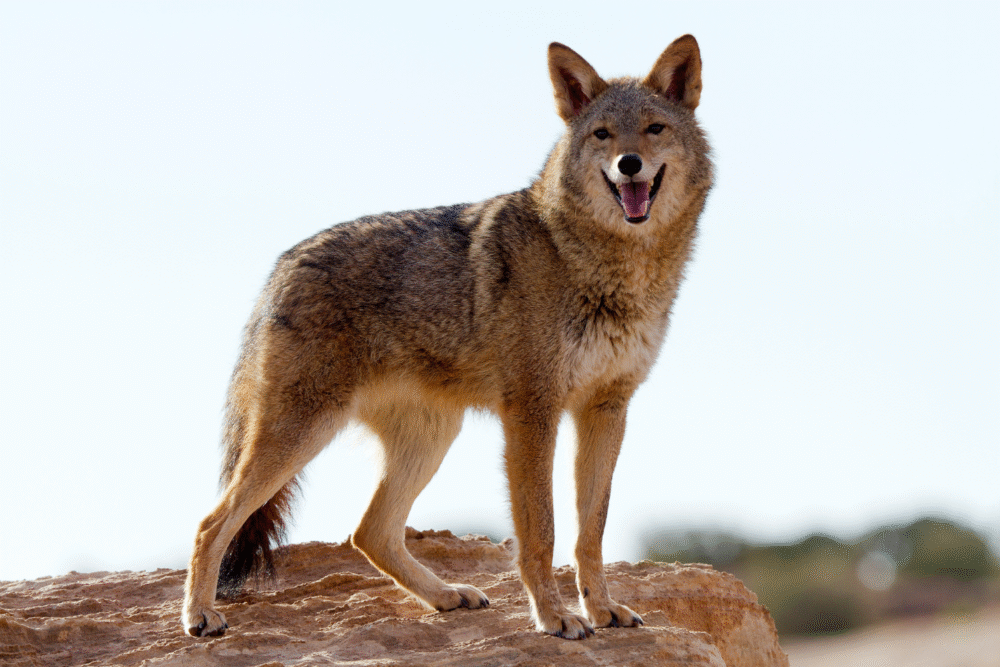
Feeding coyotes, even unintentionally, is one of the most dangerous mistakes people make. When coyotes start associating humans with food, they lose their natural fear and become bolder around people and pets.
Wildlife officials emphasize that hand-feeding is illegal in many areas and almost always leads to future conflicts. A coyote that loses its caution often becomes a “nuisance animal” and may eventually have to be removed. Keeping them wild is the most humane solution.
6. Make Your Yard a No-Coyote Zone

You can take simple steps to make your property less appealing. Motion-activated lights, sprinklers, or ultrasonic deterrents can startle approaching coyotes. Fencing helps too—but it should be at least six feet high and extend underground to block digging.
Trim bushes and tall grass where coyotes might hide, and eliminate water sources like leaking sprinklers or outdoor ponds. The goal isn’t to harm the animal, but to send a clear message: this yard isn’t worth the trouble.
7. Understand Why They Howl at Night
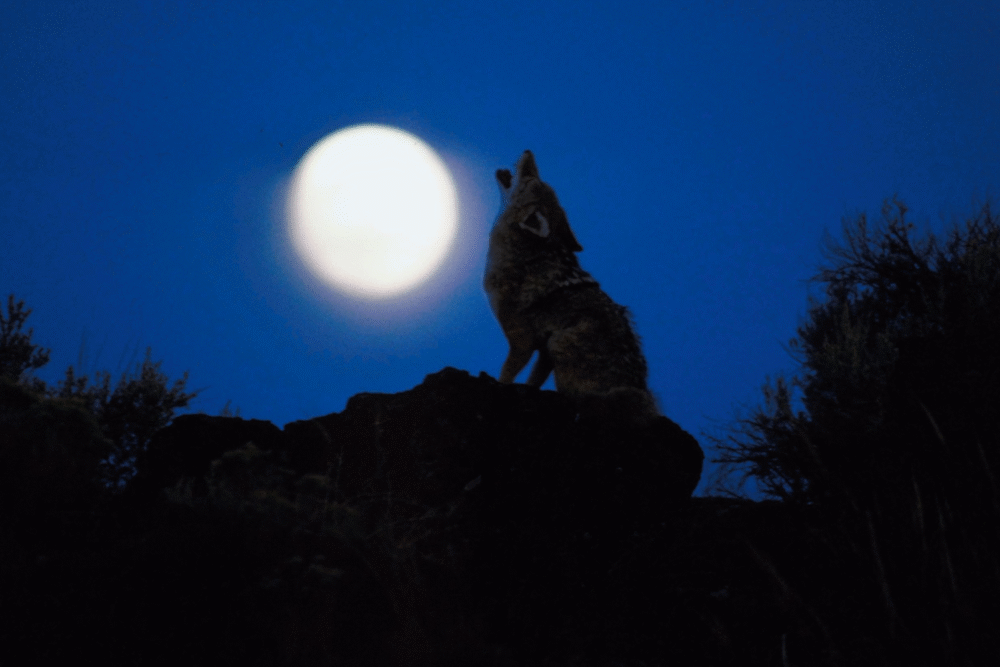
Hearing coyotes howl nearby can be unsettling, but it’s usually not a sign of aggression. Howls are a form of communication—used to locate family members, defend territory, or celebrate a meal.
If the sound seems close, it’s likely because coyotes’ howls carry far in open air. Experts say most nighttime vocalizations fade once they realize humans are nearby. Turning on outdoor lights or making loud noise often ends the chorus quickly.
8. Teach Kids What to Do If They See One

Children are naturally curious, but they should know to stay calm and never approach a coyote. Experts recommend teaching them to make themselves look big—raise their arms, stomp, and yell loudly if they encounter one.
Kids should immediately back toward a door or building without turning their back. Coyotes rarely target people, but quick, confident action helps maintain boundaries and prevents the animal from feeling emboldened around humans.
9. Call for Help If a Coyote Acts Aggressively
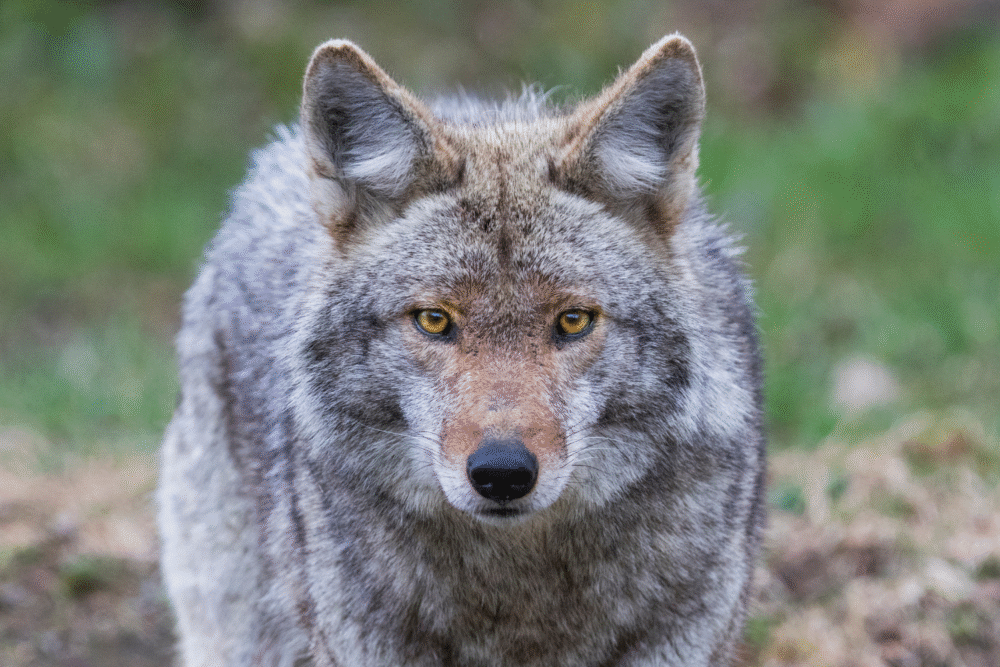
A healthy coyote will usually flee once hazed. But if it shows no fear, acts erratically, or appears injured, contact local animal control or wildlife services. They can assess whether the coyote poses a danger or needs relocation.
Aggressive behavior is rare but can occur when coyotes are sick, starving, or defending pups. Reporting early helps prevent escalation—and protects both the community and the animal from unnecessary harm.
10. Coexistence Is the New Reality
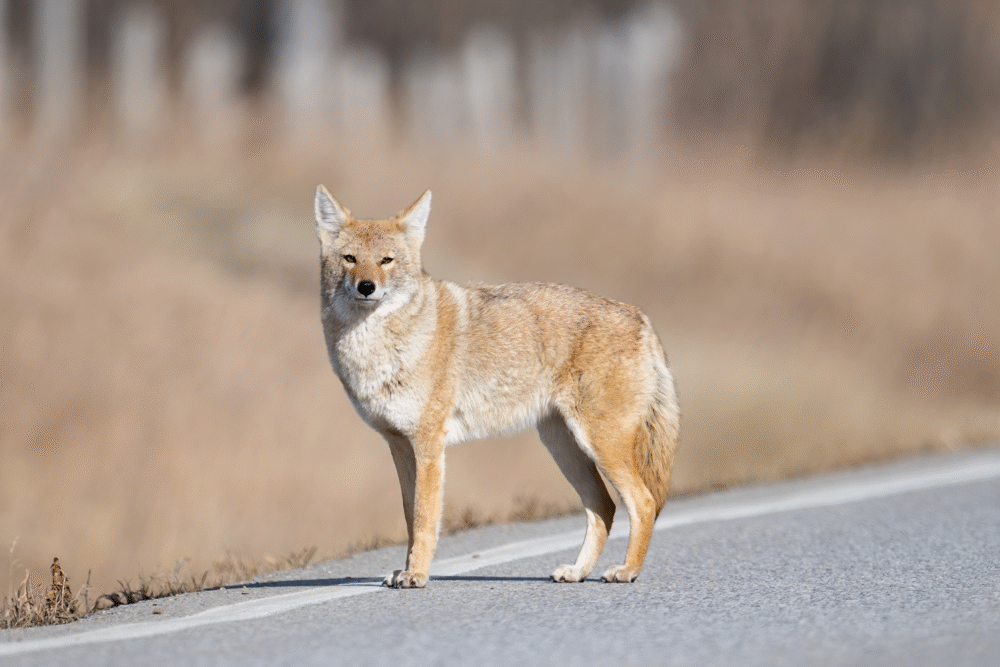
Coyotes are now part of the American landscape, from rural fields to city alleys. Trying to eliminate them completely isn’t realistic—or ecologically wise, since they help control rodent populations.
Experts say learning how to coexist safely is the best long-term solution. That means staying alert, keeping your yard clean, and responding assertively to their presence. With awareness and respect, humans and coyotes can share space without conflict or fear.