Melting Glaciers Could Wake Up Volcanoes — Here’s What Scientists Say

Shrinking ice doesn’t just raise seas — it may also trigger more eruptions and quakes worldwide.
©Image license via iStock

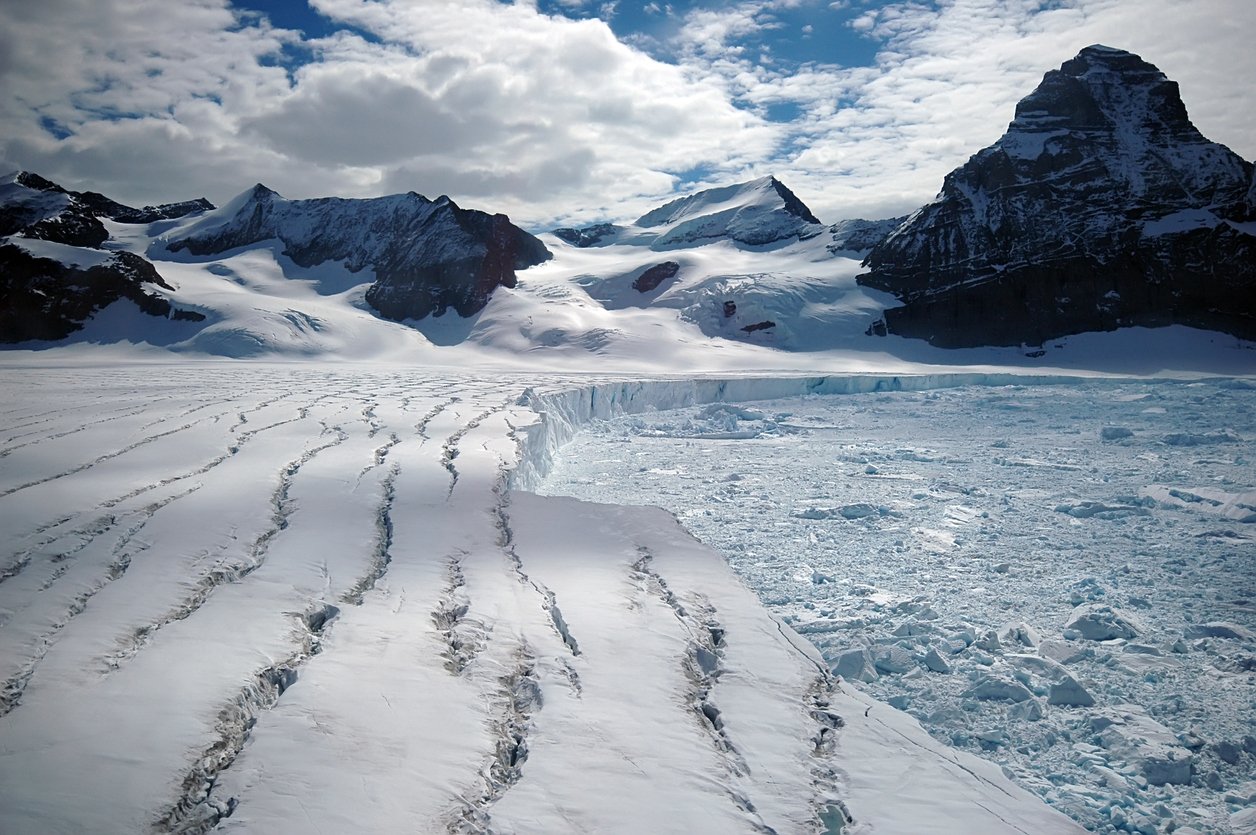
The melting of glaciers isn’t just a story about rising seas. Scientists say it could also be waking up volcanoes and reshaping the Earth beneath our feet. As the ice retreats, it removes massive pressure from the crust, which can shift how magma moves and how faults behave. In some cases, this might even increase the odds of eruptions or earthquakes. From Iceland to the Andes, researchers are finding surprising connections between disappearing glaciers and volcanic activity, showing how climate change can influence parts of the planet we rarely think about.

Read more

California’s Water Crisis Puts the Whole Country at Risk

California supplies much of America’s food, and shrinking water reserves put farms and communities at risk.

©Image license via Flickr

California is in the middle of a worsening water crisis, and experts say the impact reaches far beyond the state’s borders. Home to nearly 40 million people, California also produces more than a third of America’s vegetables and two-thirds of its fruits and nuts. Shrinking reservoirs, prolonged drought, and overuse of groundwater now threaten both farms and communities. As supplies tighten, the ripple effects could hit food prices, national supply chains, and millions of Americans who depend on California’s harvests.

Read more

Scientists Warn the Climate Crisis Could Spark the Next Mass Extinction

Experts say unchecked warming could trigger biodiversity loss on par with Earth’s past extinction events.

©Image license via Canva

The climate crisis is accelerating environmental changes that could push countless species towards extinction. Rising temperatures, habitat destruction, and disruptive weather events are destabilizing ecosystems at unprecedented rates. According to experts from NASA, the IPCC, and the World Wildlife Fund, these shifts affect biodiversity and ecosystem resilience, signaling a potential mass extinction event if current trends continue unchecked. Understanding these signs is key to addressing the crisis effectively.

Read more

Why Your Electric Bill Skyrockets Every Time a Heat Wave Hits

As temperatures climb, so do electric bills — and the impact may be bigger than you realize.

©Image license via Canva

Electric bills often spike during heat waves as homes rely heavily on air conditioning and cooling appliances that consume significant energy. Higher outdoor temperatures cause air conditioners to run longer and harder, especially when coupled with elevated humidity and poor insulation. Utility companies may also charge higher rates during peak demand periods, further increasing costs. Understanding these factors can help manage and reduce energy expenses during extreme heat.

Read more

New Research Shows Why Your Memories May Not Be What They Seem

Scientists say memory is more fragile and easily distorted than most people ever imagined.

©Image license via Canva

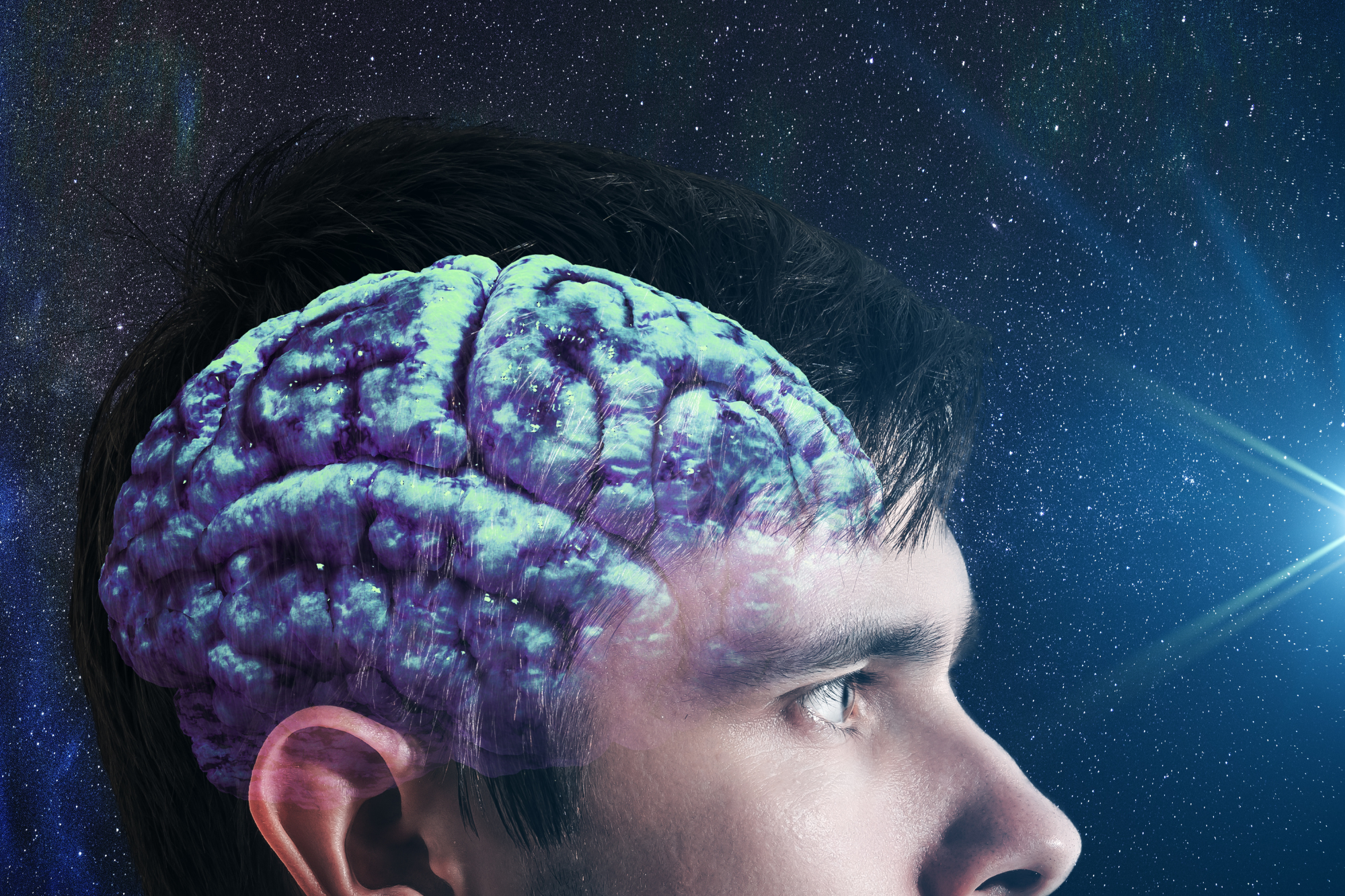
Memory is often thought of as a reliable playback of the past, yet it is far from an exact record. Each recall reconstructs rather than reproduces experiences, influenced by emotions, repeated remembrance, and even suggestions from others. These factors combine to shape how we perceive our histories, reminding us that what we remember is a blend of fact, feeling, and imagination, rather than a fixed snapshot of reality.

Read more

These Emerging Technologies Could Change the Way You Live Every Day

New breakthroughs are on the horizon that could transform how we live, work, and interact every day.

©Image license via MentalHappy.com

Emerging technologies are quietly shaping the way we live, work, and interact with our surroundings. From smarter automation powered by artificial intelligence to advanced wearable health monitors and intuitive smart home systems, these innovations promise to enhance convenience, efficiency, and security in daily life. While the potential benefits are significant, understanding both the technology and its broader implications—including privacy, accessibility, and adoption challenges—can help individuals adapt thoughtfully to these future shifts.

Read more

Sea Levels Are Rising Faster Than Expected — What It Means for Coastal Cities

New research shows coastal flooding and property risks could arrive decades sooner than once predicted.

©Image license via Canva

Global sea levels are climbing faster than scientists previously predicted, driven primarily by melting ice sheets and warming oceans. This acceleration raises risks of coastal flooding, habitat disruption, and saltwater intrusion, affecting millions who live near shorelines. Understanding the scientific drivers and regional variations helps clarify why sea level rise is both an immediate challenge and a long-term concern. Awareness and adaptation are essential for building resilience in vulnerable communities.

Read more

Why Florida Is Hit Harder by Hurricanes Than Almost Anywhere Else

Experts say Florida’s long coastline and warm seas make it especially vulnerable to major storms.

©Image license via Canva

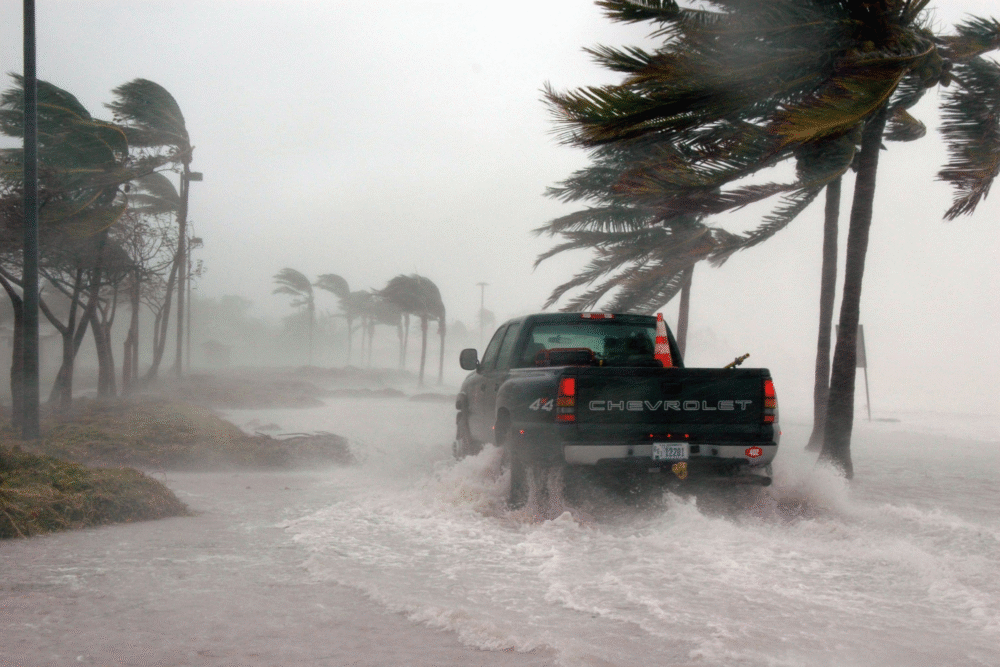
Florida’s vulnerability to hurricanes stems from a combination of geographical features and climatic conditions. The state’s extensive coastline faces both the Atlantic Ocean and Gulf of Mexico, exposing it to multiple storm paths. Warm ocean waters nearby fuel hurricane formation and strength, while flat terrain allows winds and storm surge to cause widespread damage. Seasonal wind patterns and high humidity further intensify tropical systems, making Florida particularly prone to hurricanes throughout the year, according to NOAA and the National Weather Service.

Read more

Scientists Turn Skin Cells Into Human Egg Cells in Groundbreaking Study

Researchers used cloning-style techniques to reprogram skin cell nuclei into eggs, with early embryos formed.

©Image license via Flickr

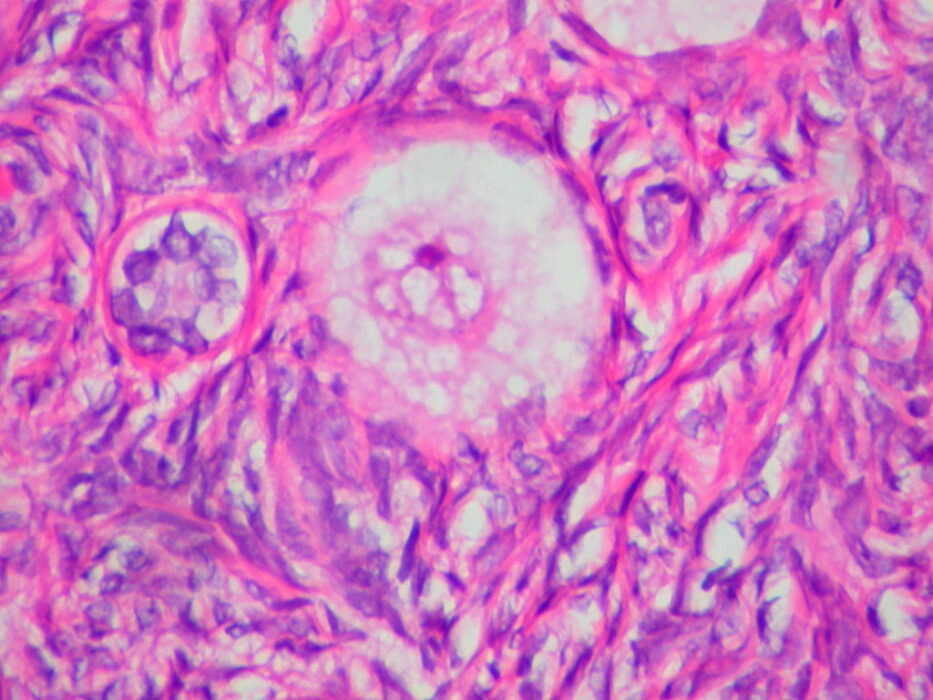
In a pioneering proof-of-concept, scientists at Oregon Health & Science University successfully converted human skin cells into “functional” egg-like cells. The method involves transferring the nucleus of a skin cell into a donor egg cell stripped of its nucleus, then inducing it to shed extra chromosomes—a process the team calls “mitomeiosis.” Some of these lab-generated eggs were fertilized in vitro, producing early-stage embryos. However, many embryos showed chromosomal abnormalities and none developed past day six, signaling that this innovation remains in its experimental phase.

Read more

Trump’s $8 Billion Climate Cuts Could Leave Your Wallet Feeling the Heat

After cancelling nearly $7.6B in clean energy funding, dozens of climate projects — and community benefits — may be at risk.

©Image license via The Daily Climate, Ted Eytan

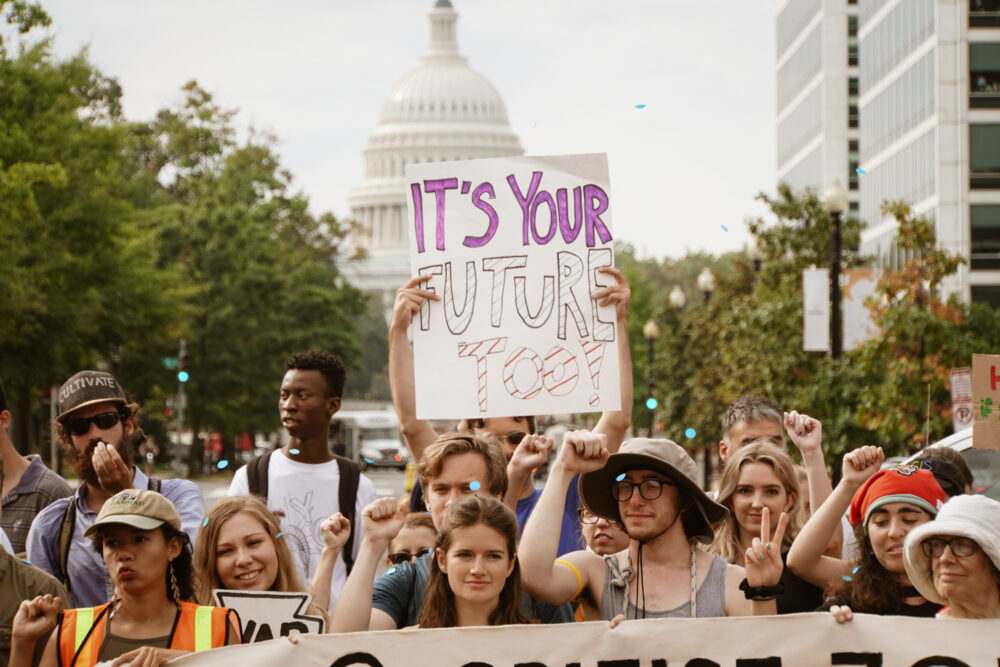
The Trump administration has announced plans to cancel about $7.6 billion in federal funding across more than 200 clean energy and climate-related projects, many of them in Democratic-leaning states. The cuts target initiatives such as hydrogen hubs, battery plants, grid modernization efforts, and carbon capture projects, including a $1.2 billion award for California’s hydrogen program. Officials argue the programs did not adequately advance national energy needs or provide sufficient taxpayer returns, but critics warn the move could harm jobs, innovation, and local economies.

Read more