How Heat Could Trigger a Climate Catastrophe in Just Two Years

Scientists warn extreme heat could push Earth past critical tipping points faster than expected.

©Image license via Canva

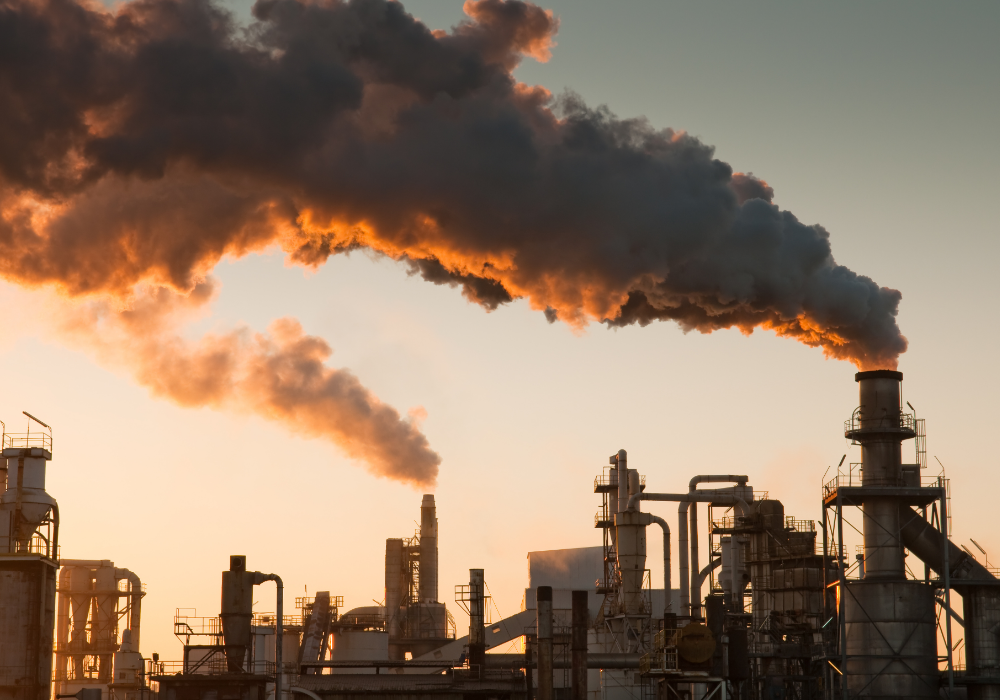
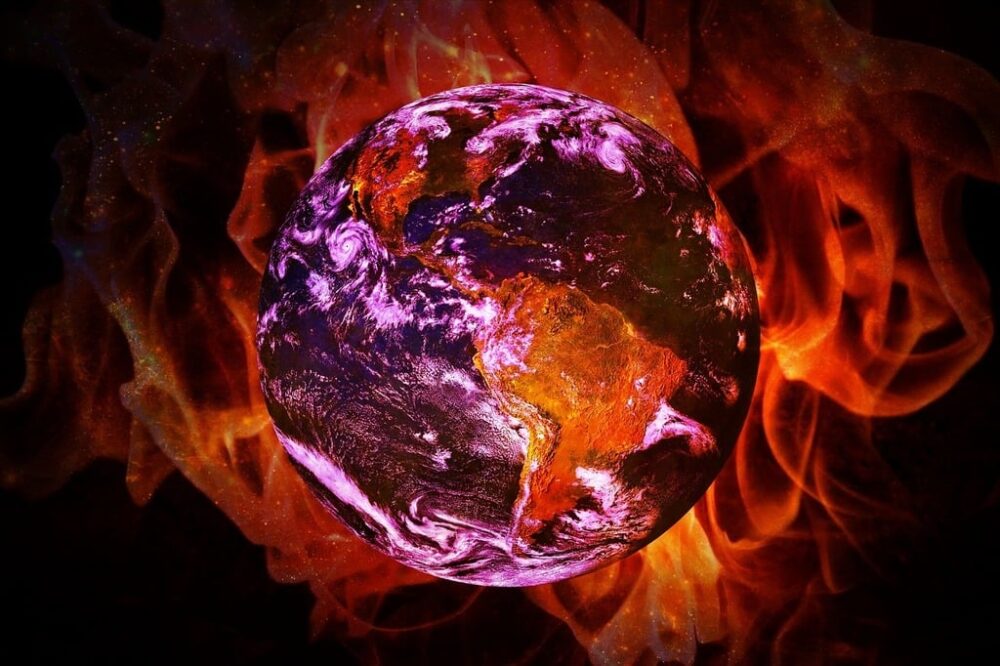
Scientists caution that rapidly rising heat could push the climate system toward dangerous tipping points within just a couple of years. Recent analyses show that greenhouse gas accumulation and extreme weather trends are accelerating, narrowing the window to prevent irreversible damage. If global temperatures continue climbing unchecked, critical systems like ice sheets, forests, and oceans may lose resilience, triggering cascading effects. While “climate catastrophe” is a strong term, the latest data suggests that we are entering a phase where delay could prove disastrous.


Read more

DOE Bans “Climate Change” and “Emissions” From Official Communications

Staff say the administration ordered the Energy Department to strip climate terms from reports and briefings.

©Image license via Canva

Officials at the U.S. Department of Energy have confirmed they were instructed not to use key terms like “climate change,” “emissions,” or “decarbonization” in reports and public communications. The directive, reportedly handed down during the Trump administration, has raised alarm among scientists and policy experts. Critics argue the ban could distort public understanding of environmental issues and hinder transparency in energy policy. The DOE has not publicly clarified the reasoning, fueling concerns about political interference in scientific language.

Read more

Billions in Property Are at Risk as the East Coast Sinks

Scientists warn that land subsidence, combined with rising seas, threatens homes and infrastructure along the coast.

©Image license via Canva

The East Coast is experiencing a concerning combination of rising sea levels and land subsidence (the gradual sinking or settling of the Earth’s land surface), leading to increased risks of coastal sinking. This gradual sinking results from both natural processes and human activities, intensifying flooding and erosion challenges. As storm surges grow stronger and infrastructure faces mounting pressures, communities need to grasp the causes and consequences of these changes to effectively plan and adapt for a more resilient future.

Read more

12 Life Lessons Elders Across Cultures Want You to Know

Elders from around the world share enduring guidance for navigating life with grace and resilience.

©Image license via Flickr

Wisdom passed down through generations offers timeless advice that remains relevant across cultures. Elders provide valuable insights shaped by diverse experiences, emphasizing values such as patience, kindness, and humility. These life lessons foster personal growth and enrich decision-making, reminding us that embracing change, nurturing relationships, and listening deeply help build a meaningful and balanced life. Their guidance bridges past and present, inspiring a thoughtful approach to the challenges we face.

Read more

Chilling Clues From Ancient Ice Ages That Point to What Lies Ahead

Scientists say frozen records hold eerie warnings for Earth’s future.

©Image license via StockCake

Ice ages leave behind a wealth of information that helps scientists understand Earth’s climatic past and anticipate future trends. By examining ice cores, fossilized pollen, and geological records, researchers can track temperature shifts, carbon dioxide levels, and sea level changes over millennia. These clues, drawn from multiple sources, inform climate models and improve predictions about how natural cycles and human impacts might shape the planet’s future environment.

Read more

13 Mysteries Science Can’t Crack—And They’ll Blow Your Mind

Despite decades of research, these baffling mysteries continue to defy scientific explanation.

©Image license via RawPixel.com

Science has unraveled some of the universe’s greatest secrets, but many puzzles remain unsolved. From strange cosmic signals to mysteries hidden within our own bodies, some questions still leave experts scratching their heads. These enduring enigmas remind us that no matter how advanced our technology becomes, there are limits to what we understand. For everyday readers, that can be both thrilling and unsettling — proof that the world is far more mysterious than we often imagine.

Read more

Robots Are Acting More Human Than Ever—And It’s Kind of Creepy

Robots are crossing the line between machine and human—and it’s eerie.

Image license via iStock

Robots are evolving beyond mechanical functions to exhibit more human-like behaviors and designs. Through breakthroughs in artificial intelligence, machine learning, and sensory technology, machines now communicate fluidly, recognize emotions, and adapt to complex environments. While their appearance can be humanoid, these advancements focus on genuine interaction improvements rather than mere imitation. Understanding these developments clarifies the profound ways robots are becoming companions, assistants, and collaborators in daily life.

Read more

1960s Scientists Warned About Global Warming—And They Were Right

Early climate models from the 1960s predicted global warming with surprising accuracy, researchers say.

©Image license via Canva

In the 1960s, climate scientists began developing models to understand the effects of greenhouse gases on Earth’s temperature. These early simulations, while simpler than today’s versions, successfully anticipated key aspects of global warming by incorporating fundamental atmospheric physics and carbon emissions. Their predictions have proven remarkably accurate over time, highlighting the solid scientific basis established decades ago and the enduring relevance of these pioneering efforts in climate research.

Read more

Life-Size Animal Carvings Found in Saudi Desert Could Be World’s Oldest

Archaeologists uncovered life-size camel carvings in Saudi Arabia that may date back about 8,000 years.

©Image license via Wikimedia Commons

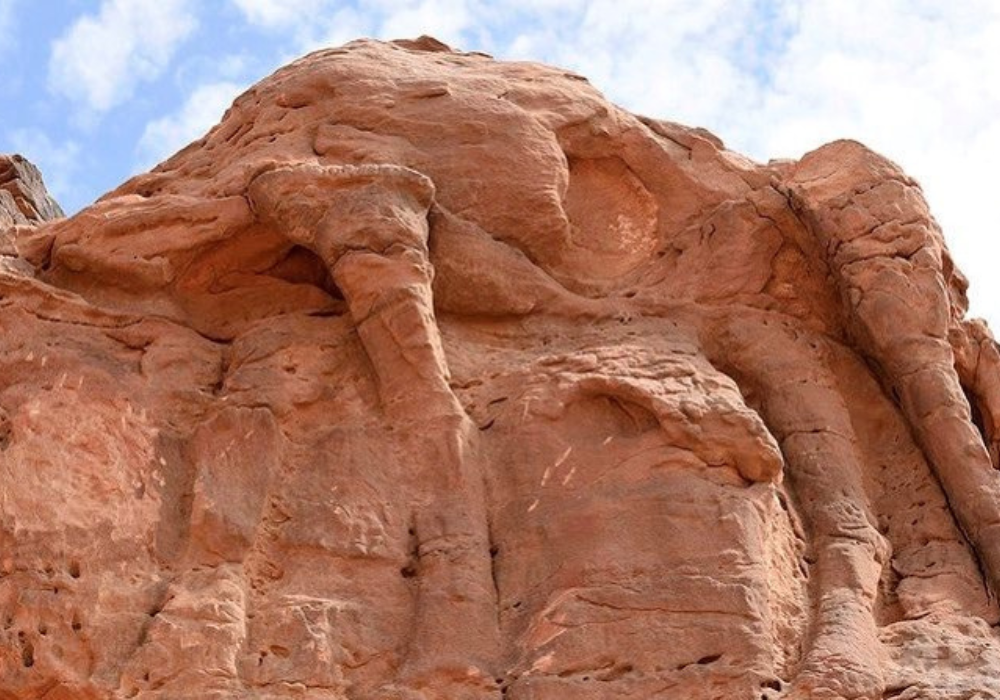
Archaeologists have uncovered life-size rock carvings of camels, gazelles, and other animals in the Saudi Arabian desert, and their age is sparking debate. Some researchers suggest the carvings date back around 7,000 to 8,000 years, while others believe they could be as old as 12,000 years. Either way, they rank among the world’s oldest large-scale animal engravings. Carved into sandstone with stone tools, the massive figures show the skill and symbolic traditions of prehistoric peoples who once thrived in a greener Arabia.

Read more

Alarming Study Reveals Most of Earth’s Land Faces Serious Risks

A new map shows 60 percent of Earth’s land is pushed beyond safe biosphere limits, with 38 percent in high risk.

©Image license via Picryl

A new study mapping Earth’s “functional biosphere integrity” reveals that around 60 percent of the planet’s land is now operating outside of locally defined safe limits, with 38 percent classified as high-risk. The research, conducted by scientists from the Potsdam Institute for Climate Impact Research and BOKU University in Vienna, measures how much human use of biological productivity disrupts nature’s essential cycles. These findings suggest that the Earth’s ability to self-regulate through photosynthesis, carbon, water, and nitrogen cycles is under severe strain—raising alarms about ecosystem stability worldwide.

Read more