
Shrinking ice doesn’t just raise seas — it may also trigger more eruptions and quakes worldwide.
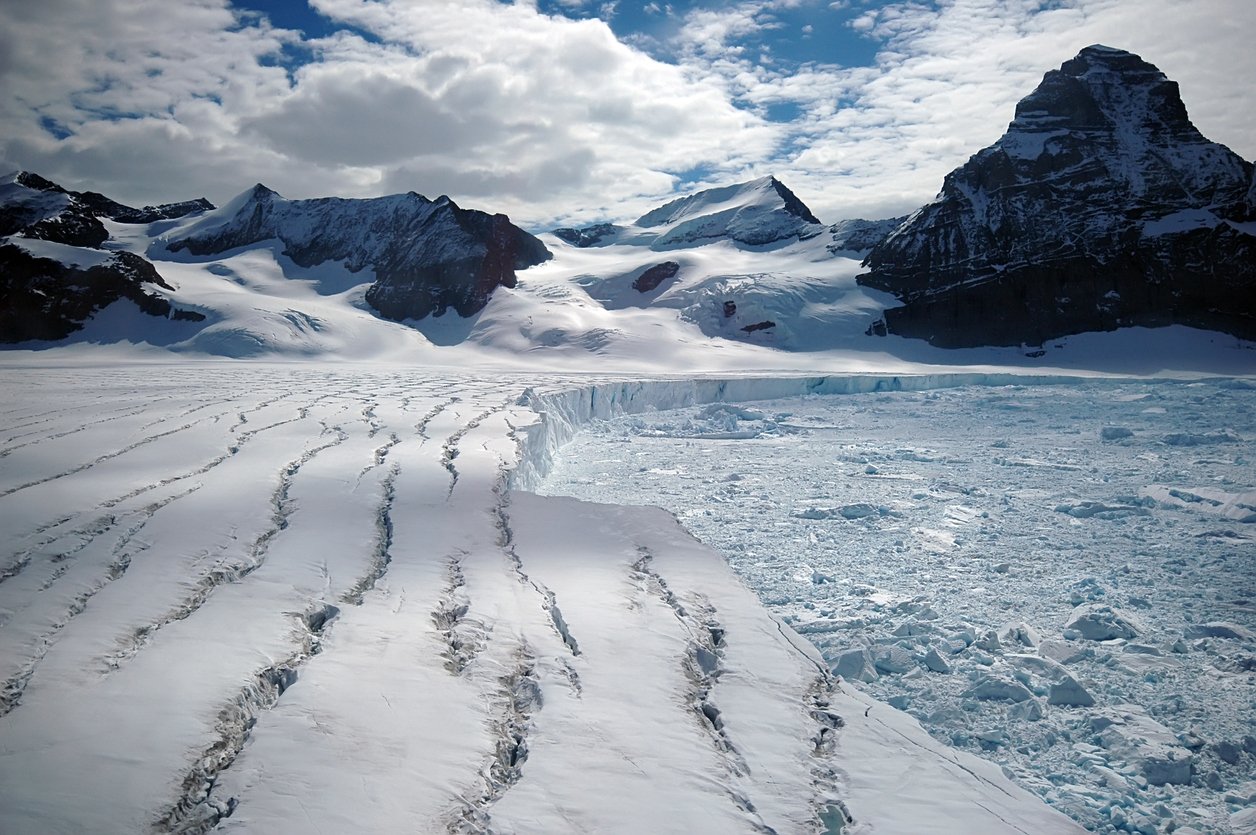
The melting of glaciers isn’t just a story about rising seas. Scientists say it could also be waking up volcanoes and reshaping the Earth beneath our feet. As the ice retreats, it removes massive pressure from the crust, which can shift how magma moves and how faults behave. In some cases, this might even increase the odds of eruptions or earthquakes. From Iceland to the Andes, researchers are finding surprising connections between disappearing glaciers and volcanic activity, showing how climate change can influence parts of the planet we rarely think about.
1. Melting glaciers take pressure off magma chambers
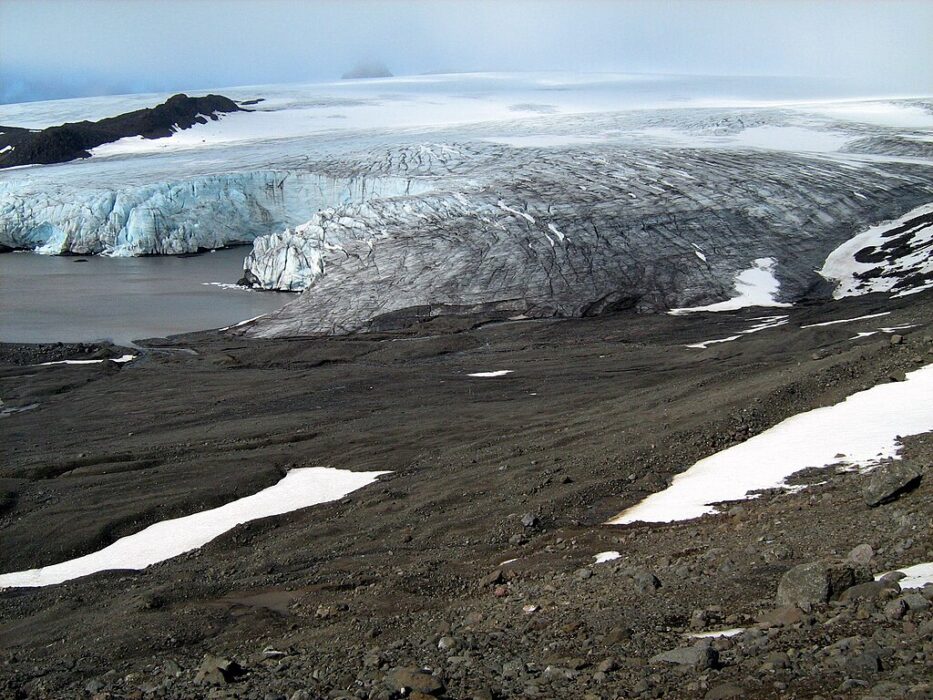
Glaciers are heavy. They press down on Earth’s crust like a giant lid, keeping the magma below under intense pressure. When glaciers melt, that lid is slowly lifted, and magma can expand and rise more freely. Scientists call this “glacial unloading,” and it’s one of the main ways climate and volcanoes intersect.
As pressure eases, magma can find new paths upward. This doesn’t guarantee an eruption, but it does make volcanic activity more likely in regions where glaciers and volcanoes overlap. Iceland and Alaska are two areas where scientists are watching closely for this kind of interaction.
2. Losing ice reshapes the crust and volcano stability
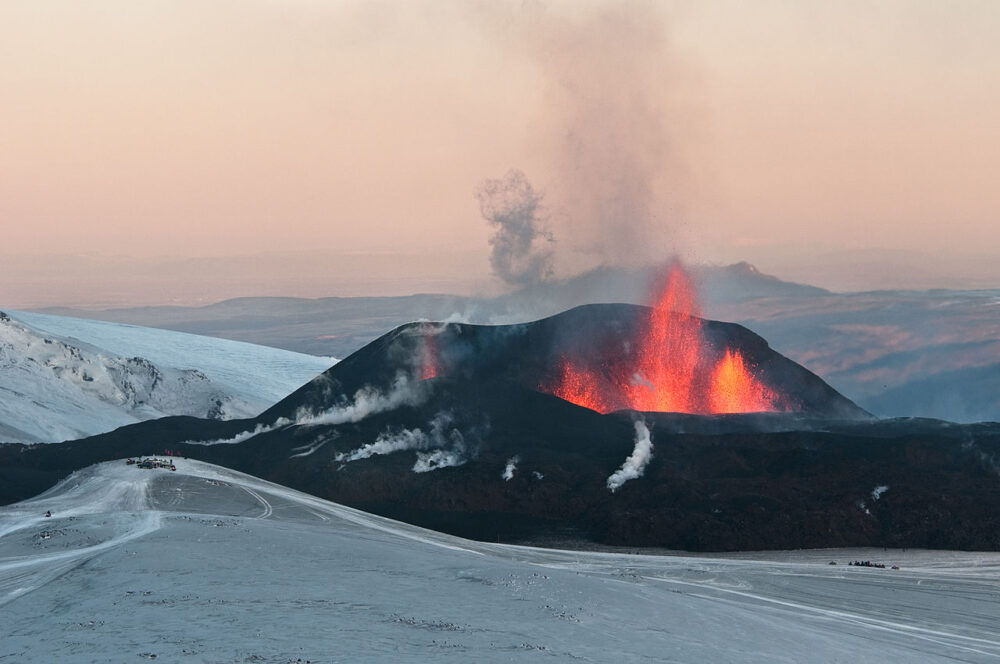
The Earth’s crust is flexible under pressure, and glaciers provide plenty of it. When that weight disappears, the crust begins to adjust, sometimes shifting in ways that affect nearby volcanoes. This change alters the balance of forces that help keep volcanic systems stable.
In countries like Iceland, where glaciers sit directly over active volcanoes, this adjustment can change how eruptions unfold. Some volcanoes may become more restless, while others might stay quiet. It shows how unpredictable volcanic behavior can be when climate-driven glacier loss changes the stress beneath the surface.
3. Rapid ice loss can push magma upward
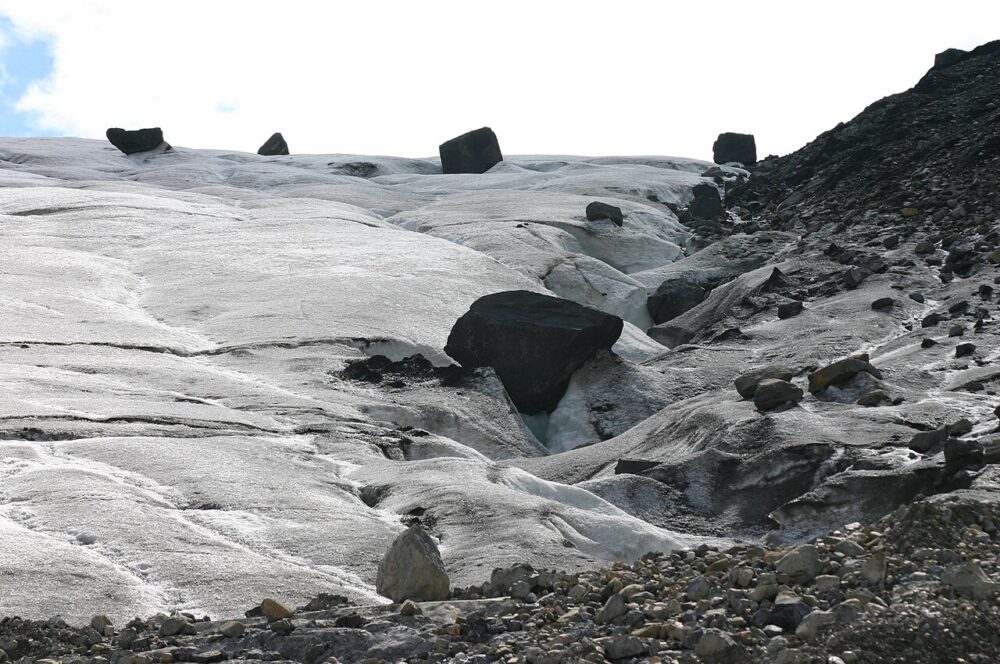
Glacier retreat doesn’t always happen slowly. In recent years, some regions have seen rapid ice loss, and that can have a dramatic effect underground. When weight is suddenly lifted, magma that was trapped deep in the crust can surge upward much faster.
This process has the potential to awaken dormant volcanoes. In mountain ranges like the Cascades, scientists warn that fast glacier melt could spark volcanic activity by creating easier pathways for magma. Quick ice retreat acts like flipping a switch, turning geological pressure into movement that can fuel explosive eruptions.
4. Meltwater changes how volcanic gases escape
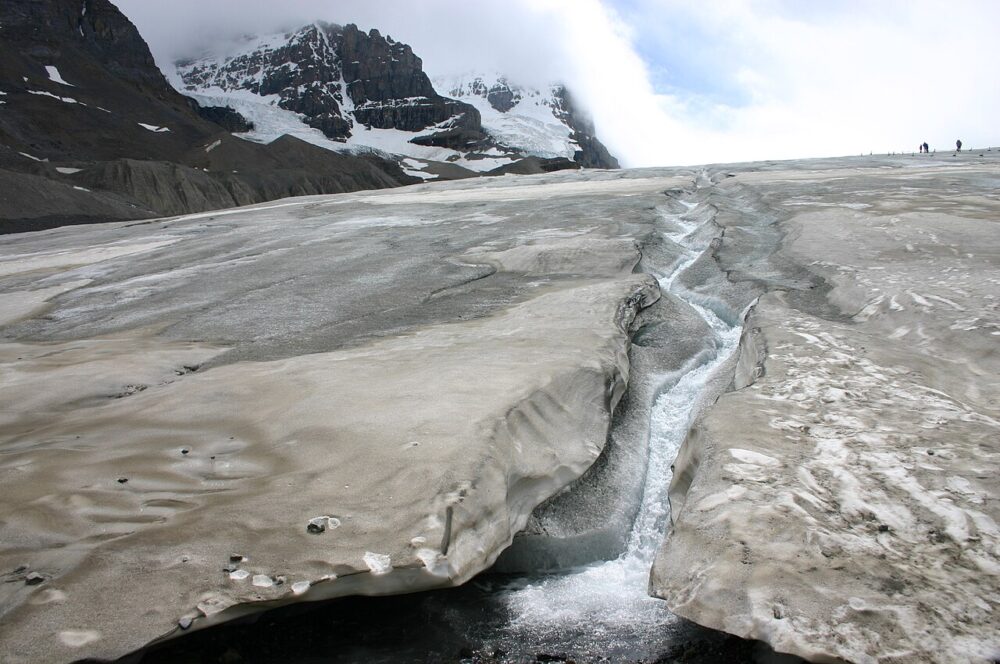
When glaciers melt, the water doesn’t just flow away. Much of it seeps into cracks and chambers inside volcanoes, changing how gases move. Sulfur, carbon dioxide, and other gases can escape through new vents, altering eruption styles and providing clues about what’s happening below.
In places like Alaska, scientists keep close watch on gas emissions as a way to forecast volcanic activity. A sudden change in gas release can mean glacier melt has shifted the underground “plumbing.” These connections highlight how climate and geology interact in ways that can influence natural hazards.
5. Retreating ice redistributes stress on volcanic faults
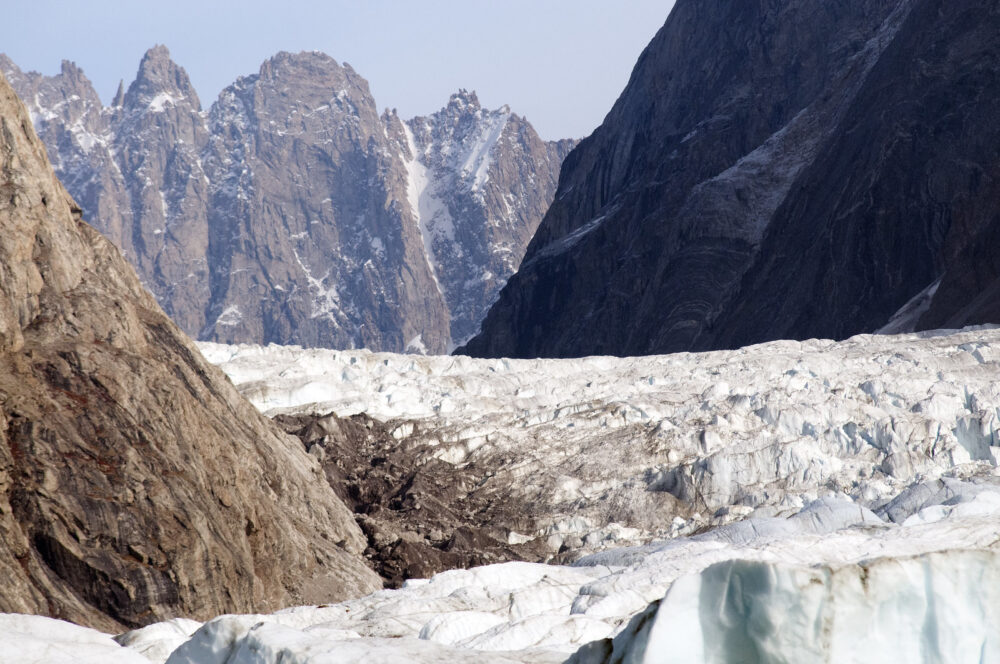
Glaciers don’t only sit on top of magma. They also press against fault lines in the crust. When glaciers retreat, the stress on these delicate cracks changes, sometimes enough to trigger small slips or earthquakes.
These quakes can act as precursors to eruptions if they occur in volcanic zones. In Iceland, where ice and active faults overlap, monitoring stress changes is essential. As ice retreats, scientists look for new patterns of seismicity, which could indicate that volcanoes are responding to their changing environment. It’s one more way glacier loss reshapes geology.
6. Warming rock makes volcanoes less stable
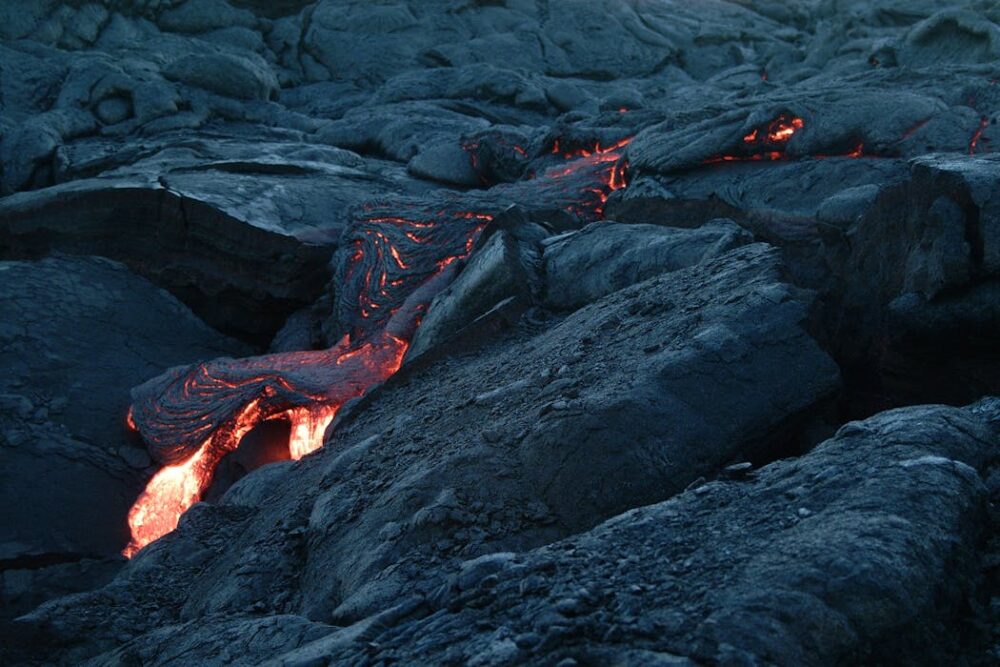
Ice acts like a natural insulator, keeping volcanic rock cool and solid. But when glaciers vanish, the exposed rock warms and becomes more fragile. Over time, this can lead to cracking and crumbling, destabilizing the volcano’s outer structure.
In regions like the Andes, where glaciers are retreating quickly, this weakening process raises concerns. Rockfalls or collapses could expose inner volcanic systems, potentially making eruptions more unpredictable. As climate change accelerates glacier loss, the once-hidden stability provided by ice may no longer protect volcanic landscapes from sudden shifts.
7. Ice loss reroutes underground fluids
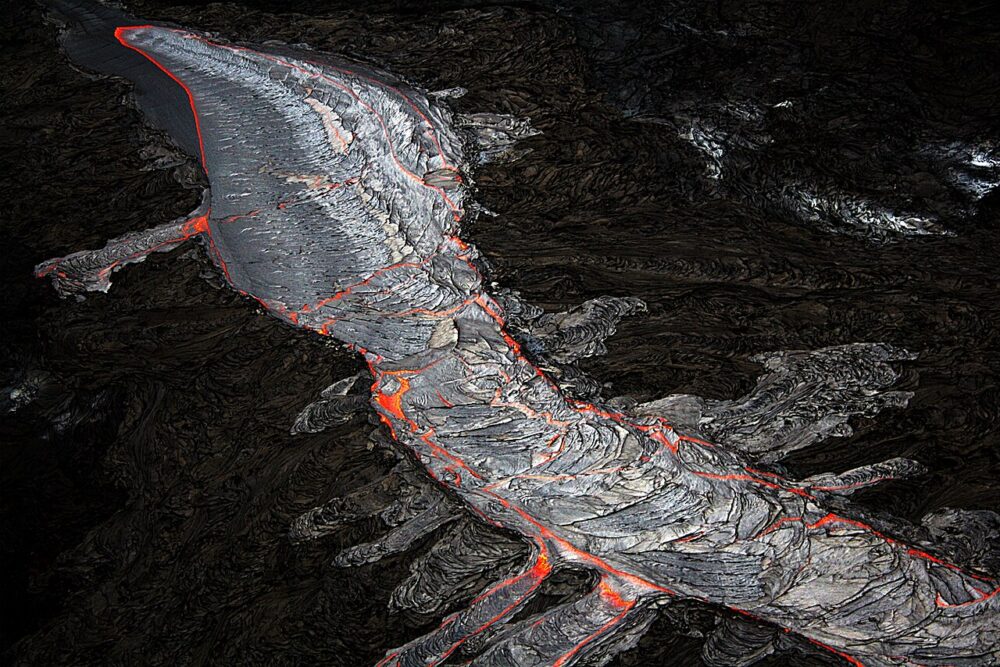
Volcanic systems rely on pathways to move magma and gases, and the weight of glaciers helps control those routes. When glaciers melt, the reduced pressure can open new channels underground. This rerouting can change how magma flows and how gases escape.
In South America’s Andes, scientists have observed changes in eruption style linked to retreating glaciers. These altered pathways can make eruptions more explosive or shift where volcanic activity occurs. Ice loss doesn’t just affect the surface — it reshapes the deep connections that feed volcanic systems, creating more complex and less predictable behavior.
8. Lower meltwater pressure boosts eruption risk
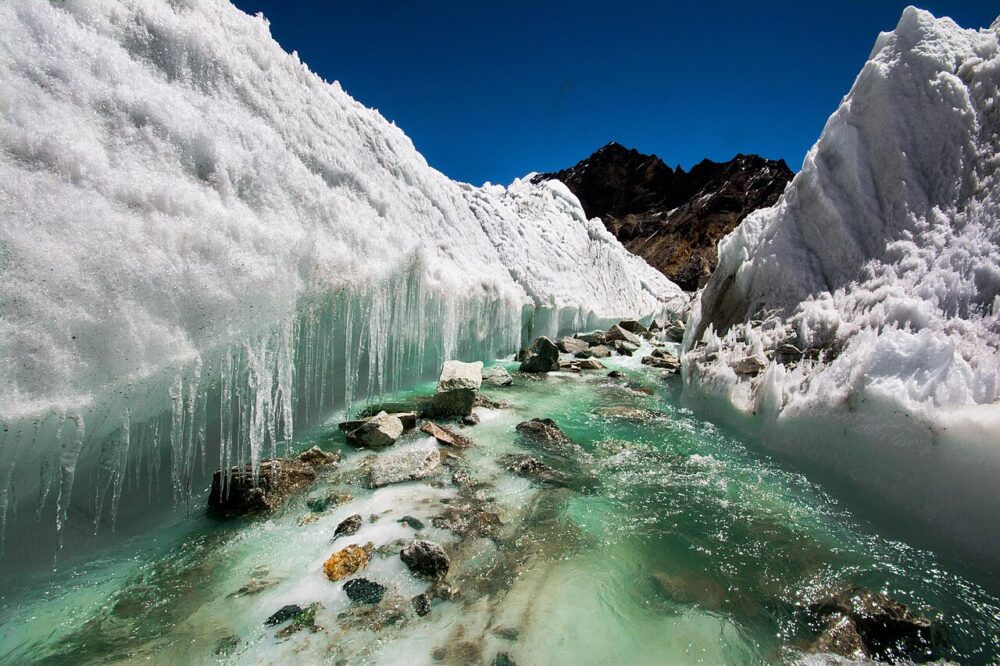
Meltwater withdrawal can also reduce pressure in ways that encourage magma to expand underground. Without the weight of ice and water pressing down, magma chambers may build up internal pressure faster, raising eruption potential.
This link has been especially noticeable in high-latitude regions like Iceland. There, researchers have studied how glacier retreat coincides with spikes in volcanic activity. The connection suggests that as climate change accelerates ice loss, volcanoes in these regions could become more active, making careful monitoring all the more important.
9. Glacier erosion exposes magma conduits
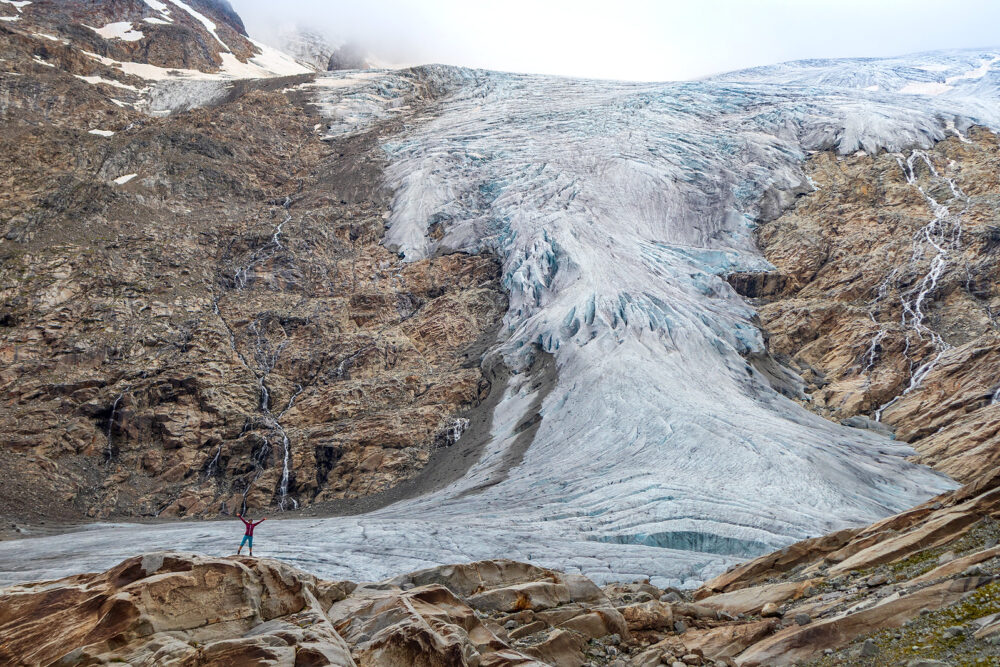
As glaciers melt, they carve through rock and soil, speeding up erosion. This process gradually exposes magma conduits, the natural pipes that connect magma chambers to the surface. Once exposed, these conduits become more vulnerable to change.
In Greenland and other glaciated regions, scientists are studying how erosion reshapes the landscape around volcanoes. New or altered pathways can change the flow of magma, potentially leading to different eruption styles. The process shows how climate-driven erosion doesn’t just sculpt valleys — it can also influence deep geological systems.
10. Meltwater can fuel explosive steam eruptions
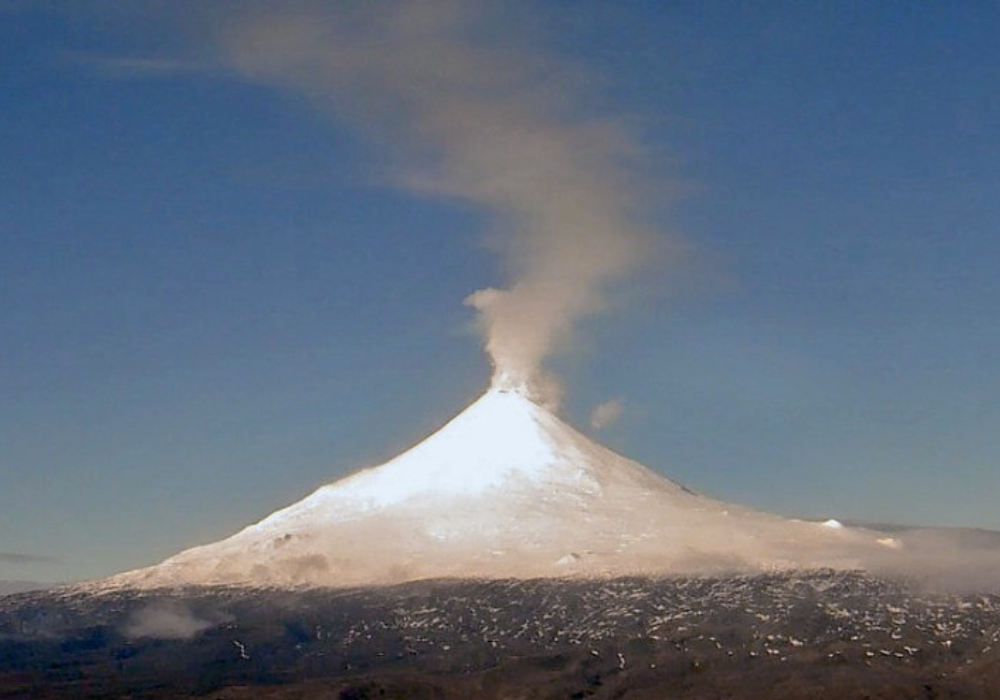
When glacier meltwater seeps into hot volcanic rock, it can instantly flash into steam. The result is a phreatic eruption — a sudden, violent blast that doesn’t require new magma to reach the surface.
This interaction has been seen in volcanic regions like the Kamchatka Peninsula. There, scientists have documented how water and magma interactions can create dramatic, unpredictable events. These steam-driven eruptions highlight how melting glaciers can make volcanoes more dangerous in ways that go beyond traditional magma-driven explosions.
11. Ice loss increases quake activity beneath volcanoes
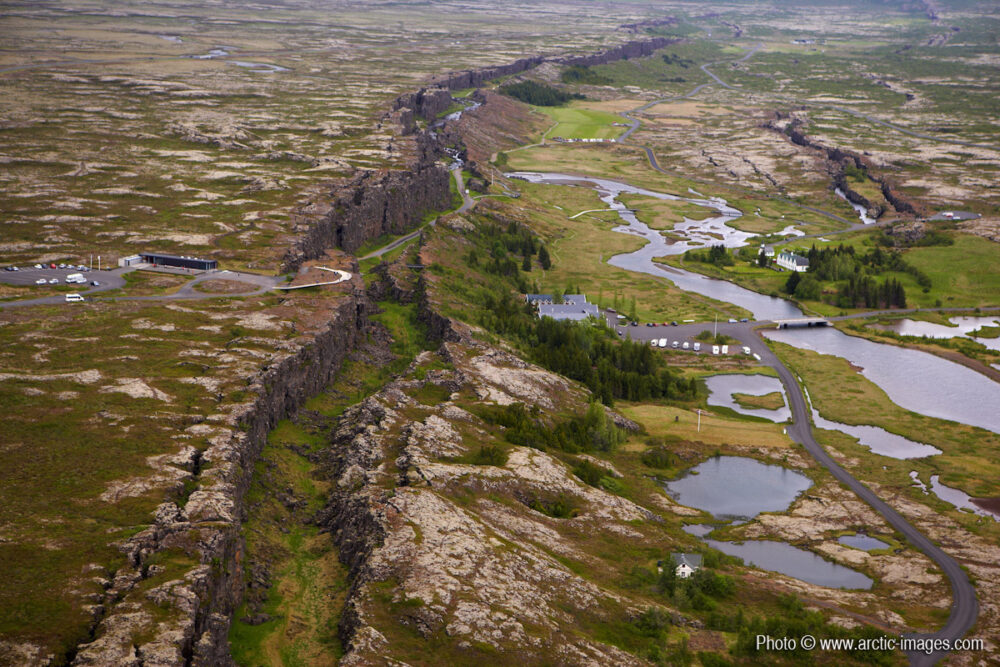
Finally, the loss of ice itself makes Earth’s crust shift and adjust, often leading to more earthquakes under volcanoes. These quakes aren’t always destructive, but they can be important warning signs of change.
In Iceland, for example, scientists have noted that thinning glaciers often coincide with rising seismic activity. These quakes may indicate magma movement or crustal adjustments that increase eruption risk. The pattern underscores how deeply connected glaciers and volcanoes are — and how climate change in one system can ripple through another.