
Scientists say memory is more fragile and easily distorted than most people ever imagined.
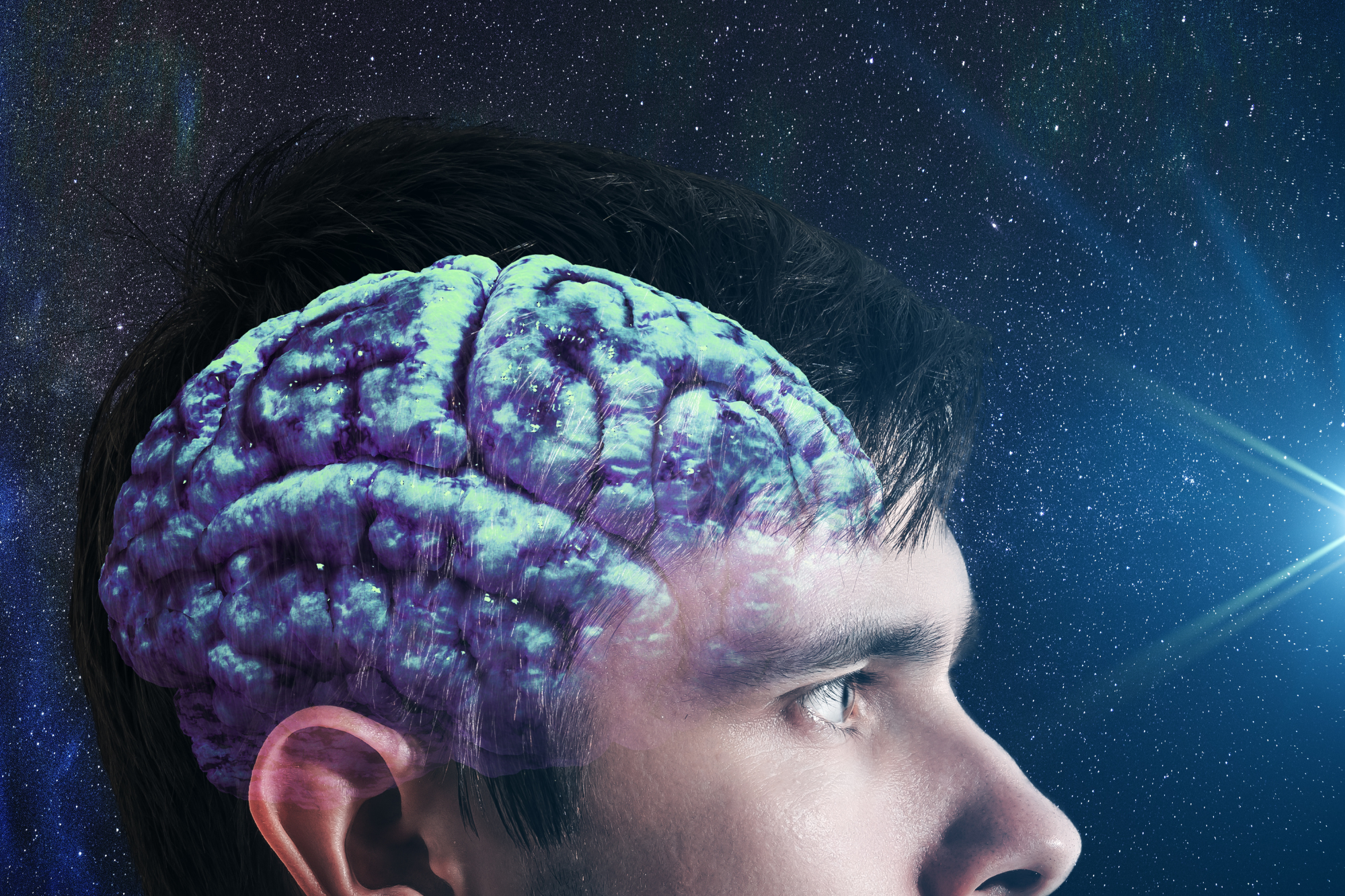
Memory is often thought of as a reliable playback of the past, yet it is far from an exact record. Each recall reconstructs rather than reproduces experiences, influenced by emotions, repeated remembrance, and even suggestions from others. These factors combine to shape how we perceive our histories, reminding us that what we remember is a blend of fact, feeling, and imagination, rather than a fixed snapshot of reality.
1. Memories are reconstructive, not exact recordings of events.

Our minds actively reconstruct memories each time we recall them, piecing together details rather than playing back exact recordings. This reconstructive process, akin to editing a film, means our memories are malleable and susceptible to changes over time.
While we might assume our memories are reliable, they can transform subtly or dramatically with each recall. This can lead to misremembering key details, influencing our perception of past events and giving rise to inconsistencies when the same memory is recounted later.
2. Emotional intensity greatly influences how vividly we recall moments.

Emotions act like highlighters that emphasize certain moments in our memory. Intense emotions can create vivid memories that seem as real as the day they happened—a first love, perhaps, or the sight of a childhood home.
However, the emotion-fueled clarity of these memories can be misleading. The emotional charge might amplify details or alter them, tethering our recollections to how we felt more than the precise facts of what occurred, leaving room for discrepancies.
3. Repeated recall can subtly alter details of our memories.

Recall is not passive; it reshapes our memories each time we bring an event to mind. Like a sketch that changes with every pencil stroke, repeatedly remembering a moment can introduce new or altered details.
Over time, frequently recalled memories may evolve to the point where they diverge significantly from the original experience. This subtle shifting poses challenges for relying on memory as it highlights how easily our recollections can be modified by mere repetition.
4. The brain stores different types of memories in separate areas.
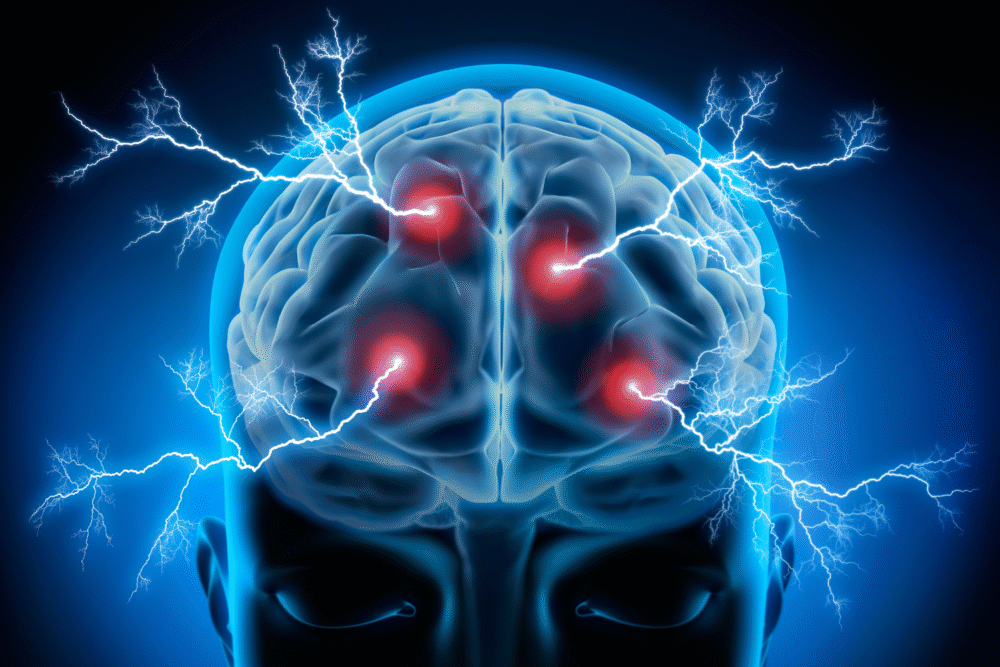
Memories do not congregate in a single part of the brain but are stored in different regions based on their type. Episodic memories, like a festive holiday, are distinct from procedural memories, such as riding a bike.
This segmentation allows the brain to efficiently process various kinds of memory, like phone numbers or a familiar scent, though it can also lead to uneven ability in retrieval, complicating how we access and relate our stored experiences as we need them.
5. Smells and sounds can trigger unexpected and powerful memory flashbacks.

Sensory experiences, such as a familiar smell or sound, can evoke sudden, vivid memories. The scent of freshly baked cookies might whisk you back to a childhood kitchen more swiftly than an old photograph.
The seemingly magical connection between senses and memory illustrates the brain’s intricate wiring, where certain stimuli can serve as powerful triggers. These sensory cues do not just recall memories; they can also elicit the associated emotions with striking intensity.
6. False memories can form just as strongly as real ones.

False memories can feel just as real as true ones, blending seamlessly with actual events in our minds. An imagined detail might become entwined with a childhood memory, intertwining fantasy and reality.
Such vivid but inaccurate memories highlight the brain’s openness to suggestion and error, reminding us to tread carefully when differentiating between what genuinely happened and what has possibly been embellished or mistakenly constructed over time.
7. Memories can be influenced by suggestions from other people.

Just a single suggestion can alter our memories, even if unintentionally. Friend’s comments might lead us to ‘remember’ events that never occurred, as if a seed of doubt sprouted shades of fiction within our recall.
Once integrated, these subtle influences can shape how the past is perceived, spotlighting the vulnerability of our memories and the need for awareness about how easily outsiders can sway our recollections, intentionally or not.
8. Sleep plays a critical role in consolidating what we remember.

Sleep is fundamental in solidifying and organizing our memories. During deep sleep, the brain actively consolidates information, tucking away useful facts and experiences like a librarian shelving books.
Lack of quality sleep can disrupt this valuable process, leaving memories jumbled or fragmented, demonstrating just how essential restful slumber is for maintaining a coherent record of our daily interactions and learning.
9. Our personal biases shape how we interpret and remember the past.

Our biases act like filters, affecting the way we encode and later retrieve memories. Preconceptions and expectations tint past events with subjective interpretation, making two people’s memories of the same moment diverge.
This filtering highlights how malleable and individualized memory can be, as each person’s unique perspective and internal narrative shape the story they tell themselves about their lived experiences, blending impartial observation with personal meaning.
10. Aging affects memory retrieval more than the ability to learn new things.

As people age, retrieving stored memories often presents more difficulty than acquiring new ones. While their vocabulary might grow, pulling a name from the past may take more time, similar to finding a buried photograph.
The brain’s plasticity endows it with ongoing learning regardless of age, but the fading sharpness of memory retrieval suggests a shifting balance, where remembering and learning dance to the changing cadence of neural rhythms as the years pass.
11. Stress hormones can impair the formation and recall of memories.

Stress hormones, like cortisol, surge during tense moments, impeding memory formation and recall. An argument might result in a foggy recollection, as if peering through frosted glass at the past.
These biochemical influences highlight the vulnerability of our memory processes, particularly during times of acute stress. Stress not only shutters the memory-making machinery but also complicates the retrieval of vital information during future instances of pressure.
12. Vivid memories often combine real and imagined elements seamlessly.

Vivid memories seamlessly intertwine real and imagined elements, creating a tapestry woven with both truth and invention. Capturing the exact nuances of a sunlit beach day, for example, might mix accurate light and fabricated sounds.
Such intricate blending underscores the creative nature of our memory system, where imagination stitches together impressions into a coherent story—one that may not always faithfully represent the experience but serves our narrative needs, mixing actuality with fantasy.