The Ancient American Pit-Dwelling Culture Archaeologists Still Can’t Fully Explain

Archaeologists are still trying to understand how a thriving desert culture emerged — and why it vanished.
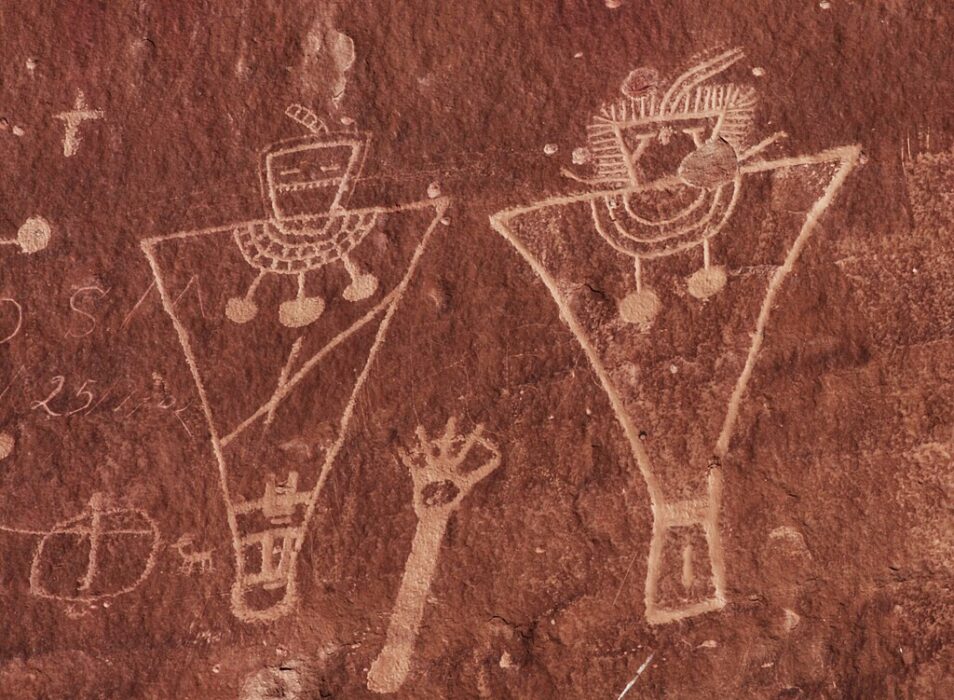
©Image license via Wikimedia Commons

Long before European settlers reached the American West, a mysterious people thrived across Utah’s deserts and canyonlands. Known today as the Fremont culture, they built semi-underground pit houses, left behind haunting rock art, and lived between two worlds — hunting wild game while cultivating crops like corn and beans. Yet by around A.D. 1300, they were gone, their villages abandoned and their way of life erased. Archaeologists have unearthed thousands of clues but no definitive answers. Who were the Fremont, and what caused one of North America’s strangest prehistoric disappearances?
Read more

Could the Next Hurricane Be So Powerful It Needs a Whole New Category?

As monster storms grow stronger, scientists say the hurricane scale may no longer capture their true danger.

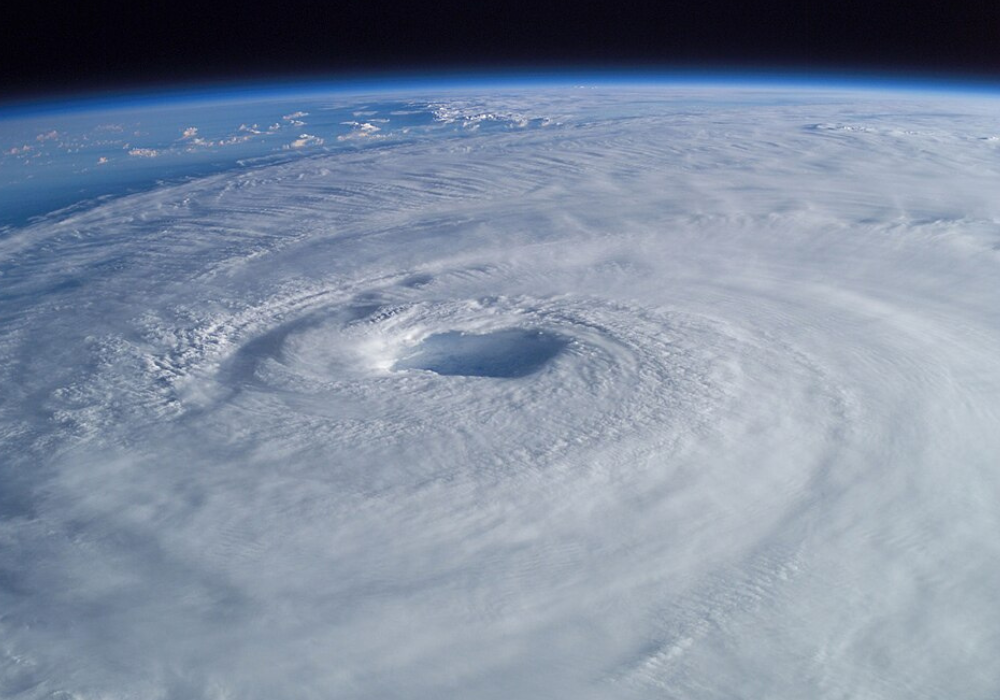
©Image license via Wikimedia Commons

For decades, the Saffir–Simpson scale has defined hurricane strength, with Category 5 representing the most extreme storms on Earth. But researchers now say that may no longer be enough. With ocean temperatures rising and storms like Hurricane Melissa reaching record-shattering wind speeds, experts are debating whether it’s time to add a Category 6. Such a move would acknowledge a sobering reality: today’s strongest hurricanes are surpassing the limits of what the current scale was designed to measure. The question isn’t just scientific — it’s about how we prepare for a future of ever-more powerful storms.

Read more

Think You Can Just Cut Off the Mold on Food? Science Says It’s Not Always That Simple

Experts say cutting off the fuzzy part doesn’t always make food safe — here’s what science actually shows.

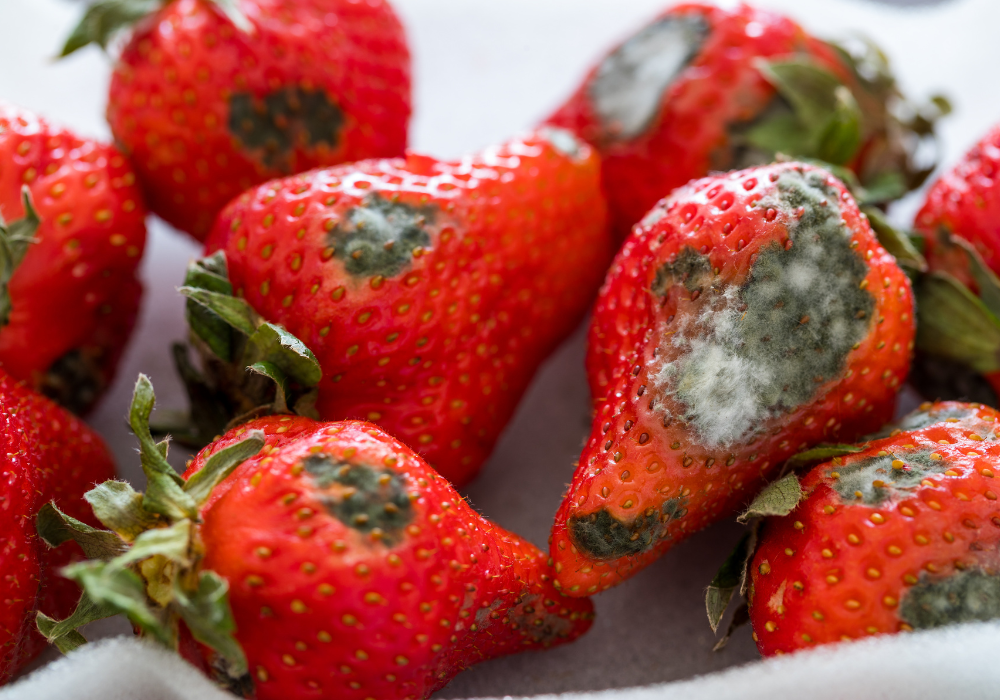
©Image license via Canva

When you spot a patch of mold on bread, fruit, or cheese, it’s tempting to just slice it off and keep eating. But toxicologists say that’s not always safe — and in some cases, it can be downright dangerous. Mold doesn’t just grow on the surface; its roots can spread deep into food, carrying invisible toxins. A new Live Science interview explains which foods are fine to salvage and which are better off in the trash.

Read more

Killer Whales Are Now Hunting Great White Sharks Off Mexico’s Coast

Marine scientists captured rare footage of orcas attacking and killing great white sharks near Mexico’s Baja coast.

©Image license via Canva

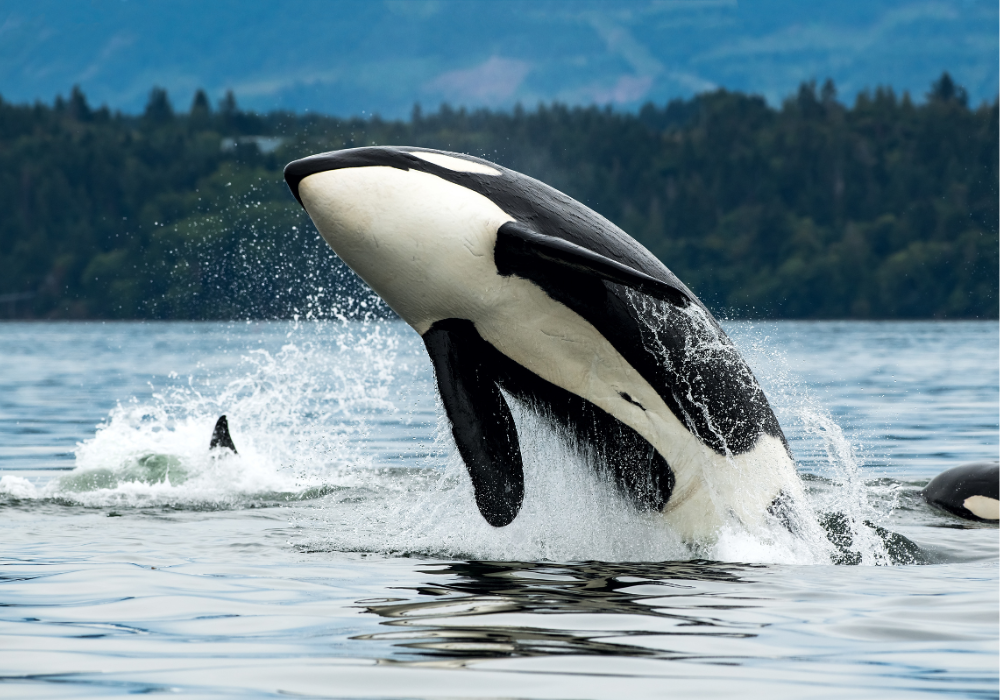
In a stunning display of marine dominance, killer whales have been filmed hunting and killing great white sharks off Mexico’s Baja California coast. Drone footage and tracking data confirmed that a group of orcas worked together to overpower the sharks, flipping them upside down to induce paralysis before feeding on their organs. Researchers say it’s the first verified evidence of such attacks in Mexican waters, signaling a remarkable shift in the ocean’s hierarchy of apex predators.

Read more

Volunteers Agreed to Be Buried Face Down in the Snow — What Scientists Learned Could Save Lives

In a daring Arctic experiment, researchers uncovered a breakthrough that could change how we survive avalanches.

©Image license via Canva

At first glance, it sounds like a stunt no one would agree to — being buried face-down beneath layers of snow for science. But for a team of researchers in Italy, this extreme experiment could hold the key to saving lives in one of nature’s deadliest scenarios. Equipped with specialized monitoring gear, volunteers were completely submerged in snow while scientists measured their oxygen levels and breathing patterns. What the team discovered beneath the ice could revolutionize winter survival — offering new hope for those trapped when the snow itself becomes the enemy.

Read more

If Your Car Sinks Into Water, You Have Less Than a Minute to Survive — Here’s What to Do

Experts say panic kills faster than water — knowing these steps could mean the difference between life and death.

©Image license via Wikimedia Commons

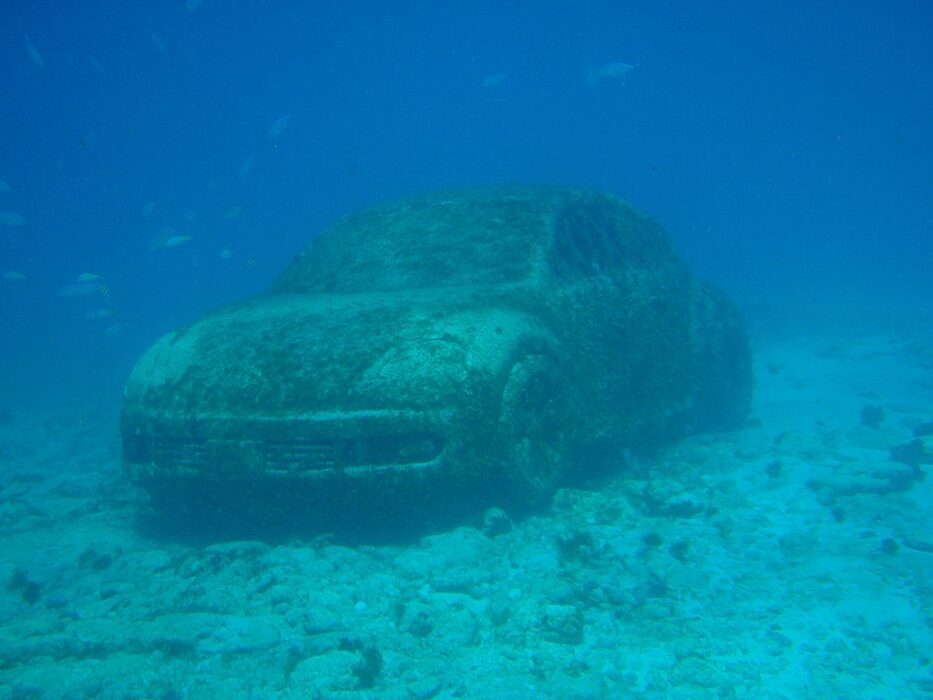
It’s one of the most terrifying scenarios a driver can face — your car plunges into water, the doors won’t open, and the cabin starts to fill. Experts say most people freeze or make fatal mistakes in those first few seconds. But survival depends entirely on speed and clarity. Water pressure builds fast, and once the car is submerged, escape becomes nearly impossible. Rescue professionals warn that you have less than a minute to act. The key is knowing exactly what to do — and doing it before panic takes control.

Read more

Did a Grand Canyon Ranger Uncover Something the Smithsonian Has Denied for Decades?

A new discovery in the Grand Canyon has revived one of America’s oldest and most puzzling historical mysteries.

©Image license via PickPik

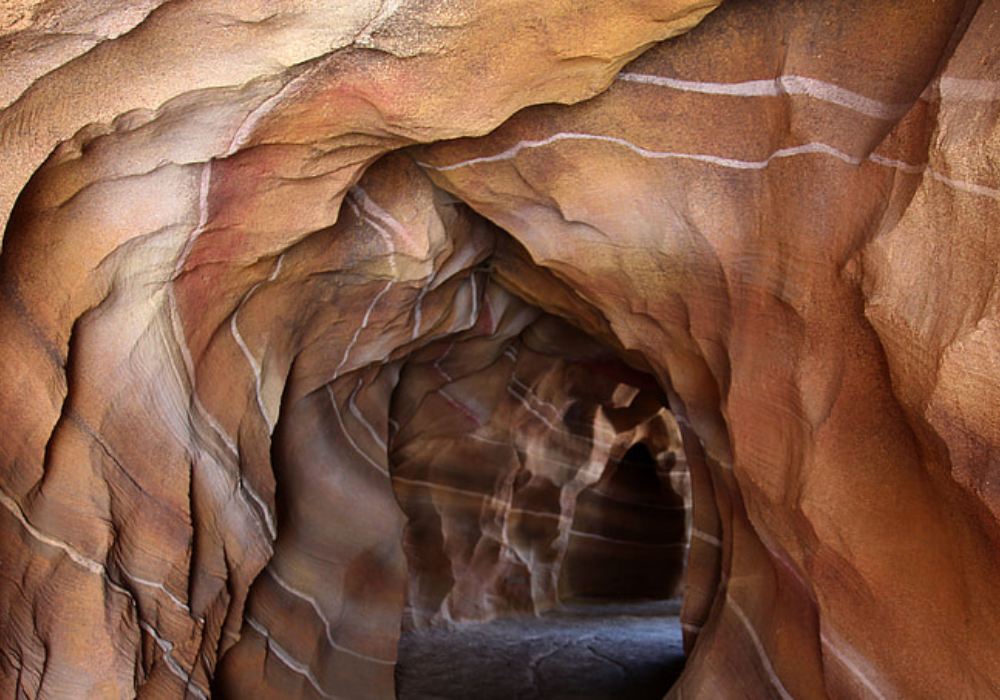
A Grand Canyon park ranger claims to have uncovered evidence linked to a century-old Smithsonian controversy that has long fascinated historians and conspiracy theorists alike. The find allegedly connects to reports from the early 1900s describing hidden chambers filled with ancient artifacts — discoveries the Smithsonian has repeatedly denied. Now, new details are reigniting debate over whether the story was myth, misunderstanding, or something the museum never wanted the public to know.

Read more

Climate Change Is Literally Changing the Length of Earth’s Day

Scientists say melting glaciers are shifting Earth’s mass, subtly changing how fast the planet spins.

©Image license via Canva

Earth’s rotation isn’t as steady as it seems — and climate change is partly to blame. New research shows that the rapid melting of glaciers is redistributing the planet’s mass, slightly altering its spin. As polar ice turns to water and flows toward the equator, Earth’s rotation slows by fractions of a millisecond each year. Though tiny, these changes can affect global timekeeping and satellite navigation, revealing how deeply climate change is reshaping our planet’s physical balance.

Read more

People Who Died and Came Back Describe What They Saw on the Other Side

From peaceful light to total darkness, survivors describe what they experienced after their hearts stopped.

©Image license via Canva

It’s one of humanity’s deepest questions — what happens when we die? People who have briefly crossed that line and returned say the experience is nothing like what they expected. Some recall overwhelming peace or bright light, while others describe darkness, confusion, or vivid sensations of leaving their bodies. Doctors call these “near-death experiences,” and while science has theories, no one fully understands why they feel so real. Here’s what those who’ve died — and come back — remember most.

Read more

The Earth Is Approaching a Climate “Point of No Return,” Scientists Say

New data show greenhouse gases are rising faster than expected, pushing Earth toward a critical warming limit.

©Image license via Canva

Scientists are warning that the buildup of greenhouse gases in Earth’s atmosphere is accelerating at an alarming pace, bringing the planet closer to a key climate threshold. New data from the World Meteorological Organization and NOAA reveal record-high concentrations of carbon dioxide, methane, and nitrous oxide in 2024. Experts say these levels could soon lock in global warming above 1.5 °C — a tipping point that would make many extreme weather events far more frequent and severe.

Read more