
Marine scientists captured rare footage of orcas attacking and killing great white sharks near Mexico’s Baja coast.
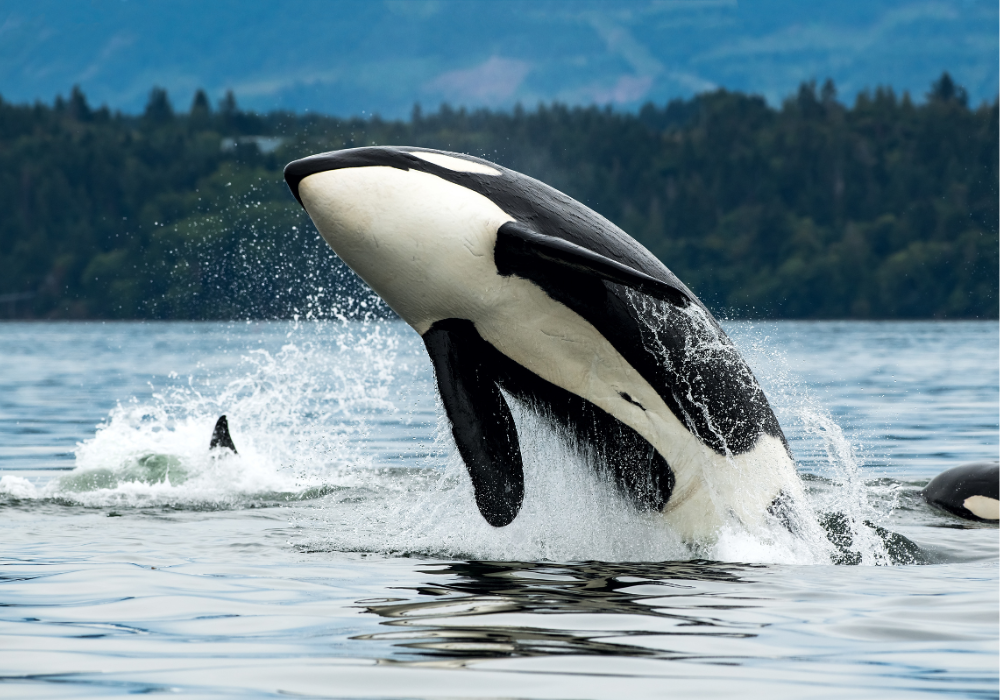
In a stunning display of marine dominance, killer whales have been filmed hunting and killing great white sharks off Mexico’s Baja California coast. Drone footage and tracking data confirmed that a group of orcas worked together to overpower the sharks, flipping them upside down to induce paralysis before feeding on their organs. Researchers say it’s the first verified evidence of such attacks in Mexican waters, signaling a remarkable shift in the ocean’s hierarchy of apex predators.
1. Killer Whales Caught on Camera Hunting Great White Sharks
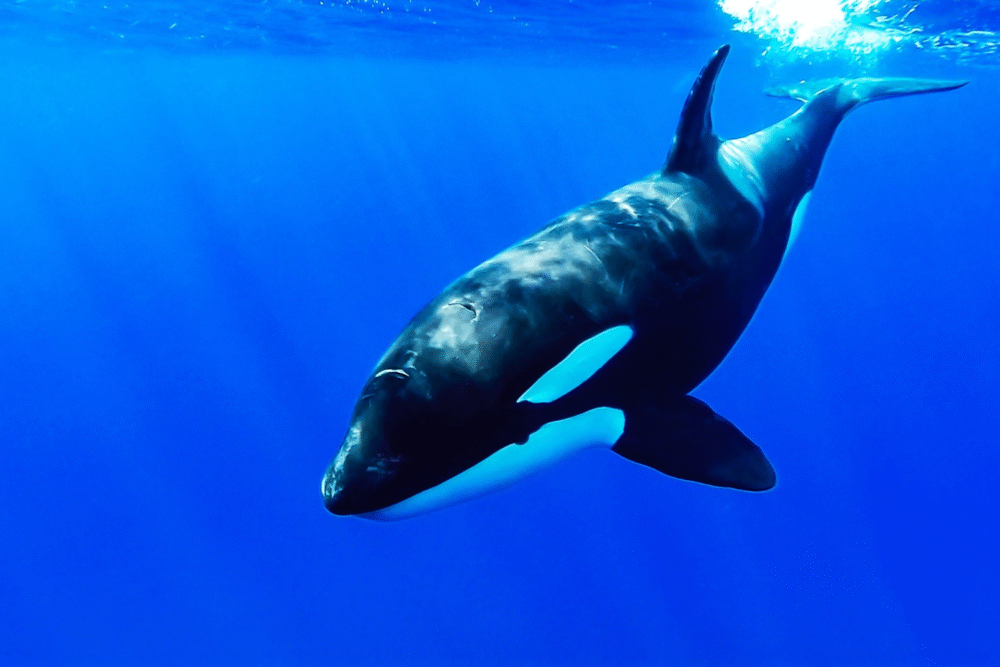
For the first time in Mexican waters, researchers have recorded killer whales attacking and killing great white sharks. Drone footage captured a coordinated assault near Baja California, showing orcas circling, flipping, and immobilizing their massive prey.
Scientists say the video provides some of the clearest evidence yet that killer whales are now targeting great whites far beyond South Africa, where similar incidents were first documented.
2. The Attack Happened Off Mexico’s Baja California Coast
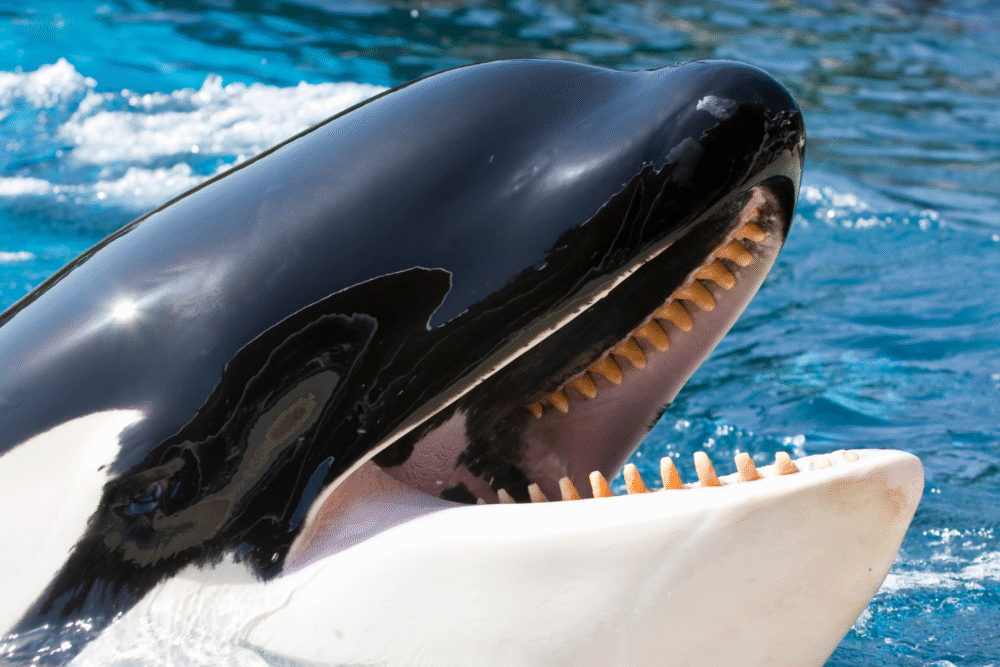
The encounter took place near Guadalupe Island, a hotspot for great white sharks that attracts divers and scientists from around the world. In recent years, the island’s shark population has mysteriously declined, puzzling marine biologists.
Now, evidence from this attack helps explain why. A small group of orcas appears to be moving into the region, changing local predator dynamics and driving great whites away from their traditional hunting grounds.
3. The Orcas Worked Together With Precision and Strategy
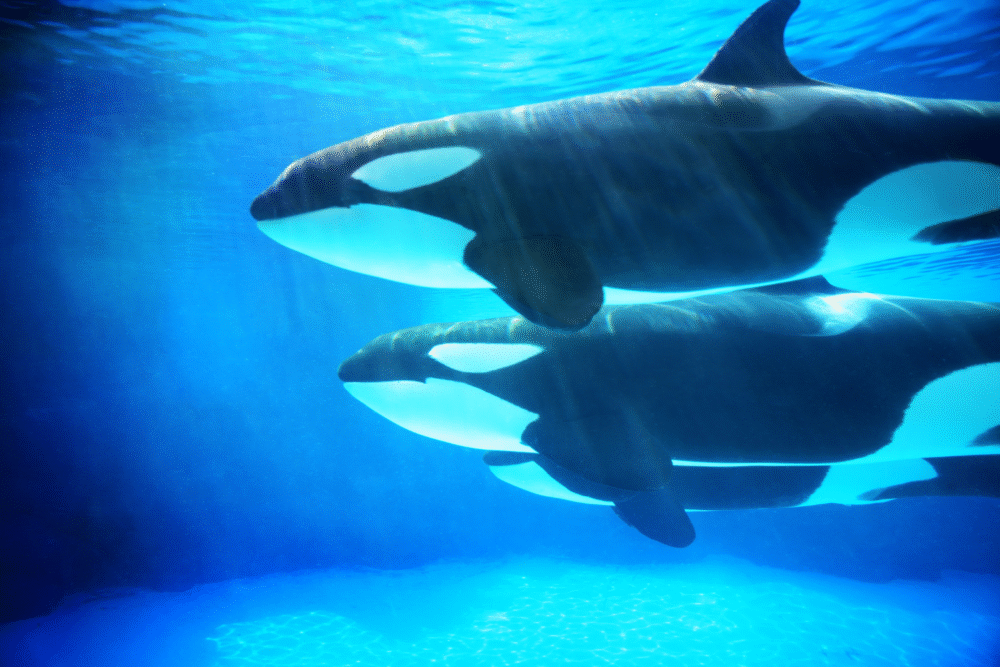
Researchers say the attack demonstrated complex teamwork among the orcas. The whales surrounded the shark, flipped it onto its back, and held it motionless — a technique that induces a temporary paralysis known as tonic immobility.
This level of coordination suggests a learned behavior, not a random act of aggression. It shows that killer whales can adapt hunting strategies to overpower even one of the ocean’s most feared predators.
4. Scientists Say the Orcas Targeted the Shark’s Liver
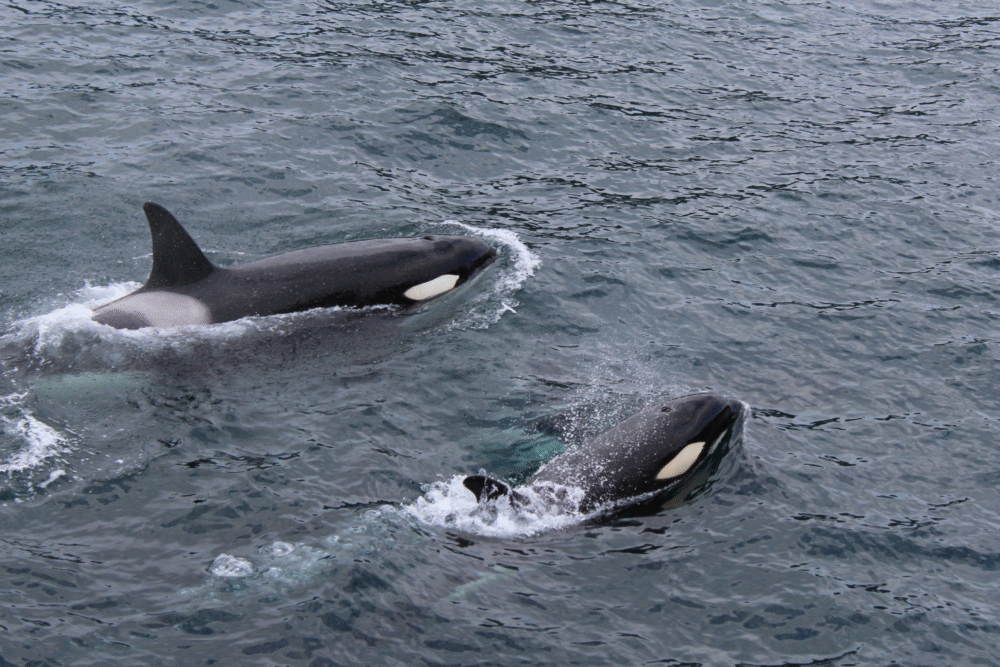
After immobilizing the shark, the orcas extracted and consumed its liver — a nutrient-rich organ packed with fats and energy. This same pattern has been observed in South African waters, where orcas have learned to remove shark livers with near-surgical precision.
Experts believe these specialized feeding habits point to remarkable intelligence and memory, allowing the whales to refine techniques that maximize reward while minimizing risk.
5. Great White Sharks Are Fleeing Traditional Habitats
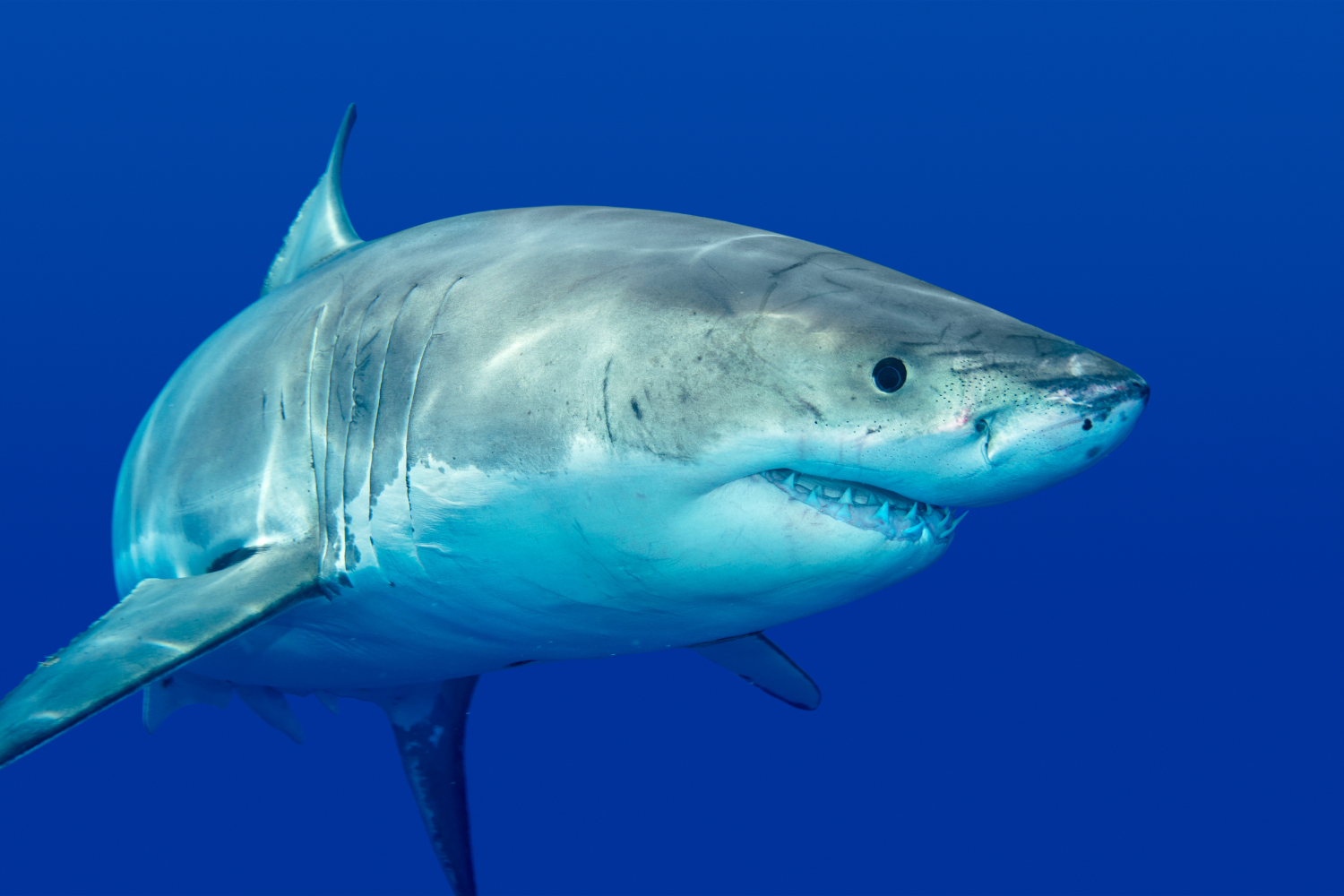
Following similar attacks elsewhere, shark researchers noticed a sharp drop in great white sightings. In South Africa, shark numbers near Gansbaai plummeted after orcas began hunting them.
A comparable pattern may now be emerging off Mexico. Tracking data suggest that great whites are avoiding regions frequented by orcas, a possible sign of large-scale behavioral adaptation driven by predation pressure.
6. Orcas Have Become Apex Predators Among Apex Predators
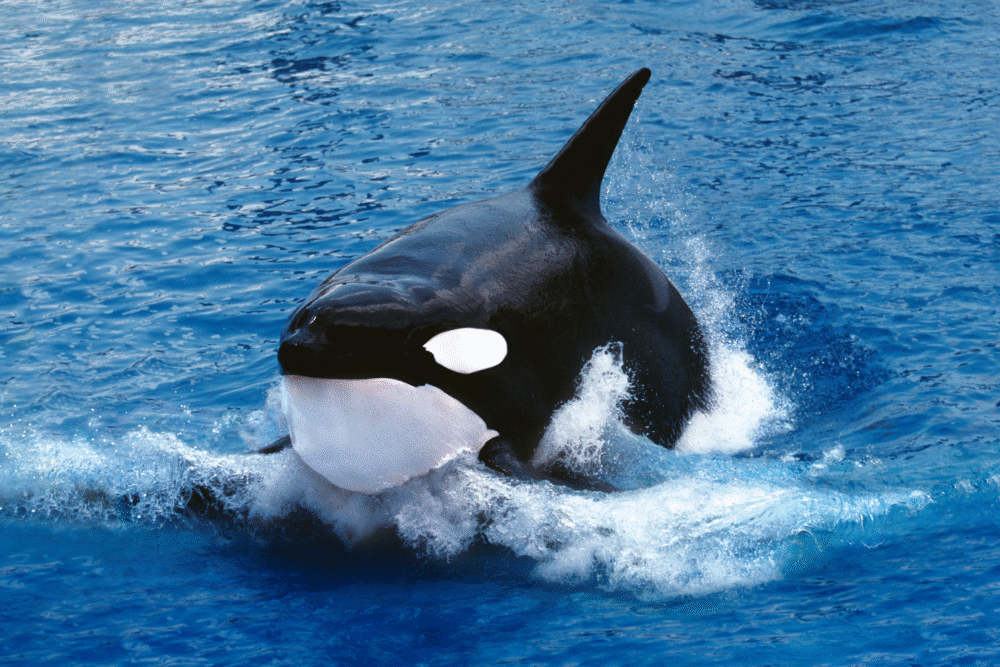
Killer whales already top the marine food chain, but this discovery solidifies their dominance even further. While great whites have long been viewed as the ocean’s ultimate predators, orcas’ intelligence, size, and teamwork give them the upper hand.
By successfully preying on great whites, these whales demonstrate a rare case of one apex predator decisively overpowering another — a dynamic that could reshape entire marine ecosystems.
7. The Attacks Could Affect Shark Tourism and Local Ecosystems
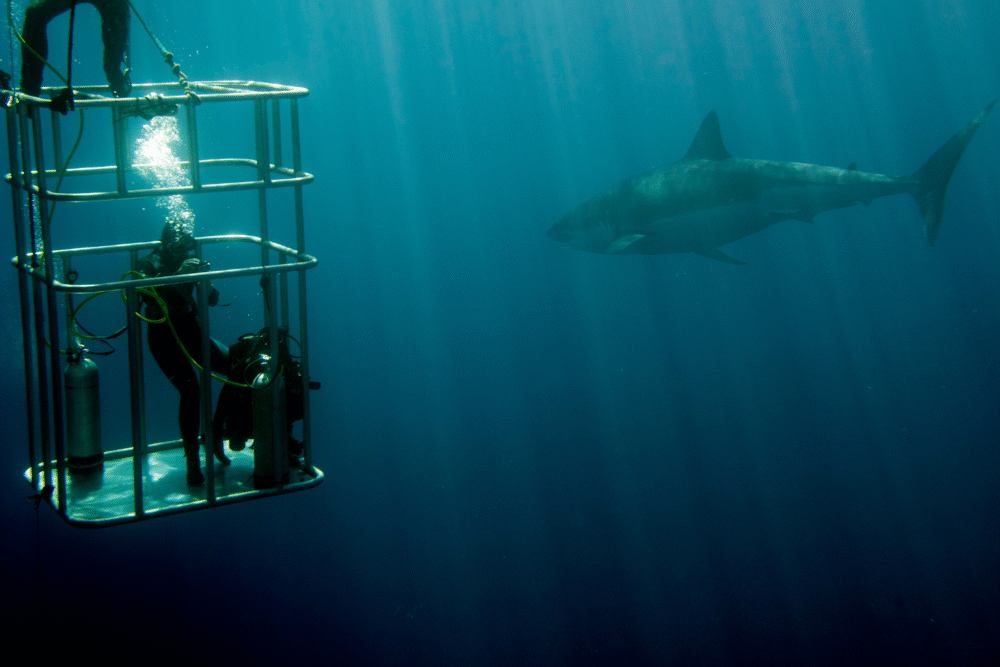
Guadalupe Island’s seasonal influx of great white sharks supports a thriving ecotourism industry. If the sharks continue to abandon the area, local economies could suffer — and so could the ecosystem’s balance.
Sharks play a vital role in maintaining ocean health by controlling prey populations. Their absence could trigger cascading changes in fish and seal behavior, ultimately influencing the entire coastal food web.
8. The Behavior Mirrors Attacks Seen in South Africa
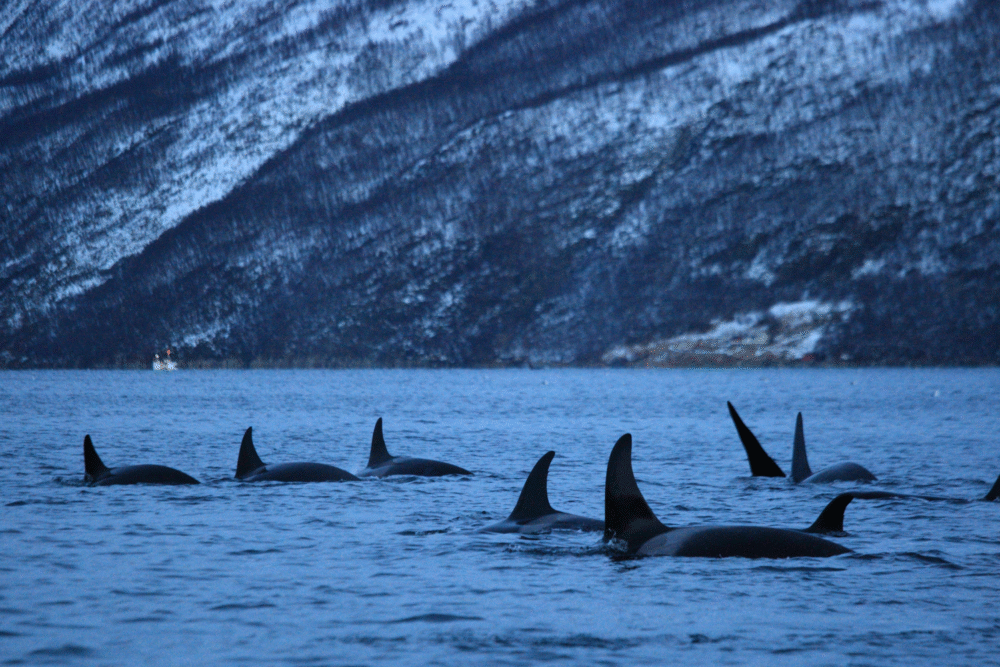
Marine scientists immediately recognized similarities between the Baja footage and earlier orca attacks in South African waters. In both cases, small groups of killer whales were observed using the same coordinated techniques and feeding exclusively on shark livers.
The parallel behavior suggests that this hunting strategy is spreading — possibly shared between orca groups through social learning, a sign of sophisticated cultural transmission in marine mammals.
9. Researchers Believe the Orcas Are Learning From One Another
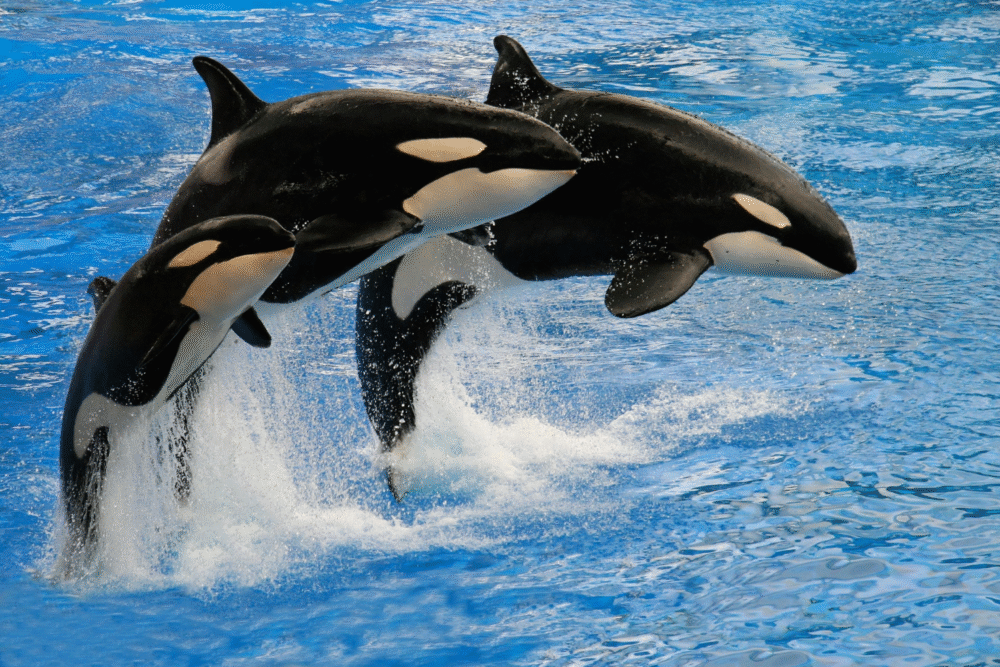
Killer whales are known for passing knowledge across generations. Scientists studying this population suspect the hunting method may have been taught or observed between pods.
This social learning would explain how geographically distant orca groups developed identical tactics. It also supports growing evidence that cultural behavior — not just instinct — plays a central role in how these predators survive and evolve.
10. Great White Sharks May Be Adapting to Avoid the New Threat
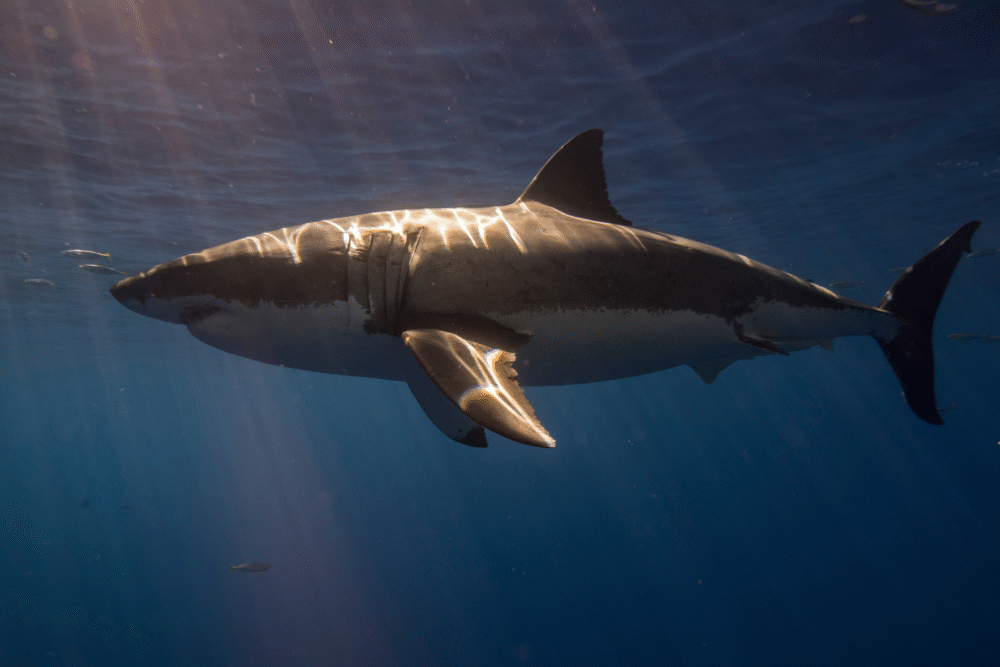
While great whites have few natural enemies, these orca attacks may be forcing them to migrate or alter their behavior. Researchers tracking tagged sharks found that some left the region for months after sensing orcas nearby.
This avoidance behavior shows how even top predators must adapt when faced with a smarter, more coordinated rival — proof that the balance of ocean power is shifting in real time.
11. Scientists Say the Footage Redefines Ocean Predator Hierarchies
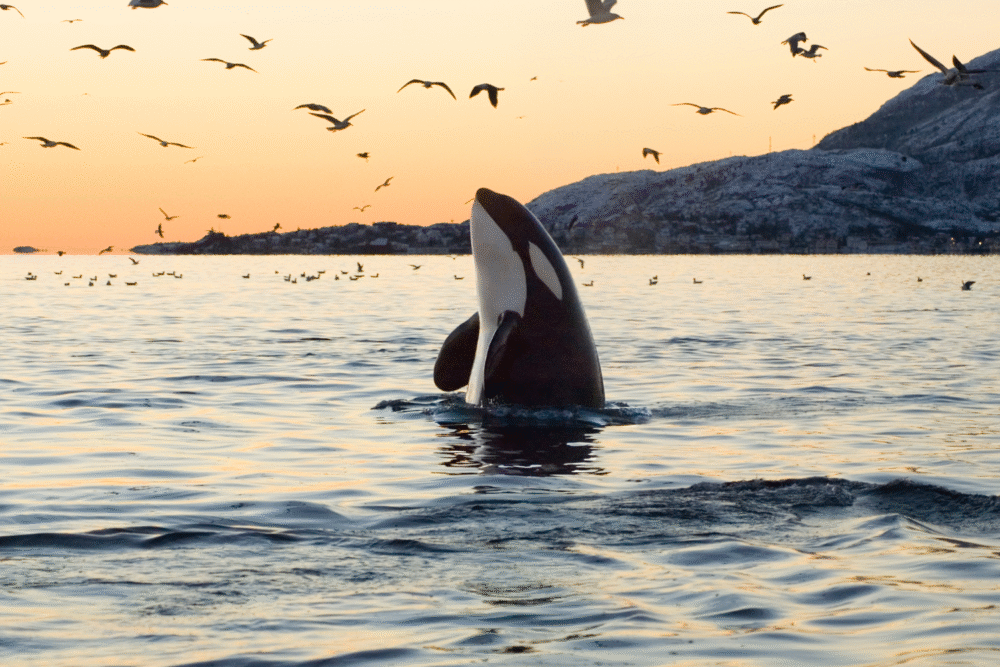
The Baja attack gives researchers a rare glimpse into a natural event once thought impossible: killer whales overpowering great white sharks. It challenges long-held assumptions about which species truly rules the sea.
As studies continue, scientists hope the discovery will deepen understanding of predator intelligence, cooperation, and adaptation — revealing that even in the vast ocean, the survival game never stops evolving.