
New data show greenhouse gases are rising faster than expected, pushing Earth toward a critical warming limit.

Scientists are warning that the buildup of greenhouse gases in Earth’s atmosphere is accelerating at an alarming pace, bringing the planet closer to a key climate threshold. New data from the World Meteorological Organization and NOAA reveal record-high concentrations of carbon dioxide, methane, and nitrous oxide in 2024. Experts say these levels could soon lock in global warming above 1.5 °C — a tipping point that would make many extreme weather events far more frequent and severe.
1. Greenhouse Gas Levels Just Reached Record Highs
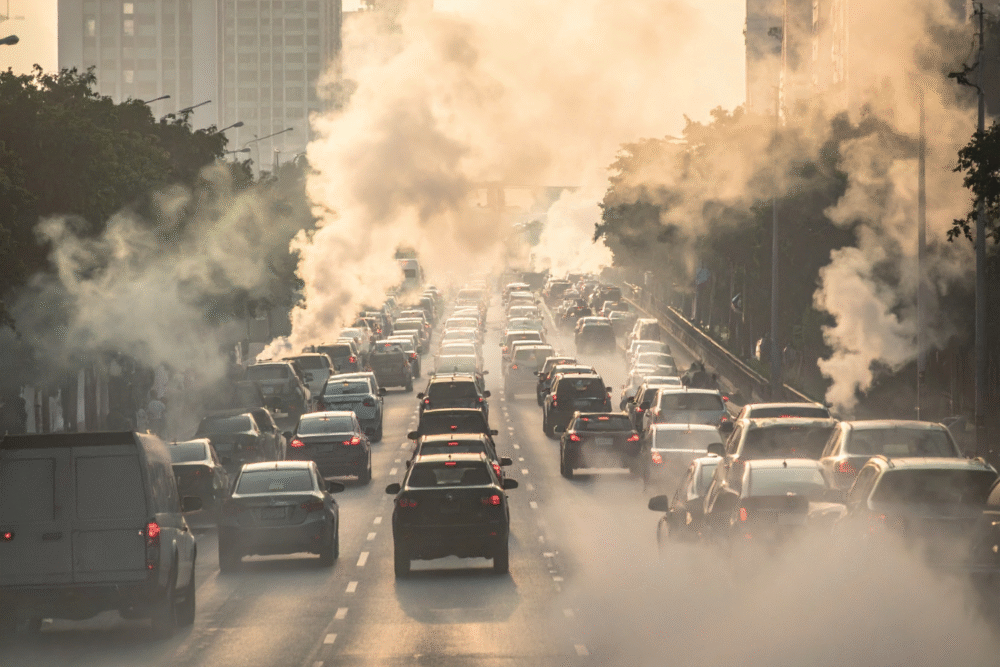
Scientists report that concentrations of carbon dioxide, methane, and nitrous oxide in Earth’s atmosphere are now the highest ever recorded. Data from the World Meteorological Organization (WMO) and NOAA show a sharp rise during 2024, reversing any brief slowdowns seen during the pandemic years.
This rapid increase means greenhouse gases are accumulating faster than ecosystems and oceans can absorb them. The result is a stronger heat-trapping effect that accelerates global warming and destabilizes weather patterns worldwide.
2. Carbon Dioxide Remains the Primary Driver of Warming
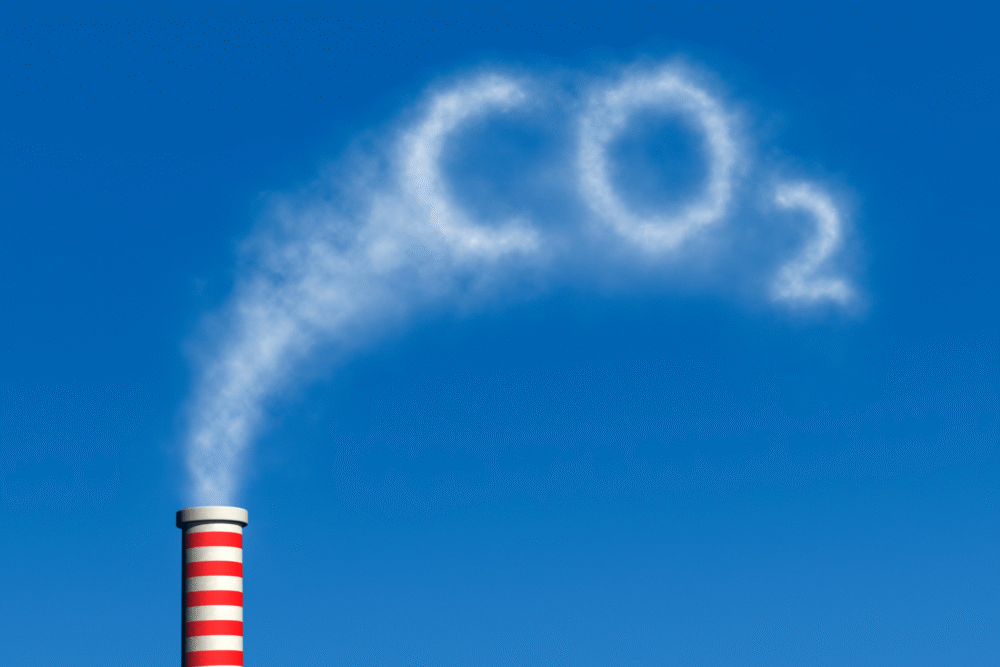
Carbon dioxide accounts for roughly three-quarters of global greenhouse gas emissions, and its concentration reached 423 parts per million in 2024 — levels not seen in millions of years. Much of it comes from burning fossil fuels such as coal, oil, and natural gas.
Because CO₂ stays in the atmosphere for centuries, today’s emissions will continue heating the planet long after they’re released. Scientists warn that reducing carbon output must remain the top priority.
3. Methane Is Rising Faster Than Expected
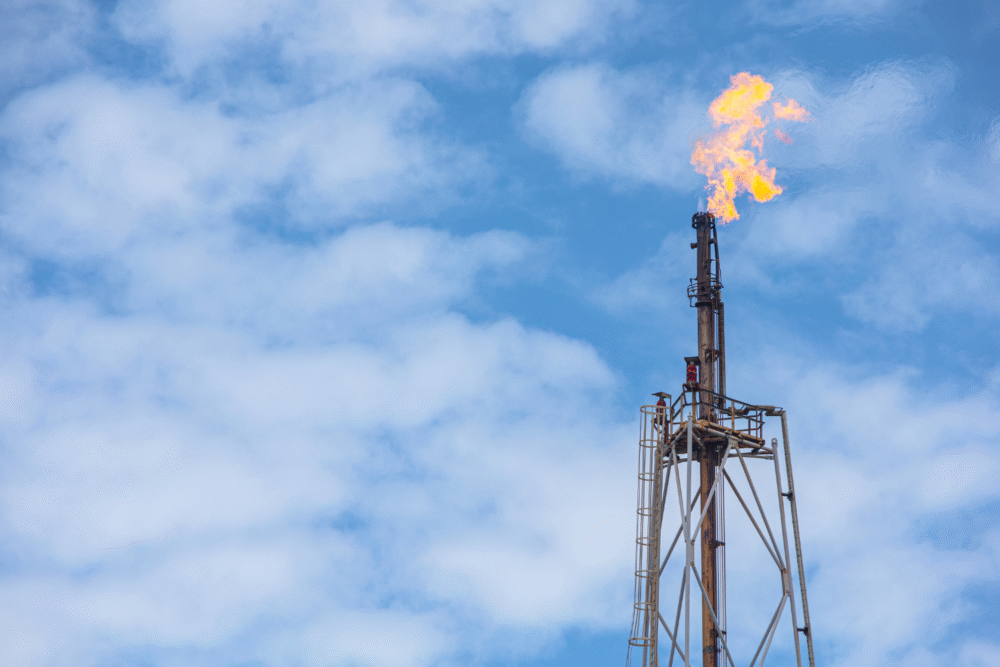
Methane, a greenhouse gas more than 25 times more potent than carbon dioxide over 100 years, has been increasing at record rates. Major sources include agriculture, landfills, and leaks from oil and gas operations.
Atmospheric monitoring stations show methane levels are rising faster than scientific models predicted. Experts say curbing these emissions quickly could deliver one of the fastest ways to slow short-term global warming.
4. Nitrous Oxide Is Quietly Contributing to the Crisis
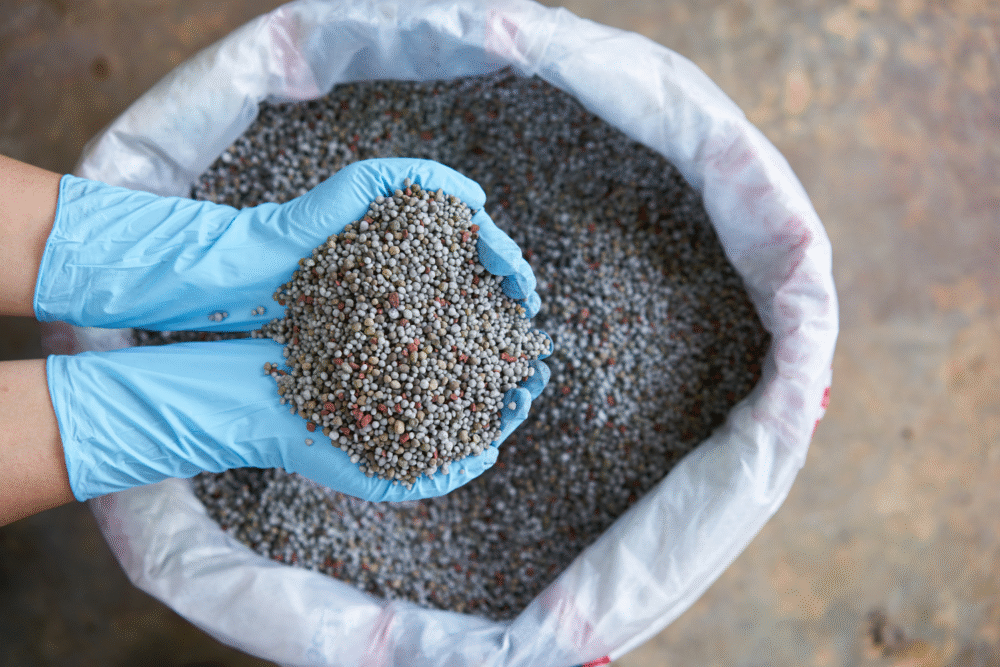
While less discussed, nitrous oxide (N₂O) — mainly from fertilizers and livestock waste — is the third most important long-lived greenhouse gas. It’s nearly 300 times more powerful than carbon dioxide per molecule and also depletes the ozone layer.
Researchers say nitrous oxide levels hit new highs in 2024, driven by industrial agriculture and poor soil management. Limiting its rise will require new farming practices and reduced dependence on synthetic fertilizers.
5. The Planet Is Now on Track to Exceed the 1.5 °C Target
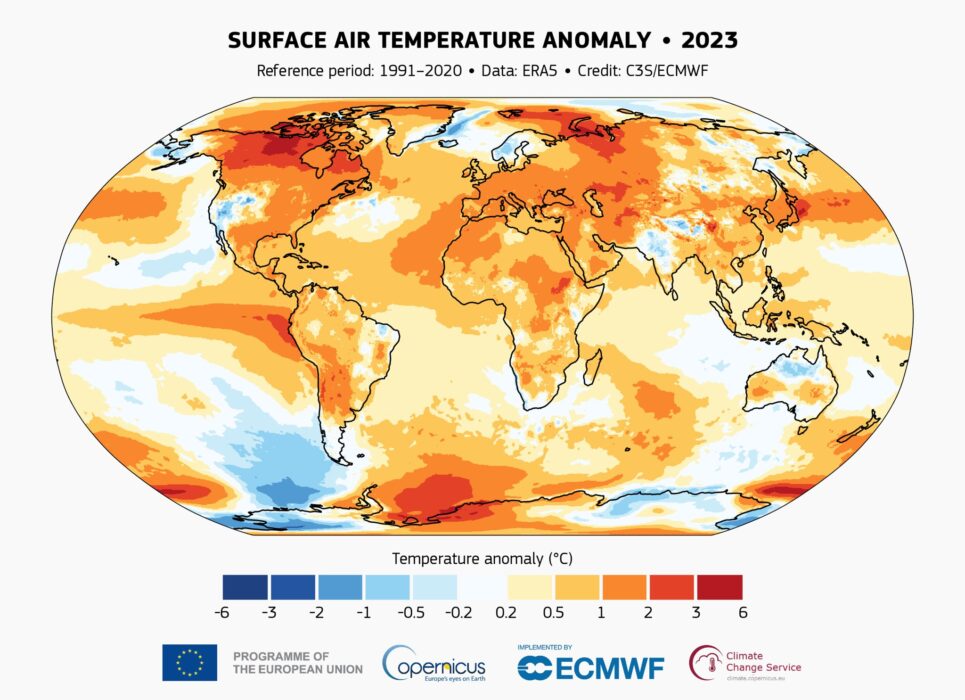
The 2015 Paris Agreement aimed to keep global temperature rise below 1.5 °C above pre-industrial levels, but scientists warn we’re already nearing that mark. The WMO estimates that one of the next five years has a 50–50 chance of temporarily exceeding the threshold.
Crossing 1.5 °C doesn’t mean instant catastrophe, but it does signal the start of irreversible damage to glaciers, coral reefs, and global ecosystems that regulate climate balance.
6. Extreme Weather Is Becoming More Frequent and Severe
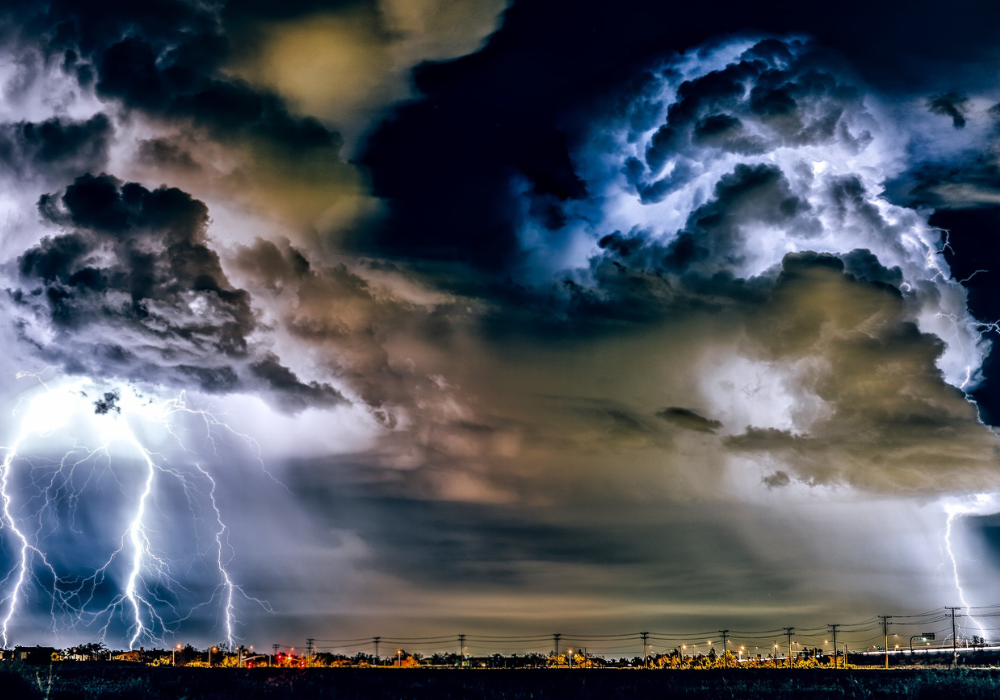
As greenhouse gases build up, the consequences are already visible. Heatwaves are lasting longer, droughts are deepening, and storms are intensifying. The summer of 2024 saw record-breaking global heat, along with devastating floods and wildfires across several continents.
Scientists say these events are clear evidence of a warming world — not isolated disasters, but connected outcomes of a destabilized atmosphere loaded with more energy and moisture.
7. Oceans Are Absorbing Record Heat — and Paying the Price

More than 90 percent of excess heat from greenhouse gases ends up in the oceans, raising sea temperatures to record highs. This contributes to coral bleaching, marine die-offs, and stronger hurricanes fueled by warm surface waters.
Warmer oceans also expand in volume, adding to global sea-level rise. Combined with melting glaciers, this process is already threatening low-lying coastal cities from Miami to Manila.
8. Polar Ice Loss Is Changing the Planet’s Balance
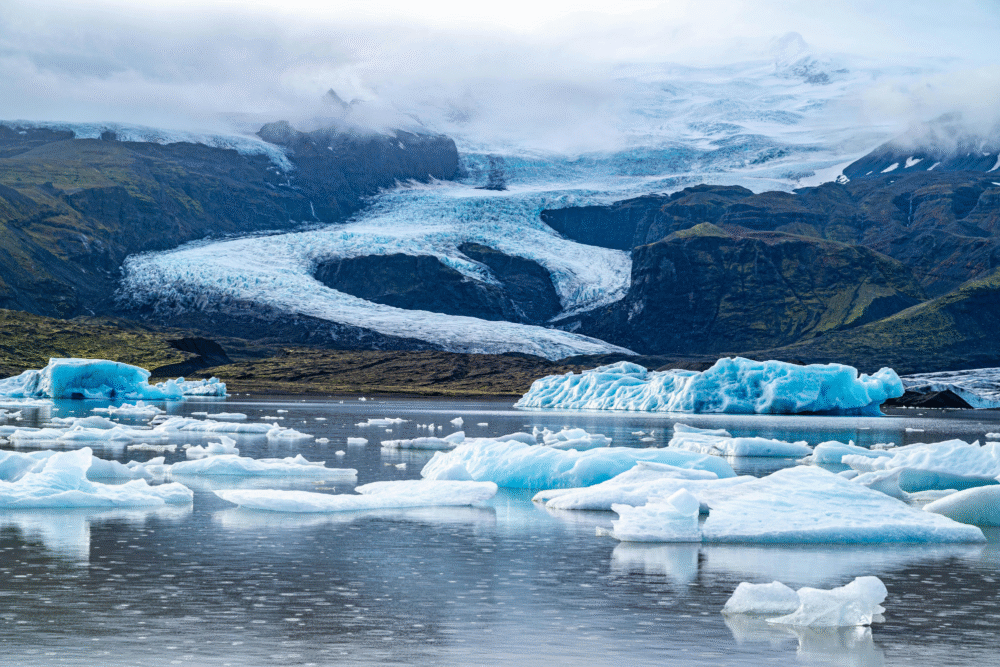
The Arctic and Antarctic are warming about four times faster than the global average. Melting ice not only raises sea levels but also reduces the planet’s ability to reflect sunlight — a phenomenon known as the albedo effect.
This creates a feedback loop: the less ice there is, the more heat the planet absorbs, and the faster it warms. Scientists say this dynamic could accelerate climate tipping points far sooner than once believed.
9. Global Emissions Are Still Rising Despite Pledges

Many nations have promised to cut emissions, yet global carbon output hit a record high in 2024. Economic growth, fossil fuel dependence, and slow adoption of renewables continue to undermine progress.
Experts stress that incremental policy changes are no longer enough. To avoid breaching critical climate thresholds, countries must transition to clean energy at an unprecedented pace and scale.
10. Scientists Say We’re Running Out of “Carbon Budget”

The carbon budget refers to the amount of CO₂ humanity can emit before surpassing the 1.5 °C target. According to the Global Carbon Project, that budget may be exhausted within the next six years if current trends continue.
Once exceeded, staying below 2 °C — the next Paris goal — becomes far more difficult. Researchers say every fraction of a degree avoided still matters for human health, biodiversity, and long-term habitability.
11. The Next Few Years Will Decide the Planet’s Future
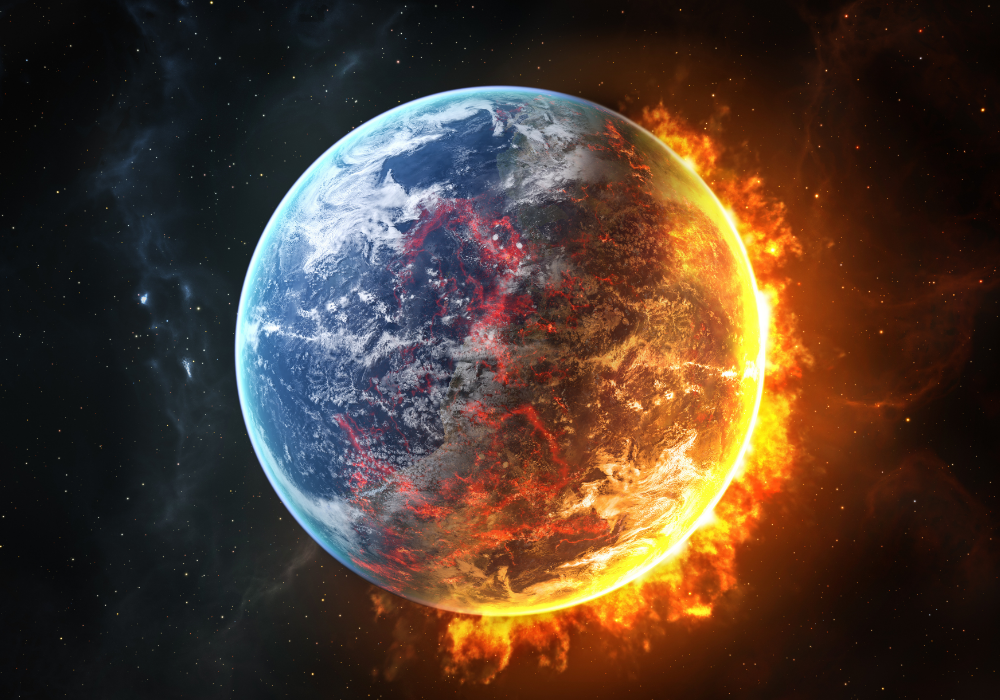
Scientists emphasize that the world still has a narrow window to act. Rapid reductions in fossil fuel use, expansion of clean technologies, and protection of forests could still prevent the worst outcomes.
But if greenhouse gas accumulation continues to accelerate, the coming decade could lock in conditions that reshape coastlines, food systems, and global stability for centuries. As one climatologist put it, “We are not just running out of time — we are reshaping it.”