Poisoned Wine at a ‘Peace Talk’: The Chilling 1623 Incident That History Almost Forgot

A brutal act of deception in colonial Virginia may represent one of the earliest recorded war crimes in North American history.

©Image license via World History Encyclopedia

In 1623, English colonists invited members of the Powhatan Confederacy to what was supposed to be a peace negotiation in Virginia. But the goodwill meeting took a horrifying turn when the colonists served poisoned wine, killing or sickening roughly 200 Native Americans. Historians now say this little-known event could be the continent’s first war crime—an early glimpse of the violent betrayal that would define centuries of Indigenous-colonial relations. Nearly 400 years later, its legacy still raises haunting questions.


Read more

Scientists Have Found a Way to Turn Deep Sea Water Into Safe Drinking Water

Innovative “sub-sea” desalination tech could pull freshwater from the ocean’s depths with far less energy.

©Image license via Chat GPT

Engineers are now tapping the deep ocean as a surprisingly efficient source of drinkable water. Using modular desalination pods placed hundreds of meters underwater, companies such as Flocean exploit natural hydrostatic pressure to help push salt out of seawater—lowering energy use by 40–50 % compared with conventional methods. While large-scale commercial deployment remains a few years off, early results suggest the deep sea may offer a scalable answer to global freshwater shortages in drought-prone regions.

Read more

Countries Are Paying Citizens to Have Babies. The Results Are Surprisingly Grim.

From Asia to Europe, billion-dollar baby bonus programs have failed to reverse plunging birth rates.

©Image license via Canva

Across the world, governments are spending billions to encourage citizens to have more children. From Japan’s cash grants to Italy’s “baby bonus” and China’s new family subsidies, countries facing population decline are offering unprecedented financial incentives. Yet birth rates continue to fall, and experts warn that money alone won’t solve the crisis. Rising living costs, long work hours, and shrinking social safety nets have made parenthood less appealing—proving that economic incentives can’t easily fix a cultural and structural problem.

Read more

99% of Plastic Comes From Fossil Fuels—And That’s a Bigger Problem Than You Think

Plastic production is now one of the fastest-growing sources of greenhouse gas emissions, linking pollution directly to Big Oil.

©Image license via Canva

Most people think of plastic as a waste problem, but its roots go much deeper—to the oil and gas industry itself. Nearly all plastic is made from fossil fuels, and as demand for gasoline declines, energy companies are doubling down on plastic production to stay profitable. The result is a surge in toxic emissions, from petrochemical plants in communities like Louisiana’s “Cancer Alley” to global ocean pollution. Experts warn that recycling alone can’t fix it—real change requires rethinking how plastic is made.

Read more

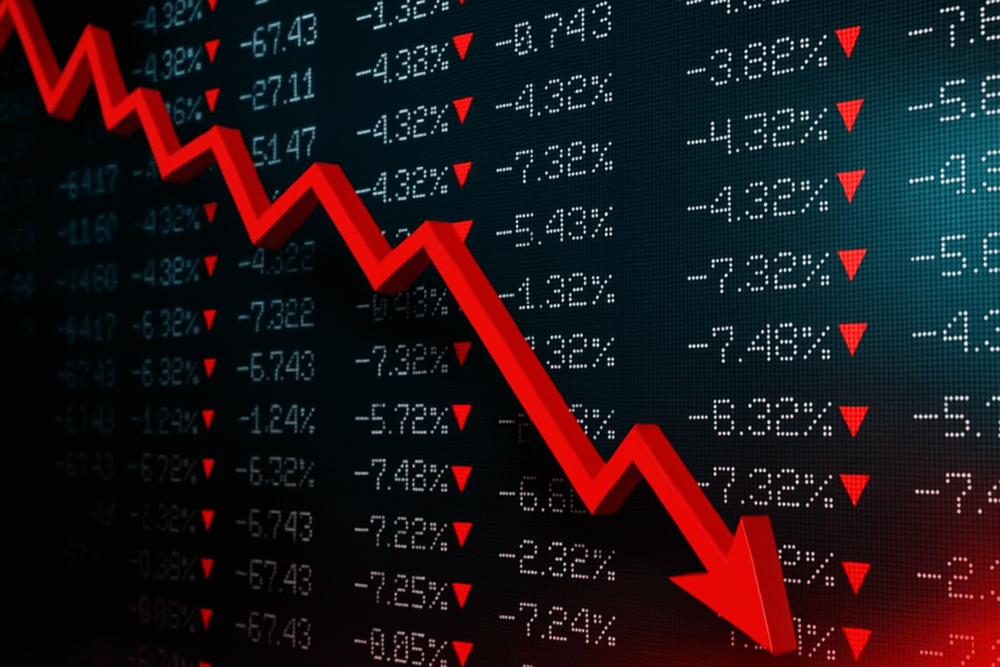
Economists Are Warning: The Global Financial System Is Reaching a Breaking Point

From mounting global debt to unstable markets, experts say the world’s financial foundations may be weaker than most people realize.

©Image license via Chat GPT

Economists around the world are growing increasingly uneasy about the state of the global economy. With record-high national debts, rising interest rates, and widening inequality, they warn that the system supporting modern prosperity is showing signs of serious strain. Global supply chains remain fragile, and inflationary pressures continue to test central banks’ limits. While no single factor guarantees collapse, experts caution that today’s interconnected financial web may be one major shock away from an economic reckoning.

Read more

Don’t Squish It: The Toxic Hammerhead Worm That Regenerates and Spreads in Texas

Experts warn Texans to steer clear of these toxic, invasive worms that can regenerate when cut in half.

©Image license via Flickr

Texas homeowners are being warned about a new creepy invader: the toxic hammerhead worm. The flatworm, native to Southeast Asia, has spread across parts of Texas after heavy rains created ideal breeding conditions. Scientists say the worms secrete a neurotoxin that can harm pets and wildlife — and they’re nearly impossible to kill. Cutting them only makes things worse, since each piece can grow into a new worm. Officials are urging residents not to touch or crush them but to report sightings to local extension offices instead.

Read more

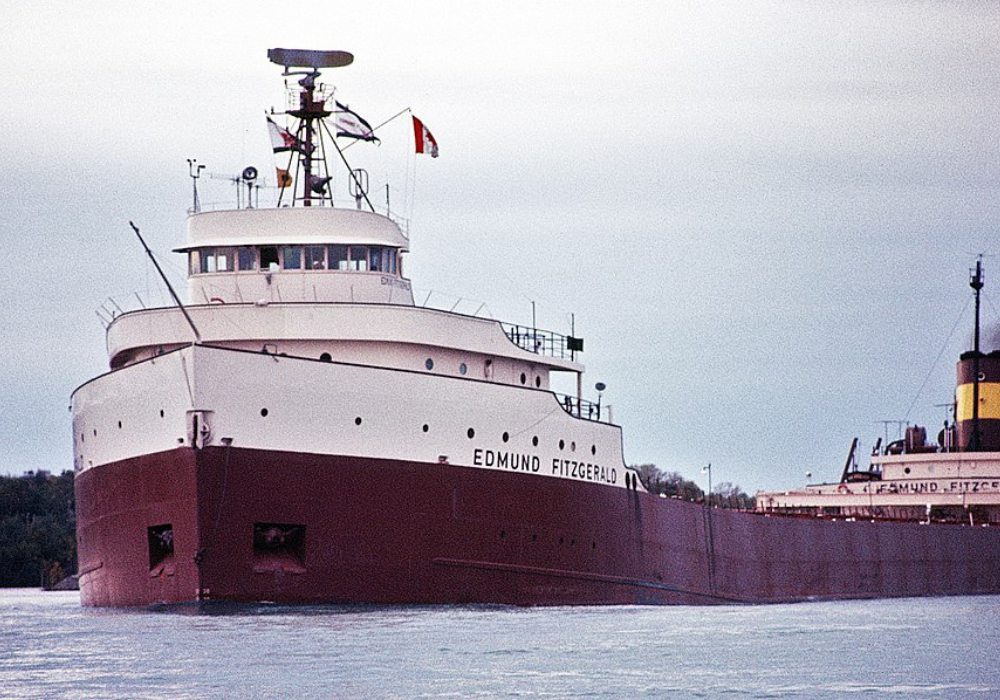
What Really Sank the Edmund Fitzgerald? America’s Most Famous Shipwreck Remains a Mystery

Nearly 50 years later, experts still can’t agree on what doomed the mighty freighter and its 29 crewmen.

©Image license via Wikimedia Commons

On November 10, 1975, the massive ore carrier Edmund Fitzgerald vanished beneath the icy waters of Lake Superior, taking all 29 men aboard with her. No distress call was ever heard, and no one has ever confirmed exactly what caused her to sink. Some experts blame hurricane-force winds and 25-foot waves; others suspect structural failure or faulty hatch covers. Decades later, the wreck remains one of America’s most haunting maritime mysteries — immortalized in Gordon Lightfoot’s iconic ballad and still drawing divers, historians, and grieving families to the site every November.

Read more

The Real Events That Inspired Netflix’s Death by Lightning—and Why They Still Haunt America

Netflix’s Death by Lightning revisits the shocking 1881 assassination of President James Garfield that exposed medicine’s deadly flaws.

©Image license via Picryl

Netflix’s new historical drama Death by Lightning tells the true story of President James A. Garfield’s assassination—an event as tragic as it was preventable. When Garfield was shot by Charles Guiteau in 1881, the bullet didn’t kill him. Instead, his doctors did. Working before germ theory was widely accepted, they repeatedly probed the wound with unsterilized fingers and instruments, causing deadly infections. For nearly three months, the nation watched in horror as its president slowly succumbed. The series exposes how ego, ignorance, and misplaced trust turned a single gunshot into one of America’s greatest medical failures.

Read more

Americans Are Rushing Underground — Inside the Nation’s New Bunker Boom

A growing number of Americans are turning to underground bunkers for safety, privacy, and peace of mind.

©Image license via Chat GPT

Across the United States, the business of building underground bunkers is booming. Once a fringe industry catering to doomsday preppers, it has gone mainstream, fueled by fears of natural disasters, global conflict, and social unrest. Companies like Rising S Company and Atlas Survival Shelters report surging demand for custom-built bunkers ranging from simple steel shelters to luxury underground compounds. Many buyers say it’s about feeling prepared, not paranoid — a way to protect their families and investments in uncertain times. For some, peace of mind now comes with a blast door and filtered air supply.

Read more

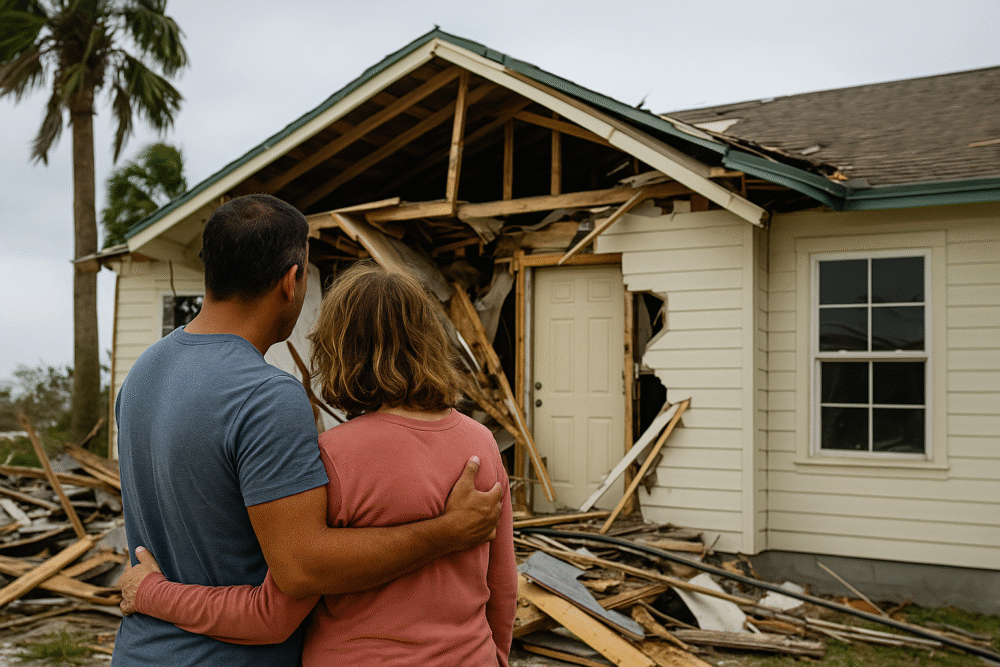
Millions Could Lose Coverage as Insurers Flee Disaster-Prone States

From California to Florida, major insurers are pulling out as wildfires, floods, and storms drive up costs.

©Image license via Chat GPT

Home insurance is getting harder to find — and more expensive — in parts of the U.S. where disasters keep striking. In California, companies like State Farm and Allstate have stopped writing new homeowner policies because of wildfire risks and rising rebuilding costs. In Florida and Louisiana, hurricanes have pushed several insurers out of business altogether, leaving residents to rely on costly state-run programs. Industry reports show that weather-related losses have soared over the past decade, and experts say the trend is spreading. For millions of homeowners, the safety net is shrinking just as disasters grow more frequent.

Read more