10 Bizarre Coincidences in U.S. History That Still Leave Historians Baffled

From presidents to disasters, these strange historical coincidences still defy explanation.
©Image license via Wikipedia Commons

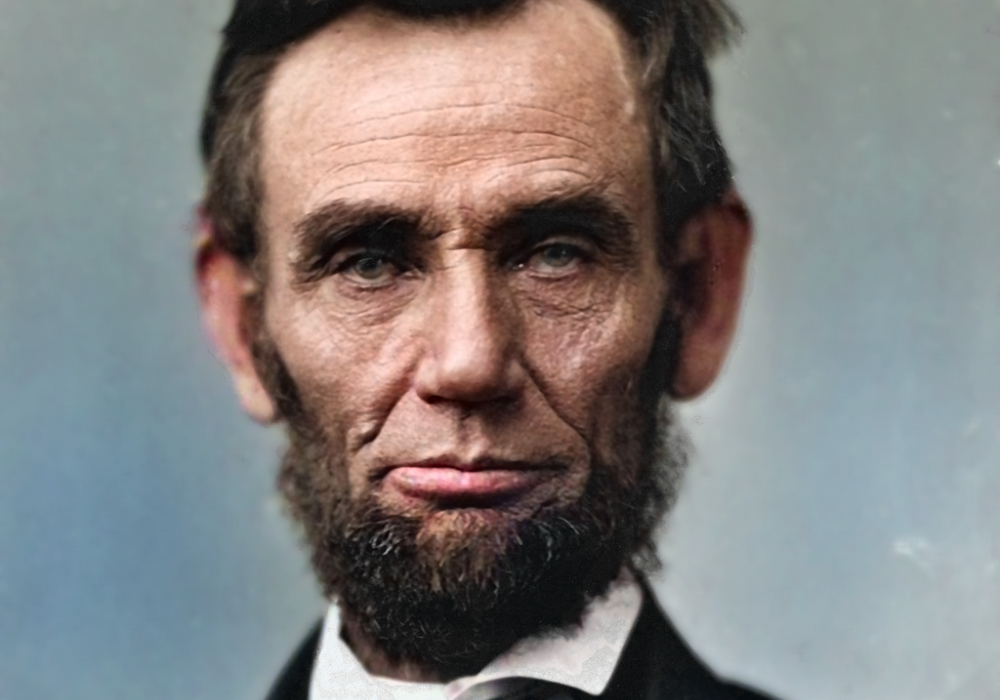
History is full of strange twists that make even the most skeptical minds pause. From presidents and inventors to authors and ordinary citizens, countless moments in America’s past have lined up with eerie precision—defying logic, probability, and explanation. Some seem almost supernatural, others purely mathematical, yet all share one thing in common: they really happened. These bizarre coincidences reveal that sometimes, truth truly is stranger than fiction—and that history has a mysterious way of repeating itself in unexpected patterns.


Read more

Scientists Crack the Mystery of 5,200 Ancient Holes in the Peruvian Andes

After decades of debate, researchers say they may have finally uncovered the purpose of Peru’s strange “Band of Holes.

©Image license via Chat GPT

High in Peru’s Pisco Valley, thousands of perfectly aligned holes stretch across a barren mountainside, forming one of archaeology’s most baffling enigmas. For centuries, no one knew who created them—or why. The 5,200 man-made pits, nicknamed the “Band of Holes,” have inspired countless theories, from ancient burial grounds to alien runways. Now, after years of study and new high-tech mapping, scientists believe they’re closer than ever to solving this centuries-old mystery hidden in the Andes.

Read more

Your Sense of Smell Could Predict How Long You’ll Live, New Study Finds

Scientists say that a declining sense of smell in older adults may signal hidden health risks long before other symptoms appear.

©Image license via Canva

A surprising new study has found that your nose might know more about your health than you think. Researchers discovered that older adults with a poor sense of smell were significantly more likely to die within the following decade than those with normal olfactory function. Scientists believe smell loss could be an early warning sign of underlying issues—from neurodegenerative diseases to general aging of the nervous system—making it a powerful yet overlooked predictor of overall longevity.

Read more

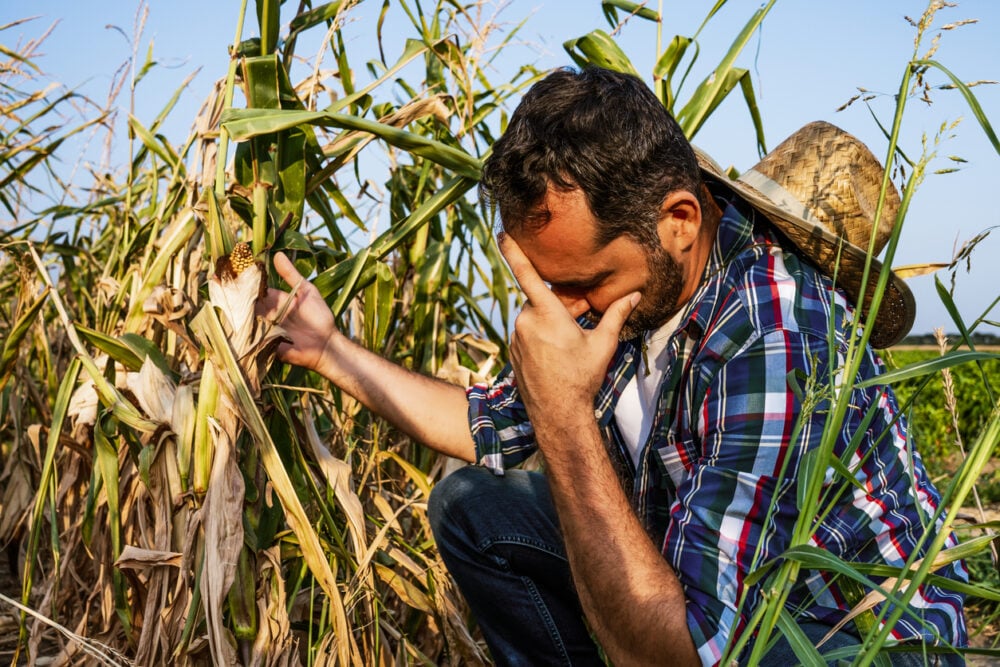
Dry Then Drenched: Why Midwestern Farms Can’t Predict the Next Flood or Drought

Farmers across the Midwest are battling chaotic swings between drought and deluge that threaten crops, soil, and livelihoods.

Dry cornfield, distressed farmer in plaid shirt, crouched foreground composition, clear daylight, documentary style, one person.
©Image license via iStock

Midwestern farmers are facing a new kind of climate crisis—one defined by wild, unpredictable shifts between extreme dryness and sudden downpours. What used to be a stable growing season is now marked by flash droughts followed by torrential rains that erode topsoil and drown newly planted crops. Scientists say these weather “whiplash” patterns are becoming more frequent as climate change disrupts rainfall cycles. For farmers, the challenge isn’t just surviving one bad season—it’s adapting to a future where nothing is predictable.

Read more

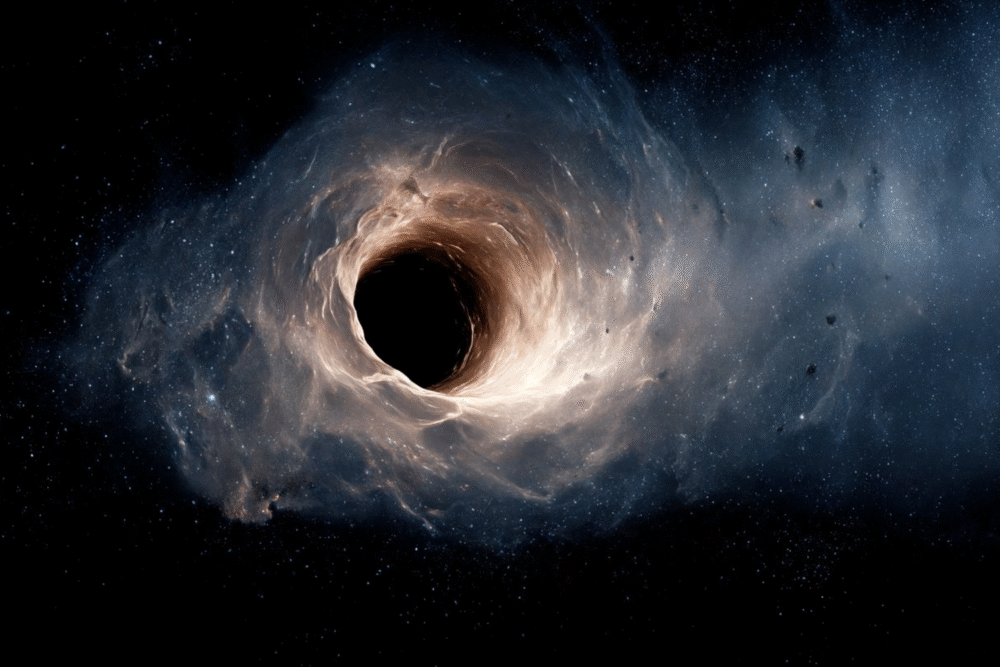
The Universe Is Humming — And Black Holes May Be Behind It

Scientists have detected a faint gravitational “hum” echoing across the cosmos, and it could change how we understand space-time.

©Image license via Picryl

For the first time, astronomers have confirmed the existence of a low-frequency “hum” vibrating through the fabric of space-time itself. This faint cosmic signal, detected by pulsar-monitoring networks around the world, is thought to come from supermassive black holes colliding and merging in distant galaxies. The discovery offers a new way to “listen” to the universe—revealing hidden activity across billions of light-years and opening a fresh chapter in the study of gravitational waves and cosmic evolution.

Read more

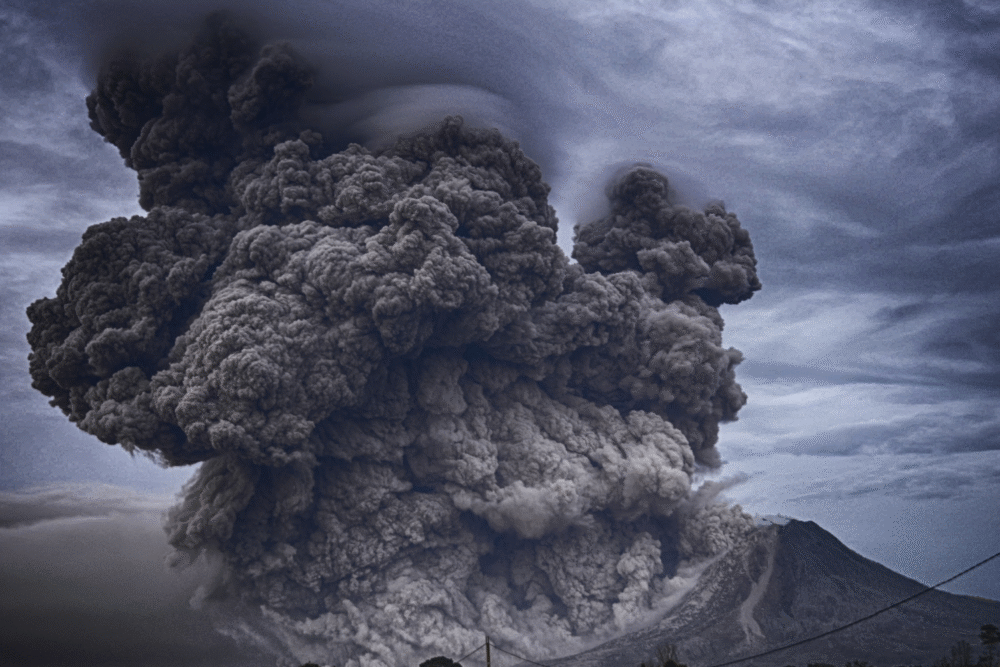
If Yellowstone Erupted Tomorrow, It Wouldn’t Be Like the Movies — It Would Be Much Worse

Scientists say a real Yellowstone eruption would unfold slowly, spread globally, and reshape life in America for generations.

©Image license via NASA

Deep beneath Yellowstone National Park lies one of the most powerful volcanic systems on Earth — a supervolcano capable of an eruption thousands of times stronger than Mount St. Helens. Movies often depict it as an instant apocalypse, but scientists say the real scenario would be far more complex — and far more devastating. From suffocating ash clouds to global cooling and food shortages, a Yellowstone eruption wouldn’t just destroy the American West — it could disrupt the entire planet’s climate and economy.

Read more

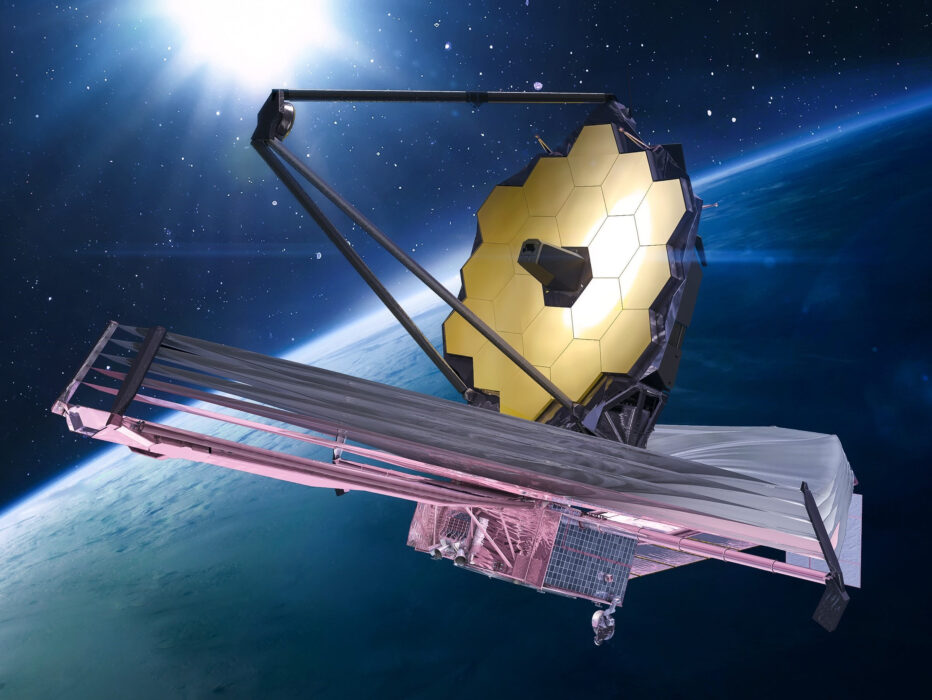
The James Webb Telescope May Have Just Glimpsed the First Stars Ever Born

Astronomers believe the powerful space telescope may have captured light from the universe’s earliest generation of stars—nearly 13 billion years old.

©Image license via Wikimedia Commons

The James Webb Space Telescope may have achieved what astronomers have dreamed of for decades: spotting the universe’s very first stars. These so-called Population III stars are thought to have formed from pure hydrogen and helium just a few hundred million years after the Big Bang. Now, scientists analyzing Webb’s deep-space images have found evidence of their possible glow—ancient light that could reveal how the first elements, galaxies, and cosmic structures were born at the dawn of time.

Read more

Amish Kids Hardly Ever Have Allergies—Here’s the Surprising Reason Why

Scientists say growing up close to farm animals may help protect Amish children from allergies.

©Image license via Public Domain Pictures

A study led by researchers at the University of Chicago and published in The New England Journal of Medicine helped explain why Amish children rarely develop allergies or asthma. The team compared Amish kids with those from a similar farming community, the Hutterites, and found key immune differences. Early exposure to barn dust and animal microbes appeared to strengthen the Amish children’s immune systems, teaching their bodies to tolerate allergens that trigger reactions in most people today.

Read more

Teen Genius Creates A.I. Tool to Cool the World’s Hottest Cities

A 16-year-old from Brazil built an artificial intelligence model that helps urban planners fight extreme heat.

©Image license via LinkedIn

In Palmas, Brazil—one of the country’s hottest cities—16-year-old Isaque Carvalho Borges decided to do something about the heat. Using satellite data, he developed an A.I.-powered tool called EcoAção Brasil that helps urban planners pinpoint “heat islands,” or parts of cities that trap dangerous temperatures due to asphalt, traffic, and deforestation. His system doesn’t just identify hot zones—it recommends targeted solutions like tree planting and green roofs. Experts say Borges’ innovation could help make cities more resilient to a warming climate.

Read more

America Promised to Lead on Climate — Here’s How It’s Failing Instead

Despite pledges to cut emissions, the U.S. remains one of the world’s biggest contributors to global warming.

©Image license via Chat GPT

The United States has long called itself a leader in the fight against climate change — but its emissions record tells another story. According to recent data, the U.S. produces about 14% of global carbon dioxide emissions, second only to China. On a per-person basis, Americans emit roughly 14 metric tons of CO₂ each year, compared with about 9 tons in China and 7 in the European Union. Despite growth in renewable energy and new climate policies, experts say America’s high energy use, political gridlock, and reliance on fossil fuels are slowing its progress toward net zero.

Read more