
Despite pledges to cut emissions, the U.S. remains one of the world’s biggest contributors to global warming.

The United States has long called itself a leader in the fight against climate change — but its emissions record tells another story. According to recent data, the U.S. produces about 14% of global carbon dioxide emissions, second only to China. On a per-person basis, Americans emit roughly 14 metric tons of CO₂ each year, compared with about 9 tons in China and 7 in the European Union. Despite growth in renewable energy and new climate policies, experts say America’s high energy use, political gridlock, and reliance on fossil fuels are slowing its progress toward net zero.
1. The U.S. Emits More Carbon Than Almost Any Country
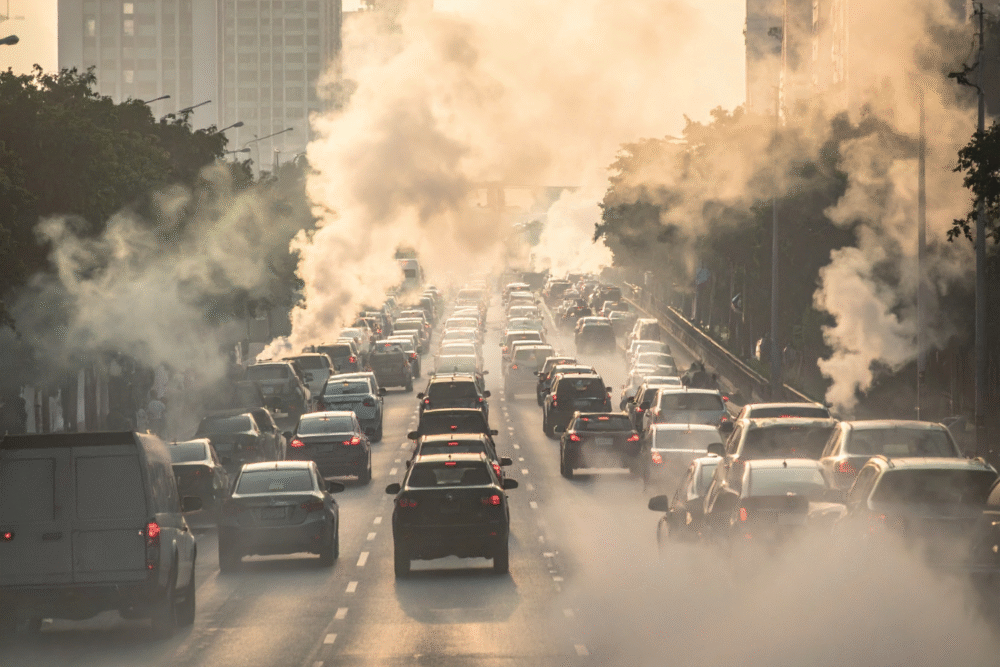
Despite being home to just over 4% of the world’s population, the United States produces around 14% of global carbon dioxide emissions — second only to China. That means America’s impact on the planet is far greater than its population size might suggest.
Much of this comes from transportation, electricity, and manufacturing. While progress has been made in renewable energy, the country still relies heavily on oil, gas, and coal to power homes and businesses, keeping emissions stubbornly high compared to most developed nations.
2. Americans Use More Energy Per Person Than Almost Anyone Else
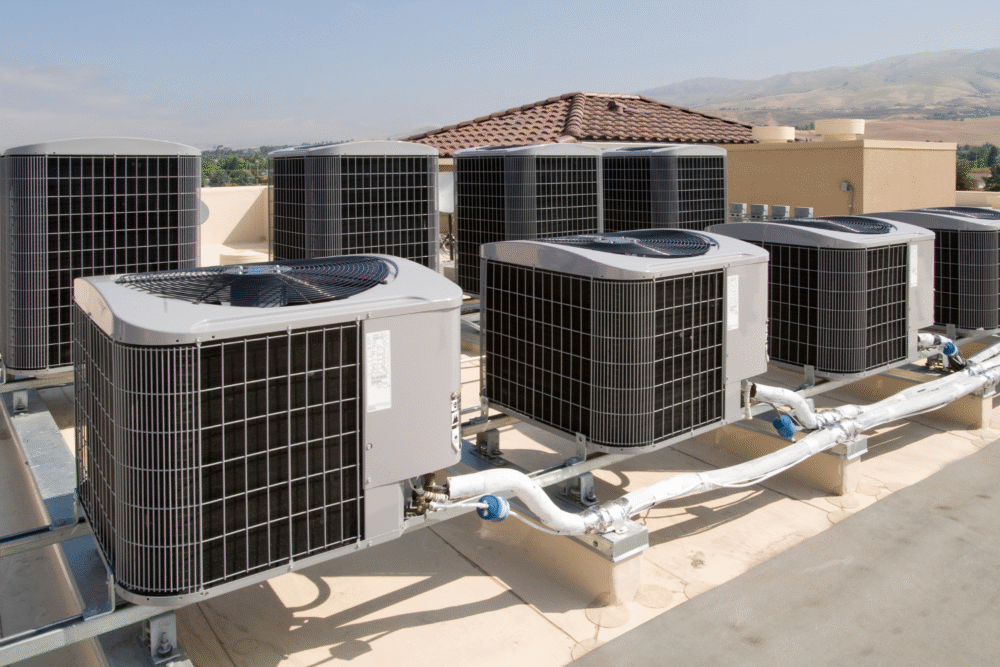
On average, an American produces about 14 metric tons of carbon dioxide each year. By comparison, people in the European Union emit around 7 tons, and those in India less than 2 tons. That huge gap shows how energy-intensive daily life in the U.S. still is.
From long commutes to large homes and heavy air-conditioning use, the country’s infrastructure is built around high energy consumption. Experts say reducing per-person emissions will require not just cleaner technology, but lifestyle and policy changes, too.
3. Transportation Is the Country’s Biggest Source of Pollution

Cars, trucks, planes, and ships are now the largest source of U.S. greenhouse gas emissions, accounting for nearly 29% of the total. Americans drive more miles per person than residents of any other nation, and gasoline-powered vehicles still dominate the roads.
Electric vehicle adoption is growing quickly, but infrastructure remains a challenge. Public transit systems are limited outside major cities, and EV charging networks are still expanding. Until clean transportation becomes more accessible, emissions from travel will remain a major problem.
4. The Power Grid Still Runs Mostly on Fossil Fuels
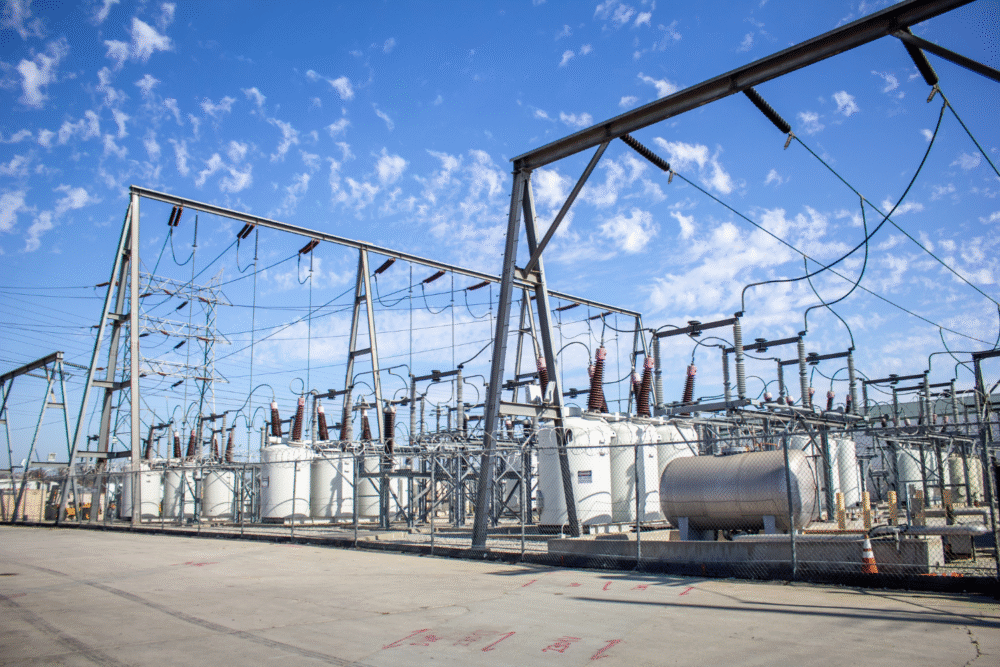
Electricity generation is another major contributor to U.S. emissions. While renewables like wind and solar are growing rapidly, fossil fuels — especially natural gas — still provide about 60% of the nation’s electricity. Coal use has declined sharply but hasn’t disappeared.
Transitioning the power grid to cleaner energy will take massive investment. Aging infrastructure, regional politics, and inconsistent state policies all make that transition slower than experts say is needed to meet global climate targets.
5. Climate Policy Has Been a Political Battleground

The U.S. has passed several major climate laws in recent years, including the Inflation Reduction Act, which invests hundreds of billions in clean energy. But political divisions have kept progress uneven. Some states are leading with aggressive climate targets, while others are rolling back regulations.
Because of this patchwork approach, national emissions have not fallen as quickly as they have in parts of Europe. Experts say consistent, long-term policies — not partisan swings — are key to reaching net-zero goals.
6. Wealth and Inequality Shape the Climate Footprint

America’s wealth is a double-edged sword in the climate fight. On one hand, it gives the country resources to innovate and transition to clean energy. On the other, high consumption levels mean the richest Americans leave a much larger carbon footprint than lower-income households.
Studies show that the top 10% of earners in the U.S. are responsible for nearly 40% of total emissions. Meanwhile, many lower-income families are more vulnerable to extreme weather events and often lack the means to recover from disasters.
7. The U.S. Has Outsourced Part of Its Carbon Problem

Many products consumed in the U.S. — from electronics to clothing — are made overseas in countries with less strict environmental rules. That means some of the emissions linked to American lifestyles are produced abroad, especially in manufacturing-heavy nations like China.
This “outsourced” carbon doesn’t appear in U.S. emission totals, but experts argue it still represents an American responsibility. As one analyst put it, consumption-based emissions may be the country’s “invisible footprint.”
8. Renewable Energy Is Growing — But Not Fast Enough

The U.S. has made real progress in renewable energy. Wind and solar now generate about 23% of the nation’s electricity — a big jump from just a decade ago. Costs have dropped dramatically, and new projects are being built every month.
Still, experts warn that renewables need to grow two to three times faster to meet global climate goals. Supply chain issues, local opposition, and permitting delays are all slowing expansion. Without faster deployment, the U.S. risks missing its own 2030 emissions targets.
9. Climate Change Is Already Costing the U.S. Billions

Extreme weather events are becoming more frequent and more expensive. In 2023 alone, the U.S. saw a record number of billion-dollar disasters — from wildfires and floods to hurricanes and heatwaves. The total cost topped $90 billion, according to federal data.
These disasters are straining insurance markets, destroying infrastructure, and hitting rural and low-income communities the hardest. Economists say the financial toll will keep rising if emissions aren’t reduced quickly enough to slow warming trends.
10. Global Leadership Has Been Inconsistent
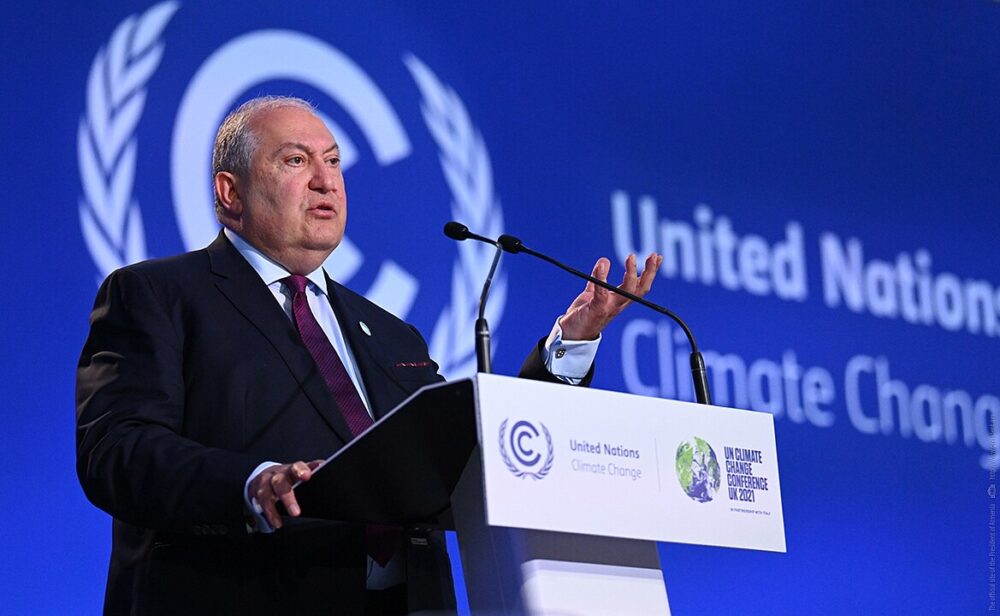
The U.S. helped broker the Paris Agreement in 2015, pledging to lead the global effort to cut emissions. But since then, the country’s role has fluctuated with each administration. The decision to briefly withdraw from the agreement and later rejoin undermined international trust.
Today, the U.S. faces a credibility challenge: convincing other nations it will follow through on long-term commitments. While its clean energy investments are significant, inconsistent leadership has made it harder to inspire global cooperation.
11. The Path Forward Is Still Open — but Narrow

Experts agree the U.S. still has time to meet its climate goals — if it acts quickly. Cutting fossil fuel use, strengthening public transit, and investing in energy efficiency could dramatically lower emissions within a decade.
But every year of delay makes the task harder. Scientists warn that global temperatures are on track to exceed 1.5°C above preindustrial levels unless major economies — including the U.S. — accelerate change. The path forward is still there, but it’s getting narrower with each passing year.