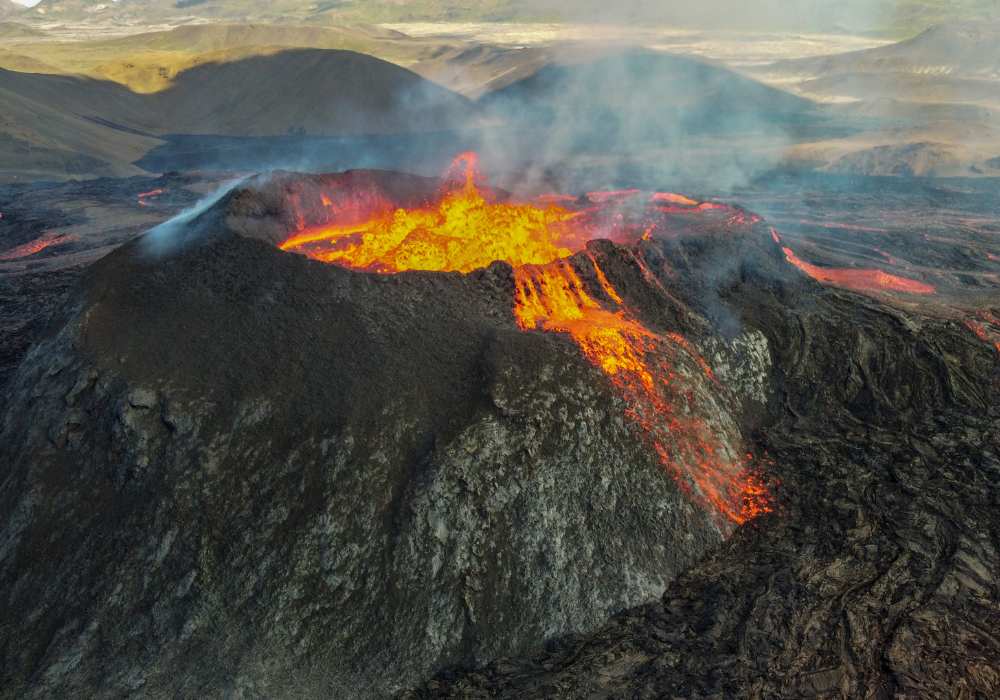
11 Natural Disasters Scientists Say Are Overdue to Strike Again

Major catastrophic events that follow predictable patterns and haven’t happened in decades.
©Image license via Canva

Nature operates on timescales that make human planning look adorably short-sighted. While we worry about quarterly earnings and election cycles, the Earth quietly builds up geological pressures that release catastrophically every few hundred years.

Scientists can read these patterns in rock layers, ice cores, and historical records with disturbing precision—massive earthquakes that strike every 300 years, supervolcanic eruptions that follow 600,000-year cycles, and mega-tsunamis that reshape coastlines every few centuries.

The terrifying part isn’t that these disasters will happen; it’s that many of them are statistically overdue based on historical patterns. Some have been building pressure for so long that seismologists, volcanologists, and other disaster scientists are essentially waiting for the other shoe to drop.

Read more

Why Scientists Fear Earth’s Systems Could “Domino Collapse” Together

From Arctic ice to Amazon forests, climate tipping points could trigger an unstoppable global breakdown.

©Image license via Canva

Picture this: you’re watching the first domino fall in a carefully arranged line, knowing there’s nothing you can do to stop the cascade. That’s essentially what climate scientists are witnessing right now with Earth’s major systems.

The Earth is on a “disastrous trajectory” with “no adequate global governance” to deal with climate tipping points, warns a major new report. We’re not just talking about gradual warming anymore—we’re staring down the barrel of interconnected collapses that could reshape our planet within decades.

Recent research suggests triggering one tipping element within the Earth system could cause subsequent changes in others, leading to a “tipping cascade”. The domino effect isn’t just a metaphor; it’s becoming our reality.

Read more

Hurricanes Are Now Intensifying at Record Speed—Climate Change Is to Blame

Rising ocean heat is fueling storms that grow stronger in hours, leaving little time to prepare.

©Image license via Canva

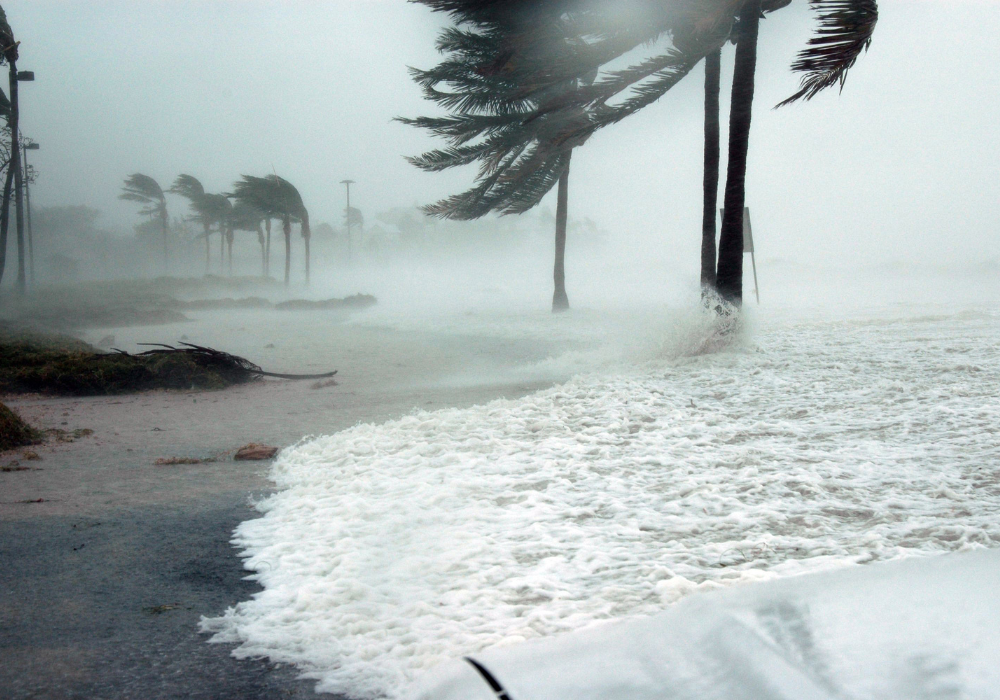
Remember when hurricanes used to slowly build up steam over several days? Those days are basically over. Climate change caused the maximum wind speeds generated by roughly 80% of Atlantic Basin hurricanes from 2019 and 2023 to intensify by an average of 18 miles per hour, and storms are now gaining terrifying strength in just hours instead of days.

Scientists have found that climate change is leading to more favorable conditions for hurricanes to strengthen more quickly, such as warmer waters. This rapid intensification catches everyone off guard – from weather forecasters to families trying to evacuate. What’s happening to our hurricanes is genuinely alarming, and it’s happening faster than anyone expected.

Read more

Wine’s Flavor Is Changing, and Experts Say It’s Not Your Imagination

From shifting vineyards to changing harvests, experts reveal why climate and farming are altering the flavor of your favorite wines.

©Image license via Canva

Wine lovers sometimes swear a favorite bottle doesn’t taste quite like it used to—and it turns out, they might be right. According to researchers at the University of California, Davis, subtle shifts in climate, vineyard practices, and even grape varieties are altering flavor profiles across the globe.

Warmer seasons can ripen grapes faster, change sugar levels, and affect acidity, all of which influence taste. Add in evolving winemaking techniques and global distribution, and the glass in your hand today might be noticeably different from the same label a decade ago. Here’s what’s behind the quiet transformation in your favorite pours.

Read more

Could Skipping Steak Do More for the Planet Than Driving an Electric Car?

Experts say adopting a vegan diet could cut emissions and reshape the fight against climate change.

©Image license via Canva

Your neighbor just bought a shiny new Tesla and won’t stop talking about their carbon footprint, while you’re still driving your trusty 2015 Honda. But here’s a plot twist that might surprise both of you—what’s on your dinner plate could matter more than what’s in your driveway.

The conversation around climate action has largely focused on transportation and energy, but scientists are increasingly pointing to our food choices as one of the most powerful tools we have for environmental impact.

While electric cars grab headlines and government subsidies, the humble decision between beef and beans at the grocery store might be quietly doing more heavy lifting for the planet than we ever imagined.

Read more

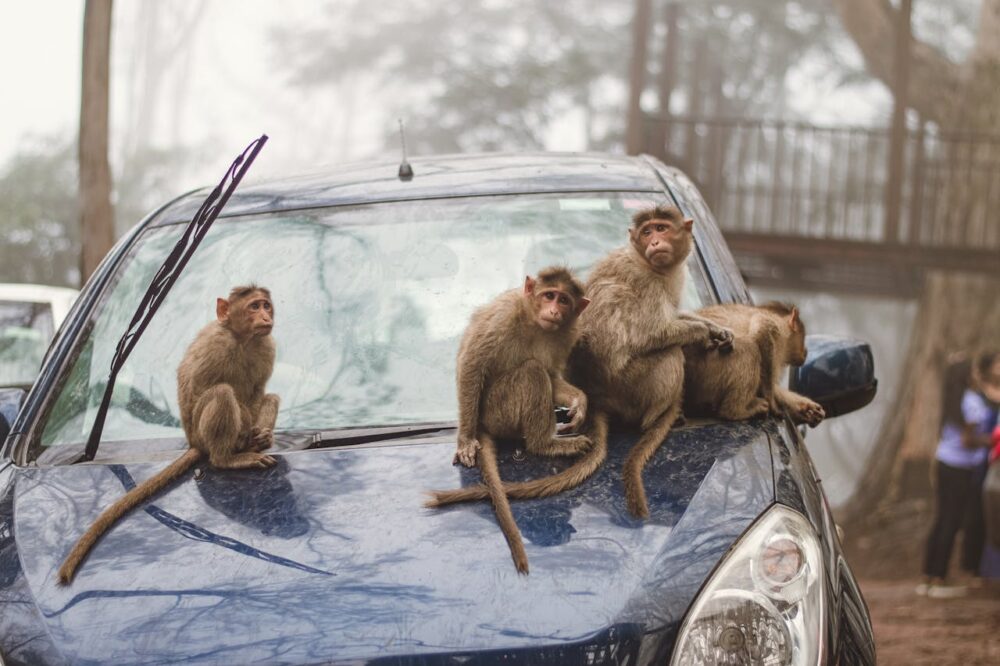
12 Eerie Cities Where Animals Now Rule the Streets

From wild boars in Berlin to monkeys in Bangkok, these urban takeovers are reshaping city life.

©Image license via Pexels

Picture having to dodge wild boars on your morning jog or waiting for monkeys to cross the street before you can drive to work. This isn’t a nature documentary—it’s real life in cities where animals have boldly claimed urban territory.

Climate change and urban sprawl have forced wildlife to adapt, and some have adapted so well they’re practically running the show. From Berlin’s 10,000 wild boars to Bangkok’s motorcycle-riding monkeys, these animal takeovers are creating an eerie new reality where humans feel like visitors in their own cities.

Read more

These U.S. Cities Sit on Shaky Ground—and Most Residents Have No Idea

Hidden fault lines and unstable soil put millions at risk in cities you’d never expect.

©Image license via Canva

When most Americans think about earthquakes, California instantly comes to mind. But while everyone’s watching the San Andreas Fault, nearly 75% of the United States could experience a damaging earthquake. From sleepy Southern towns to bustling Midwest metropolises, millions of people are living above geological time bombs they don’t even know exist.

The East Coast’s recent 4.8 magnitude quake near New Jersey was just a wake-up call—seismic threats are hiding in plain sight across America. These unexpected earthquake zones could catch entire regions completely unprepared.

Read more

The Global Battle for Energy Dominance—And Why China’s Winning

China is accelerating its clean energy push, leaving rivals scrambling to catch up in the global power race.

©Image license via Canva

While Western politicians debate climate policy and energy independence, China has quietly built an empire that makes the oil age look quaint by comparison. The numbers are staggering and undeniable: China now produces more than 60 percent of the world’s electric cars and 80 percent of the batteries that power them.

Energy expert Kelly Sims Gallagher from Tufts University puts it bluntly: “It’s probably a good thing for the climate because these clean technologies are diffusing all over the world.” The question isn’t whether China is winning the global energy race—it’s whether anyone else is even still competing.

Read more

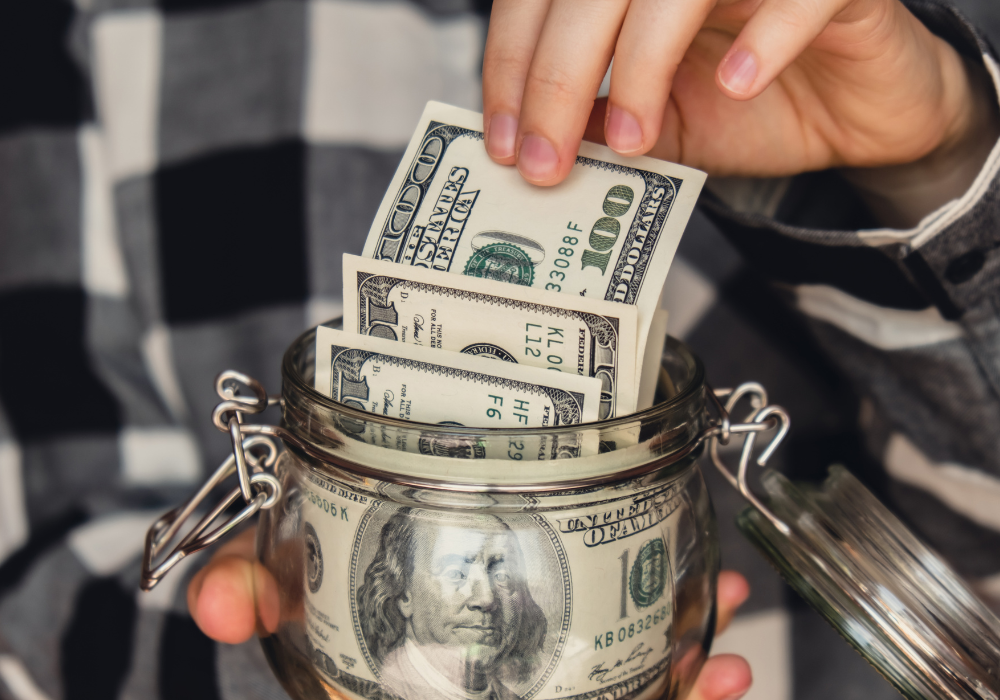
12 Everyday Things You Waste That Could Save You Hundreds a Year

Hidden money drains in your home that add up to serious cash without you realizing it.

©Image license via Canva

You probably think you’re pretty good with money—you clip coupons, hunt for deals, and maybe even have a budget spreadsheet. But while you’re scrutinizing every restaurant receipt, hundreds of dollars are quietly slipping through your fingers in ways so mundane you don’t even notice them happening.

Most of this waste involves things you’ve already paid for once—food, utilities, products, and services that you’re essentially throwing money away on through small daily habits. Once you start seeing these hidden drains, you’ll be amazed how much cash you can keep in your pocket without changing your lifestyle at all.

Read more

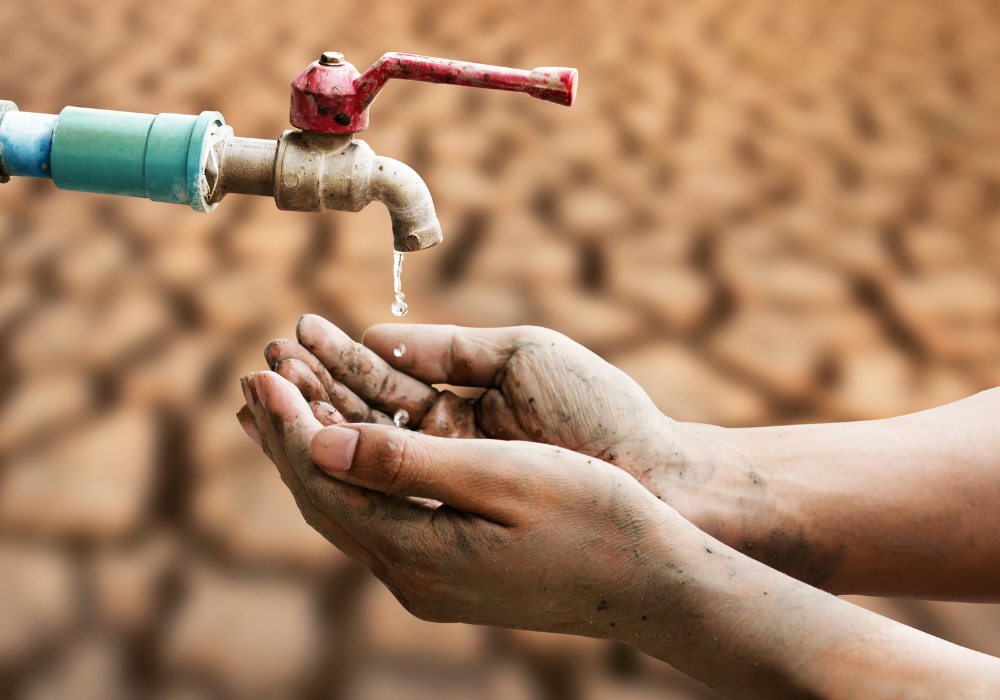
11 Global Cities Preparing for a Future Without Fresh Water

As fresh water supplies dwindle, some of the world’s largest cities are preparing for a thirsty future.

©Image license via Canva

While you turn on the tap and clean water flows out without a second thought, major cities worldwide are quietly preparing for a reality where that simple act becomes impossible. From Cape Town’s “Day Zero” crisis to Chennai’s complete reservoir depletion, urban water supplies are failing faster than anyone predicted, forcing millions of people to confront a future where fresh water becomes more valuable than oil.

These aren’t distant developing world problems—cities like Los Angeles, London, and Tokyo are implementing emergency water strategies that would have seemed unthinkable just a decade ago. The race to secure water is reshaping global politics, urban planning, and daily life in ways that make the energy crisis look manageable by comparison.

Read more