New Hydrogen Breakthrough Could Fuel Humanity for Millennia, Researchers Say

Discovery of vast natural hydrogen reserves could fuel clean energy and reshape Earth’s future power supply.
©Image license via Canva

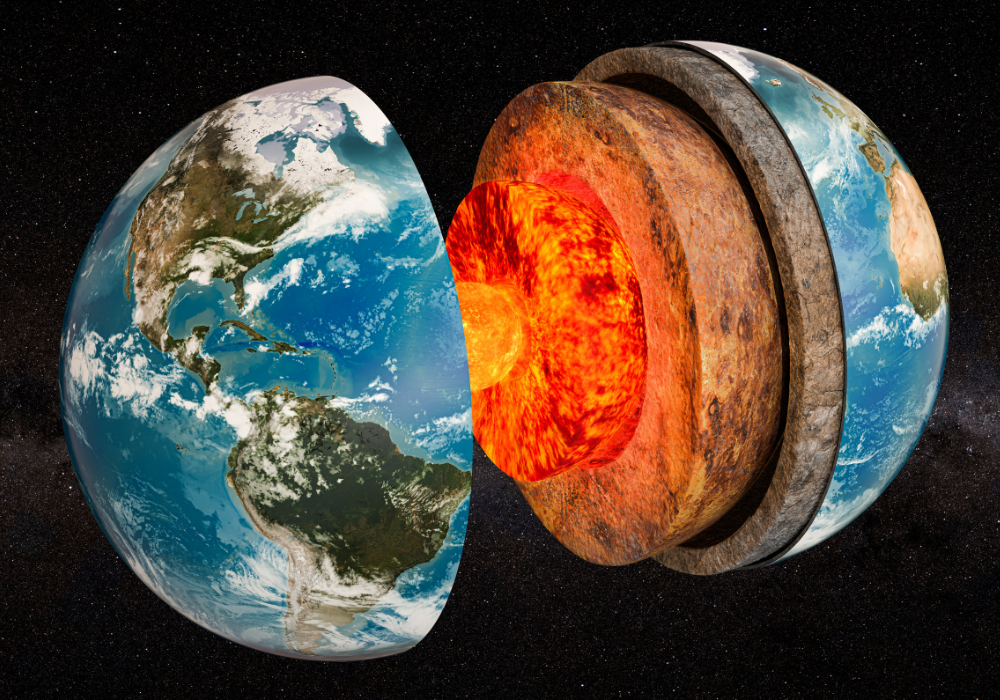
Some discoveries have the power to flip our energy outlook upside down. That’s exactly what’s happening with a new study led by researchers at the University of Oxford, Durham, and the University of Toronto: they found that Earth’s crust has produced enough hydrogen over the past billion years to meet global energy needs for about 170,000 years.

According to Professor Chris Ballentine of Oxford—who helped lead the study—this hydrogen might still be trapped underground, offering a low-carbon energy option the world hasn’t had before. It’s a discovery with huge potential—if we can figure out how to tap into it safely and affordably.

Read more

NASA Is Officially Pulling Out of Climate Research—and the Timing Couldn’t Be Worse

As climate threats accelerate, NASA’s exit from key research leaves a dangerous gap in global understanding.

©Image license via Needpix

NASA’s climate research program is facing catastrophic budget cuts that would slash Earth science funding nearly in half and shut down critical climate monitoring satellites. The proposed budget would cut NASA’s Science Mission Directorate from $7.3 billion to just $3.9 billion, eliminating key climate programs just as 2024 became the warmest year on record.

NASA is already planning to decommission premier satellite missions that track planet-warming pollution beginning as early as October. These cuts come at the worst possible moment – right when we need climate data most to understand and respond to accelerating global warming.

Read more

Why Carter and Gore’s “Crazy” Climate Predictions Don’t Look So Crazy Now

Decades ago, Presidents Carter and Gore sounded alarms on climate change—warnings that are proving all too real today.

©Image license via Wikimedia Commons

Back in the 1970s and 1980s, Jimmy Carter was talking about solar panels and global warming while most Americans were focused on gas lines and the Cold War. Al Gore spent the 1990s warning about melting ice caps and rising seas while critics rolled their eyes and called him an alarmist. Both politicians took massive political heat for pushing environmental issues that seemed abstract and far-fetched to most voters.

Fast-forward to today, and their “crazy” predictions are looking pretty spot-on. Carter’s administration suggested limiting global temperature rise to 2°C above preindustrial levels – the exact target adopted by world leaders 35 years later in the Paris Agreement. Average global temperatures have indeed broken records in the subsequent three decades, just like Gore warned they would. These two politicians were basically climate prophets, but nobody wanted to listen to what they were saying at the time.

Read more

The World Is Burning—And Millions Don’t Seem to Care

As climate disasters grow, experts ask why denial and apathy still shape how millions respond to a burning planet.

©Image license via Canva

Record-breaking heatwaves are killing thousands, hurricanes are destroying entire cities, and wildfires are turning forests into ash – yet millions of people seem more concerned about their favorite TV show than the planet melting around them.

Nearly 15% of Americans deny that climate change is real, while climate apathy is especially high among younger men who should be the most worried about their future. The disconnect between the urgency of our climate crisis and public indifference is staggering and terrifying.

Read more

12 Unexpected Habits That Stop Clutter and Overwhelm in Their Tracks

Learn the habits that make life feel lighter, calmer, and far less overwhelming every single day.

©Image license via Canva

Your home used to feel like a sanctuary, but now you can’t find your keys, the kitchen counter has disappeared under a pile of mail, and opening certain closets feels like playing Jenga with your belongings. Sound familiar?

The thing about clutter and overwhelm is that they sneak up gradually—one Amazon package here, one “I’ll deal with this later” pile there—until suddenly you’re living in chaos that affects your mood, productivity, and peace of mind.

But here’s the good news: you don’t need a complete life overhaul or expensive organizing systems to turn things around. Small, consistent habits practiced daily can prevent clutter from taking over and create the calm, organized space you’ve been craving.

Read more

How Climate Change Is Making Your Pet Sick in Ways You Never Expected

Rising temperatures and extreme weather are creating health risks for dogs, cats, and other animals that owners need to recognize.

©Image license via Canva

If your dog seems more tired during summer walks or your cat has been sneezing more than usual, climate change might be the unexpected culprit behind these health issues. Veterinarians across the country are reporting dramatic increases in heat-related illnesses, respiratory problems, and infectious diseases in pets that directly correlate with rising temperatures and changing weather patterns.

Dr. Sarah Mitchell, a veterinary epidemiologist at UC Davis, notes that emergency vet visits for heat stroke in dogs have increased by 70% over the past decade, while tick-borne diseases are appearing in regions where they were never seen before.

Read more

The Dangerous Waste Dumps That Could Be Closer to You Than You Think

Toxic fires and fumes from hidden landfills are threatening health and safety in communities nationwide.

©Image license via Canva

You probably drive past toxic waste sites every day without even knowing it. There are currently 1,335 Superfund sites on the National Priorities List, and many more contaminated areas that haven’t made it onto the official cleanup roster yet. These aren’t just abandoned industrial zones in the middle of nowhere – they’re woven into our everyday neighborhoods, hiding behind shopping centers, underneath parks, and sometimes right next to schools.

The scary truth is that many of these contaminated sites look completely normal from the outside. You might see a vacant lot, an old gas station, or even a thriving business built on top of decades-old pollution. The health effects from living near contaminated sites can include increased cancer rates, birth defects, and respiratory problems, but most people have no idea they’re at risk. What you don’t know about the ground beneath your feet could be slowly poisoning your family.

Read more

Emotionally Intelligent People Never Say These 13 Phrases—Here’s What They Say Instead

Master these word swaps to boost communication skills and command respect in every conversation.

©Image license via Canva

We’ve all been there—stuck in a heated conversation where the wrong words tumble out of our mouths before we can stop them. Maybe it’s “calm down” when someone’s clearly upset, or “that’s not my problem” when a colleague needs help. These seemingly innocent phrases can destroy relationships faster than you’d think.

People with high emotional intelligence understand that communication isn’t just about getting your point across; it’s about making others feel heard, respected, and valued. They’ve learned to catch themselves before uttering certain phrases that shut down dialogue and hurt feelings. Instead, they’ve developed a toolkit of responses that build bridges rather than burn them.

Read more

Humans Are Fueling Wildfires at an Alarming Rate, Scientists Warn

New research shows human activity now triggers 85% of wildfires across the United States

©Image license via Canva

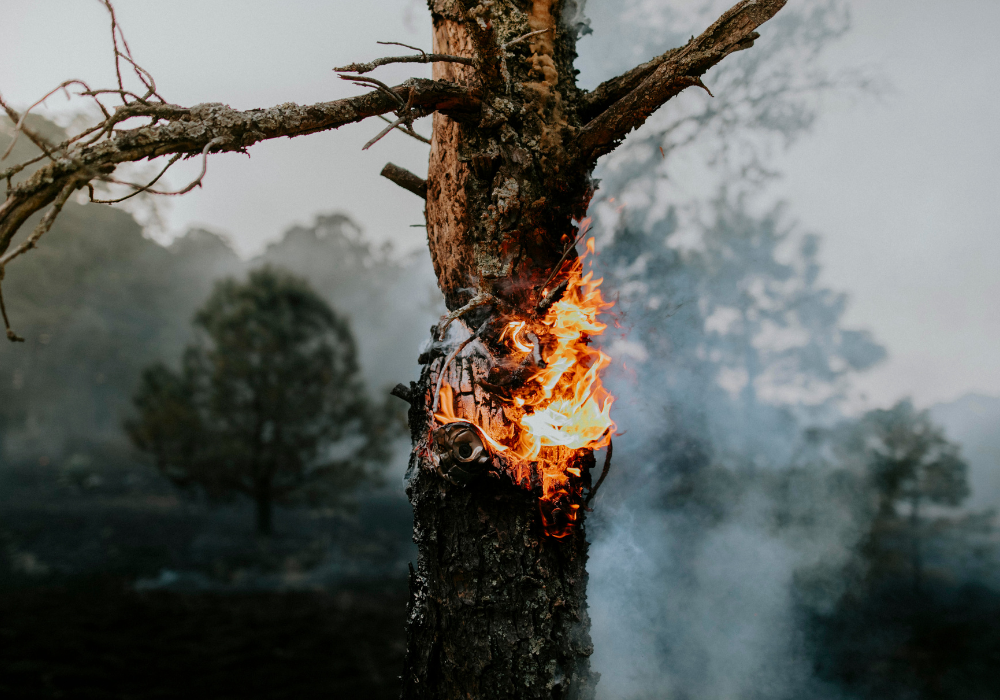
Every time someone tosses a cigarette from a car window or leaves a campfire unattended, they’re playing with one of nature’s most destructive forces. Scientists have discovered that humans now cause a staggering 85% of all wildfires in the United States, with only 15% sparked by lightning or volcanic activity.

What makes this even more alarming is that human-caused fires burn faster, spread farther, and destroy more property than natural blazes. In 2024 alone, wildfires caused $1.8 billion in damage nationwide, and the problem is getting worse every year.

Read more

History’s Deadliest Extinctions Are Playing Out Again in Real Time

Scientists warn today’s biodiversity crisis mirrors past mass die-offs that once reshaped life on Earth.

©Image license via Canva

Earth has experienced five devastating mass extinctions that wiped out most life on the planet, but the sixth one isn’t coming from outer space or volcanic eruptions – it’s being caused by humans. Wildlife populations have plummeted by 73% since 1970, and we’re losing species at rates 1,000 to 10,000 times faster than natural background extinction rates.

Nearly one million species are currently at risk of extinction in what scientists are calling the most severe biodiversity crisis in human history.

Read more