We Ignored These Places for Years—Now They Might Be Humanity’s Lifeline

Once dismissed as worthless, these overlooked landscapes may hold the key to saving our planet’s future.
©Image license via Canva

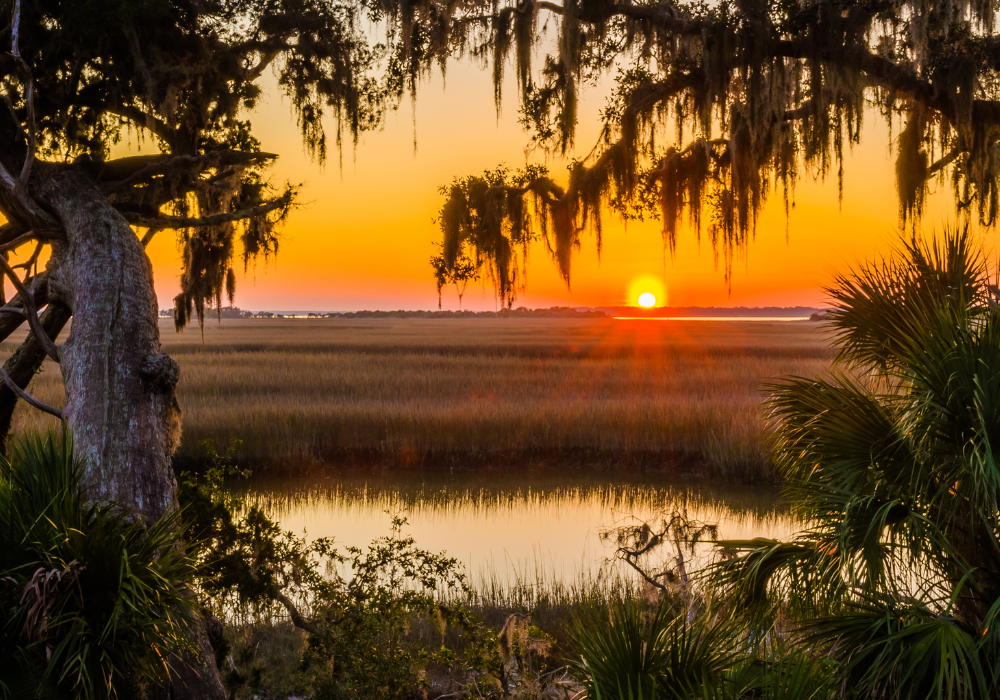
For decades, we’ve dismissed swamps as mosquito-infested wastelands and kelp forests as underwater weeds that get in the way of swimmers. These overlooked ecosystems seemed useless to most people – just soggy ground that needed draining or underwater tangles that boats had to navigate around. Scientists studying climate change are now discovering that these ignored places might hold the key to saving our planet from catastrophic warming.

The numbers are mind-blowing and could change everything about how we fight climate change. Peatlands store about one-third of all soil carbon despite covering only 3% of global land area. Kelp forests and seaweed beds could potentially capture 36 million metric tons of carbon annually if properly managed and restored worldwide.
Read more

10 Items You’re Putting in the Recycling Bin That Are Just Making Things Worse

Common household items that contaminate recycling streams and end up in landfills anyway.

©Image license via Canva

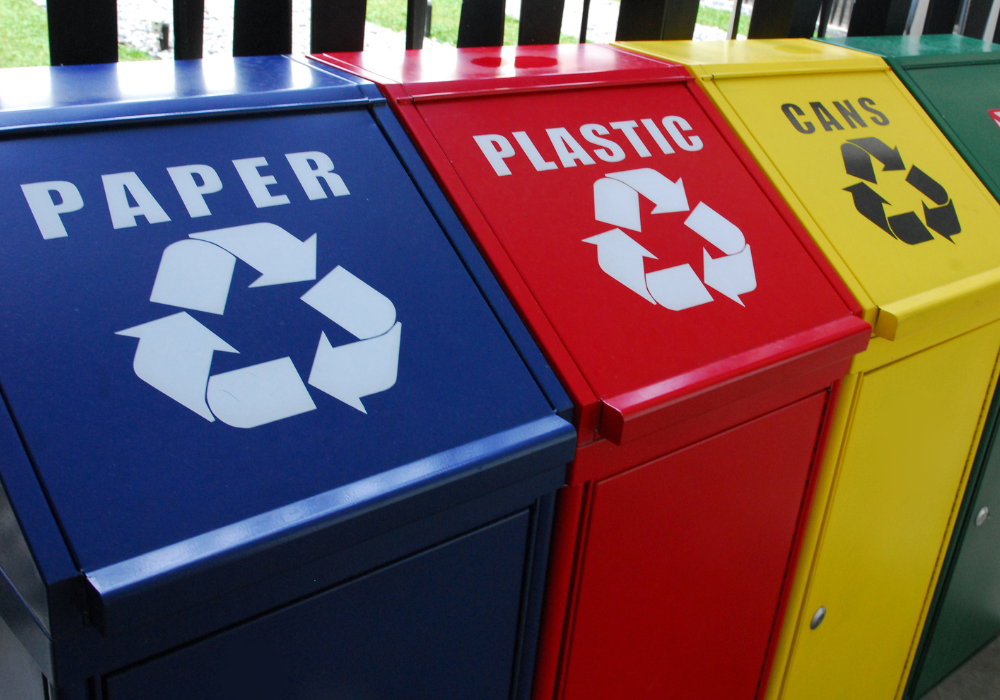
You diligently rinse out that peanut butter jar, toss it in the recycling bin, and feel good about saving the planet. But what if that noble gesture is actually making things worse? Turns out, recycling is way more complicated than the little triangle symbols suggest, and some items that seem obviously recyclable are actually recycling facility nightmares.

These well-meaning mistakes can jam sorting machines, contaminate entire batches of good recyclables, and cost taxpayers millions in cleanup and repairs. The dirty secret of the recycling industry is that “wishcycling”—throwing questionable items in the bin and hoping for the best—causes more environmental damage than just putting them in the trash.

Read more

Do You Know the Difference Between Climate Change and Global Warming? Most People Don’t

Learn the key differences between climate change and global warming—and why mixing them up really matters.

©Image license via Canva

Most people use “climate change” and “global warming” interchangeably, but scientists cringe every time they hear it. While 48% of Americans report feeling confused about climate information, much of that confusion starts with not understanding these basic terms. Global warming is just temperature rise – the thermometer going up.

Climate change is everything else that happens as a result: droughts, floods, storms, rising seas, and ecosystem collapse. Getting this distinction wrong makes it harder to understand why scientists are so worried about our planet’s future.

Read more

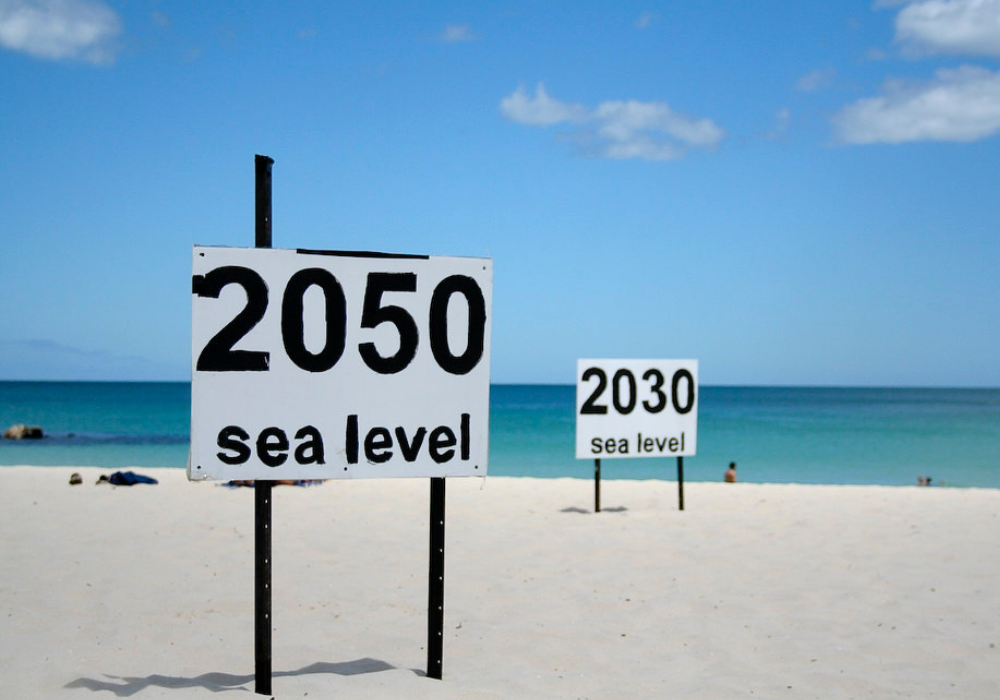
Rising Seas Are Pushing These Nations to the Edge of Extinction

Coastal nations face a drowning future as climate change drives oceans higher and survival grows uncertain.

©Image license via Flickr

Entire countries are about to disappear from the map, and there’s nothing anyone can do to stop it. Small island nations across the Pacific are watching their homes get swallowed by rising seas, with some communities already planning the world’s first climate-induced national relocations.

These aren’t distant future scenarios – families are losing their ancestral lands right now, and children growing up on these islands might be the last generation to call them home.The numbers are staggering and heartbreaking. Pacific Island nations such as Tuvalu, Kiribati, and Fiji will experience at least 6 inches of sea level rise in the next 30 years, regardless of what happens with emissions.

Projected sea level rises could submerge 50-80 percent of major urban areas in these countries by 2070-2110. We’re watching entire cultures, languages, and ways of life get erased by water that keeps rising no matter what these nations do to protect themselves.

Read more

12 Unexpected Ways Zoos Are Helping Save Animals From Extinction

Surprising conservation efforts reveal how zoos are helping protect animals on the brink of extinction.

©Image license via Canva

When you think of zoos, you probably picture families strolling past enclosures taking photos of sleepy lions and playful penguins. But behind those glass barriers and moats, modern zoos have quietly transformed into high-tech conservation laboratories that are literally bringing species back from the brink of extinction.

Today’s accredited zoos spend more on conservation research than many countries dedicate to wildlife protection, and they’re using everything from artificial intelligence to frozen sperm banks to save animals that would otherwise disappear forever.

The old model of zoos as entertainment venues died decades ago—now they’re more like arks for the 21st century, preserving genetic diversity and pioneering breeding techniques that often represent the last hope for endangered species.

Read more

How Coral Microbiomes Could Help Reefs Survive Climate Change

New research shows coral’s microscopic partners could boost reef resilience against rising ocean temperatures.

©Image license via Canva

Coral reefs may have a secret weapon against climate change—and it’s so small you can’t see it with the naked eye. New research from the Smithsonian Tropical Research Institute found that the microscopic organisms living inside corals, known as microbiomes, could help them survive in hotter oceans.

Scientists compared corals from two regions of Panama: one with regular bursts of cooler, nutrient-rich water and one with steady, warmer seas. The heat-hardened corals fared far better in lab tests, and researchers believe their microbiomes played a big role—offering fresh hope for reefs in a warming world.

Read more

Widely Used Weedkiller Ingredient May Harm Human Organs and Gut Health, Research Warns

Scientists warn a common weedkiller ingredient could harm vital organs and disrupt the gut microbiome.

©Image license via Canva

A new study led by scientists at Nanjing University in China has raised serious concerns about diquat, a weedkiller ingredient now widely used across the U.S. Researchers found that even at low levels, the chemical may damage organs and disrupt gut bacteria, two critical systems for long-term health.

Experts warn that diquat is following a troubling pattern in U.S. agriculture, where one controversial chemical is often swapped for another without enough research on safety. While the Environmental Protection Agency has not yet launched a full review, advocates say the findings highlight an urgent need for tighter oversight.

Read more

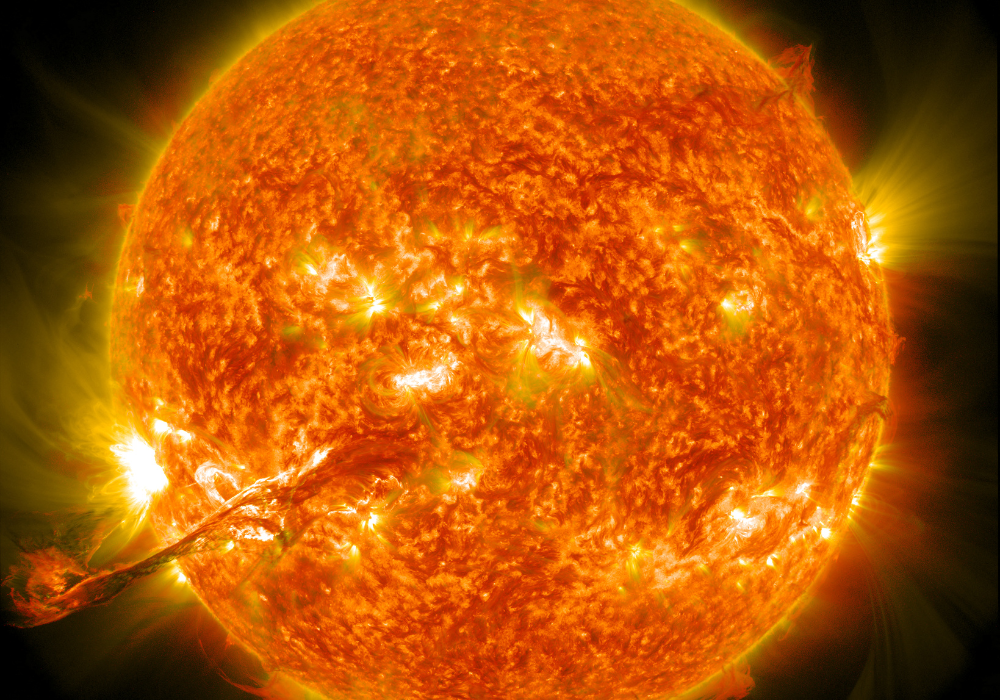
The Solar Storm Scientists Say Could Knock Out Power for Millions

Experts warn a massive geomagnetic storm could cripple power grids and satellites within years.

©Image license via Canva

The sun is getting more active, and that’s bad news for your phone, your car, and basically everything that plugs into the wall. Scientists say we’re heading toward “solar maximum”—when our nearest star throws its biggest tantrums. We got a taste in May 2024 when the strongest geomagnetic storm in decades messed with GPS systems and made farmers’ tractors go haywire.

Then October brought more severe storms that threatened power grids already beaten up by hurricanes. But experts warn these were just practice rounds. A truly massive solar storm could knock out power across entire continents and leave millions in the dark for months. The scary part? It’s not a question of if this will happen, but when.

Read more

10 Reasons Younger Generations Blame Boomers for Killing the Planet

Younger generations say Boomers burned the planet, leaving them to face the climate chaos that follows.

©Image license via Canva

The generational climate blame game is getting ugly, and younger Americans aren’t holding back anymore. More than one-third (37%) of Gen Zers say that addressing climate change is their top personal concern, the highest percentage of any generation, while they watch older generations seemingly shrug off the environmental crisis.

The numbers tell a stark story of generational divide: baby boomers had the science, the political power, and the economic resources to prevent climate catastrophe but chose short-term profits over long-term survival. Now young people are inheriting record-breaking heat waves, rising seas, and extreme weather while also getting stuck with the bill for cleaning up a mess they didn’t make.

Read more

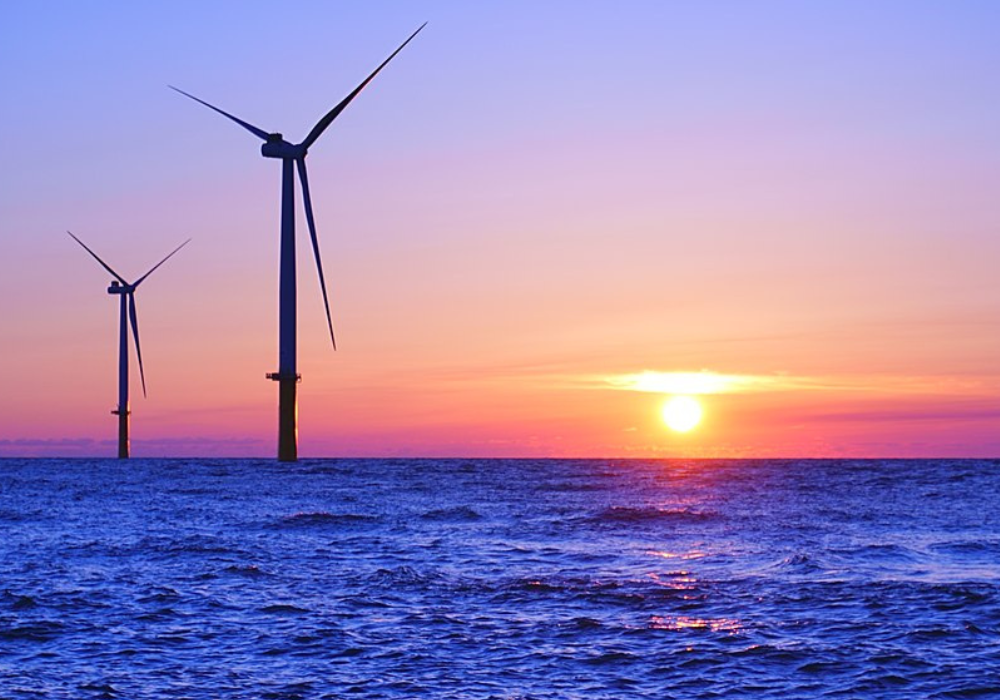
U.S. Offshore Wind Farms Could Shut Down — And the Stakes Are Enormous

Rising costs, lawsuits, and politics threaten U.S. offshore wind — with energy and climate goals on the line.

©Image license via Wikimedia Commons

The U.S. once saw offshore wind as a symbol of a cleaner, more secure future. Towering turbines off the coast promised jobs, steady energy, and a way to push back against climate change. But now that vision feels shaky.

Projects that were once hailed as groundbreaking are running into fierce headwinds—political battles, skyrocketing costs, and uncertainty about what comes next. Communities that hoped to benefit are left wondering if the future they were promised will actually arrive. The debate isn’t just about energy—it’s about the kind of country we want to be and how we choose to power it.

Read more