
From shifting vineyards to changing harvests, experts reveal why climate and farming are altering the flavor of your favorite wines.
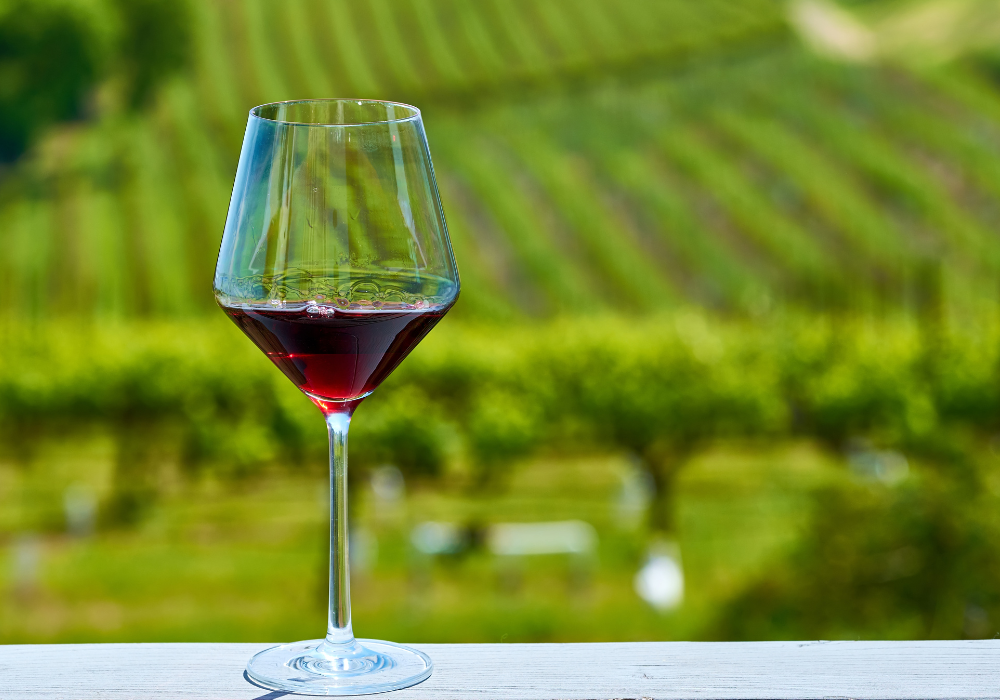
Wine lovers sometimes swear a favorite bottle doesn’t taste quite like it used to—and it turns out, they might be right. According to researchers at the University of California, Davis, subtle shifts in climate, vineyard practices, and even grape varieties are altering flavor profiles across the globe.
Warmer seasons can ripen grapes faster, change sugar levels, and affect acidity, all of which influence taste. Add in evolving winemaking techniques and global distribution, and the glass in your hand today might be noticeably different from the same label a decade ago. Here’s what’s behind the quiet transformation in your favorite pours.
1. Warmer temperatures change grape ripening
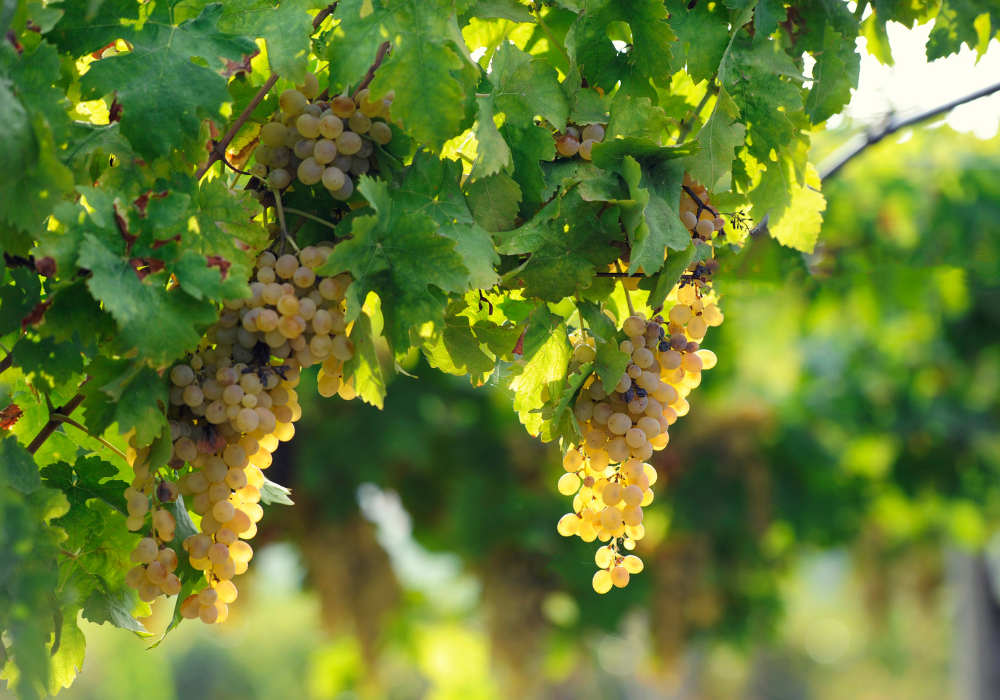
Grapes grown in warmer conditions tend to ripen more quickly, which can increase sugar levels and lower acidity. This shift often leads to bolder, more fruit-forward wines with higher alcohol content. While that can be appealing for certain styles, it can also throw off the balance that made older vintages so memorable.
Winemakers in traditionally cooler regions are now harvesting earlier to preserve acidity, while hotter regions may be experimenting with shade coverings or higher-altitude vineyards. The result is a noticeable difference in taste, even when the wine label and varietal appear exactly the same as years past.
2. Shifting harvest dates affect flavor balance
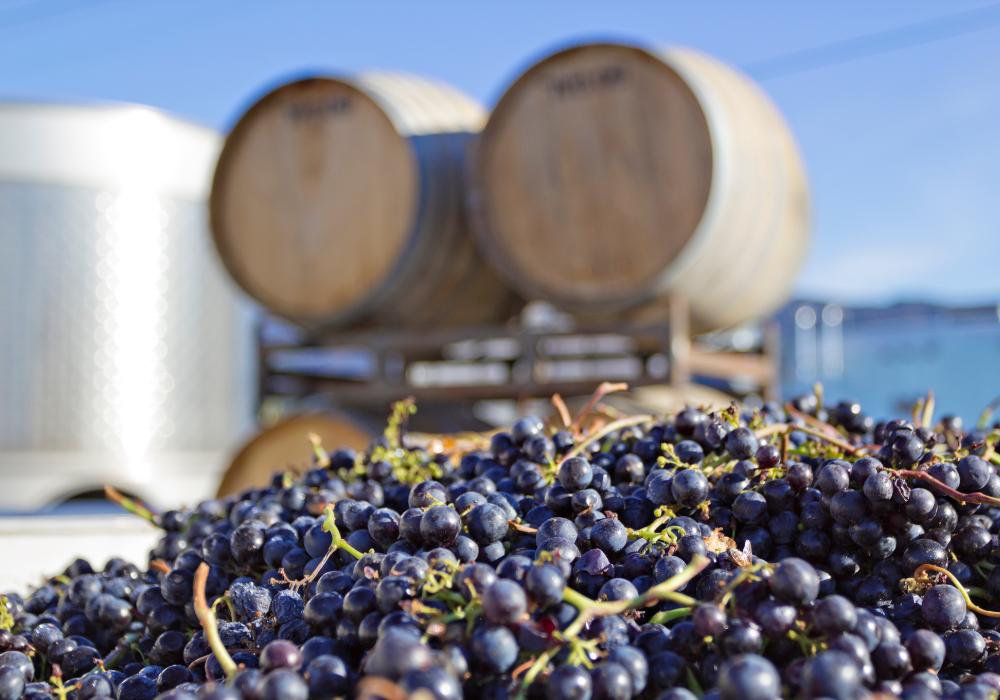
When grapes are picked earlier or later than in past decades, it can dramatically influence a wine’s profile. Early harvests tend to produce wines with brighter acidity and lighter body, while late harvests create richer, more concentrated flavors.
These shifts are often a response to weather patterns—hotter seasons force earlier harvests, while cooler or wetter years may delay them. In many wine regions, harvest dates have moved forward by one to two weeks compared to historical norms. That small change on the calendar can lead to a glass that tastes noticeably different from what longtime fans might remember.
3. Changes in rainfall alter grape composition
Rainfall isn’t just about keeping vines hydrated—it also influences grape flavor development. Too much rain close to harvest can dilute sugars, resulting in wines that taste less intense. Too little, and vines may produce smaller, more concentrated berries, which can create bold but sometimes unbalanced wines.
In areas experiencing longer dry spells, winemakers are relying more on irrigation, which can subtly affect taste and mouthfeel. Regions once known for crisp, refreshing wines may now yield richer, riper styles simply because rainfall patterns have shifted. These changes, while gradual, add up to noticeable differences in the bottle over time.
4. Vineyard locations are moving
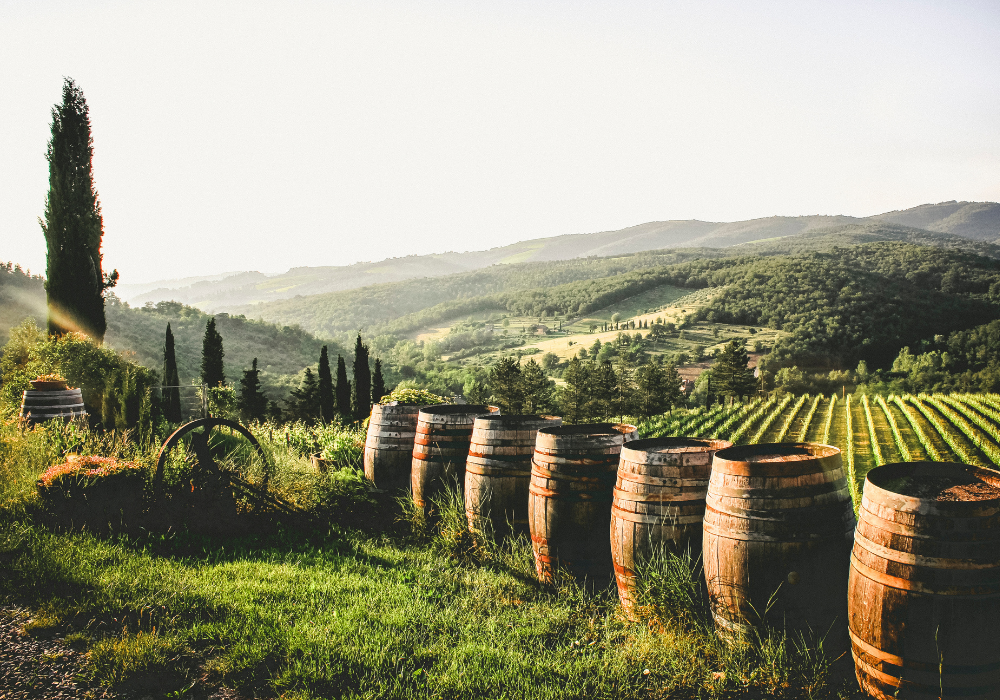
As climate patterns shift, some winemakers are planting vineyards in higher altitudes or cooler latitudes to maintain traditional flavor profiles. For example, warmer European regions are pushing into the foothills, while some North American producers are exploring northern states and provinces.
These new locations can preserve acidity and freshness in grapes, but they also introduce unique soil and microclimate influences. That means the same grape variety may express different characteristics compared to its original vineyard site. Over time, even a subtle change in terroir can make a familiar wine taste like a new experience for longtime enthusiasts.
5. Grape varieties are adapting—or being replaced
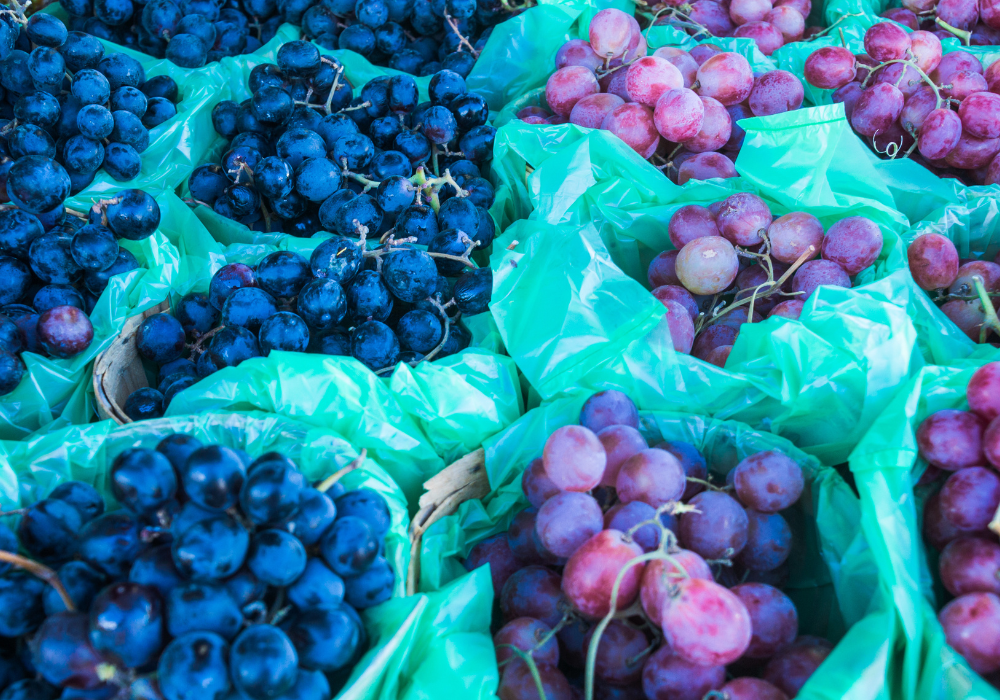
In regions where traditional grapes struggle with rising temperatures or changing rainfall, winemakers are experimenting with new varieties better suited to the conditions. That might mean introducing Mediterranean grapes to formerly cool climates or phasing out certain delicate varieties altogether. Even within the same varietal, winemakers may switch to heat-tolerant clones that subtly alter flavor.
While these adjustments help maintain vineyard productivity, they can result in wines with different aromas, textures, and finishes. For devoted fans of a particular wine, this evolution might feel like a departure from the familiar taste they’ve come to love over the years.
6. Oak aging practices are evolving
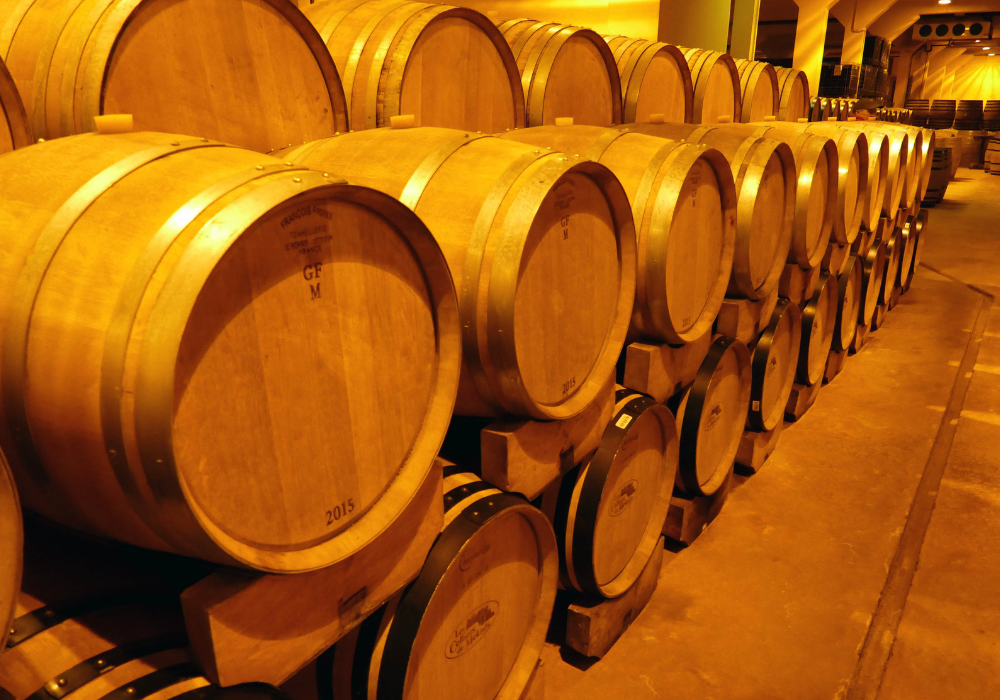
The type and amount of oak used in wine aging can significantly influence flavor, adding notes of vanilla, spice, or toast. In response to changing grape profiles, some winemakers are adjusting their oak usage—either reducing it to let fruit flavors shine or increasing it to add structure.
They may also switch between American, French, or Hungarian oak, each contributing different characteristics. These subtle shifts in aging practices can make a wine from the same label taste different than a decade ago. It’s part of a broader effort to adapt to evolving fruit and maintain balance in the final product.
7. Fermentation techniques are shifting
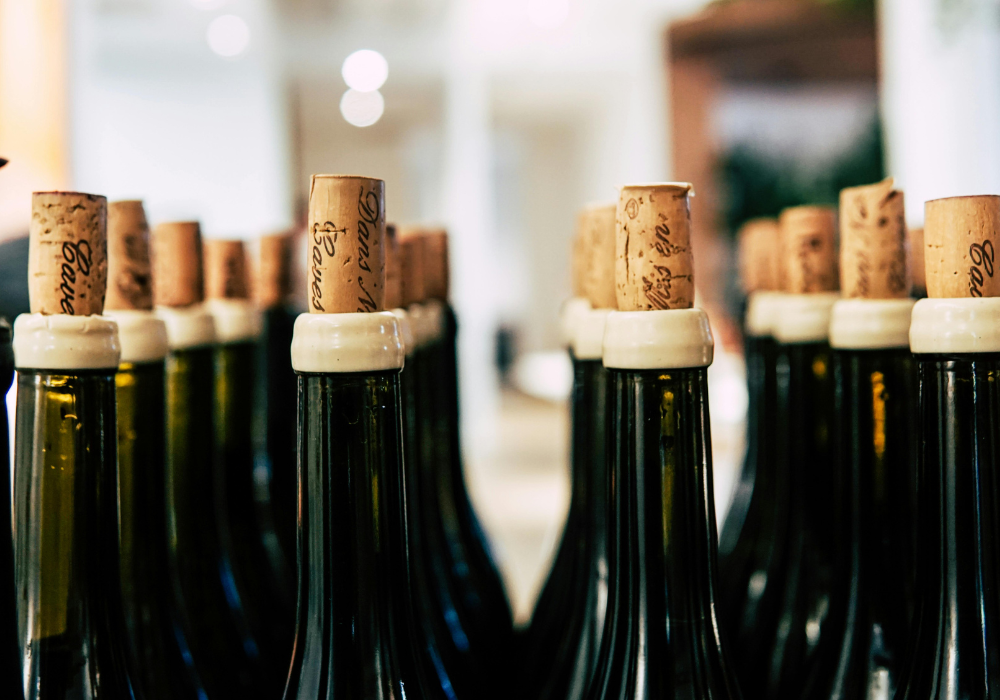
Advances in fermentation technology and a renewed interest in natural winemaking have influenced how wines taste. Some producers are experimenting with wild yeast fermentations for more complex, unpredictable flavors, while others rely on precise temperature control to maintain consistency. The choice of stainless steel, concrete, or oak for fermentation vessels also changes the wine’s texture and aroma.
As winemakers adapt their methods to shifting grape characteristics, the resulting wines can vary from their past profiles. These changes might be subtle to casual drinkers, but seasoned wine enthusiasts often notice the difference in structure, mouthfeel, and aromatic depth.
8. Smoke exposure from wildfires affects flavor
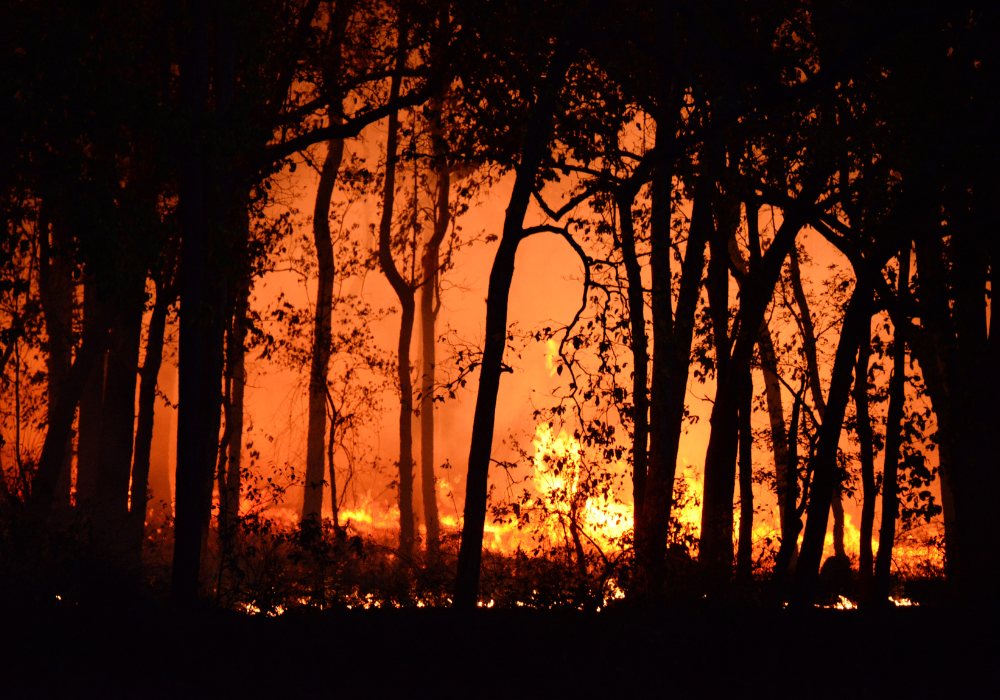
In regions prone to wildfires, smoke exposure during grape ripening can leave a distinct, sometimes unwanted, “smoky” or “ashy” note in the wine. This phenomenon, known as smoke taint, has become a growing concern in places like California and Australia.
While winemakers have developed techniques to minimize its impact, some vintages still carry a subtle smokiness that wasn’t present in earlier decades. Climate change is contributing to longer, more intense fire seasons, increasing the likelihood of smoke-affected harvests. For consumers, this means occasional flavor shifts that have little to do with winemaking style and everything to do with environmental realities.
9. Global distribution changes wine’s journey
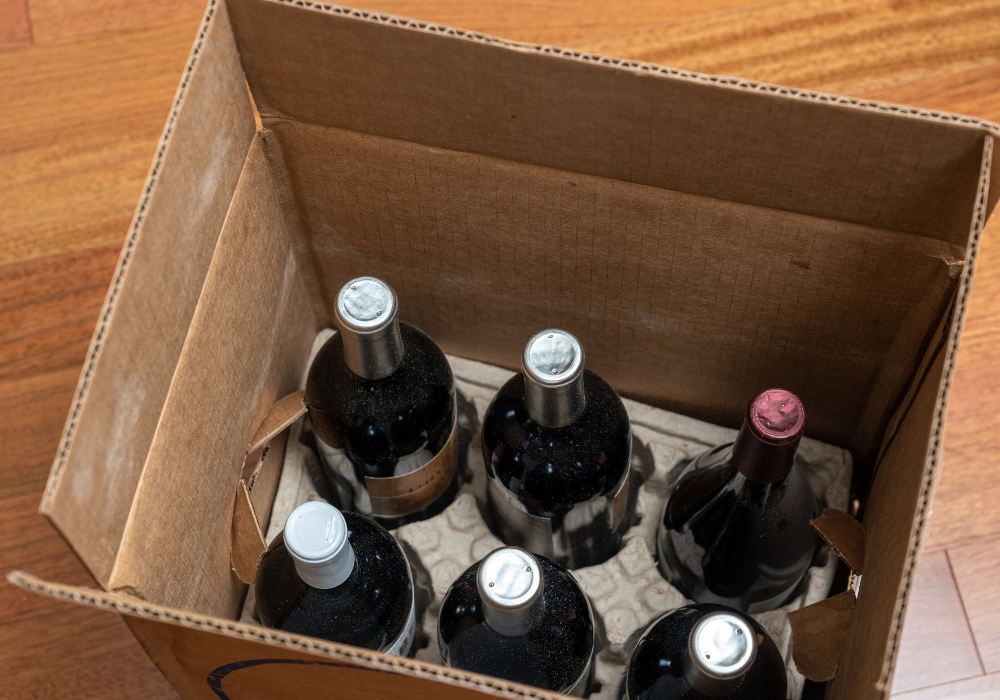
The path from vineyard to your glass is longer than it seems, and changes in shipping and storage can influence taste. Warmer global temperatures mean more risk of heat exposure during transport, which can prematurely age wine or alter its aroma. Distributors are adapting with climate-controlled shipping, but not every bottle enjoys ideal conditions. Even short-term storage in high heat can affect flavor integrity.
A wine shipped across the world today might arrive tasting slightly different than a similar vintage from a decade ago, simply because its journey was more stressful on the delicate chemistry inside the bottle.
10. Consumer preferences are influencing style
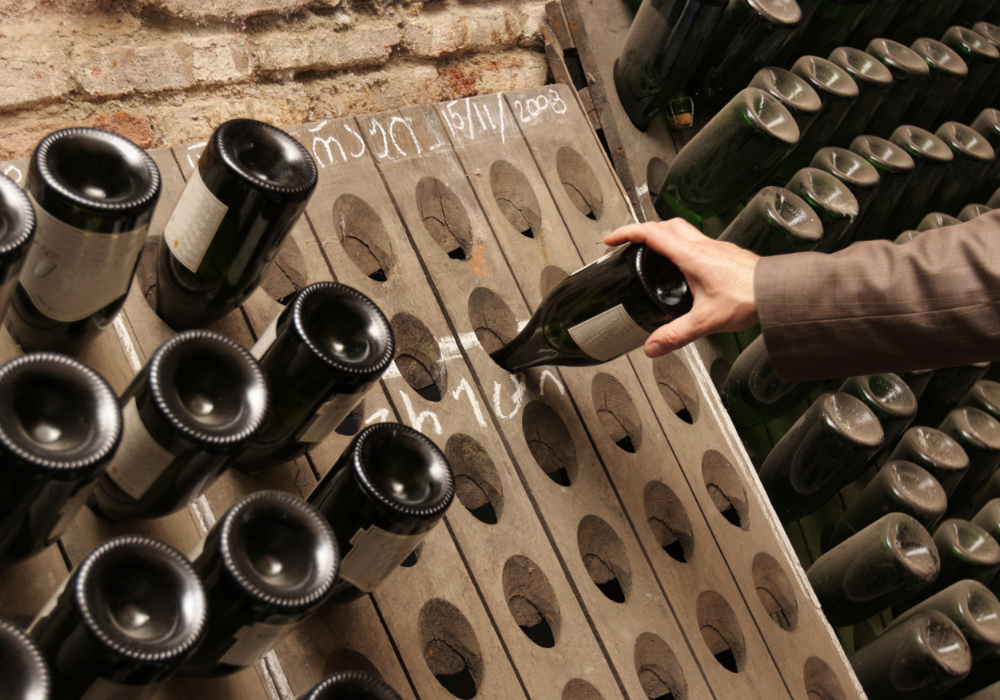
Winemakers don’t operate in a vacuum—they respond to what customers want. In recent years, there’s been a growing demand for approachable, fruit-forward wines with softer tannins, which can mean adjusting production techniques.
This shift might involve riper harvesting, different fermentation methods, or less time in oak, all of which change the final taste. A wine that once had firm structure and long aging potential might now be crafted for earlier drinking. Over time, these consumer-driven adjustments can make even well-known labels taste noticeably different from the versions enjoyed a decade ago.
11. Technology is fine-tuning the final product

Modern technology gives winemakers more control than ever over a wine’s final profile. Tools like reverse osmosis, micro-oxygenation, and precision temperature control allow for adjustments in alcohol, acidity, and tannin structure. While these methods can improve balance and consistency, they can also shift a wine’s style compared to older vintages that relied more on natural variation.
For consumers, the result may be a smoother, more polished wine—but also one that feels different from the rustic, less predictable versions of the past. It’s a reminder that wine is as much about human choices as it is about nature.