Why the Evidence for Climate Change Is Impossible to Ignore

From melting glaciers to record heat, the data shows undeniable proof of our changing planet.

©Image license via Canva

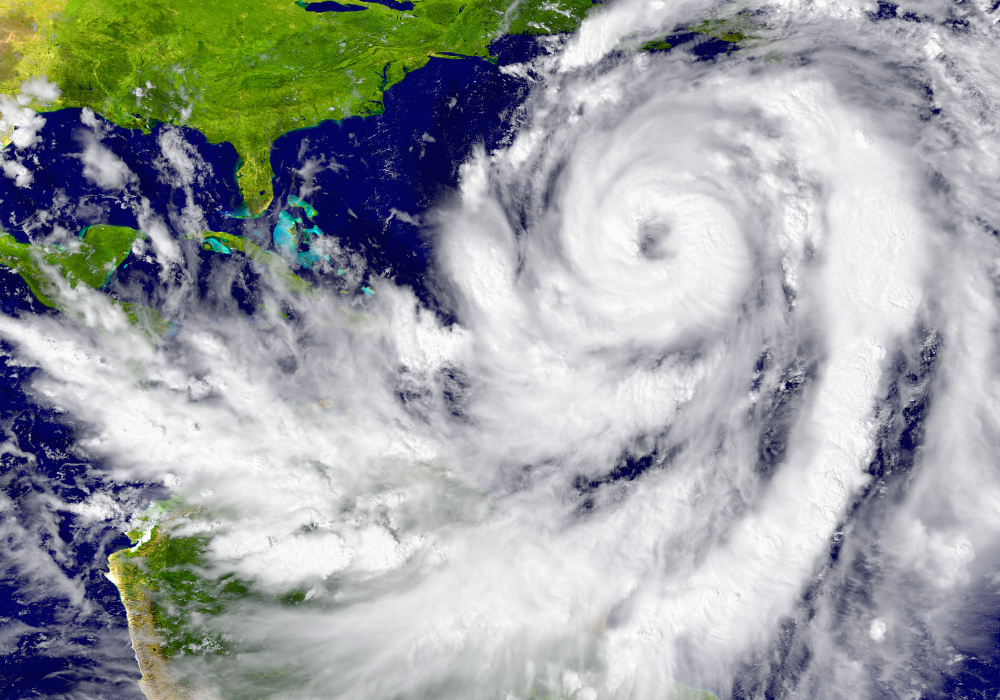
The debate is over—not among scientists, but in the data itself. Every thermometer, satellite, ice core, and ocean buoy on Earth is telling the same story: our planet is changing at an unprecedented pace. 2024 was officially declared the hottest year on record, capping off a decade of broken climate records that would have been considered impossible just generations ago.

While politicians and pundits continue to argue, the physical world around us is transforming in ways that are becoming impossible to ignore. The evidence isn’t subtle anymore—it’s screaming at us from every corner of the globe.
Read more

New Orleans Faces a Flood Threat Worse Than Katrina—Here’s Why

Sinking land, rising seas, and aging levees create a perfect storm for catastrophic flooding.

©Image license via Canva

Twenty years after Hurricane Katrina, New Orleans should feel safer. The city spent $15 billion building bigger levees, stronger floodwalls, and better pumps. But new research reveals a disturbing truth: the very flood defenses meant to protect the city are sinking into the ground faster than anyone expected.

Some areas are losing nearly two inches of elevation every year, while sea levels keep rising. It’s like trying to build a sandcastle while the tide is coming in and the sand keeps washing away beneath your feet.

Scientists warn that this combination of sinking land and rising water could create flooding scenarios even worse than Katrina. The city that rebuilt itself to be stronger might actually be more vulnerable than ever before.

Read more

The Hidden Ice Collapse Under Antarctica That Could Flood Cities Worldwide

Scientists warn a massive Antarctic ice collapse could trigger flooding that reshapes coastlines across the globe.

©Image license via Wikimedia Commons

While politicians debate climate policy and scientists measure global temperatures, something catastrophic might already be happening beneath your feet—or rather, beneath the world’s most remote ice sheets.

Deep under Antarctica’s frozen surface, warm ocean water is quietly eating away at massive ice shelves that hold back enough ice to raise global sea levels by several feet. This isn’t a distant future scenario that might happen in 100 years; satellite data shows the collapse is accelerating right now, and some researchers believe we’ve already crossed critical tipping points that make catastrophic flooding inevitable.

Read more

Feeling Off Lately? The Weather Might Be to Blame

Scientists reveal how changing weather patterns can influence mood, energy, and mental health more than you might expect.

©Image license via Canva

Some days you wake up ready to take on the world, and other days it feels like you’re dragging through fog—mentally and physically. While it’s easy to blame stress, sleep, or diet, the weather outside your window could be quietly pulling strings on how you feel.

From shifts in sunlight to swings in temperature, changes in the atmosphere can ripple through your brain chemistry in ways you might not expect. Understanding this connection won’t make you immune to bad moods, but it can help you work with the forecast instead of feeling blindsided by it.

Read more

12 Daily Habits That Build Discipline and Consistency in an Uncertain World

Simple, proven habits to sharpen focus, strengthen self-control, and stay consistent no matter what life throws your way.

©Image license via Canva

Some days, showing up for yourself feels effortless. Other days, it’s a battle just to start. Discipline and consistency aren’t about superhuman willpower—they’re about shaping small, repeatable actions into part of who you are. In a world that can change overnight, relying on motivation alone is a gamble. Habits, on the other hand, give you something steady to hold on to.

They’re what keep you moving when your mood, energy, or circumstances want to pull you off course. Build them with intention, and you’ll be able to navigate uncertainty without losing your direction or your momentum.

Read more

12 Incredible Ways Wildlife Are Transforming Trash Into Treasure

From birds to sea creatures, discover 12 remarkable ways wildlife adapt by turning human waste into tools, homes, and survival aids.

©Image license via Wikipedia Commons

Some animals aren’t just surviving in a world full of human trash—they’re adapting in surprisingly clever ways. From birds weaving plastic into their nests to crabs finding shelter in bottle caps, wildlife around the globe is turning our waste into unexpected tools for daily life.

According to conservation researchers, these behaviors can be both resourceful and risky, blending ingenuity with environmental challenge. Each example is a reminder that nature is constantly evolving to meet new realities—sometimes in ways we never imagined.

Read more

How Scientists Are Turning Old Electronics Into Wildlife-Saving Tech

Researchers are repurposing discarded electronics into wildlife cameras, sensors, and trackers, giving e-waste a second life in conservation.

©Image license via Canva

What happens to your old phone, camera, or laptop once it’s tossed aside? For a growing number of scientists and conservationists, the answer isn’t a landfill—it’s the wild. Around the world, researchers are salvaging parts from discarded electronics to build gadgets that track, monitor, and protect endangered species.

From field sensors hidden in forests to underwater cameras capturing rare marine life, these creative tools are proving that e-waste can have a second life with serious impact. The results are as ingenious as they are inspiring—here’s how tech trash is being transformed into a force for protecting biodiversity.

Read more

Want to Fight Climate Change? Start With These 12 Diet Tweaks

Your meals matter more than you think—these 12 diet tweaks can cut emissions and fight climate change.

©Image license via Canva

You’ve probably switched to LED bulbs and considered buying an electric car, but there’s a powerful climate action sitting right in your kitchen that you might be overlooking. Your daily food choices have a massive environmental impact—sometimes bigger than your transportation decisions.

The average American diet generates about 4 tons of CO2 annually, but small changes in what you eat and how you shop can cut that number dramatically without requiring you to become a full-time vegan or grow your own vegetables. The beautiful thing about climate-friendly eating is that most changes also happen to be healthier, cheaper, or more delicious than the alternatives.

Read more

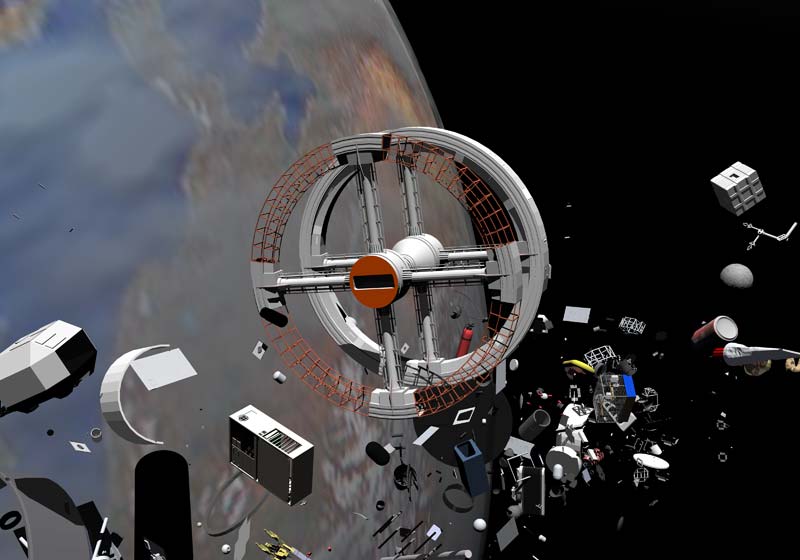
Space Junk Is Piling Up—Here’s How It Could Impact Life on Earth

Defunct satellites and orbital debris are creating risks for technology, space missions, and even daily life here on Earth.

©Image license via Wikimedia Commons

Space isn’t as empty as it looks. Orbiting above us is a growing cloud of dead satellites, broken rocket parts, and fragments from past collisions—collectively known as space junk. While it might seem far removed from daily life, this orbital clutter can disrupt communications, threaten astronauts, and even fall back to Earth.

According to NASA, there are more than 30,000 tracked pieces of debris and countless smaller ones that can still cause serious damage. From potential tech blackouts to fiery re-entries, here’s how space junk is creating ripple effects that reach far beyond the vacuum of space.

Read more

10 “Healthy” Snacks That Are Basically Dessert in Gym Clothes

These so-called healthy snacks with hidden sugar are basically dessert in disguise.

©Image license via Canva

Some snacks wear yoga pants and carry water bottles, but underneath, they’re still all about the sugar. We’ve been taught to reach for “healthy snacks” when hunger hits, trusting the labels that promise protein, whole grains, and wholesome goodness. But not everything in the health-food aisle is as saintly as it looks.

Hidden sugar, sneaky calories, and dessert-level indulgence can lurk behind even the most innocent-looking packaging. And while enjoying a treat now and then is part of living well, knowing what you’re really eating can help you make smarter choices—without giving up the flavors you love.

Read more