A Disturbing New Kind of Acid Rain Could Threaten Ecosystems, Experts Warn

A newly discovered form of acid rain could pose fresh risks to health, crops, and ecosystems, scientists caution.
©Image license via Canva

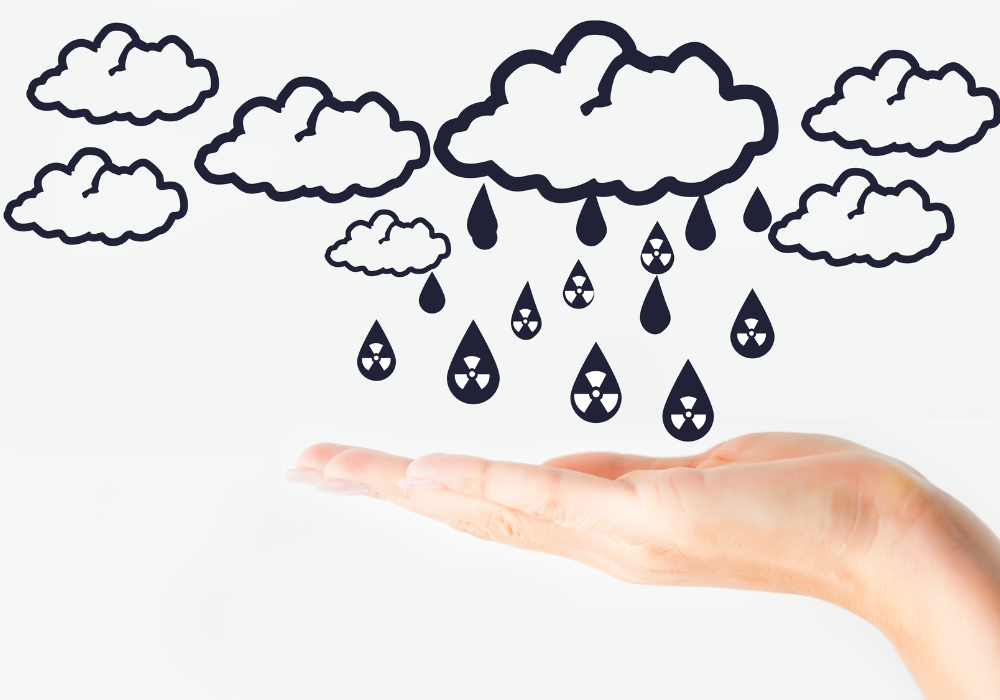
Scientists are warning about a brand-new form of acid rain—trifluoroacetic acid (TFA)—a tiny but persistent “forever chemical” that’s now turning up everywhere: in rainwater, groundwater, Arctic ice, wine, crops, and even human blood. A recent team of environmental researchers described this growing threat to Earth’s systems and human health.

Unlike classic acid rain—created from sulfur and nitrogen emissions—TFA sticks around, resisting cleanup and accumulating in ways scientists are only beginning to understand. Experts say if levels of TFA keep rising unchecked, it could strain ecosystems, impact public health, and challenge global efforts to keep our planet habitable.

Read more

10 Ominous Climate Signs We Weren’t Supposed to See This Soon

From melting ice shelves to record heat, these early climate warnings reveal a planet changing faster than predicted.

©Image license via Canva

The signs are getting harder to ignore. What once felt like distant warnings about the planet’s future are now showing up in real time, faster than anyone expected. You don’t have to be a scientist to notice the changes—hotter summers, strange weather swings, and seasons that don’t feel quite right.

It’s unsettling because it challenges the idea that we have decades to prepare. The pace is picking up, and with it comes a growing sense of urgency. Whether you follow climate news closely or not, the world outside your window is telling a story that’s impossible to overlook.

Read more

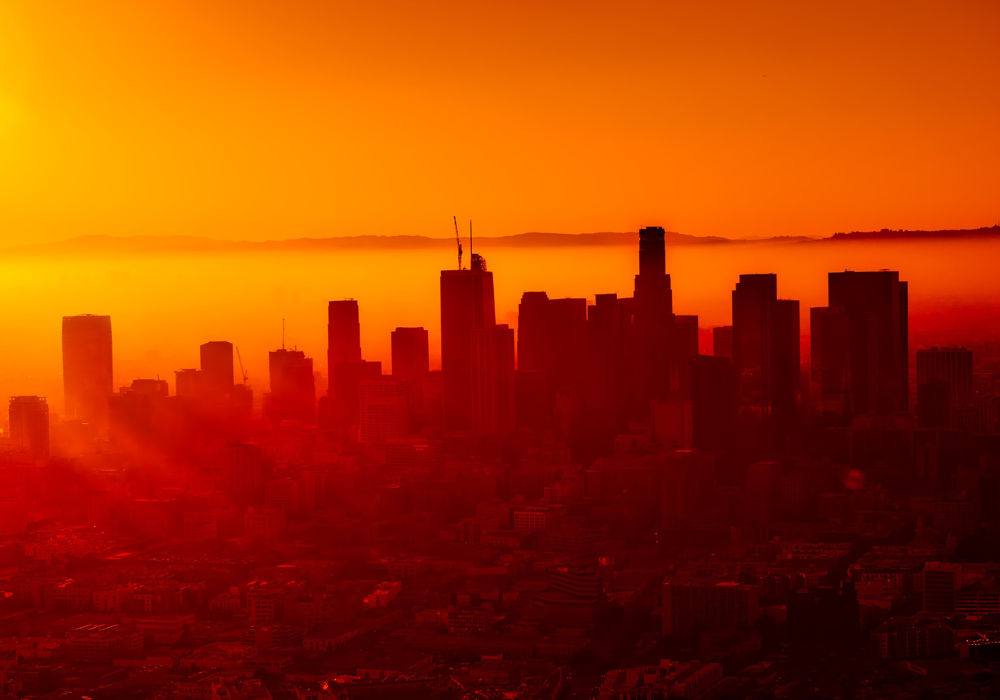
Relentless Heat Is America’s New Normal—And It’s Here to Stay

Scientists warn rising temperatures will fuel decades of extreme heat across the U.S., threatening health, infrastructure, and daily life.

©Image license via Canva

Relentless heat is becoming the United States’ new normal, with scientists warning it will grip the nation for decades. According to researchers at the National Oceanic and Atmospheric Administration, rising global temperatures are fueling longer, more intense heat waves that strain infrastructure, damage crops, and threaten public health. In some regions, the number of dangerously hot days has doubled compared to historical averages.

As communities adapt to this shifting climate reality, experts say preparation—both at the individual and government level—will be key to reducing risks. But even the most aggressive adaptation measures can’t fully eliminate the impacts already locked in.

Read more

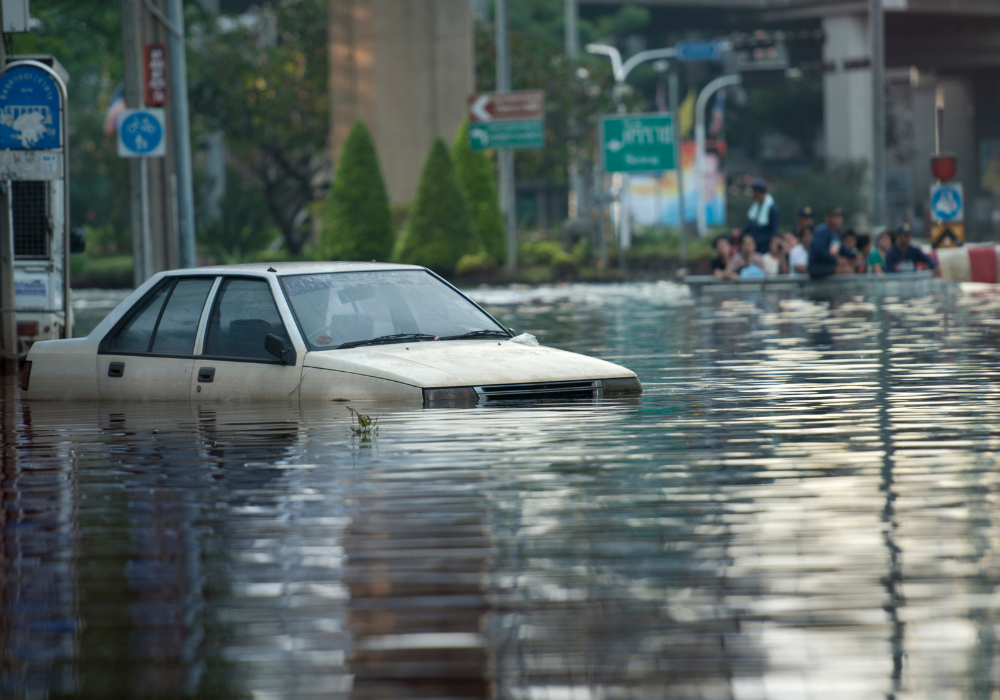
Sudden Cloudburst Turns Deadly—Flash Floods Kill Over 150 in Pakistan

Torrential rains triggered sudden flash floods across Pakistan, sweeping away homes and leaving entire communities devastated.

©Image license via Canva

Torrential rains unleashed a massive cloudburst over parts of Pakistan this week, triggering flash floods that have left at least 159 people dead and thousands more displaced. The sudden deluge, which came with little warning, swept through villages, destroyed infrastructure, and submerged farmland.

Officials warn the death toll could rise as rescue teams struggle to reach cut-off communities. While flash floods are not uncommon during the monsoon season, the scale and speed of this disaster have stunned residents and officials alike, prompting renewed questions about preparedness, climate patterns, and the vulnerability of flood-prone regions.

Read more

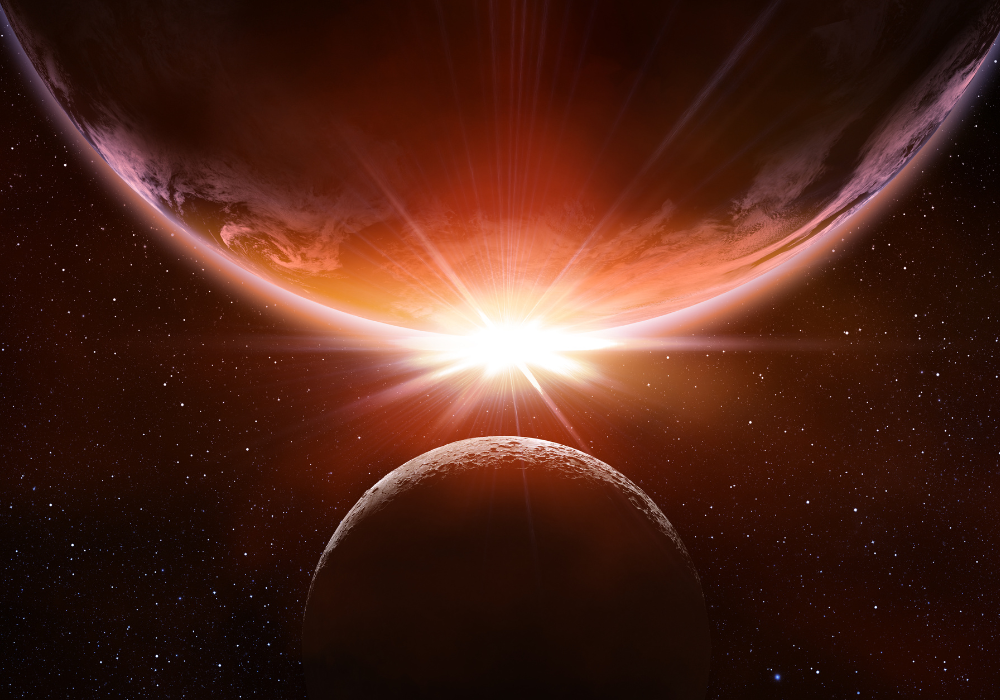
The Surprising Climate Impact of Planetary Moons

Scientists reveal how moons shape weather patterns, ocean tides, and atmospheric conditions across the solar system.

©Image license via Canva

When you look up at the moon, you probably think of it as a pretty but fairly useless rock floating in space. Turns out, you couldn’t be more wrong. Scientists are discovering that moons are actually some of the most important climate controllers in the universe, quietly shaping weather and keeping planets livable in ways most people never imagine.

Our moon isn’t just creating those twice-daily tides at the beach. It’s literally holding Earth’s climate together and preventing us from experiencing the kind of catastrophic weather changes that would wipe out all life. And it’s not just Earth’s moon doing important work—moons throughout the solar system are creating weather, generating heat, and even making their own atmospheres.

Read more

What Today’s 5-Year-Olds Will Face as Adults: Climate Reality Check

From rising seas to extreme weather, here’s how climate change will reshape the world your child grows up in.

©Image license via Canva

Picture your child at their high school graduation in 2037. The world they’re stepping into will look dramatically different from the one you grew up in. While children today play outside and dream about their futures, climate scientists are mapping out a planet that will challenge every assumption about normal life.

Rising temperatures aren’t just numbers on a chart—they’re reshaping everything from the foods we eat to the places we can live. The kids building sandcastles today will inherit coastlines that may no longer exist, seasons that arrive at unexpected times, and weather patterns that would seem extreme to us now.

Read more

Millennials Are Abandoning Traditional Retirement Plans Because of Climate Change

Rising climate costs, extreme weather, and economic uncertainty are forcing young adults to abandon traditional financial planning.

©Image license via Canva

Financial advisors are noticing something different about their millennial clients—many are questioning whether traditional retirement planning makes sense in a world facing climate change.

While previous generations focused on maximizing 401(k) contributions and buying homes, today’s young adults are grappling with questions their parents never had to consider: Will my coastal property be underwater in 30 years? Should I invest in companies that contribute to climate problems? How do I plan for retirement when I’m not sure what the world will look like?

This shift in thinking is leading to new approaches to financial planning that factor in environmental concerns alongside traditional investment goals.

Read more

Plastic and Pregnancy: What Expecting Parents Need to Hear

New research reveals how plastic chemicals can cross the placenta and affect fetal development, creating health risks for babies.

©Image license via Canva

From the water bottle you drink from to the food containers in your refrigerator, plastic is everywhere in modern life—and new research is revealing concerning connections between plastic exposure during pregnancy and potential health risks for developing babies.

Scientists have discovered that chemicals from plastics can cross the placenta and reach growing fetuses, potentially affecting everything from brain development to hormone function. A recent study found plastic chemicals in 100% of placenta samples tested, while another detected microplastics in newborn blood just hours after birth.

While the full implications are still being studied, health experts are advising pregnant women to take simple precautions to reduce plastic exposure during this critical developmental window.

Read more

Scientists Are Getting Closer to Finding Life on Distant Planets—Here’s How

New telescopes and detection methods are revealing potentially habitable worlds and chemical signatures of alien life.

©Image license via Wikimedia Commons

The search for life beyond Earth used to be pure science fiction, but it’s quickly becoming science fact. In just the past few years, scientists have discovered thousands of planets orbiting other stars, and they’re getting incredibly good at figuring out which ones might actually host life. We’re not talking about little green men or flying saucers—we’re talking about detecting the chemical fingerprints that living organisms leave behind in planetary atmospheres.

What makes this moment in history so exciting is that we finally have the technology to actually find answers to the biggest question humans have ever asked: Are we alone? Between revolutionary new telescopes and incredibly sensitive detection methods, scientists are closer than ever to discovering life on distant worlds.

Read more

The 11 Human Activities Pushing Species to Extinction Faster Than Ever

From habitat destruction to pollution, experts reveal how everyday actions are creating Earth’s worst extinction crisis.

©Image license via Canva

We’re living through what scientists call the sixth mass extinction, and this time humans are the asteroid. Species are disappearing at rates between 100 to 10,000 times faster than they would naturally, which means we’re witnessing the fastest extinction crisis in Earth’s history. Unlike past mass extinctions caused by cosmic catastrophes, this one is happening because of things we do every single day.

The scary part is that most people have no idea their normal activities are contributing to a crisis that could reshape life on Earth forever. From the coffee you drink to the way you get to work, human activities are pushing thousands of species toward extinction faster than they can adapt or recover.

Read more