The Apocalyptic Events That Already Happened—and What They Warn About Our Future

Why the Maya and other fallen empires offer surprising hope for today.

©Image license via World History Encyclopedia

Ancient history is littered with tales of collapse—forgotten cities, devastating droughts, and entire civilizations that seemingly vanished, like the Classic Maya. We often view these apocalyptic events as terrifying cautionary tales, believing they prove humanity is fragile in the face of catastrophe. However, archaeologists studying these ruins are challenging that narrative. They see not final endings, but profound societal transformations. By examining how survivors of these dark periods adapted and reinvented their world, we find unexpected inspiration and a powerful blueprint for resilience for facing our own intertwined modern crises.
Read more

When a Small-Town Museum Curator Uncovered a Fish Thought Extinct for 66 Million Years

A lone fisherman’s routine catch in 1938 revealed a creature scientists believed vanished with the dinosaurs.

©Image license via Flickr/Tim Evanson

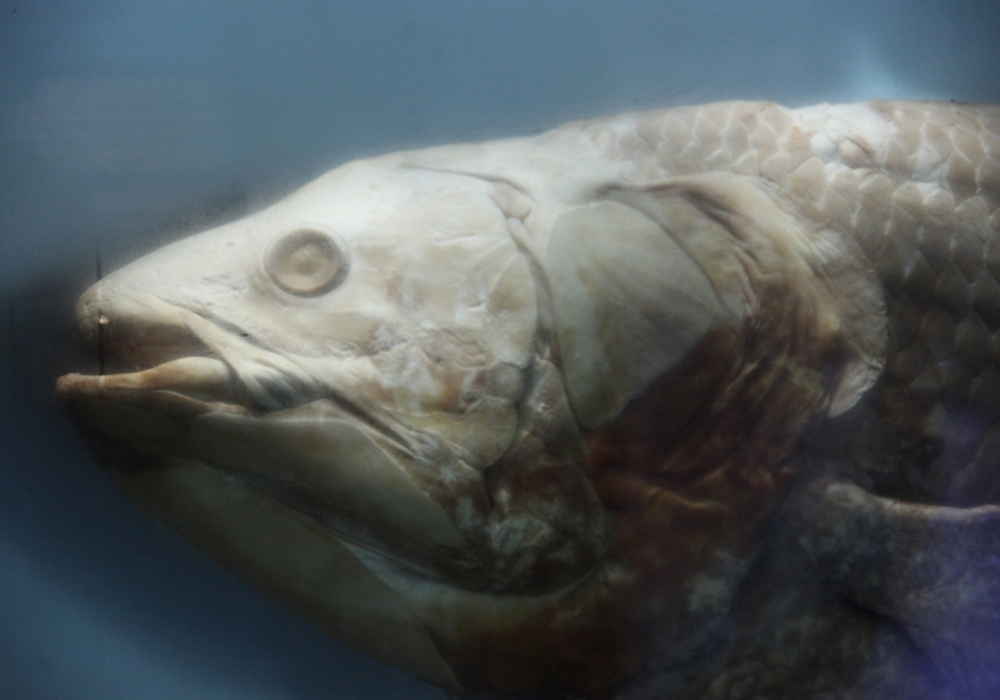
A routine catch off the coast of South Africa in 1938 led to one of the most astonishing scientific discoveries of the century. When a small-town museum curator examined a strange blue fish brought in by a local fisherman, she realized it resembled a species believed to have vanished 66 million years ago. Her persistence set off an international scramble to confirm the find, ultimately revealing that a creature thought lost since the age of dinosaurs had somehow survived in the deep.

Read more

The Surprising Reason Modern Human Faces Don’t Look Like Neanderthals

Scientists have uncovered a hidden developmental clue that changed the shape of the human face forever.

©Image license via Planet Sage/Chat GPT

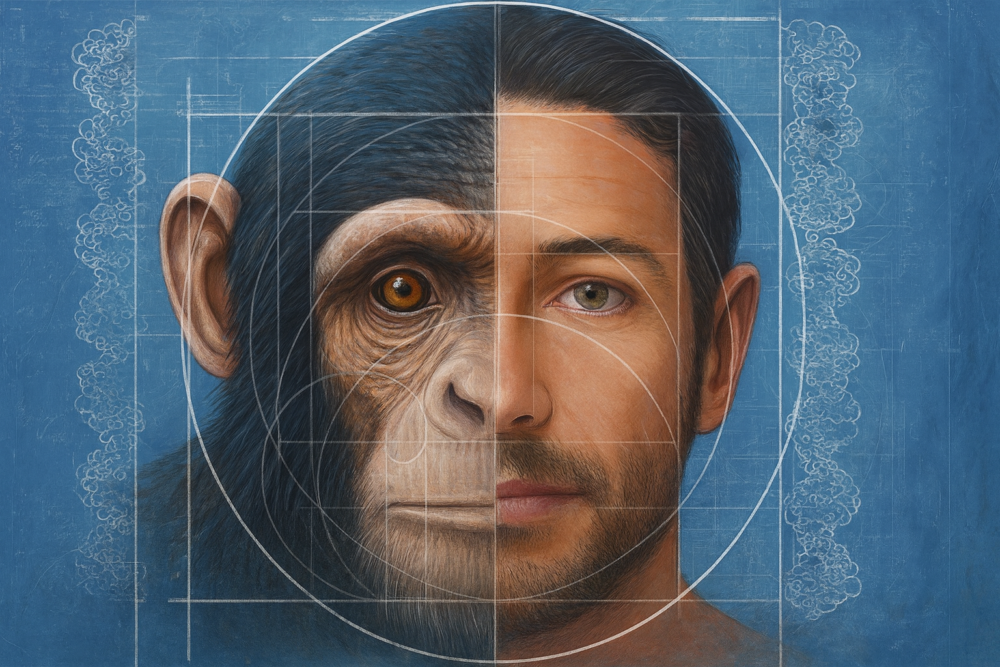
Modern human faces look drastically different from Neanderthal faces, and scientists have finally pinpointed why. A new study reveals that the difference comes down to how our faces grow and remodel during childhood. While Neanderthals built their facial bones outward, giving them strong, protruding features, modern humans grow differently. Our faces slowly flatten and reshape as bone is added in some places and removed in others. These small developmental changes create completely different adult features—and they may explain why we evolved such distinct appearances despite sharing ancient ancestry.

Read more

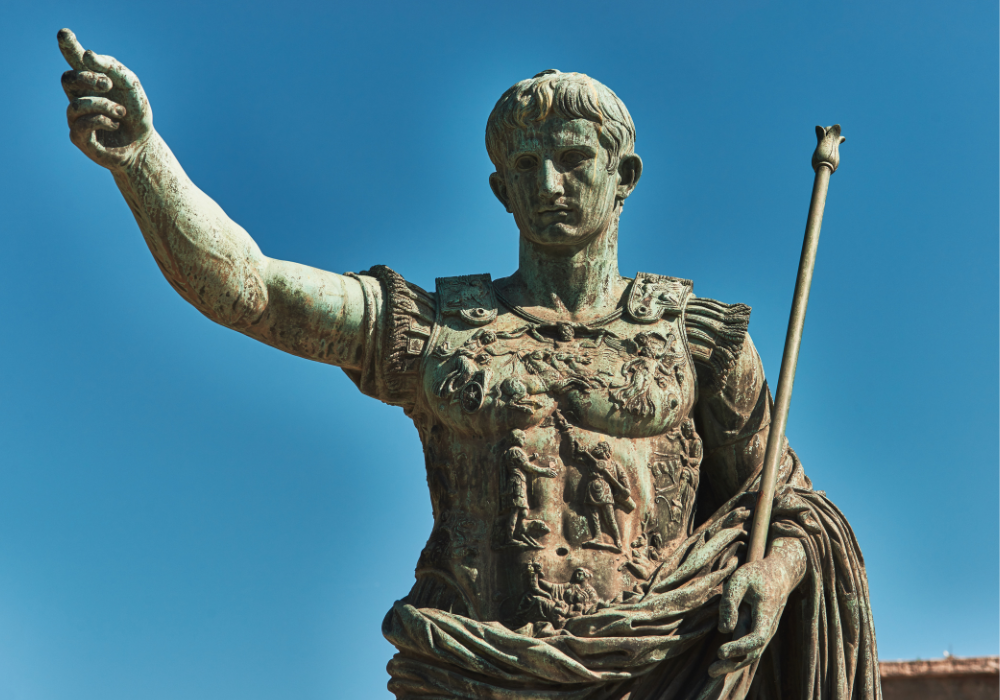
Did Romans Really Leave the Disabled to Die? The Surprising New Evidence

Archaeologists reveal the complex truth about care, neglect, and survival in the empire.

©Image license via Canva

It’s a common—and frankly, chilling—idea: that Romans were so focused on strength, they simply left anyone with a disability to die. Ancient sources hint at this brutality, suggesting that infants with visible differences were exposed. But what does the hard archaeological evidence actually show us? Turns out, the real story is much more complicated. New discoveries from Roman sites are rewriting this narrative, revealing a surprising mix of cruelty, survival, and even compassion that shaped the lives of disabled people across the mighty empire.

Read more

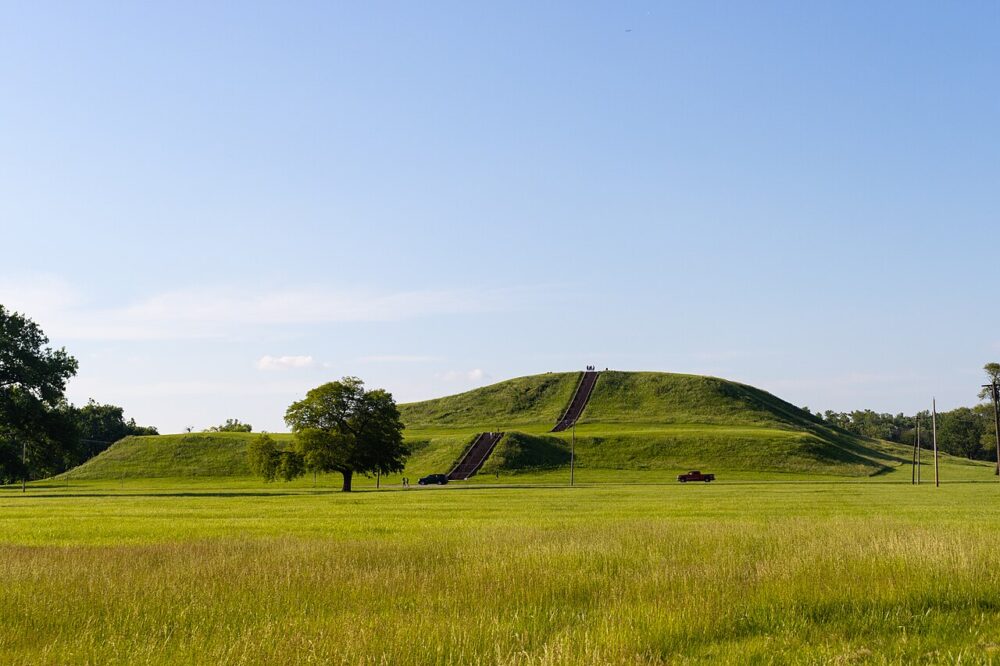
This Native American City Once Rivaled London — And You’ve Probably Never Heard Its Name

Archaeologists say Cahokia was a thriving urban center that rivaled London long before Europeans arrived.

©Image license via Wikimedia Commons

Archaeologists are shedding new light on Cahokia, a massive Native American city that thrived near present-day St. Louis a thousand years ago. At its height, Cahokia rivaled medieval London in size, influence, and complexity—yet most people have never heard of it. New findings show it was a bustling urban center with towering earthen mounds, vast plazas, neighborhoods, and a sophisticated society that reshapes what we thought we knew about early North America. Experts say its rise and fall reveal surprising truths about Indigenous innovation long before European contact.

Read more

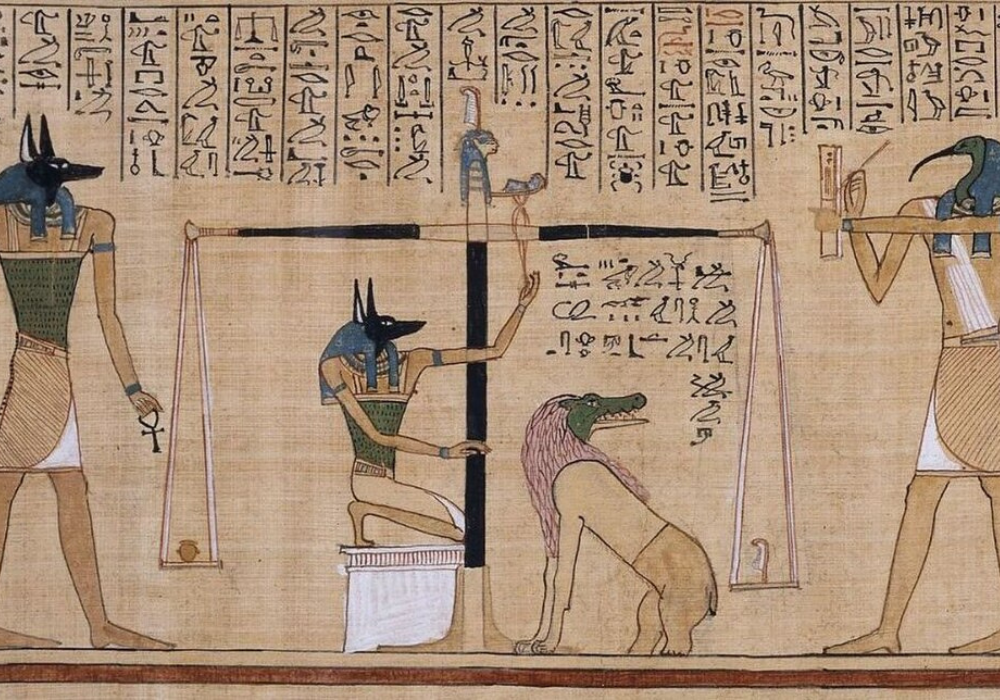
Archaeologists Just Found a Lost Book of the Dead — Hidden for 3,000 Years in an Egyptian Tomb

A remarkably preserved funerary scroll is shedding new light on how ancient Egyptians prepared for the afterlife.

©Image license via Wikimedia Commons

Archaeologists working in Egypt have uncovered a rare funerary scroll containing spells from the ancient Book of the Dead—one of the civilization’s most important religious texts. The manuscript, found in a burial shaft at Saqqara, had been sealed underground for thousands of years. Written for the deceased to navigate the afterlife, the scroll includes protective spells, ritual instructions, and passages meant to guide the soul safely to the next world. Discoveries like this are exceptionally rare, and researchers say it offers a deeper look at how ordinary Egyptians prepared for eternity.

Read more

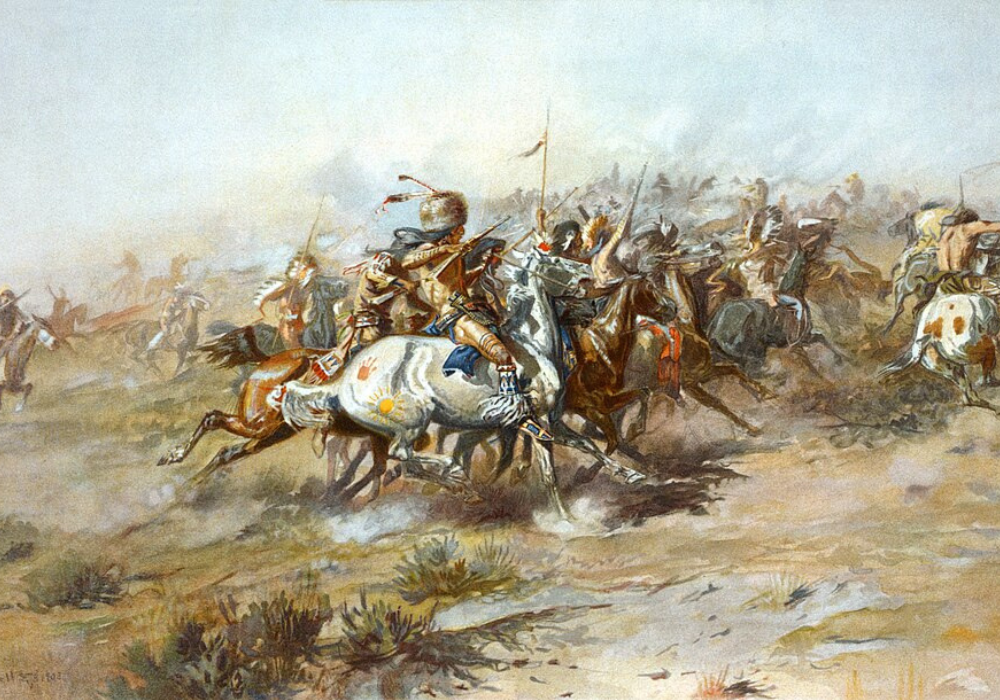
What Really Happened at Little Bighorn? The Hidden Story Behind a Nation-Shaping Clash

New evidence and long-overlooked accounts are reshaping our understanding of one of America’s most pivotal battles.

©Image license via Wikimedia Commons

The Battle of Little Bighorn remains one of the most analyzed and debated conflicts in American history. Fought on June 25–26, 1876, it pitted Lt. Col. George Armstrong Custer and the U.S. 7th Cavalry against a coalition of Lakota Sioux, Northern Cheyenne, and Arapaho warriors. For decades, popular narratives focused on Custer’s dramatic defeat, but modern research—including archaeological studies and Native oral histories—has transformed our understanding of what actually happened. The battle was far more complex, chaotic, and consequential than earlier accounts suggested.

Read more

Archaeologists Found a 4,000-Year-Old Handprint — and It Was Never Meant to Be Seen

A faint handprint on the bottom of a 4,000-year-old soul house is offering a rare glimpse of its ancient maker.

©Image license via Planet Sage/Chat GPT

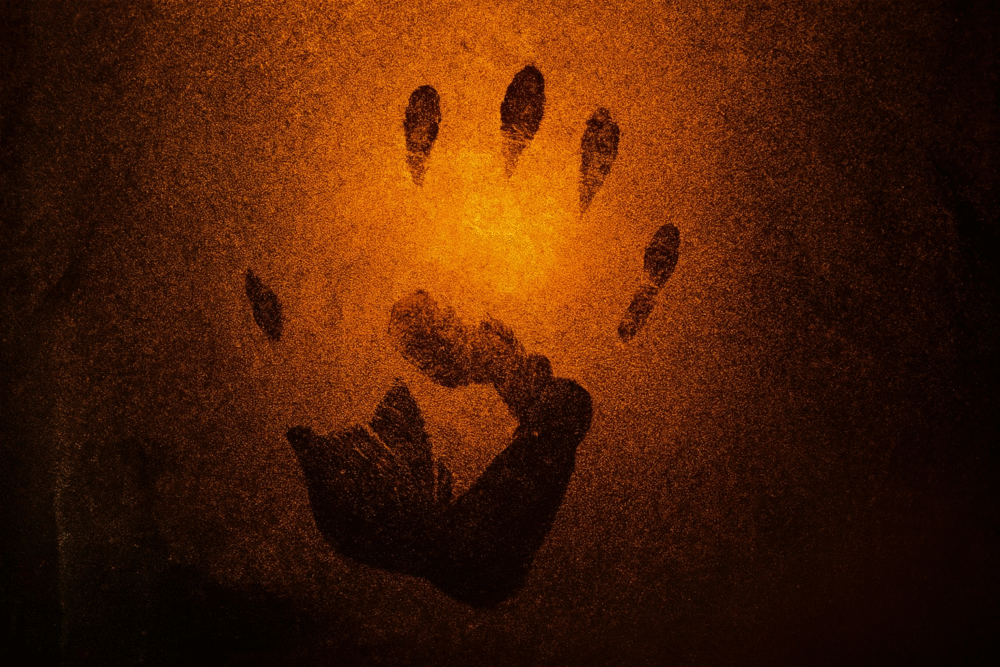
Scientists are revisiting a remarkable artifact after spotting something no one had noticed before: a 4,000-year-old handprint pressed into the underside of an ancient Egyptian “soul house.” These clay models were placed in tombs as symbolic homes for the dead, and the handprint—never meant to be seen—was left by the potter who crafted it. Researchers say the accidental mark offers an unexpectedly intimate glimpse into the life of an anonymous worker whose touch survived across four millennia, revealing humanity in a place no one thought to look.

Read more

The Pacific Just Revealed a WWII Secret Hidden for 82 Years

A long-missing WWII destroyer has finally been identified on the Pacific seafloor.

©Image license via Wikimedia Commons

For more than 82 years, the fate of the USS Edsall—a Clemson-class destroyer nicknamed the “Dancing Mouse”—remained one of World War II’s great naval mysteries. The ship vanished in 1942 after a desperate battle against overwhelming Japanese forces, leaving historians with only scattered accounts of its final moments. Now, researchers analyzing underwater footage and long-hidden clues have identified a wreck that matches the Edsall with remarkable precision. The discovery finally clarifies what happened to the legendary destroyer and brings new insight into a dramatic chapter of early Pacific War history.

Read more

The Great Lakes Look Calm — But Their Waters Hide a Deadly Secret

Historians explain why the Great Lakes hold one of the largest shipwreck graveyards on Earth.

©Image license via Great Lakes Now

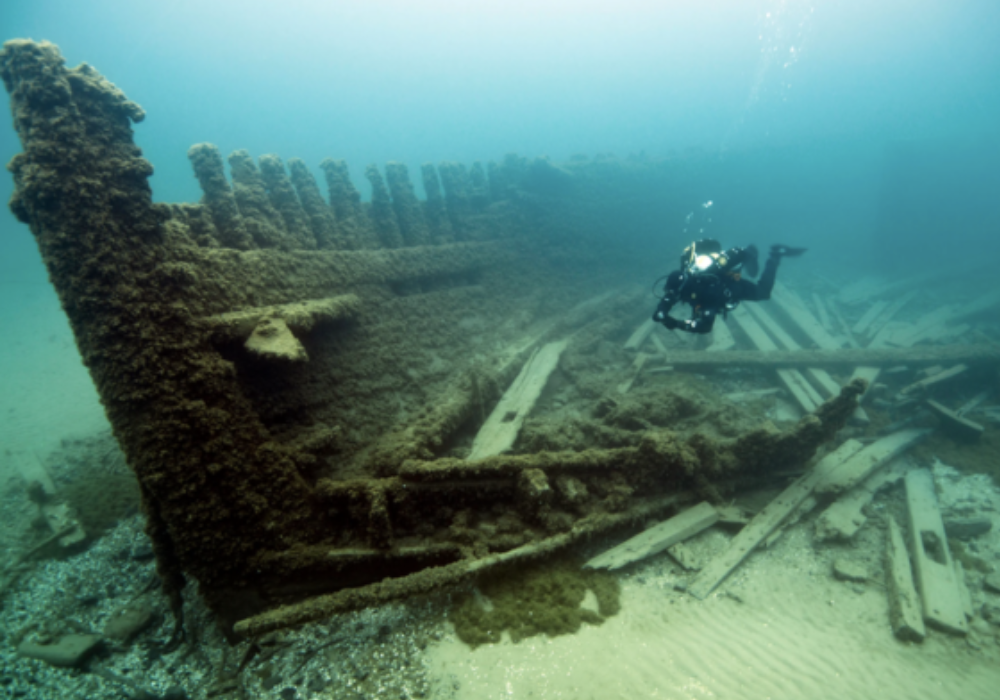
The Great Lakes may appear peaceful, but their waters conceal thousands of shipwrecks dating back centuries. Historians estimate that between 6,000 and 10,000 vessels have gone down, making the region one of the world’s densest shipwreck zones. These losses weren’t caused by a single factor but by a dangerous combination of fierce storms, unpredictable weather shifts, hazardous shoals, and heavy commercial traffic. Newly examined research reveals why ships disappeared so quickly and why the Great Lakes challenged even the most experienced captains throughout maritime history.

Read more