Scientists Just Found a Human Ancestor Even Older Than ‘Lucy’ — Living Right Next Door

Scientists Just Found a Human Ancestor Even Older Than Lucy — Living Right Next Door
©Image license via National Geographic

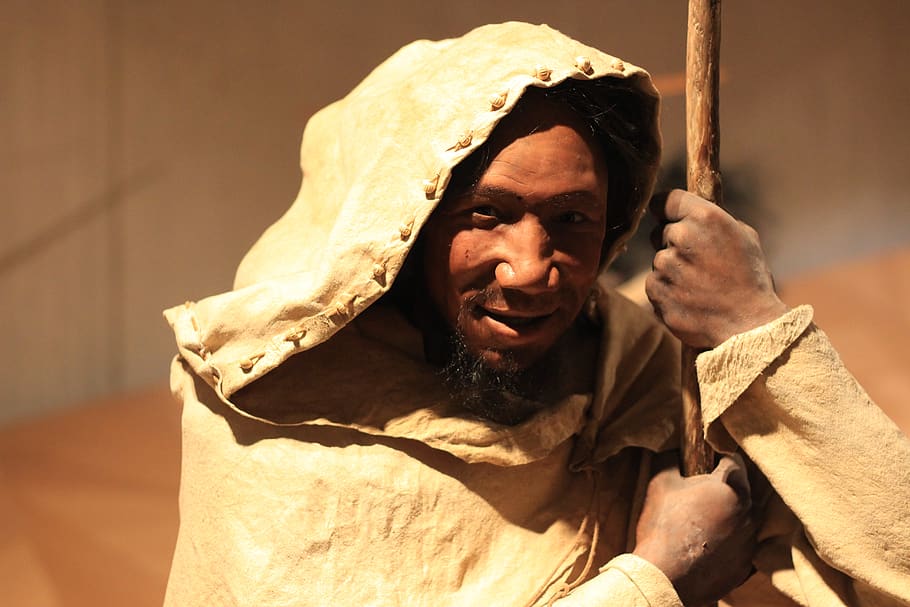
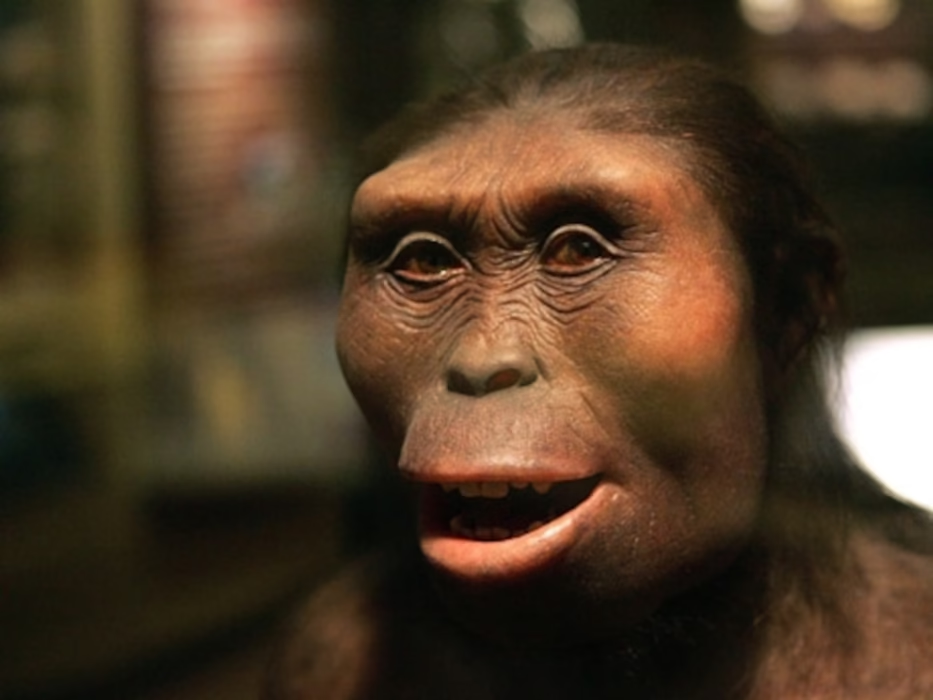
A new analysis of fossils from Ethiopia suggests Lucy’s species, Australopithecus afarensis, was not the only ancient hominin living in the region 3.5 million years ago. Scientists say these remains belong to Australopithecus deyiremeda, an even older human ancestor that overlapped with Lucy in both time and geography. The discovery challenges long-held beliefs that Lucy’s species dominated the area uncontested. Instead, early human evolution may have involved several closely related species living side by side, reshaping our understanding of how the human family tree developed.

Read more

Stonehenge’s Heaviest Stone Traveled 465 Miles — and We Still Don’t Know How

A new study uncovers stunning clues about Stonehenge’s most mysterious boulder.

©Image license via Canva

New research suggests Stonehenge’s massive Altar Stone didn’t come from Wales, as long believed, but from far to the north—possibly near Scotland’s Grampian Mountains. This discovery means Neolithic Britons may have transported the six-ton slab an astonishing 465 miles before it reached Salisbury Plain. The finding overturns decades of assumptions and raises new questions about prehistoric engineering, mobility, and ritual significance. While the exact route and method remain unknown, the study reveals Stonehenge’s story is even more complex and mysterious than archaeologists once imagined.

Read more

12 Surprising Historical Facts About Jesus Most People Don’t Know

Archaeology and ancient records shed new light on the real world Jesus lived in.

©Image license via Wikimedia Commons

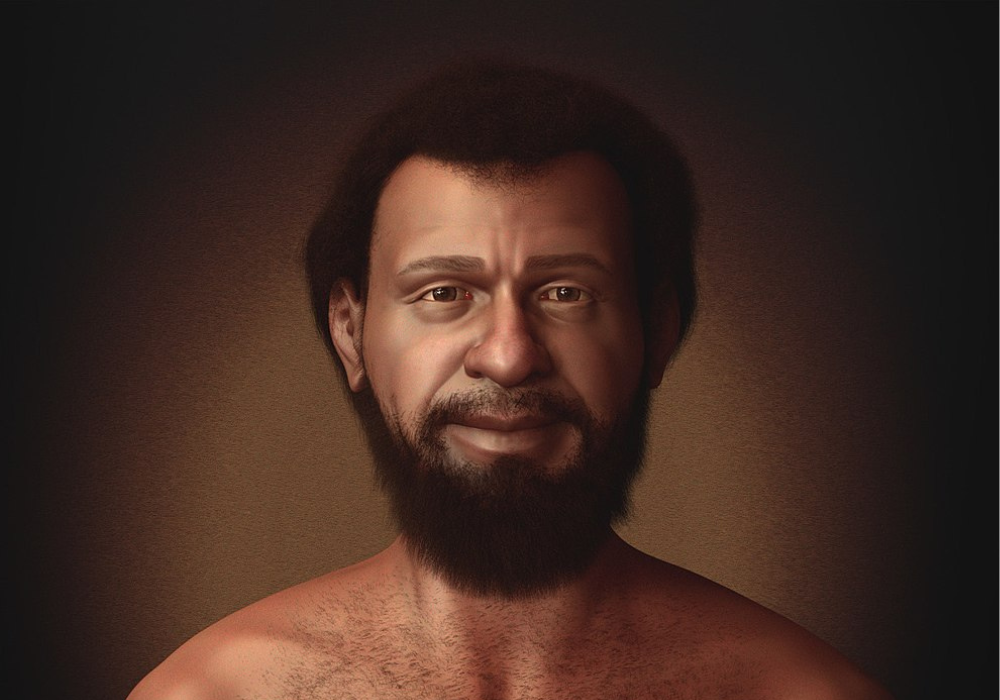
Historians and archaeologists continue uncovering new details about the world Jesus lived in, offering a clearer picture of life in first-century Judea. These discoveries come from Roman writings, ancient Jewish sources, archaeological digs, linguistic studies, and cultural research—not only from the Bible. Together, they show that Jesus lived during a turbulent political era, spoke multiple languages, interacted with diverse cultures, and moved through a society shaped by Roman rule. These historically verified insights reveal a more vivid and context-rich understanding of Jesus and the world he inhabited.

Read more

Lost for Decades: The WWII B-17 Bomber Found in the Baltic Sea May Finally Reveal Its Missing Crew

Marine archaeologists are uncovering new clues that may finally identify the airmen aboard a B-17 lost in the Baltic Sea.

©Image license via Wikimedia Commons

A B-17 Flying Fortress that vanished over the Baltic Sea in 1944 has finally given up its secrets. Marine archaeologists, working with U.S. and European researchers, have begun identifying the crew members who went down with the long-lost bomber. The wreck was discovered decades ago, but only recently have scientists had the tools to analyze its debris, reconstruct its final moments, and match its story to military records. Their findings could bring long-awaited closure to families who never knew what happened to their missing airmen.

Read more

Declassified Files Reveal How Parents Helped the FBI Monitor Their Teens in the 1960s

Newly released FBI files reveal how parents helped monitor teens during the upheaval of the 1960s.

©Image license via Picryl

Newly declassified FBI documents show that some American parents quietly contacted federal agents in the 1960s to report on their own teenagers’ political activities. These letters, preserved in FBI archives for decades, reveal concerns about counterculture influences, rebellious behavior, and potential involvement in civil rights or anti-war movements. Parents often asked agents for guidance or intervention, believing the FBI could help steer their children back toward conformity. The files provide a surprising look at family dynamics during a turbulent decade and highlight how government surveillance reached into private homes.

Read more

The Lost Native American Engineering Secrets Colonists Didn’t Want the World to See

New research uncovers overlooked evidence of Indigenous engineering skill across early America.

©Image license via Wikimedia Commons

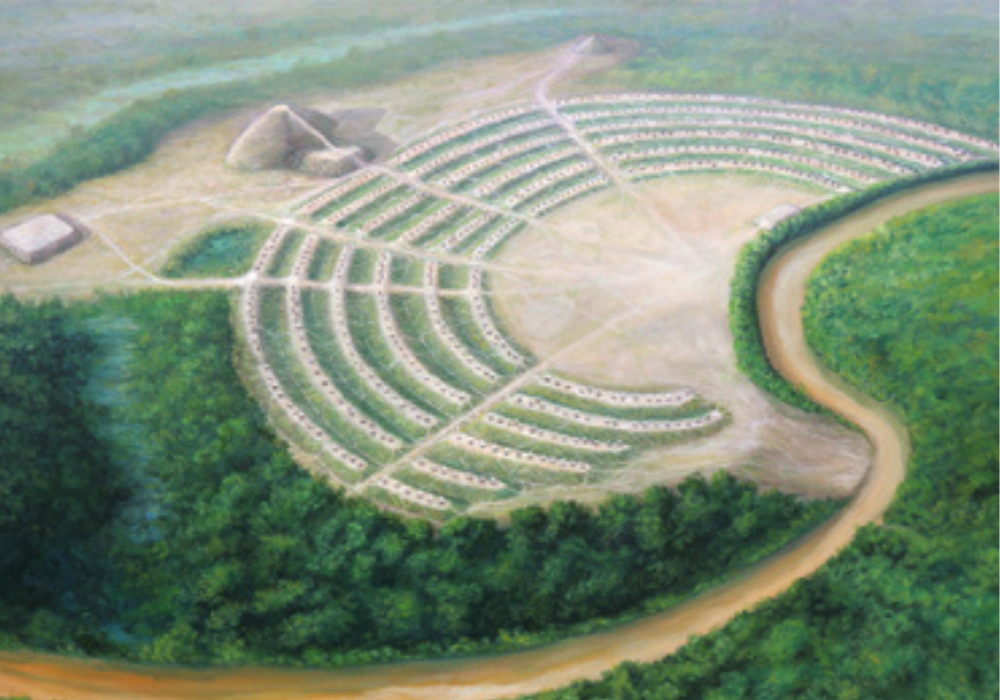
Recent archaeological research is revealing remarkable Indigenous engineering accomplishments that were long overlooked, downplayed, or misattributed in colonial-era records. Scholars say many early officials and chroniclers failed to document or fully recognize Native American infrastructure, earthworks, and technological systems, leaving gaps in the historical record. Newly analyzed evidence suggests advanced engineering traditions existed across North America, from large-scale construction projects to complex water management.

Read more

Ancient DNA Shows Most Europeans Had Dark Skin Until Just 3,000 Years Ago

Ancient DNA reveals a surprising chapter in European history that challenges long-held assumptions.

©Image license via Pixabay

A major new DNA study has uncovered evidence that most early Europeans had dark skin until only about 3,000 years ago, far later than scientists once believed. Researchers analyzed genetic samples from ancient remains and found that lighter skin tones didn’t become common in Europe until the Bronze Age, when new populations migrated into the region. The findings challenge older ideas about European ancestry and show how dramatically human appearance can shift over time. Scientists say the research sheds new light on how environment, diet, and migration shaped the continent.

Read more

Is This Jesus’s Tomb? Jerusalem Excavation Finds Ancient Garden at Biblical Burial Site

Archaeologists uncover a 2,000-year-old garden and burial features beneath Jerusalem’s Holy Sepulchre.

©Image license via Wikimedia Commons

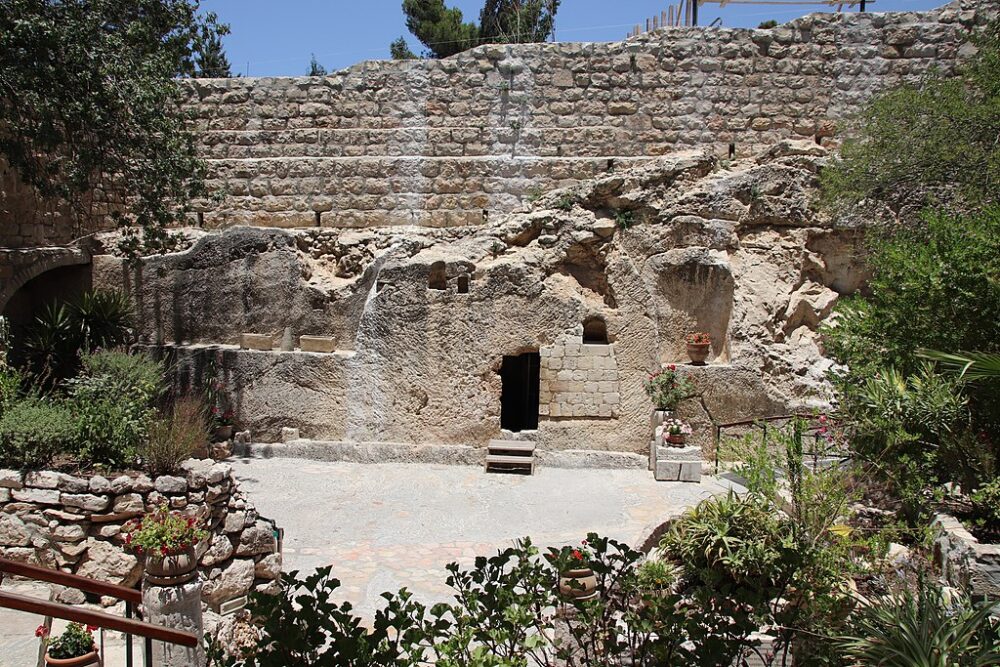
Archaeologists excavating beneath the Church of the Holy Sepulchre in Jerusalem uncovered evidence of an ancient garden and burial structures dating back more than 2,000 years. The discovery includes soil traces from olive and grape cultivation, remnants of an old quarry, and rock-cut features matching first-century Jewish tombs. While the findings cannot prove the site belonged to Jesus, they closely match early descriptions of a garden at the place of his burial. Researchers say the excavation offers a rare glimpse into Jerusalem’s landscape at the time.

Read more

The True Story of the Trail of Tears Is Even More Heartbreaking Than You Learned in School

A forced removal rooted in greed and racism tore thousands from their homeland, yet survivors carried their culture forward.

©Image license via New Georgia Encyclopedia

The Trail of Tears was not a single tragic event but a series of forced removals that displaced thousands of Cherokee, Muscogee (Creek), Chickasaw, Choctaw, and Seminole people in the 1830s. Under the Indian Removal Act of 1830, the U.S. government pushed Native nations from their southeastern homelands to Indian Territory, a journey marked by disease, exposure, and death. The Cherokee removal of 1838–1839 became the most widely known, with an estimated 4,000 lives lost. Despite unimaginable hardship, survivors rebuilt their communities and preserved cultural identity that endures today.

Read more

A 14th-Century Friar in Italy May Have Written About North America 150 Years Before Columbus

A neglected medieval manuscript suggests Europeans may have known of lands west of Greenland long before 1492.

©Image license via Raw Pixel

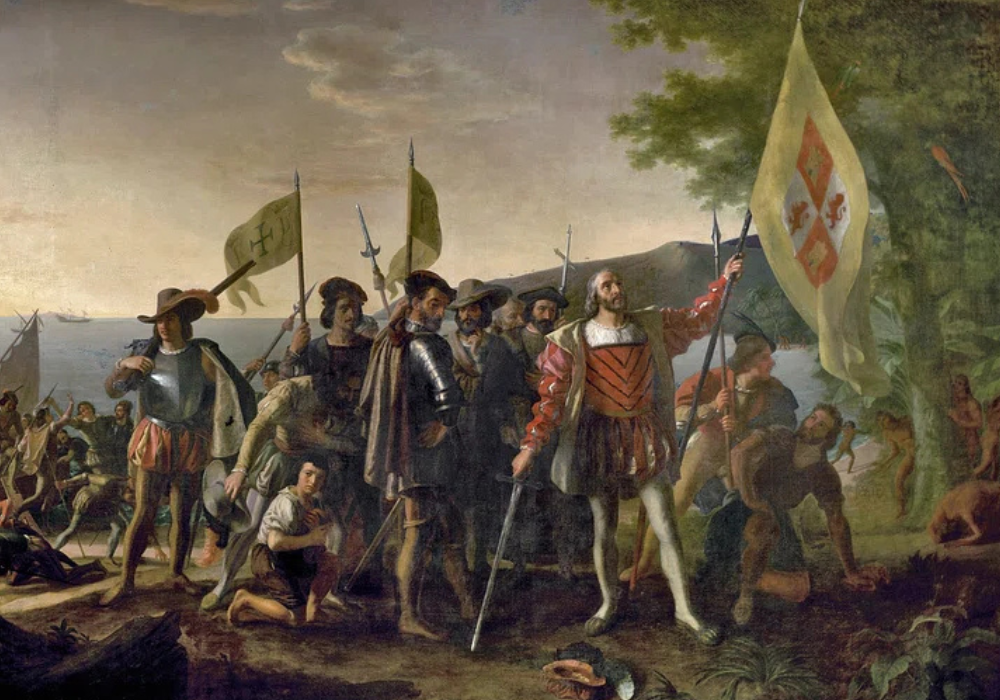
For centuries, historians assumed Europeans had no written knowledge of North America outside Norse sagas until after Columbus. But a newly analyzed 14th-century manuscript from Milan challenges that belief. In his Cronica universale, Dominican friar Galvaneus Flamma briefly described a place he called “Marckalada,” a land west of Greenland that resembles descriptions of coastal North America found in Icelandic texts. Scholars say the reference shows that information about distant Atlantic lands traveled farther and earlier than previously recognized, reshaping our understanding of medieval geography and communication.

Read more