A 1,000-Year-Old Wooden Face Was Found Beneath a Polish Lake

A mysterious carved face found underwater is offering new clues about life in medieval Poland.

©Image license via Planet Sage/Chat GPT

Divers exploring Lake Lednica in western Poland recently recovered a wooden beam carved with a human face dating to around 967 AD. The artifact survived for a millennium thanks to the lake’s oxygen-poor environment, which prevented the wood from decaying. Researchers believe the carving was once part of a defensive rampart that protected an early Slavic settlement, though its purpose remains unclear. The find is unusual because carved wooden faces from this period are extremely rare. Its discovery is giving archaeologists fresh clues about early Slavic beliefs, symbolism, and daily life.
Read more

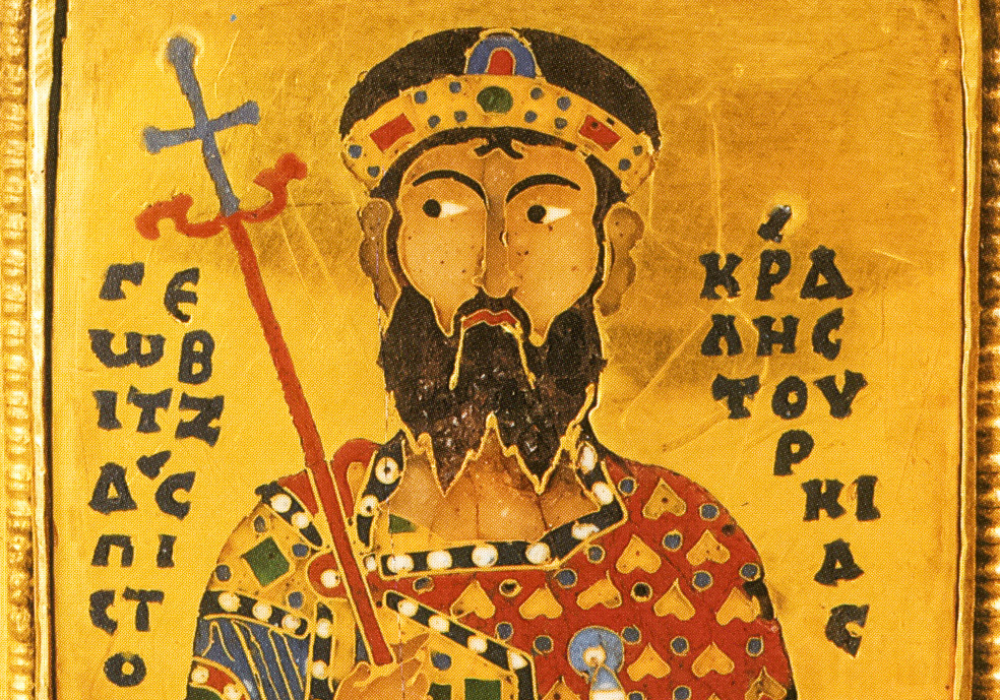
Medieval Cold Case Cracked: Scientists Reconstruct the Brutal Murder of a Hungarian Duke

New forensic analysis reveals how a 13th-century Hungarian duke was violently killed and hidden beneath a monastery floor.

©Image license via Wikimedia Commons

Scientists have identified a skeleton discovered beneath a monastery in Hungary as belonging to Duke Géza of Hungary, a royal figure murdered in 1272. Using DNA analysis, historical documents, and detailed forensic study, researchers pieced together his violent final moments, revealing more than two dozen weapon strikes. Their findings transform a centuries-old mystery into a solved medieval crime scene. The study uncovers political turmoil, brutal assassination methods, and how the duke’s remains were quietly concealed after his death.

Read more

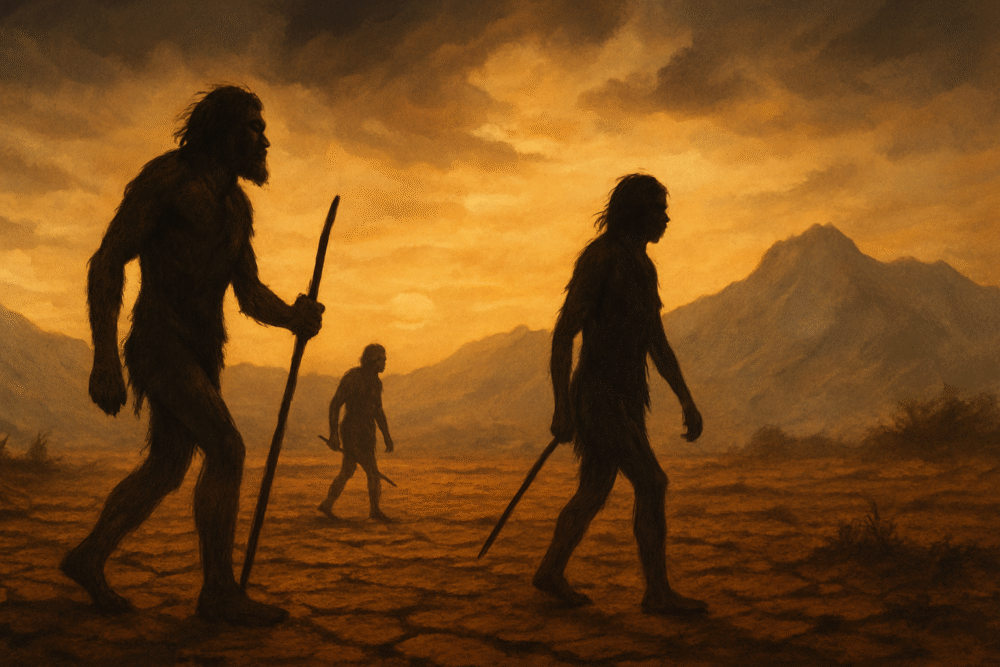
Humanity Was Nearly Wiped Out 900,000 Years Ago: New Evidence Reveals What Really Happened

Human ancestors once dwindled to a tiny surviving group according to new research that reveals a near extinction event.

©Image license via Planet Sage/Chat GPT

Our human story may have nearly ended before it truly began. Genome researchers from the Chinese Academy of Sciences analyzed modern DNA and uncovered evidence that our ancient ancestors experienced a dramatic population crash about 900,000 years ago. Their findings suggest the number of breeding individuals may have fallen to around 1,300 for nearly 117,000 years. During this long crisis, shifting climates and shrinking habitats pushed early humans to the brink. The survival of this tiny group ultimately shaped the genetic foundation of all modern people.

Read more

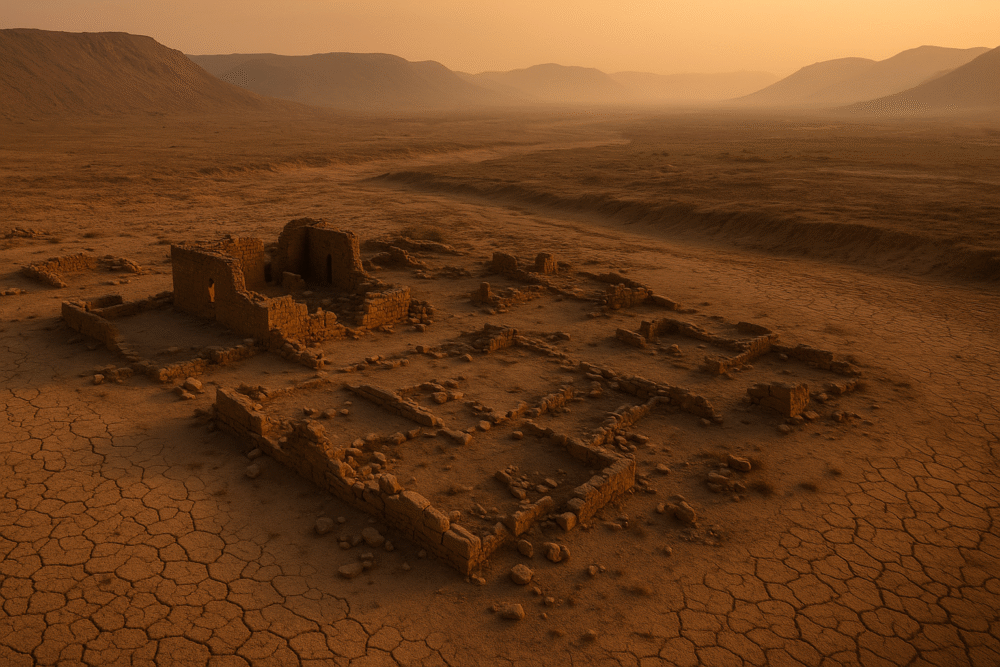
The Hidden Climate Clues Behind the Collapse of History’s Greatest Civilizations

Archaeologists and climate scientists are uncovering new evidence linking ancient environmental shifts to the downfall of major civilizations.

©Image license via Chat GPT

For centuries, historians have debated why some of the world’s greatest civilizations suddenly collapsed. Now, growing evidence suggests that climate change often played a critical, though overlooked, role. From prolonged droughts to volcanic winters, shifting environmental conditions put enormous pressure on societies already struggling with political conflict, disease, or economic strain. By studying ancient sediments, tree rings, ice cores, and abandoned cities, researchers are revealing patterns that show how climate shifts shaped human history. These findings shed light on how vulnerable societies can become when nature turns unstable.

Read more

Does the Ark of the Covenant Still Exist? Historians Reveal Stunning New Clues

New research and historical analysis shed light on one of the most enduring mysteries in ancient history.

©Image license via World History Enclyclopedia

The Ark of the Covenant has captivated historians, archaeologists, and religious scholars for centuries. Described in the Hebrew Bible as a sacred chest holding the stone tablets of the Ten Commandments, the Ark eventually vanished from the historical record, sparking countless theories about its fate. Some believe it was hidden to protect it from invading armies, while others think it was destroyed or lost in the chaos of ancient warfare. Today, researchers are piecing together clues from ancient texts and archaeological sites to explore whether the Ark may still exist.

Read more

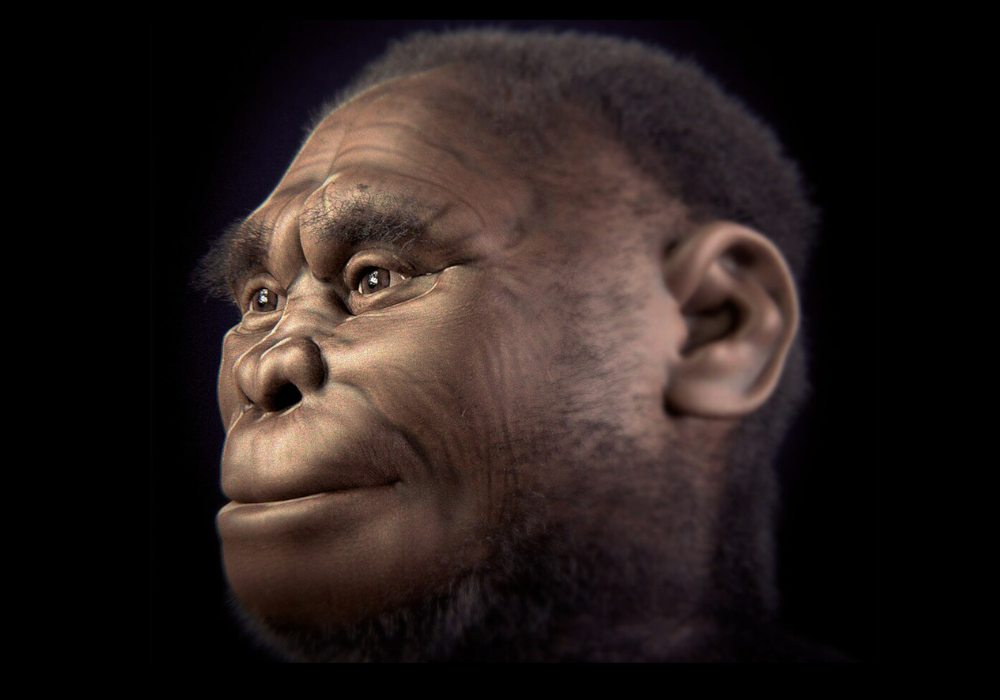
Could a Tiny Ape-Like Humanoid Still Be Alive Today? One Scientist Thinks It’s Possible

A new scientific hypothesis explores whether a tiny human relative from Indonesia may have survived far longer than believed.

©Image license via Wikimedia Commons

A Canadian anthropologist has reignited debate about Homo floresiensis, a tiny human relative often called “the hobbit.” Known from fossils discovered on the Indonesian island of Flores, the species is believed to have vanished at least 50,000 years ago. But anthropologist Gregory Forth argues that local stories, descriptions, and cultural memories could suggest a much later survival. His idea remains controversial, yet it raises questions about how long ancient human species may have overlapped with modern humans—and whether any could have persisted into recent history.

Read more

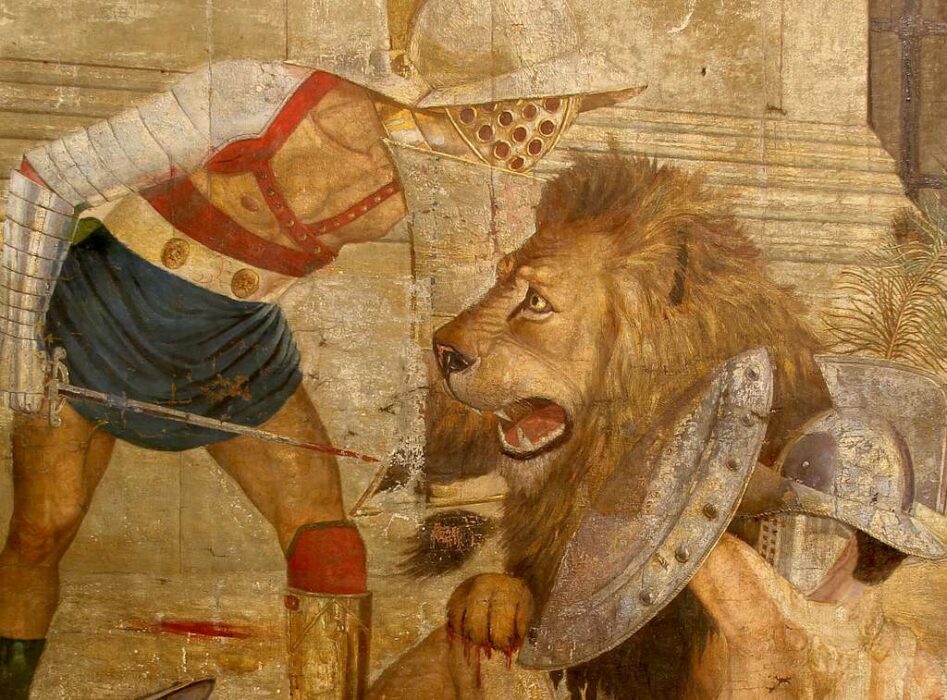
Inside the Secret Daily Life of Gladiators: A World Far Stranger Than the Arena

Archaeological evidence reveals strict routines, harsh training, and surprising rituals behind gladiator life.

©Image license via Picryl

Gladiators are often remembered only for their violent arena battles, but historians say their daily lives were far more structured—and far stranger—than most people imagine. Archaeological excavations, ancient medical texts, and inscriptions reveal strict training schedules, specialized diets, medical care, and social rules that governed every part of their lives. Far from being chaotic or lawless, gladiator communities followed routines that blended discipline, danger, and occasional privilege. These surprising details reveal what life was really like behind the walls of the gladiator barracks.

Read more

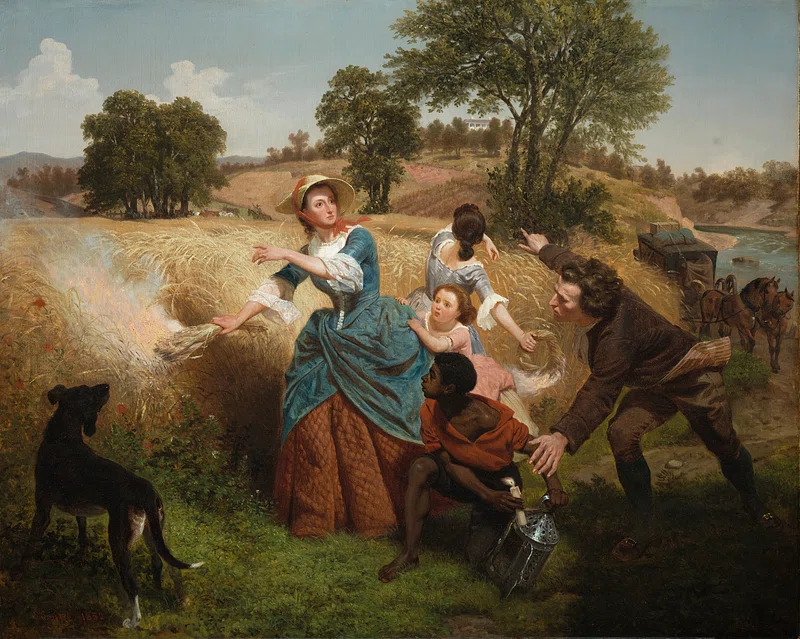
Hidden Stories of the American Revolution Your Textbooks Never Mentioned

Surprising stories, overlooked heroes, and forgotten twists reveal a far more complex Revolution than most remember.

©Image license via Raw Pixel

The American Revolution is often taught as a straightforward tale of freedom, patriotism, and heroic battles—but the real story is far more complicated. Historians say many pivotal moments, hidden alliances, bold spies, and unexpected struggles rarely make it into school textbooks. From covert operations and internal divisions to overlooked groups who shaped the war’s outcome, the Revolution was filled with surprises that changed the course of history. These lesser-known details reveal a deeper, more fascinating side of America’s founding conflict.

Read more

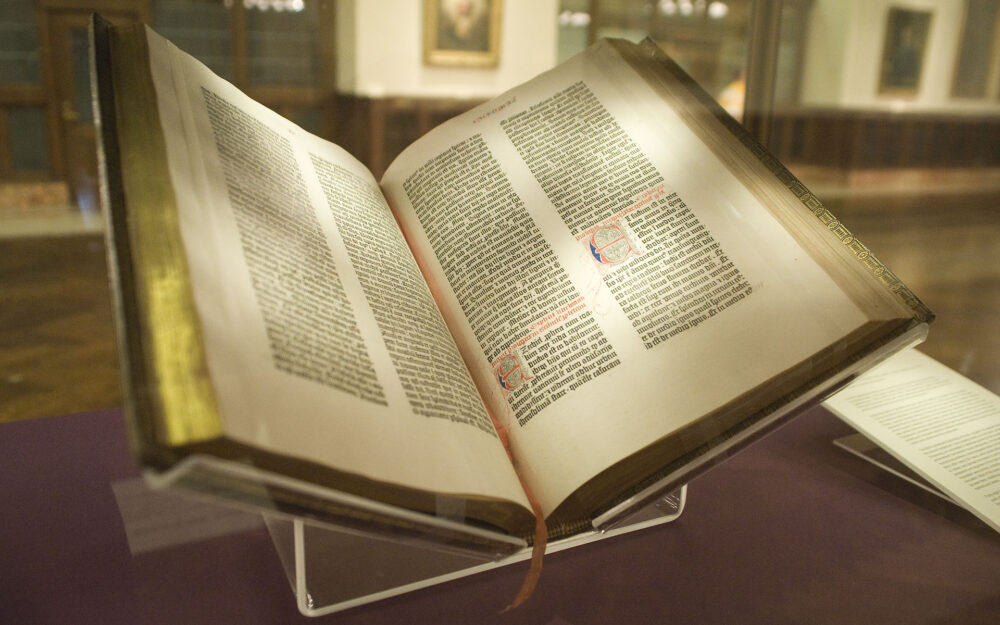
The Forbidden Books Left Out of the Bible—and the Surprising Reasons Why

Ancient writings were excluded from the Bible for complex reasons involving theology, politics, and early church debates.

©Image license via Kevin Eng, World History Encyclopedia

Many people are surprised to learn that early Christianity produced far more writings than the books that appear in today’s Bible. Over centuries of debate, councils and church leaders decided which texts aligned with accepted beliefs—and which did not. Some works were too new, too controversial, or lacked reliable authorship. Others offered ideas that conflicted with emerging Christian doctrine. These “forbidden” or excluded books reveal a fascinating window into early religious debates and show how the Bible we know today slowly took shape.

Read more

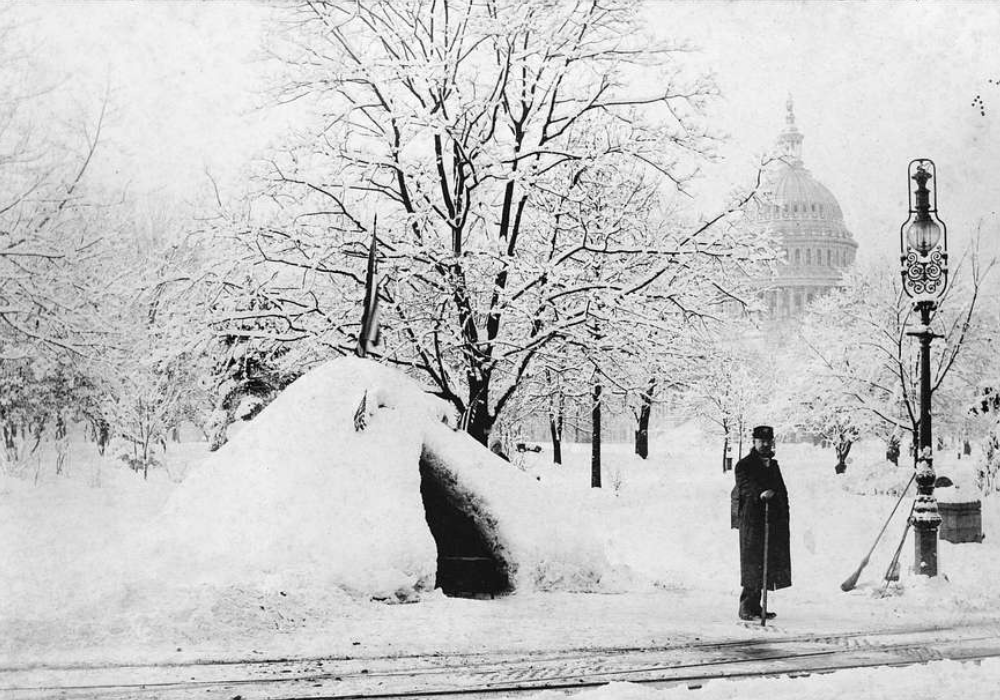
200 Years Ago, Earth’s Climate Was Nothing Like Today and The Differences Are Dramatic

Old weather logs and early climate records reveal a world far cooler and far less predictable than today.

©Image license via Picryl

Two centuries ago, Earth’s climate looked dramatically different from the world we know now. Early weather logs, ship records, and historical temperature data show that the early 1800s were marked by cooler global conditions, harsher winters, and frequent climate swings driven by volcanic eruptions and natural variability. Scientists use these early records to understand how fast today’s warming is unfolding—and how unusual the recent temperature rise has become. Comparing past and present reveals one of the clearest climate shifts in human history.

Read more