Wolves Return to Colorado This Winter — But The Battle Over Where And How Is Just Beginning

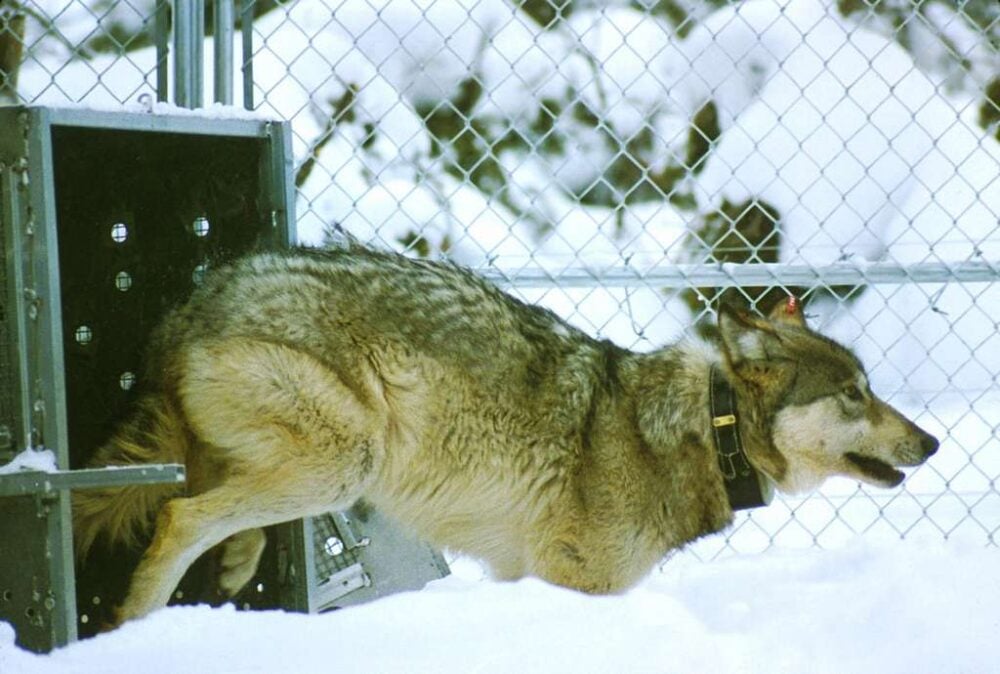
A new wave of wolf releases is set to reshape Colorado’s landscape as tensions rise across the Western Slope.
©Image license via Picryl

Colorado’s plan to introduce up to 15 additional wolves this winter is accelerating as state officials work to meet voter-mandated timelines and federal requirements. The effort marks the latest phase of a closely watched reintroduction that has sparked intense debate across the West. With habitat boundaries, livestock protections, and federal rules still under scrutiny, the state is navigating a complex path toward restoring a species that vanished from Colorado nearly a century ago.
Read more

A Giant Web With 100,000 Spiders Was Just Found in Europe — And Experts Are Stunned

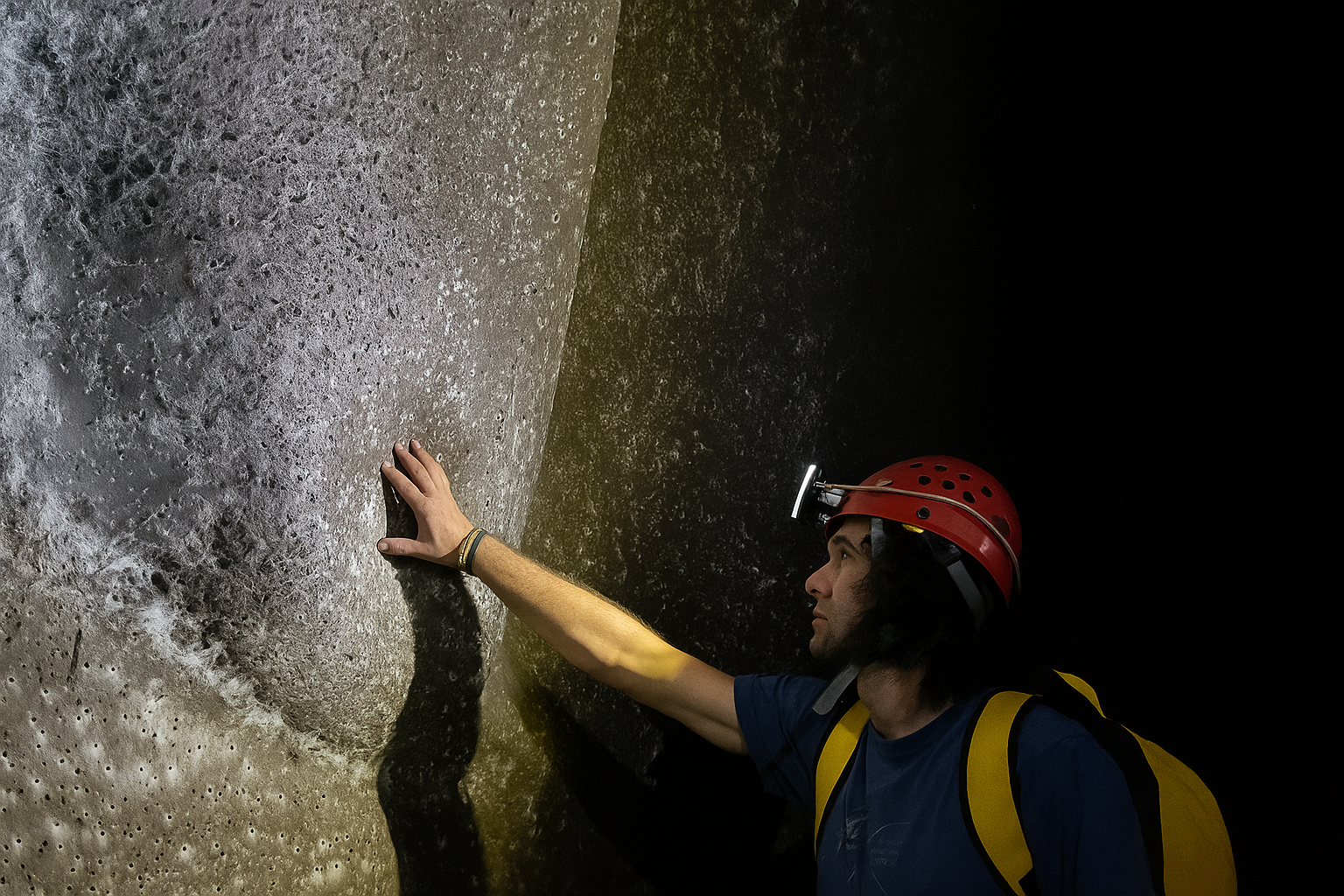
A cavern web in Europe, home to over 110,000 spiders, may be the largest ever recorded.

©Image license via Chat GPT

Deep within the Sulfur Cave on the Greece–Albania border, scientists discovered a vast network of funnel-shaped silk strands spanning more than 1,000 square feet and housing over 110,000 arachnids. Two spider species, commonly found above ground, now thrive in total darkness within the cave’s chambers. Genetic tests revealed they’ve evolved unique traits to survive underground—with one species acting as architect, the other as tenant. Researchers say the find highlights how much of Earth’s hidden ecosystems remain unexplored.

Read more

Don’t Squish It: The Toxic Hammerhead Worm That Regenerates and Spreads in Texas

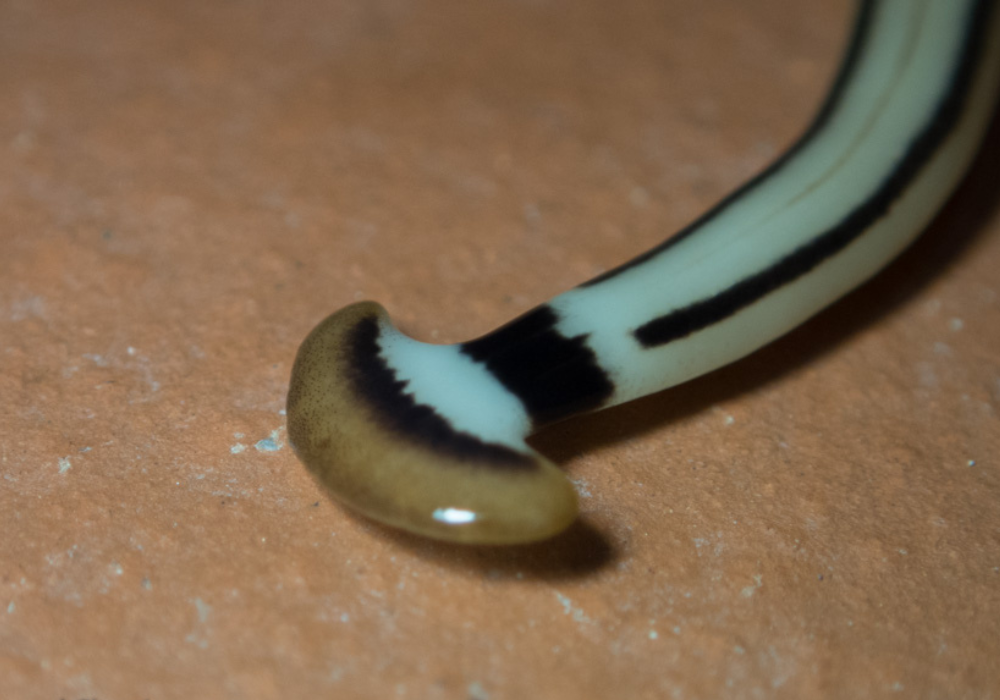
Experts warn Texans to steer clear of these toxic, invasive worms that can regenerate when cut in half.

©Image license via Flickr

Texas homeowners are being warned about a new creepy invader: the toxic hammerhead worm. The flatworm, native to Southeast Asia, has spread across parts of Texas after heavy rains created ideal breeding conditions. Scientists say the worms secrete a neurotoxin that can harm pets and wildlife — and they’re nearly impossible to kill. Cutting them only makes things worse, since each piece can grow into a new worm. Officials are urging residents not to touch or crush them but to report sightings to local extension offices instead.

Read more

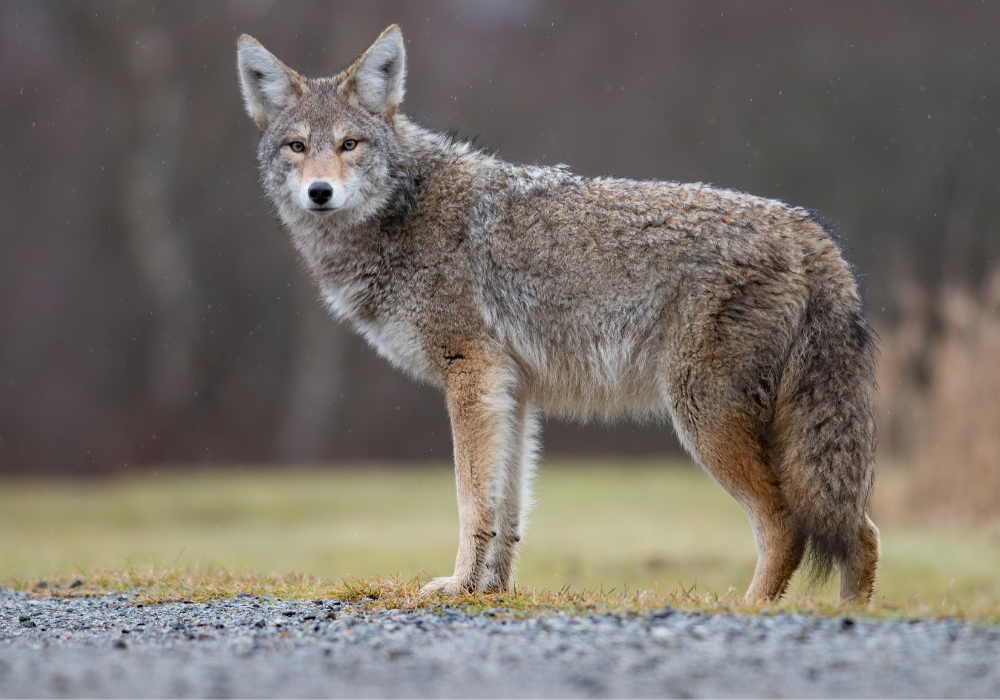
If You See a Coyote in Your Yard, Experts Say Do This Immediately

Coyotes are appearing in more neighborhoods—and experts say your response could make all the difference.

©Image license via Canva

Coyotes are no longer just creatures of the wilderness. In recent years, they’ve been spotted in suburban neighborhoods, city parks, and even backyards across the country. As urban expansion pushes deeper into natural habitats, these adaptable animals are learning to live alongside humans. Wildlife experts warn that your first reaction is crucial—because what you do in those initial moments can determine whether the encounter stays safe or turns dangerous.

Read more

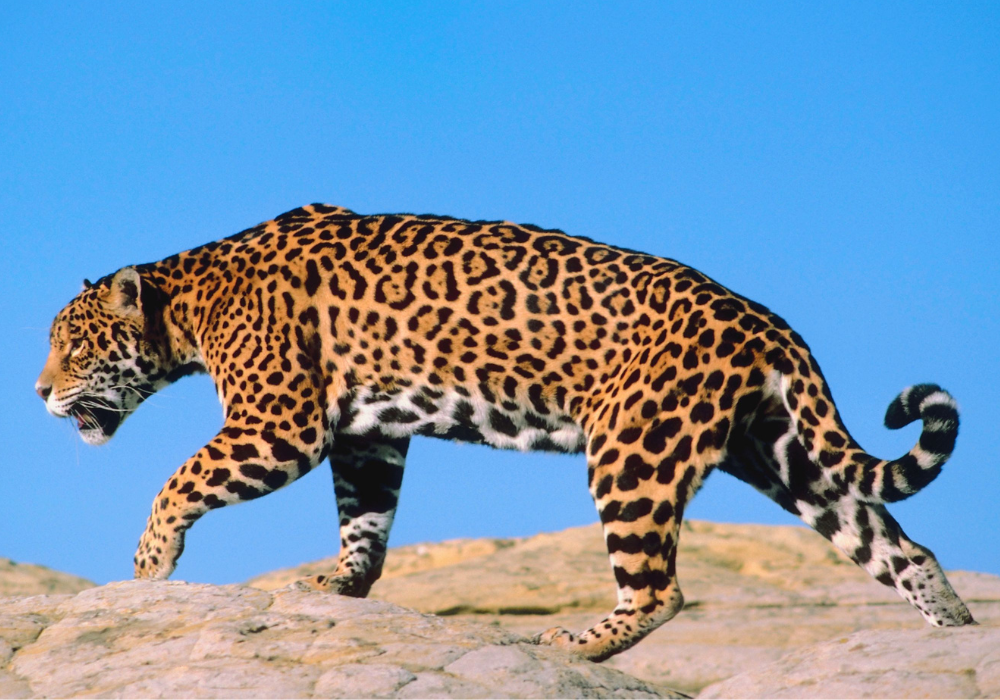
The Lone American Jaguar That Became a Rock Star of Conservation

Once the only known wild jaguar in the United States, El Jefe captured the world’s imagination—and changed how Americans see big cats.

©Image license via Canva

For years, a single jaguar roamed the mountains of southern Arizona, silently reclaiming territory his species had vanished from nearly a century ago. Locals called him El Jefe—“The Boss”—and his image, captured by motion-sensing cameras, turned him into a national icon. His story isn’t just about survival, but about resilience and hope. Scientists say El Jefe’s journey could redefine conservation along the U.S.–Mexico border, showing that wildness still endures where few expect it.

Read more

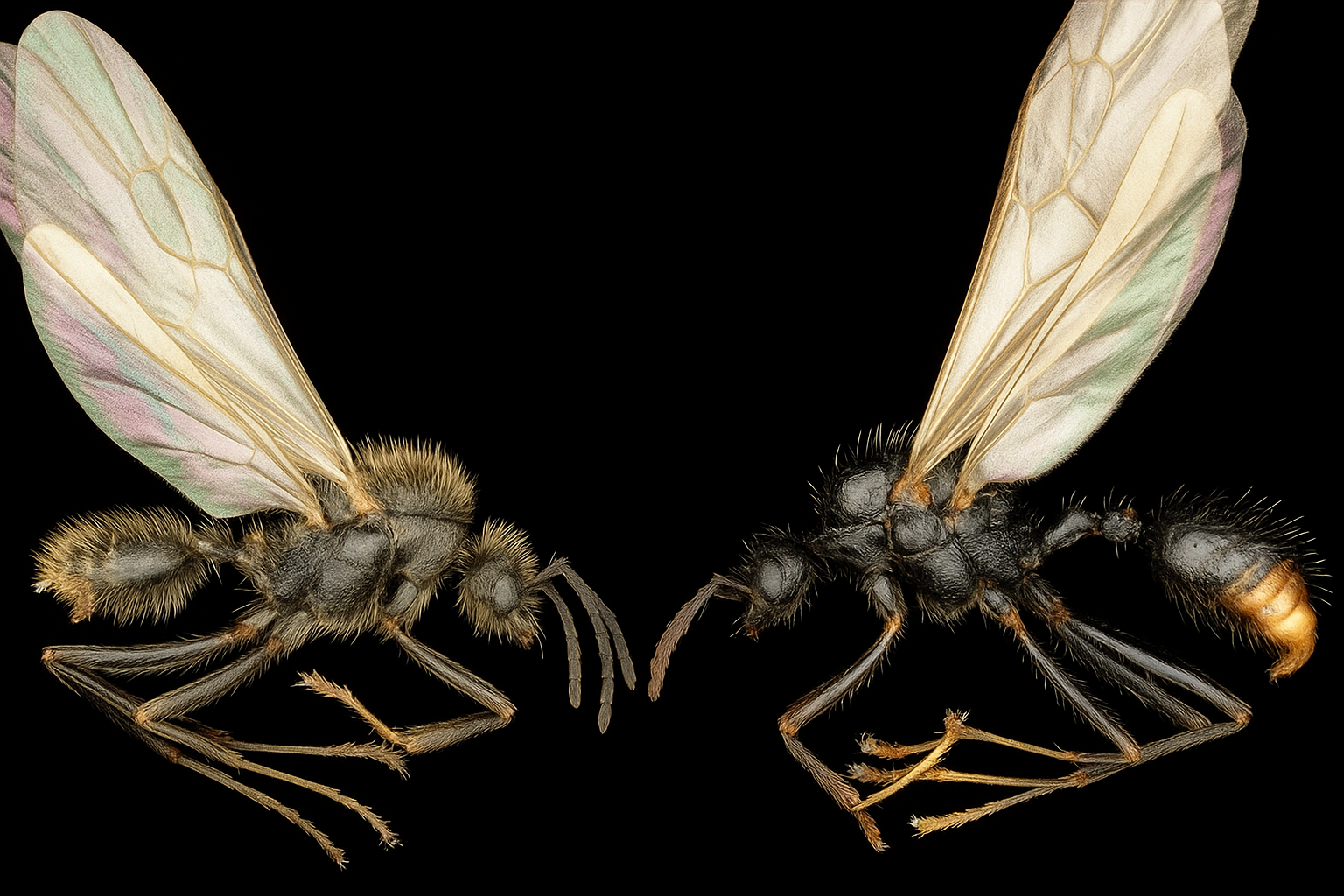
This Tiny European Ant Just Rewrote the Rules of Reproduction

Scientists have discovered a European ant that can create genetic clones of another species—an evolutionary first.

©Image license via Chat GPT

In a discovery that’s leaving biologists astonished, researchers have identified a European ant species capable of cloning members of another species. The study, published in Current Biology, reveals that the parasitic ant Strongylognathus cf. italicus can reproduce genetically identical copies of its host species, Tetramorium alpestre. This is the first known example of one animal cloning another. The finding challenges long-held ideas about reproduction, parasitism, and how far evolution can push the boundaries of biology itself.

Read more

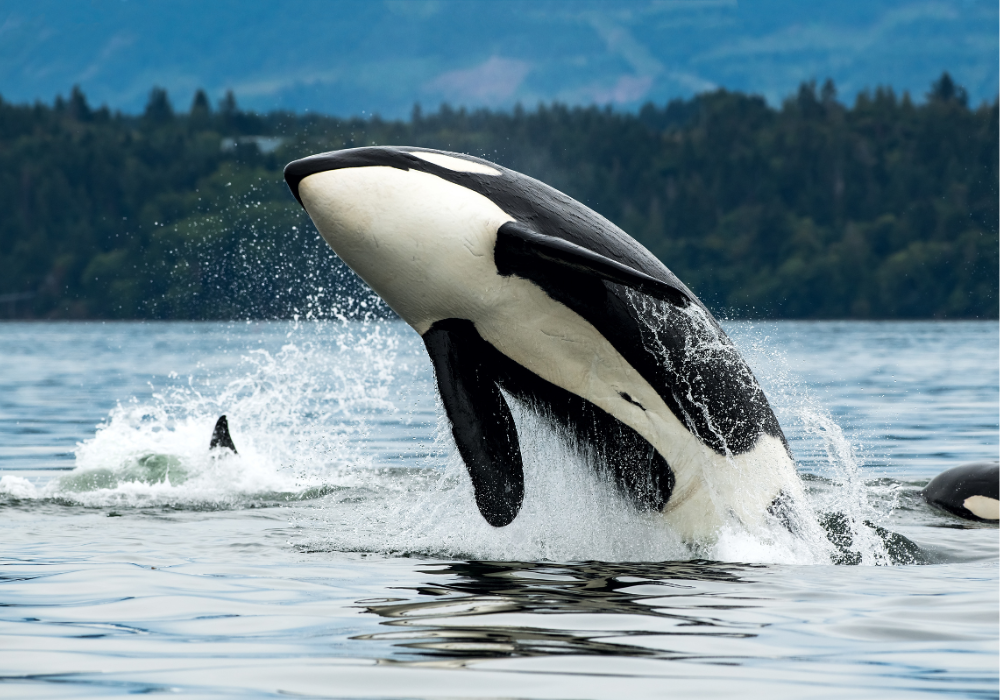
Killer Whales Are Now Hunting Great White Sharks Off Mexico’s Coast

Marine scientists captured rare footage of orcas attacking and killing great white sharks near Mexico’s Baja coast.

©Image license via Canva

In a stunning display of marine dominance, killer whales have been filmed hunting and killing great white sharks off Mexico’s Baja California coast. Drone footage and tracking data confirmed that a group of orcas worked together to overpower the sharks, flipping them upside down to induce paralysis before feeding on their organs. Researchers say it’s the first verified evidence of such attacks in Mexican waters, signaling a remarkable shift in the ocean’s hierarchy of apex predators.

Read more

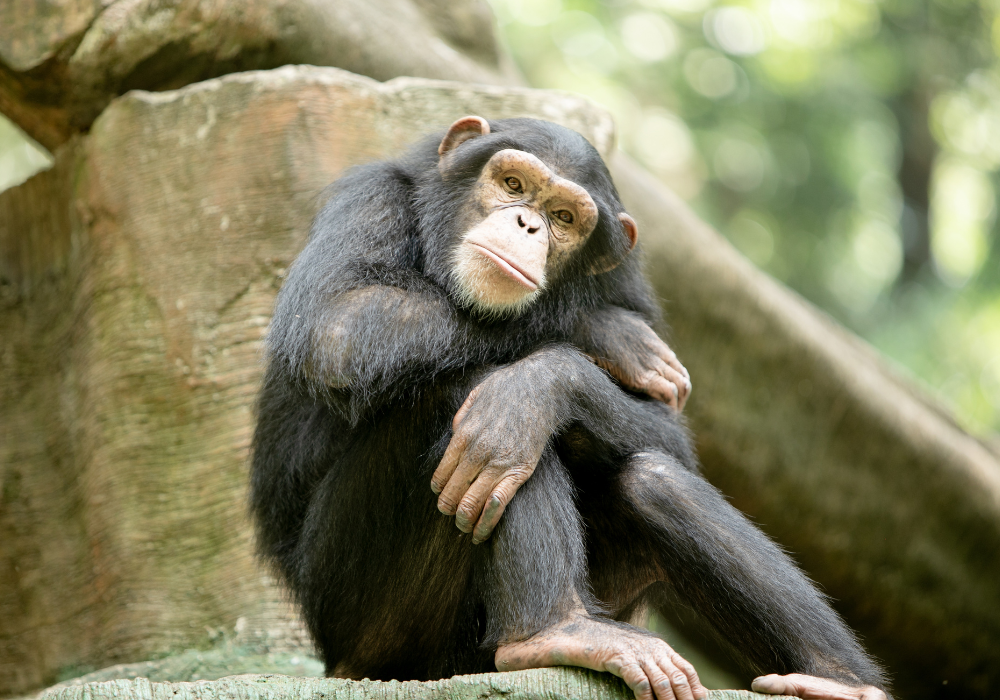
Chimps Can “Think About Thinking” — And It’s Changing What We Know About Intelligence

A new study finds chimpanzees can reflect on their own thoughts before acting, a hallmark of human intelligence.

©Image license via Canva

Chimpanzees may be even more self-aware than scientists once believed. In a new study published in Proceedings of the National Academy of Sciences, researchers found that chimps can “think about thinking” — a cognitive ability known as metacognition. When faced with uncertain choices, the animals paused to assess what they knew before deciding, showing signs of reflection and evidence-based reasoning. The discovery suggests that the roots of human-style planning and self-awareness run far deeper in our evolutionary history than previously thought.

Read more

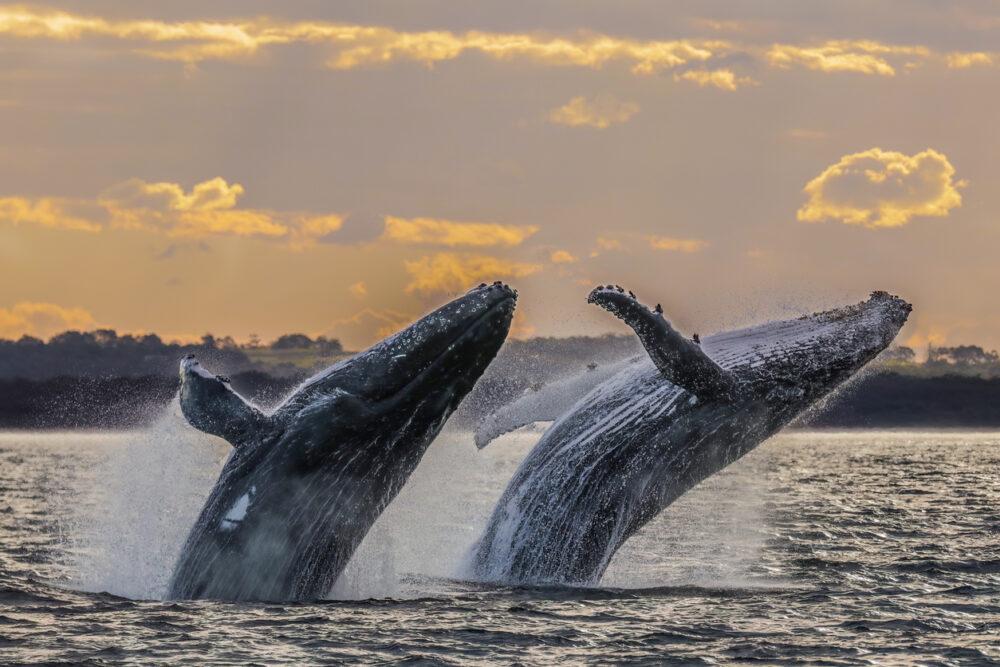
AI Deciphers Whale Talk—And It Could Change How We See Animal Rights Forever

Researchers are using artificial intelligence to decode whale communication—and it may transform animal rights.

Ocean at sunset, dual breaching whales, wide angle splash, golden hour glow, editorial travel photo, no people.
©Image license via iStock

Scientists are now using artificial intelligence to analyze the complex clicks and patterns whales use to communicate, revealing what may be the first real glimpse into nonhuman language. The groundbreaking research, led by Project CETI, is uncovering astonishing levels of structure and meaning in sperm whale vocalizations. Experts say this technological leap could reshape how humanity understands—and legally protects—intelligent species. If whales truly have language, it may force us to rethink what rights they deserve.

Read more

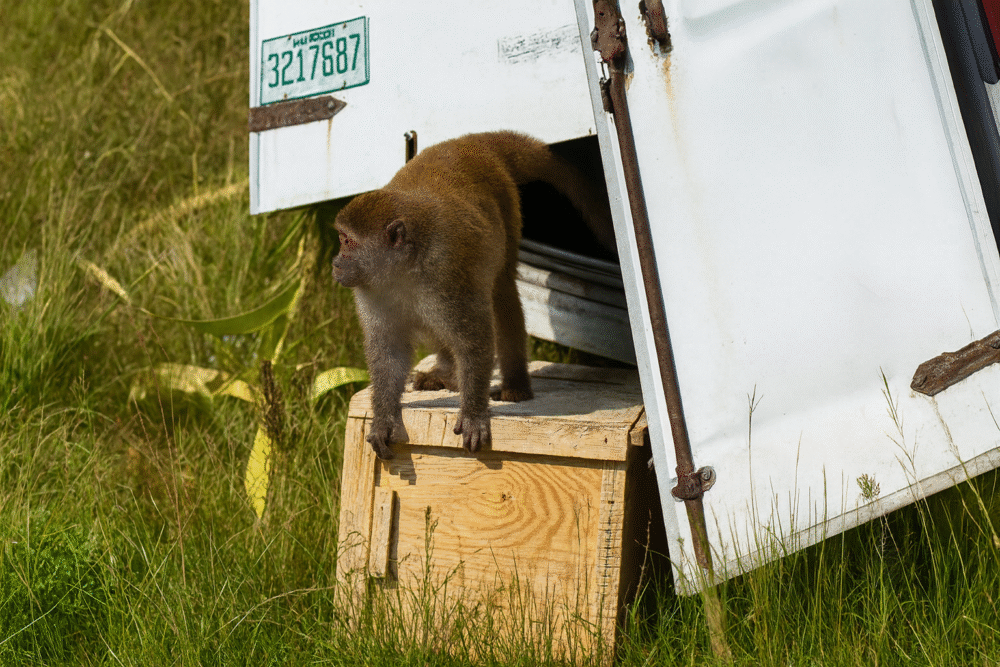
Lab Monkeys Escape Truck Crash—Officials Rush to Quell Infectious Disease Fears

Officials moved quickly to calm fears after a truck carrying lab monkeys crashed in Mississippi.

©Image license via Chat GPT

A truck transporting laboratory monkeys crashed on a Mississippi highway, setting off alarm across social media after claims spread that the animals were infected with dangerous diseases. Three monkeys briefly escaped following the wreck, prompting a search by local authorities. Officials from Tulane University, which owns the research facility involved, have since denied the animals were carrying any infectious pathogens. They say the macaques were healthy and the rumors of viral exposure were unfounded and fueled by misinformation.

Read more