Waste Wars: 10 Resource Struggles That Could Shatter Economies by 2050

Scarcity is no longer a future threat—it’s already shaping power and collapse.
©Image license via Canva

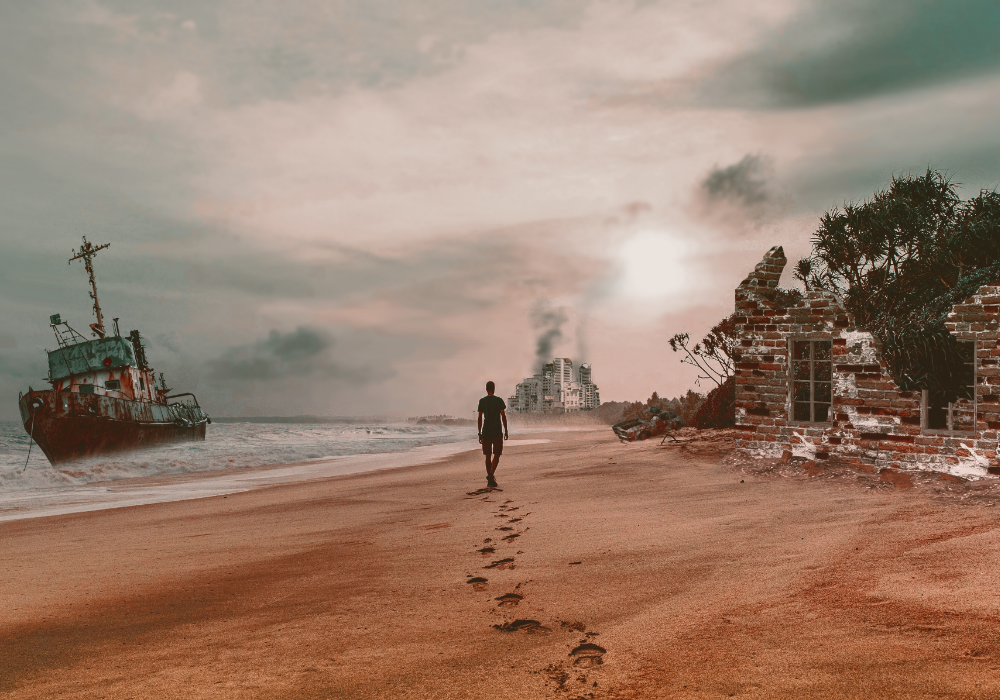
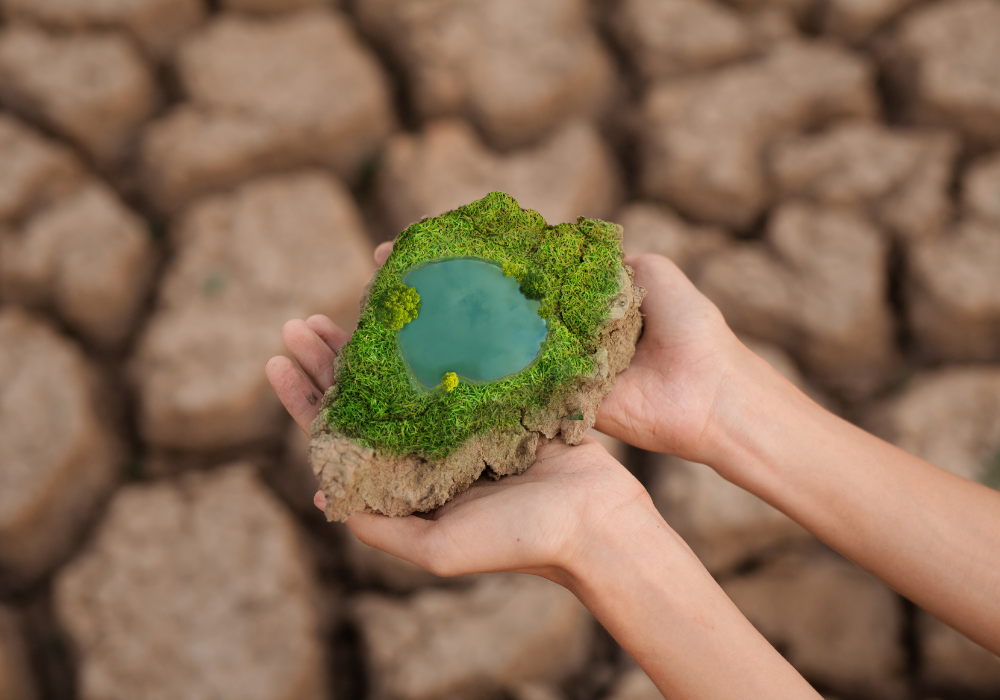
There’s a reason everything from eggs to energy feels more fragile lately. It’s not just inflation or supply chains—it’s the slow-motion train wreck of global resource scarcity. While the world argues over politics and progress, the quiet fight over raw materials, clean water, and waste management is already rewriting the rules of power. These aren’t distant threats. They’re battles brewing right now, under the surface of everyday life.

Food shortages. Lithium hoarding. Water riots. These things sound like dystopian fiction, but they’re happening in real time. We’re not running out of everything—we’re running out of balance. What used to be trash is now currency, and countries are starting to notice. The real danger isn’t just scarcity—it’s what people, corporations, and governments will do when they realize how high the stakes really are. By 2050, these resource fights won’t just shape policy. They’ll decide survival.

Read more

What Will Humans Look Like in 500 Years? These 12 Predictions Are Wild

Scientists say your great-great-great-grandkids might not even recognize your face.

©Image license via Canva

You might want to take a good, long look in the mirror—because your descendants probably won’t look anything like you. The way we’re living now, with our tech habits, diets, climate, and even the way we socialize, is slowly sculpting the human body into something… different. And it’s not just a little wrinkle here or a new trend in height. We’re talking real, jaw-dropping changes to how we might see, move, think, and function in the next 500 years.

It’s kind of wild to think about, right? That everything from your daily screen time to what you snack on could ripple into the distant future and shape what humanity becomes. Of course, none of us will be around to confirm it, but science, history, and evolution all point to some pretty fascinating outcomes. Some are exciting. Others? A little creepy. Either way, imagining the human of the future isn’t just a thought experiment—it’s a peek into where we might be headed if we don’t hit the brakes or change direction.

Read more

The Wellness Industry Says It’s About Health—10 Ways It’s Actually About Profit

These trends are designed to empty your wallet, not fix your body.

©Image license via Canva

The wellness industry looks like self-love. It shows up in eucalyptus-scented yoga studios, adaptogenic lattes, and influencers whispering about alignment and energy flow. It tells you it’s here to heal you—soft, slow, and soulful. But the truth? It’s a capitalist powerhouse that thrives on your doubt. Not enough energy? There’s a powder for that. Skin not glowing? Try a $90 serum. It keeps you buying because it keeps you believing you’re broken.

To be clear, caring about your health is not the problem. But when wellness becomes a full-time project with a credit card minimum, it stops being about healing and starts becoming another hustle. Behind the “treat yourself” language is a system that profits from your exhaustion, insecurity, and endless striving. These ten wellness trends might look like self-care—but they’re really just well-marketed ways to keep you spending.

Read more

These 10 Health Conditions Are Quietly Getting Worse Because of Climate Change

Rising temperatures are triggering more than just wildfires.

©Image license via Canva

When people talk about climate change, they usually picture melting glaciers, extreme weather, and sea-level rise. But the real crisis? It’s hitting way closer to home—inside your body, on your skin, and in your lungs. Climate change isn’t just an environmental issue anymore. It’s a health emergency. Rising heat, dirtier air, shifting ecosystems—it’s all colliding with human biology in ways most of us were never warned about.

And the worst part? It’s happening quietly. These aren’t futuristic problems or distant threats—they’re already showing up in ER visits, doctors’ offices, and our own daily symptoms. You don’t have to live near a wildfire or a flood zone to be affected. From mental health to respiratory issues, the climate is rewriting how we get sick, how we heal, and who’s most at risk. These 10 health conditions are getting worse—and climate change is the reason no one saw coming.

Read more

If Life Feels Flat and Empty, These 10 Sensory Practices Will Help You Feel Again

You’re not broken—you’re just disconnected from your senses.

©Image license via Canva

When everything feels numb, no to-do list, productivity hack, or self-help quote hits quite right. You’re going through the motions, but it’s like you’re watching your own life from outside your body. That’s not laziness or apathy—it’s disconnection. Stress, grief, burnout, and even just modern life have a way of dulling the senses, turning everything into background noise. And once you stop feeling, even joy starts to feel like a memory.

But your body remembers. Before language, before thought, you were made to sense and feel. And reconnecting doesn’t have to be big or dramatic. It can be as small as holding something warm in your hands or noticing how a song moves through your chest. These practices are simple, accessible, and built to wake you up—gently. Not to fix you, but to remind you that you’re still here. And yes, you can feel good again.

Read more

You Call It Wildlife Management—But These 10 Policies Quietly Erase Entire Species

These rules protect industries, not the animals they claim to help.

©Image license via Canva

You’ve probably seen the glossy brochures: smiling rangers, healthy herds, and words like balance and stewardship stamped over sweeping landscapes. It feels reassuring, right? The idea that someone, somewhere, has a master plan for keeping wildlife safe means you can hike, camp, or scroll past another cute animal video without guilt. Unfortunately, the reality on the ground is messier—and far less compassionate—than the marketing copy suggests.

Because when officials talk about “management,” they often mean numbers on a spreadsheet, not living, breathing ecosystems. Policies get mass-aged to favor ranchers, loggers, and trophy hunters, while the species themselves become collateral damage hidden behind bureaucratic language. No angry alarms, no dramatic headlines—just quiet, incremental loss. If that makes you uneasy, good. It means you still care. Here are ten management strategies that promise protection but end up signing extinction notices instead.

Read more

People Who Escape Loneliness Often Start with These 11 Small Shifts

Experts say these tiny changes can completely shift your social life.

©Image license via iStock

You don’t talk about it much, but you feel it—like a low-grade ache that shows up in quiet moments. Loneliness has a sneaky way of creeping in, even when you’re surrounded by people or staying “busy.” It’s not always dramatic. Sometimes it’s just the realization that no one really knows what’s going on in your head—or worse, that no one has even asked in a while. And the longer it lingers, the heavier it feels, like you’re slowly drifting from the rest of the world without knowing how to paddle back.

You might even start believing this is just how life is now. But it doesn’t have to be. A full social reset isn’t what most people need. Sometimes, it’s just a few tiny course corrections—small, deliberate shifts in the way you move through your day. They might not look like much at first, but over time, they start to open doors—and suddenly, connection doesn’t feel so out of reach anymore.

Read more

Stop the Drip Drama—These 11 Habits Are Drowning Your Water Bill

It’s not your showers—these habits are draining way more than you think.

©Image license via Canva

You probably think you’re doing okay on the water front. Short showers? Check. No sprinklers? Check. Maybe you even brag about your low-flow toilet. But the real water wasters aren’t always the obvious ones. They hide in plain sight—in habits so routine you don’t even question them. And while they may seem small, they add up to gallons lost, money wasted, and a whole lot of unnecessary strain on a resource we’re running out of.

This isn’t about living like a desert monk. It’s about noticing the little things that are quietly draining your wallet while pretending to be harmless. You don’t need to overhaul your life or sacrifice hygiene—just get smarter about the sneaky places water slips away. Here are 11 surprisingly common habits that waste more water than you’d ever expect—and how to stop the silent leak before your next bill makes you choke.

Read more

12 Devastating Signs We’re Not Heading for Collapse—We’re Living It

The systems meant to protect us are now the ones unraveling around us.

©Image license via Canva

We used to talk about collapse like it was something far off—something the next generation might have to deal with if we didn’t get our act together. But look around: the fires, the floods, the unaffordable housing, the empty grocery shelves. This isn’t the build-up. It’s the fallout. We’re not watching the beginning of the end. We’re watching the middle of it—and most people are too burned out to notice.

This isn’t about panic. It’s about recognition. Because if we keep pretending this is normal, we’ll never demand anything better. The old systems weren’t built to last, and now they’re breaking in real time. It’s not one big disaster—it’s a thousand little ones, stacking up like kindling. Here are 12 brutal signs collapse isn’t coming—it’s already here, woven into the everyday chaos we’re being told to just survive.

Read more

Amid the Chaos, These 13 Happy Headlines Will Restore Your Faith in Humanity

People across the globe are doing amazing things—you just haven’t heard about them yet.

©Image license via iStock

You probably didn’t see it on your newsfeed, but something beautiful just happened. While the world is busy shouting about everything that’s wrong, quiet acts of courage, kindness, and downright brilliance are unfolding in the background. You know that pit in your stomach that shows up after five minutes of doomscrolling? This is the antidote. Because believe it or not, people are still doing the right thing—sometimes in big, public ways, and sometimes in ways that barely make a ripple. But those ripples matter. They add up. They remind you that, despite all the noise, most folks out there aren’t giving up on each other.

You just have to look in the right places. And once you do, the world feels a little less broken. It’s not about ignoring what’s wrong—it’s about remembering that the good stuff still exists. It’s quieter, sure. But it’s there. And once you see it, you’ll start to notice a lot more of it.

Read more