
Scarcity is no longer a future threat—it’s already shaping power and collapse.
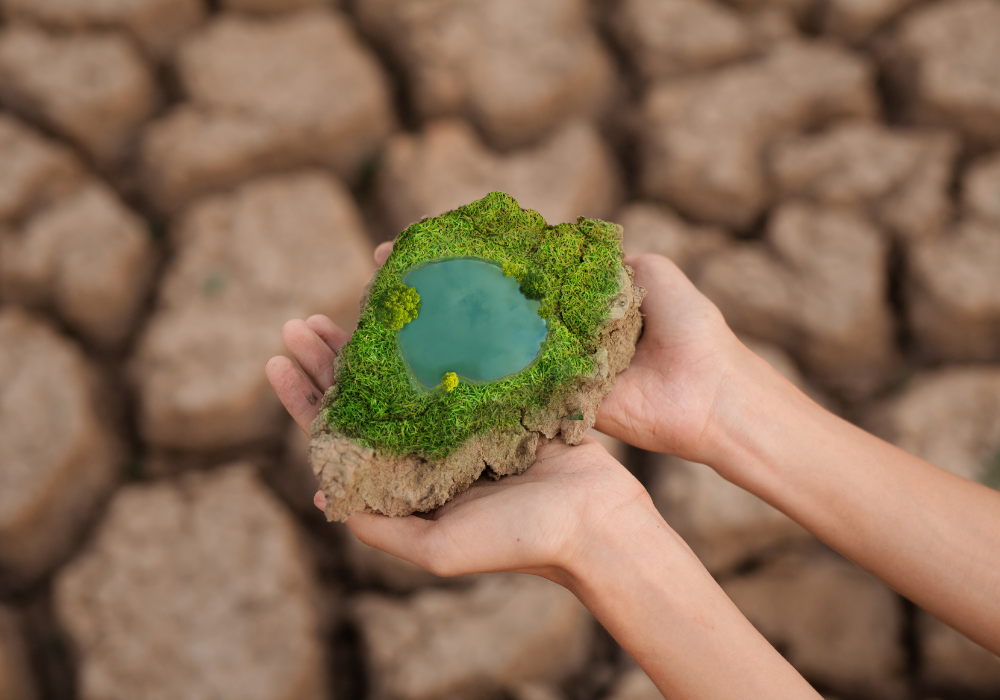
There’s a reason everything from eggs to energy feels more fragile lately. It’s not just inflation or supply chains—it’s the slow-motion train wreck of global resource scarcity. While the world argues over politics and progress, the quiet fight over raw materials, clean water, and waste management is already rewriting the rules of power. These aren’t distant threats. They’re battles brewing right now, under the surface of everyday life.
Food shortages. Lithium hoarding. Water riots. These things sound like dystopian fiction, but they’re happening in real time. We’re not running out of everything—we’re running out of balance. What used to be trash is now currency, and countries are starting to notice. The real danger isn’t just scarcity—it’s what people, corporations, and governments will do when they realize how high the stakes really are. By 2050, these resource fights won’t just shape policy. They’ll decide survival.
1. Water scarcity is triggering local conflicts that could explode globally.

From California to Cape Town, clean water is becoming harder to access—and it’s no longer just an environmental issue. Countries are now building military strategies around rivers, aquifers, and rainfall. When something as basic as hydration turns into a political weapon, the risk goes from personal to geopolitical fast.
According to writers for the Financial Times, EU climate chief Wopke Hoekstra warned that climate change could “quadruple” the likelihood of resource-driven conflict—putting water scarcity squarely at the center of global security risks . Rural farmers and urban planners are already in competition, and entire regions are drying out under climate stress. In places like the Middle East and parts of Africa, water insecurity is fueling migration, tension, and even violence. This isn’t a distant issue for the developing world—it’s happening in Europe and North America too.
2. Lithium demand is turning clean energy into a new kind of gold rush.

Electric vehicles, smartphones, and solar power all run on lithium—but the race to mine it is creating fresh economic and environmental fallout. Countries like Chile, Australia, and China hold the keys to this resource, and whoever controls it controls the green energy transition. That’s created a frenzy disguised as progress.
Communities near lithium mines are already seeing water shortages, ecosystem damage, and labor exploitation. Per experts at Save the Water, producing just one ton of lithium via traditional solar evaporation can consume up to 500,000 gallons of freshwater, putting immense pressure on already fragile ecosystems and local water supplies.
Meanwhile, wealthy nations are stockpiling supplies while pretending it’s all about sustainability. But under the surface, it’s about leverage. Lithium isn’t just powering batteries—it’s powering global influence. As more industries go electric, the countries that don’t have access could find themselves locked out of the future economy entirely.
3. Food waste is hiding a supply crisis that could turn into famine.
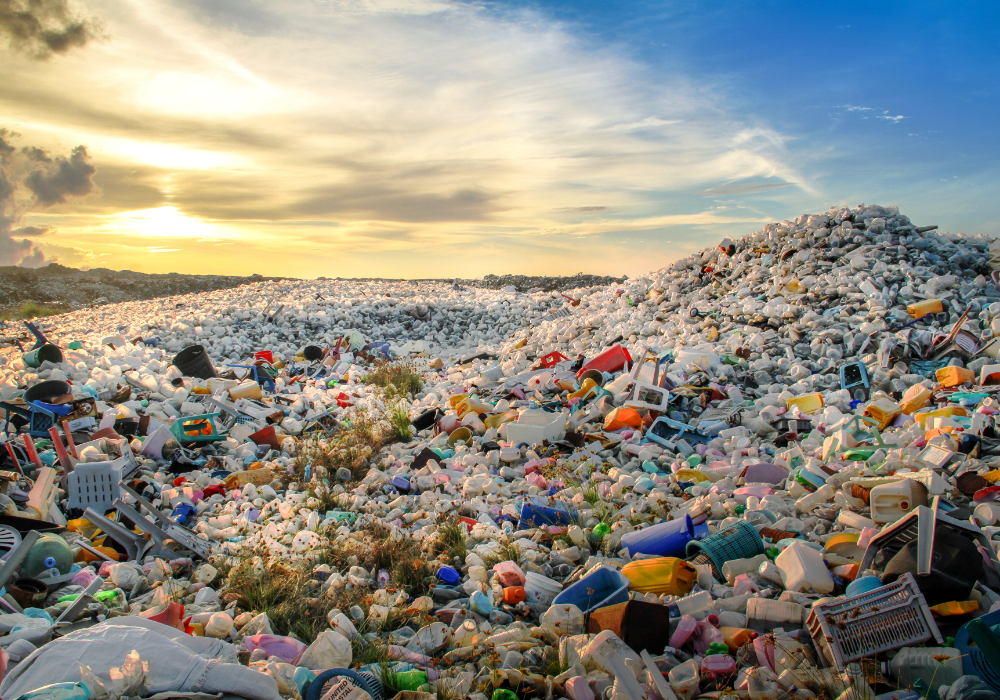
Roughly one-third of all food produced is wasted globally, even as millions go hungry every day. As highlighted by researchers for the UN Food and Agriculture Organization, about one-third of the food produced globally—nearly 1.3 billion tons—is lost or wasted each year, showing how waste isn’t just a moral failure but a systemic inefficiency. But this isn’t just a moral failure—it’s a logistical nightmare. Broken distribution systems, climate shocks, and economic inequality are turning food into a volatile commodity. And the cracks are starting to show.
Countries once considered agriculturally stable are now facing crop failures from drought, floods, and extreme heat. Meanwhile, the price of basics like rice, wheat, and corn is swinging wildly due to disrupted trade and hoarding. When food becomes unpredictable, so does the economy. Protests have already broken out over food shortages in places like Sri Lanka and Egypt—and they won’t be the last. As waste continues to outpace reform, the risk of large-scale food insecurity rises. And in a globalized world, famine in one region doesn’t stay contained. Hunger travels—along borders, through markets, and straight into political unrest.
4. Plastic waste is overwhelming systems that were never built to handle it.

Recycling was sold as the solution, but global plastic production has only grown—and now it’s choking oceans, landfills, and entire economies. Countries like the U.S. and U.K. ship their waste to poorer nations, turning plastic into both an environmental hazard and an economic burden for the most vulnerable.
This isn’t just a pollution problem. It’s a power imbalance dressed up as green living. As developing countries push back—like when China stopped accepting plastic imports—wealthier nations are left scrambling to figure out what to do with their waste. Entire recycling economies are collapsing, and the cost of managing trash is skyrocketing. When garbage becomes unmanageable, it doesn’t just disappear—it spills into political tension, trade wars, and public health disasters. The global waste economy is unsustainable, and pretending we can just “recycle better” is a myth that’s now unraveling in real time.
5. Rare earth metals are the quiet weapons in the next trade war.

Magnets, lasers, military tech, electric vehicles—these all rely on rare earth elements. And right now, China controls around 60–80% of the world’s supply chain. That kind of monopoly doesn’t just shape markets—it reshapes geopolitics. As more countries realize their tech dreams depend on a handful of mines, the tension is building fast.
Efforts to mine rare earths elsewhere are slow, expensive, and often come with serious environmental baggage. But with demand rising, desperation is setting in. Trade disputes are already flaring between China and Western powers, and it’s not hard to imagine a scenario where access becomes leverage.
Tech innovation means nothing without the raw materials to build it. These minerals may not make headlines often, but they’re at the heart of everything from smartphones to satellites. And whoever owns the minerals owns the future. The resource war is already here—it just hasn’t gone hot yet.
6. E-waste is turning toxic trash into a billion-dollar black market.

Laptops, phones, servers—when they break, they don’t disappear. E-waste is piling up in alarming quantities, often shipped illegally to places without the infrastructure to safely process it. The result? A toxic trade where some nations profit and others pay with their health and land.
This growing black market doesn’t just create environmental disasters. It fuels corruption, illegal labor, and public health crises. The recycling industry can’t keep up, and repair culture hasn’t caught on fast enough to make a dent. Meanwhile, tech companies push yearly upgrades and sealed designs that make reuse nearly impossible. All of this funnels into a global crisis that’s growing in the shadows. E-waste isn’t just a junkyard problem—it’s a full-scale failure of accountability. As devices become more essential, the consequences of throwing them out become more dangerous. And the people at the bottom of the system are the ones who suffer most.
7. Soil degradation is quietly destabilizing the global food economy.

Healthy soil is the foundation of every food system—but overfarming, deforestation, and climate change are destroying it faster than we can rebuild. Nearly a third of the world’s soil is already degraded, and once it’s gone, it doesn’t come back quickly. Without fertile ground, agriculture collapses—and so do the economies built on it.
This isn’t just about fewer crops. Soil loss means lower yields, higher prices, and increased reliance on fragile imports. It hits hardest in developing countries but threatens stability everywhere. As land becomes less productive, farmers go bankrupt, food costs rise, and hunger spreads. And when agriculture falters, entire communities unravel. The soil crisis doesn’t get much attention because it’s not as dramatic as a flood or fire. But it’s a slow-motion disaster with consequences that will echo for decades. Without radical change in how we treat land, the ground beneath our feet—literally—could give way.
8. Landfills are running out of space and turning into public health time bombs.
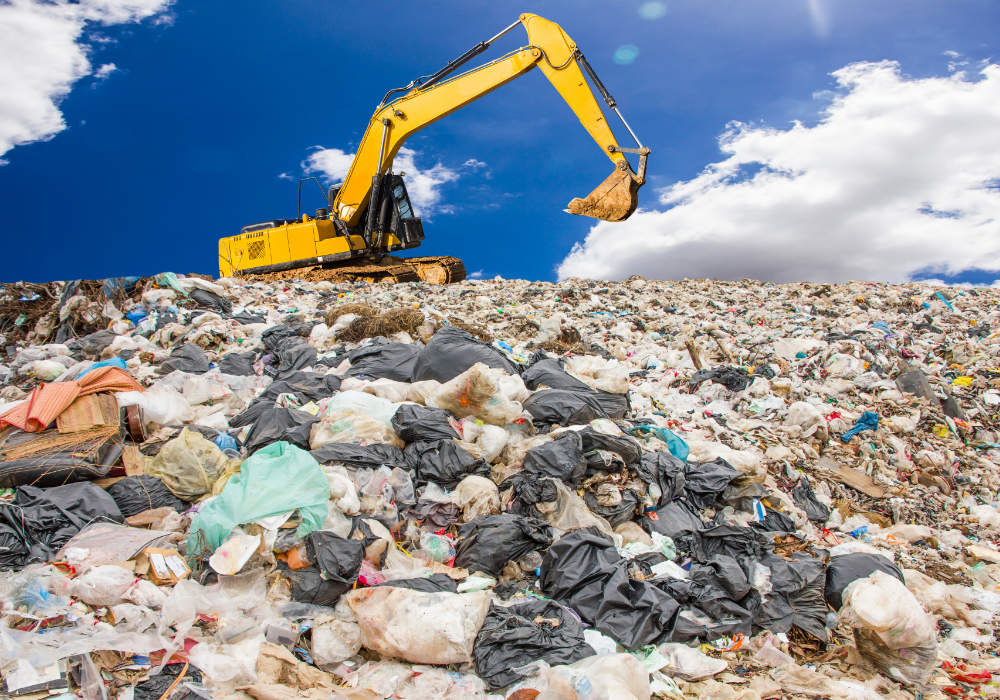
It’s easy to think that trash just “goes somewhere,” but many landfills are reaching capacity—and the backup plans don’t exist. In cities across the globe, garbage is piling up, seeping into water supplies, and triggering pollution that impacts the most vulnerable communities first.
This isn’t just a sanitation issue. As waste builds up and management costs climb, poorer municipalities are forced to cut corners, risking fires, contamination, and disease outbreaks. Some cities are even resorting to burning trash in open pits, unleashing toxic smoke into residential areas.
The wealthier the country, the more likely it is to export its waste. But the global dumping ground model is falling apart. As landfills fill and communities push back, trash becomes more than an eyesore—it becomes a flashpoint. When basic waste management fails, trust in public systems collapses with it. Garbage is no longer just a byproduct—it’s a crisis of governance.
9. Sand is becoming the most stolen commodity on Earth.

It sounds absurd—how can something as common as sand be a crisis? But sand is essential to concrete, glass, electronics, and infrastructure. And thanks to a global construction boom, legal supplies can’t keep up. Enter the sand mafia—yes, that’s a real thing—who mine beaches and riverbeds illegally, often with violent consequences.
Countries like India, Kenya, and Indonesia are already seeing environmental destruction and even murders tied to sand theft. It’s a billion-dollar industry that thrives in corruption and scarcity. Once pristine coastlines are disappearing, and river ecosystems are collapsing. Unlike renewable resources, sand isn’t easy to replace. And because it’s seen as too mundane to regulate properly, it’s becoming the perfect target for exploitation. As cities grow and infrastructure demands rise, the fight over sand could tip from shady deals to open conflict. The foundation of the modern world is literally being stolen, one truckload at a time.
10. Trash colonialism is fueling economic injustice around the world.

Wealthy nations often ship their waste—especially plastics and electronics—to poorer countries under the guise of recycling. But much of it ends up in illegal dumps, polluting the environment and harming the health of local communities. This isn’t global cooperation. It’s exploitation wrapped in greenwashing.
Countries like the Philippines, Malaysia, and Ghana have pushed back, sending shipments back or demanding better oversight. But for every blocked shipment, another slips through. The cost of managing waste is being outsourced to people with the least resources to deal with it. Trash colonialism is not just a dirty secret—it’s a dangerous game of economic bullying. And it reinforces the same global imbalance that created the climate crisis to begin with. As resistance grows and borders tighten, the backlash could reshape trade, diplomacy, and environmental policy in ways no one is prepared for.