Modern Life Feels Impossible Because It Kind Of Is—Here Are 10 Signs You’re Maxed Out

What feels like failure might actually be survival mode.

©Image license via Canva

You’re not imagining it—everything really does feel harder right now. Work expectations are sky-high. Social media won’t let your brain rest. Rent’s due, the news is terrifying, and somehow you’re also supposed to meditate, hydrate, and thrive. If it feels like modern life demands more than you can realistically give, that’s because it does. This system wasn’t built to support your well-being—it was built to keep you producing, consuming, and chasing a version of success that keeps moving further away.

And while you’re trying to keep up, your body and brain are throwing out warning flares. Maybe you feel numb. Maybe you’re tired no matter how much you sleep. Maybe everything feels like too much and not enough at the same time. That’s not laziness. That’s not weakness. That’s your nervous system running on fumes in a world that keeps piling on. These signs don’t mean you’re broken. They mean you’re maxed out.


Read more

10 Beautiful Places That Exist Because Something Was Destroyed First

These landscapes are breathtaking now, but their past is full of scars.

©Image license via Canva

Some of the world’s most stunning places didn’t start out serene—they began with chaos, destruction, or loss. The kind of transformation that makes you stop and wonder how beauty ever bloomed there at all. These aren’t just pretty vacation spots. They’re places where nature, history, and time worked overtime to heal something that was once broken, buried, or burned.

What looks like paradise now might’ve been the site of a deadly eruption, a collapsed city, or a man-made disaster. And that’s what makes them feel different. They carry memory in their soil. You can feel the tension—between what was and what came after. These places don’t just remind us of what can be rebuilt. They show how beauty isn’t the absence of damage. It’s what rises in its wake. Sometimes, the most unforgettable views only exist because something else was lost first.

Read more

Your Dishwasher Is Lying to You—12 “Clean” Kitchen Habits That Actually Spread Germs

The things you do to stay sanitary might be making your kitchen more dangerous.

©Image license via Canva

Everyone wants a clean kitchen—but what if the way you’re cleaning is actually making things worse? Most of us follow routines that feel safe and familiar: a quick rinse here, a wipe down there, maybe an extra cycle in the dishwasher just to be sure. But a lot of what we think of as “clean” is really just surface-level—and in some cases, it’s straight-up spreading bacteria around like seasoning.

The kitchen is one of the germiest rooms in the house, and it’s not because people are lazy. It’s because some habits that look hygienic are secretly doing the opposite. From sponge mistakes to food storage flops, these common behaviors might be turning your kitchen into a bacterial playground. Once you know what to look for, you can clean smarter—not harder—and keep your space actually safe, not just Instagram-ready.

Read more

Stop Buying These 10 Things If You Want a Slower, Calmer Life

Clutter isn’t just physical—it’s emotional, and these purchases keep the chaos alive.

©Image license via Canva

If life constantly feels overstimulating, your shopping habits might be part of the noise. It’s easy to buy things that promise convenience, beauty, or self-care—only to find they add more decisions, mess, or guilt. The truth is, some purchases feel like comfort in the moment but lead to more stress over time. Before you know it, your home becomes another source of overwhelm instead of a place that restores you.

Slowing down often has less to do with changing your schedule and more to do with changing your surroundings. It’s not about having nothing—it’s about making room for peace to exist. And peace doesn’t grow well in chaos. These choices may seem harmless, but they carry weight. Start noticing what’s quietly speeding you up and distracting you from the life you’re trying to build.

Read more

10 Alarming Ways Melting Ice Is Reshaping the Planet—And It’s Not Just Coastal Cities at Risk

Glaciers are vanishing, and the ripple effects are already hitting your daily life.

©Image license via Canva

When people hear “melting ice,” they think of polar bears and rising seas. But that’s only the beginning. The truth is, ice loss is unraveling entire systems—weather, food, water, and even geopolitics. It’s not just about coastlines disappearing (although they are). It’s about chaos showing up where you least expect it—on your plate, in your wallet, or during your morning commute.

This isn’t some distant warning from a frozen wasteland. The poles may seem far away, but they’re connected to everything. Think of ice like the planet’s thermostat. Once it starts breaking down, nothing runs the way it’s supposed to. These 10 changes aren’t happening someday—they’re already underway. And they’re shifting the way life works everywhere, whether or not you live near a glacier. The melt is on, and the fallout is coming fast.

Read more

10 Mental Habits That Quietly Make Life Harder (And How to Spot Them)

What you think is personality might actually be mental self-sabotage.

©Image license via Canva

Stress, overthinking, self-doubt—sometimes they feel like part of your identity. But often, they’re just well-practiced mental habits hiding in plain sight. They show up as second nature: a thought that sounds helpful, a worry that seems protective, or a voice in your head that claims to be realistic. But behind the curtain, these patterns drain your energy, shrink your confidence, and quietly make everything harder than it needs to be.

They don’t look dramatic. They look like coping, productivity, or even personality. But spotting these habits doesn’t mean something’s wrong with you—it means something’s ready to shift. Once you recognize them, you create space to choose something different. And no, it won’t fix everything overnight. But it’s a start. These ten patterns aren’t loud. They’re sneaky. And once you see how they work, you’ll wonder why you let them run the show for so long.

Read more

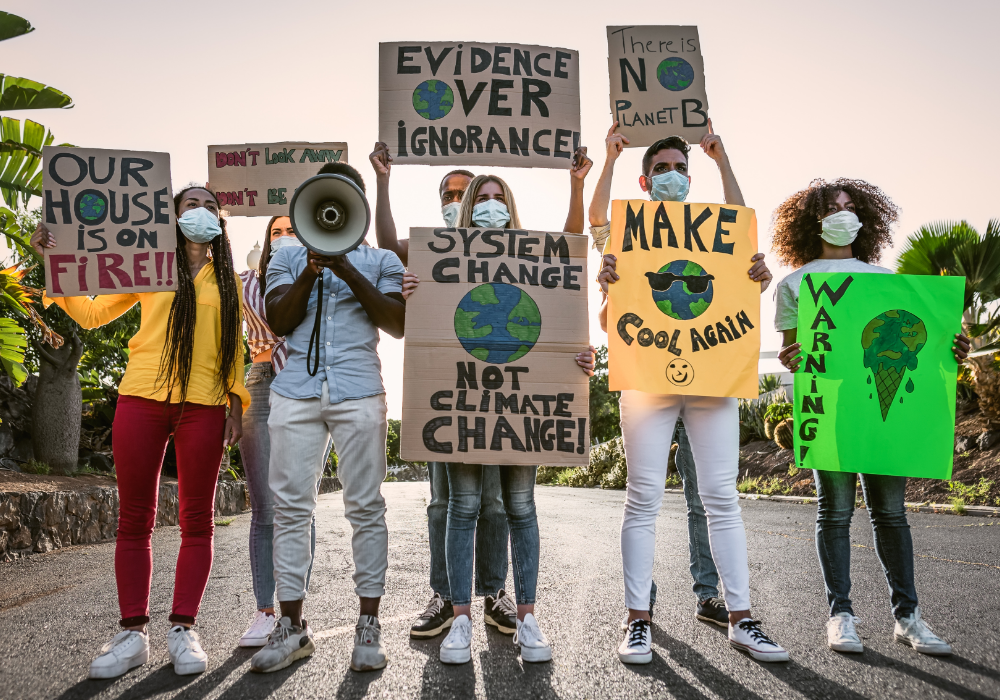
These 12 Climate Wins Didn’t Happen by Accident—They Took Collective Rage

Every win started as outrage that refused to back down.

©Image license via Canva

It’s easy to feel like nothing ever changes, especially when headlines scream disaster and governments drag their feet. But behind every major climate win is a different story—one of resistance, organizing, and flat-out refusal to accept business as usual. These victories weren’t polite. They weren’t the result of quiet lobbying or inspirational TED Talks. They were dragged into existence by people who were angry, loud, and absolutely done with being ignored.

That’s the part that rarely makes the news. You see the result—a law passed, a project halted, a fossil fuel giant cornered—but not the fury that fueled it. It wasn’t luck. It wasn’t patience. It was people showing up, risking burnout, backlash, and burnout again. These 12 wins didn’t fall from the sky. They were forced into reality by the power of collective outrage. And if it worked once, it can work again.

Read more

11 Subtle Clues That the Person You Love Is Hiding Explosive Anger

The warning signs aren’t loud, but they’re screaming for your attention.

©Image license via Canva

You can feel it before you can explain it—something’s just… off. You know that weird tension that creeps in when someone says they’re “fine” but their energy practically slams the door in your face? That subtle shift in tone, the flicker of something behind their eyes, the odd way they retreat emotionally while pretending everything’s cool? It’s enough to make your stomach flip, even if you can’t quite put your finger on why. Maybe you brush it off because they don’t yell or slam doors. They don’t hurl insults or make scenes. But somehow, you still feel like you’re walking on eggshells. That’s the thing about hidden anger—it wears a disguise.

It’s patient, quiet, and way more dangerous when it festers under the surface. If you’ve ever had that sinking feeling like someone close to you is holding something in, you’re not crazy. And you’re definitely not imagining it. They might be hiding a storm just waiting to blow.

Read more

Misinformation Is Winning—These 12 Lies Are Delaying Climate Action Right Now

Every repost, retweet, and recycled myth keeps real progress out of reach.

©Image license via Canva

Climate misinformation doesn’t always look like conspiracy theories or angry Facebook rants. Sometimes it shows up in casual conversations, catchy headlines, or viral posts that sound almost reasonable. That’s what makes it so dangerous—it doesn’t need to be loud to be effective. It just needs to plant doubt. And the longer we argue over the basics, the less time we have to deal with the crisis already unfolding.

These myths aren’t about asking questions or promoting healthy skepticism. They’re built to stall action. Confuse the public. Undermine trust. Make climate solutions sound extreme or unnecessary. And whether they come from oil lobbyists or that one smug uncle, the result is the same: people stay passive while the planet burns. These aren’t just harmless misunderstandings. They’re strategic delays, dressed up as common sense. And if we don’t learn to spot them, they’ll keep buying time we don’t have.

Read more

This Summer Could Kill You—11 Urgent Ways to Survive the Heat

Heatwaves aren’t just uncomfortable anymore—they’re deadly, and they’re coming faster than you think.

©Image license via Canva

It’s not just “hot out” anymore. It’s unrelenting, pavement-melting, heat-stroke-in-your-own-home kind of hot. And it’s happening more often, hitting harder, and lasting longer. Whether you live in a city apartment or a rural home, summer heatwaves are no longer just a nuisance—they’re a serious survival issue. The power grid can’t always keep up. The AC isn’t always enough. And the heat doesn’t care whether you’re used to it or not.

What used to be rare is now routine. Emergency rooms are seeing more heat-related illness. Infrastructure is buckling. And for many, staying cool isn’t just about comfort—it’s about staying alive. These aren’t luxury tips for how to “beat the heat.” These are essential moves for getting through the new normal. Don’t wait until the heat index hits 110 to start preparing. The time to make a plan is now—because the worst heatwaves aren’t coming. They’re already here.

Read more