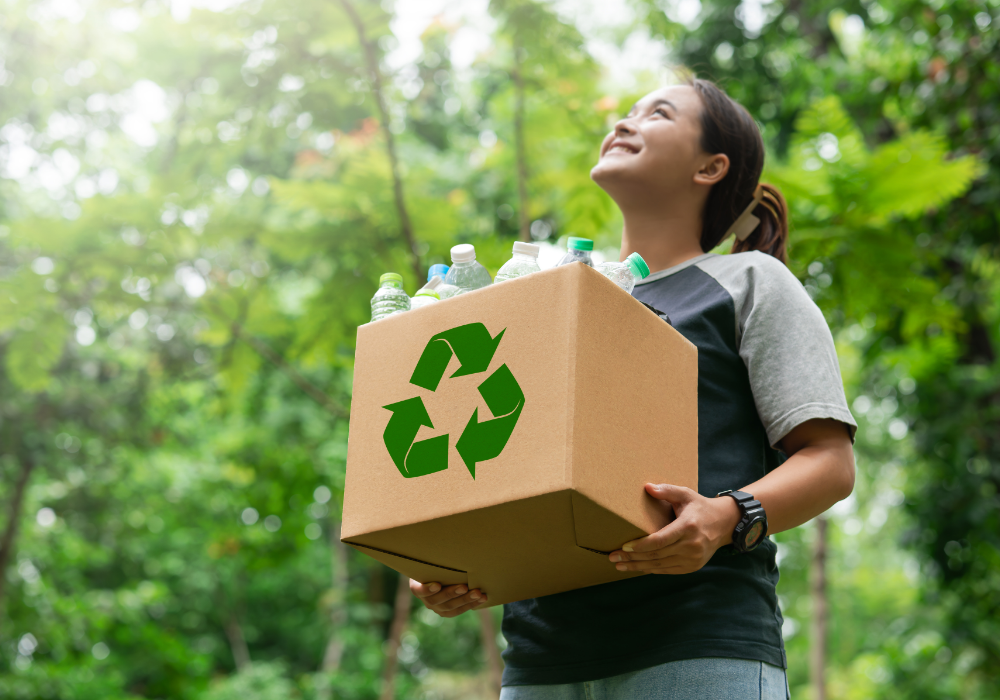
12 “Eco” Swaps That Don’t Actually Help the Planet at All

Eco-friendly isn’t always earth-friendly, and here’s the proof.

©Image license via Canva

It’s never been trendier to care about the planet—and that’s not a bad thing. But let’s be real: not everything with a green label is actually doing good. We’ve all been tempted by bamboo everything, swapped plastic for paper, or bought into whatever “eco” product the internet swears is the next sustainable miracle. But a lot of those swaps are more about looking the part than making a real difference. Companies know you want to help, and they’re more than happy to sell you the illusion of impact.

That’s the problem. These “planet-friendly” upgrades often come with hidden costs, messy realities, or just straight-up don’t work. You deserve to know which swaps are real and which are just another way to sell more stuff. Because if we’re going to fight climate change and reduce waste, we need more than trendy purchases—we need honest action. Here’s what’s not helping like it claims to.

Read more

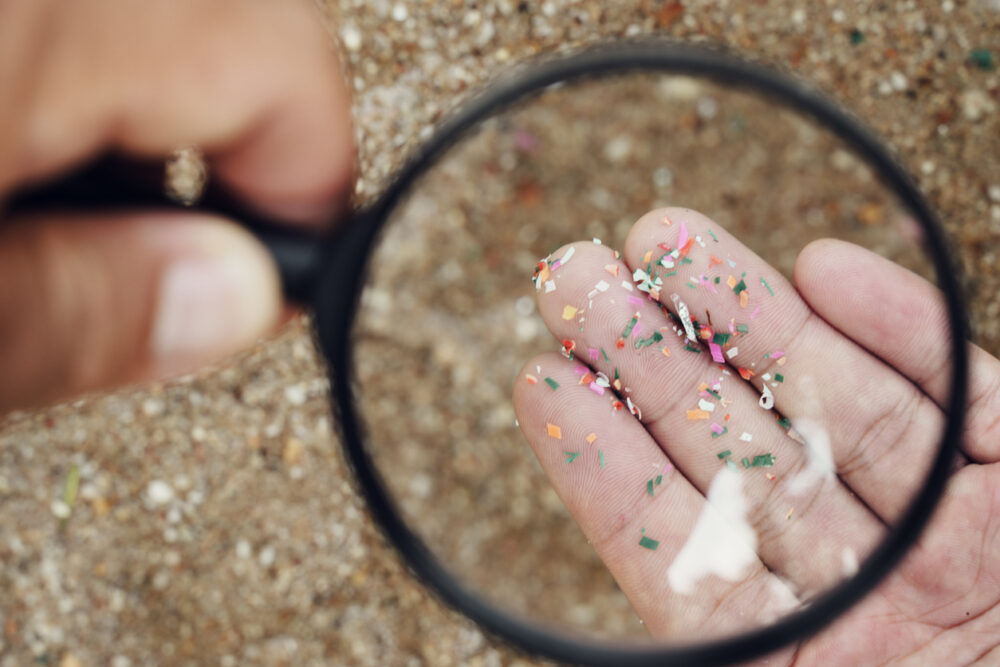
Meet the Plastic-Eating Heroes of the Sea—12 Mind-Blowing Marine Fungi Discoveries

These bizarre marine fungi are quietly waging war on ocean pollution.

©Image license via iStock

You’re not going to believe what scientists are finding in the ocean—and it’s not another weird-looking fish. If you’ve ever stared at a beach covered in plastic bottles and grocery bags and thought, “There’s no way nature can bounce back from this,” you’re not alone. It’s easy to feel like we’ve already trashed the planet beyond repair. But just when it seems like all hope is lost, something totally unexpected washes up—like a potential miracle hiding in the most overlooked corners of the sea. These aren’t flashy sea creatures or headline-grabbing tech fixes. They’re smaller, stranger, and way more fascinating.

The ocean, it turns out, may have been quietly building its own cleanup crew all along. And once you understand what’s lurking beneath the surface, you’ll never look at the ocean—or your plastic trash—the same way again. Nature’s got tricks up its sleeve, and you’re about to find out one of the weirdest, most brilliant ones yet.

Read more

You’d Never Guess These 12 Celebs Live with Anxiety—Here’s How They Cope

They walk red carpets but secretly fight the same battles you do.

©Image license via Wikimedia Commons

You’d never guess it from their flawless photos or confident interviews, but some of the most famous faces you know are secretly fighting off panic behind the scenes. You scroll past their glamorous vacations, red carpet moments, and perfect smiles and assume they’ve got life handled better than the rest of us. But anxiety doesn’t care about status, money, or millions of followers. It shows up in green rooms, movie sets, and even private jets. And it hits hard.

The wildest part? You might relate to them more than you think. Fame doesn’t come with immunity to the racing thoughts, sleepless nights, or overwhelming dread that anxiety brings. In fact, for many, the spotlight makes it worse. You’ll probably never see their darkest days on social media—but they’ve had them. And instead of crumbling under the pressure, they’ve figured out ways to cope, heal, and keep going. If they can talk about it, you can too. And their stories might just change how you see your own.

Read more

Stop Avoiding These 11 Foods—They’re Better for You Than You’ve Been Told

Diet culture got it wrong—these ingredients are actually on your side.

©Image license via Canva

You’ve probably side-eyed these foods in the grocery store. Maybe you skipped the yolk, swapped the white rice, or turned down the potato—because someone, somewhere, once said they were “bad.” But here’s the thing: a lot of that advice was based on outdated science, diet trends, or flat-out fearmongering. These so-called villains? Many of them are nutritional powerhouses in disguise.

Diet culture loves extremes. It tells you to label food as good or evil, clean or dirty, worthy or shameful. But your body doesn’t speak in absolutes—it speaks in balance. And some of the foods you’ve been avoiding might be exactly what your system’s been craving. No more tiptoeing around toast or feeling guilty about fruit. These 11 foods were never the enemy. In fact, they might just be the heroes of your next grocery haul.

Read more

12 “Zero Waste” Brands That Generate More Hype Than Impact

The planet doesn’t need prettier packaging, it needs real change.

©Image license via Canva

We’ve all fallen for it—a sleek label, a pastel font, and a promise to “save the planet” with every purchase. The zero-waste movement exploded with good intentions, but somewhere along the way, it got swallowed by aesthetics and algorithms. Now, it’s hard to tell which brands are doing real environmental work and which are just slapping eco-buzzwords on overpriced products wrapped in “compostable” greenwashing.

Here’s the truth: being zero-waste isn’t about owning the right metal straw or bamboo toothbrush. It’s about reducing consumption at the root, not just making the trash prettier. But that message doesn’t sell as easily. That’s why so many companies are capitalizing on guilt and vibes instead of accountability. The brands below may look good on your shelf, but dig a little deeper—and you’ll find more marketing than movement.

Read more

12 Wildly Smart Ways AI Could Pull Us Back From the Environmental Edge

AI is doing what politicians won’t—saving the planet one algorithm at a time.

©Image license via Canva

It sounds crazy to say this, but machines might just be our last shot at saving ourselves. You’ve probably felt the eco-dread creeping in—those moments when the headlines make you want to scream into a pillow or just check out entirely. Climate disasters are piling up, the people in charge seem paralyzed, and the future’s looking like a hot, flooded mess. But something surprising is happening in the background: artificial intelligence is stepping in where human systems are stalling.

You might think of AI as some cold, robotic thing that’s more about Silicon Valley than sustainability, but the truth is, it’s starting to show up in places that really matter. It’s not perfect, but it’s fast, adaptive, and not afraid of data overload. When the stakes are this high, any tool that can tilt the odds matters. And this one might just be smarter—and more planet-loving—than we ever imagined.

Read more

12 Everyday Items You Can’t Recycle—No Matter How “Good” You Think You Are

Your recycling bin might be working against you.

©Image license via Canva

You rinse your jars, break down boxes, and toss everything vaguely paper-like into the blue bin with pride. But here’s the thing: good intentions don’t equal good recycling. Plenty of everyday items look recyclable, feel recyclable, and should be recyclable—but they’re not. And when they end up in the bin, they can mess up the whole system, slow down processing, or even cause entire batches to get tossed in the trash.

It’s not your fault. Recycling rules are confusing, vary by region, and change faster than anyone can keep up with. But if you’ve ever confidently recycled something and then found out later it actually belonged in the trash… yeah, same. That’s why this list matters. These common items trick even the most eco-conscious among us—and some of them might be sitting in your bin right now, ready to sabotage the very system you’re trying to help.

Read more

You’re Not Traveling Light—These 10 Habits Leave a Heavier Footprint Than You Think

Every selfie, flight, and souvenir leaves more behind than memories.

©Image license via Canva

Vacation is supposed to be a break—from stress, from routine, from responsibility. You save, you plan, you post, and for a few days, life feels like a curated dream. But behind the beach pics and passport stamps is a different kind of souvenir: environmental damage that sticks around long after you’ve unpacked. It’s not about blaming travelers—it’s about realizing how the travel industry sells us “escape” while quietly trashing the places we go to escape to.

Most of us don’t think twice about hotel buffets, long-haul flights, or those cute market trinkets. They’re part of the experience, right? But small habits add up to a massive impact when millions of people do them at once. Travel can still be joyful—it just needs to be more conscious. So before your next getaway, here are the things that might be weighing down your trip more than your suitcase.

Read more

Greta Thunberg Didn’t Yell for Nothing—10 Reasons Her Rage Was Justified

When the world won’t listen, fury becomes survival.

©Image license via Flickr

Greta didn’t politely ask for change—she demanded it. And thank God she did, because the people in charge weren’t exactly racing to save the planet. Her anger wasn’t performative. It was the kind of rage that bubbles up when you’ve read the science, looked around, and realized most of the adults in the room are pretending everything’s fine. She didn’t scream for attention—she screamed because no one else would.

Her voice cut through the noise in a way facts alone couldn’t. And while critics called her too emotional, too dramatic, too young, she did something they never could—wake people up. Because anger isn’t always the problem. Sometimes it’s the most honest reaction to a broken system. These ten reasons show why Greta’s fury wasn’t just justified—it was essential. And if we’d listened sooner, we might not be where we are now.

Read more

The Earth Is Hiding a Clean Energy Jackpot—10 Reasons Hydrogen Could Be the Answer

Most people have no clue how much untapped hydrogen is sitting right beneath our feet.

©Image license via iStock

You’ve been sold on solar, tempted by wind, and probably rolled your eyes at yet another promise of “the next big thing” in energy. But what if the real game-changer has been under your nose—and under the Earth—all along? Hydrogen isn’t some sci-fi pipe dream or fringe experiment that’ll fizzle out in a decade. It’s already fueling buses, powering homes, and turning heads in energy circles that usually play it safe. Still, most people barely know what it is, let alone how radically it could shift the clean energy landscape. You might think it’s too complicated or too expensive—or just another buzzword thrown around by corporations trying to look green.

But the story of hydrogen is deeper, wilder, and way more exciting than you’ve been led to believe. Once you start seeing its potential, it’s hard not to wonder why we haven’t been shouting about it from the rooftops. Because if anything’s going to flip the energy equation, it’s this unassuming little element.

Read more