The Body Remembers What the Mind Rewrites—11 Physical Clues You’re Still Holding On

Trauma doesn’t disappear just because you stopped thinking about it.

©Image license via Canva

You might tell yourself you’re fine. That you’ve moved on. That what happened is in the past. And mentally, that might even feel true—especially if you’ve talked it through, rationalized it, or buried it under years of distractions. But the body plays by different rules. It doesn’t respond to logic. It responds to signals, patterns, and survival instincts. And when it hasn’t felt safe enough to let go, it keeps holding the weight—quietly, stubbornly, and without asking permission.

This isn’t about drama or weakness. It’s biology. Long after the mind rewrites the story to make it more manageable, the nervous system might still be stuck in high alert. That can show up in ways you’d never think to connect: tension, fatigue, strange habits, even gut issues. If your body has been acting off but you can’t explain why, it might be time to listen in a new way.

Read more

Decision Fatigue Isn’t Just Annoying—Here Are 10 Ways It’s Wrecking Your Life

Little decisions are piling up, and they’re quietly running your life.

©Image license via Canva

Modern life demands constant choices—small ones, fast ones, endless ones. Every scroll, reply, and click adds another item to your brain’s invisible to-do list. Decision fatigue creeps in quietly, draining energy and making each task feel heavier than it should. It doesn’t show up all at once. It builds. Slowly, consistently, and often unnoticed until you’re knee-deep in indecision over something as simple as what to eat for lunch.

It’s not about being disorganized or bad at adulting. It’s about having too many mental tabs open with no time to reset. This kind of mental wear-and-tear isn’t loud—it’s subtle, and that’s what makes it dangerous. Choices that used to be automatic start feeling like brick walls. Momentum disappears. And before long, your entire day feels like wading through mud. That slow drag on your focus, mood, and motivation has a name—and it’s worth noticing.

Read more

13 Everyday Things Americans Do That Are Killing Our Water Supply

You could be wrecking the planet’s water—and not even know it.

©Image license via iStock

You might think you’re just going about your normal day—showering, doing laundry, grabbing takeout—but some of those “normal” habits are helping drain one of our most precious resources. Water might seem infinite when it’s pouring from your tap or filling your washing machine, but the truth is way more alarming. America uses more water per person than almost any other country, and much of that usage is completely unnecessary—or worse, wildly wasteful.

The scariest part? You probably don’t even realize it’s happening. That’s how sneaky this problem is. It’s woven into convenience, comfort, and “the way things have always been done.” But that mindset is exactly what’s pushing lakes, rivers, and aquifers toward disaster. And once they’re gone, they’re not coming back in a hurry. If you care at all about clean water in your future—or for the people who come after you—it might be time to rethink the small stuff. Because it all adds up.

Read more

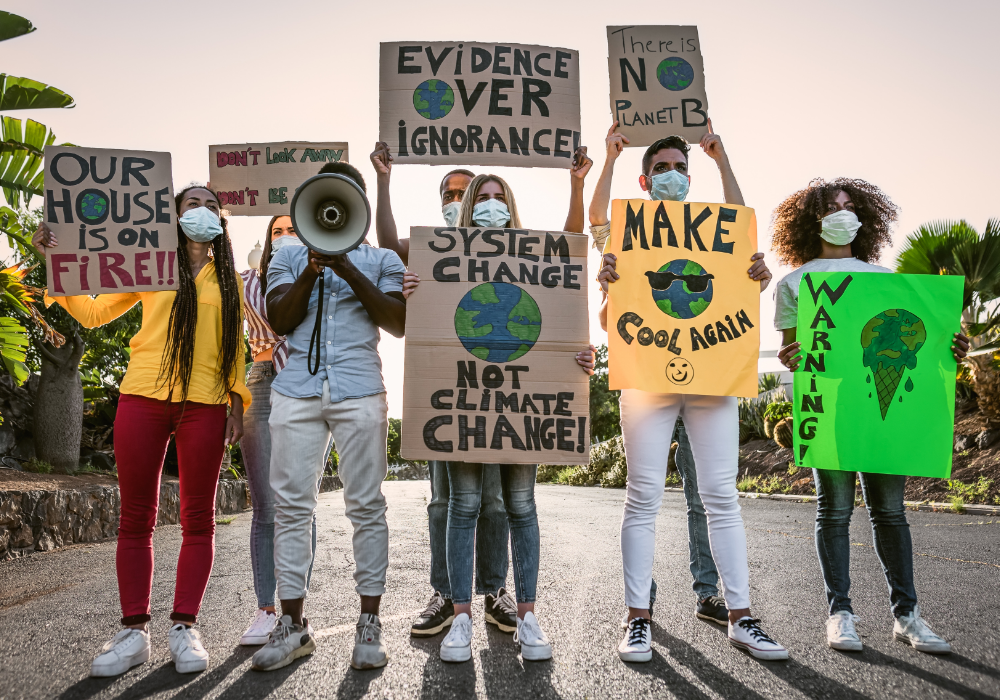
When the Fire Comes, They’ll Blame the Activists—10 Ways That’s Already True

Climate villains are pointing fingers at the very people trying to help.

©Image license via Canva

Every time the planet pushes back—floods, fires, heatwaves—the same people who helped cause it all somehow avoid the blame. Instead, fingers point toward the protestors, the scientists, the kids skipping school with cardboard signs. Climate activists are sounding the alarm, and somehow, they’re the ones catching the heat. It’s not just unfair—it’s calculated.

Painting activists as extremists or criminals distracts from the real culprits: fossil fuel giants, complicit politicians, and the industries profiting from destruction. And while these activists are getting arrested, sued, or discredited, the world keeps warming. The smoke gets thicker, the storms get worse, and the narrative gets twisted: the problem isn’t the collapse—it’s the people daring to talk about it. That’s how blame works in a system built to protect power, not people. And if this keeps up, when the fire does come, the ones who tried to stop it will be the first ones silenced.

Read more

We Called It Minimalism—These 10 Decluttering Habits Were Just Avoidance in Disguise

Turns out, throwing things away won’t throw away your feelings.

©Image license via Canva

Minimalism felt like a breath of fresh air at first. Clean counters. Empty closets. White walls and matching bins and the kind of peace that looked great on Instagram. But somewhere along the way, the less-is-more mindset turned into a way to dodge what we didn’t want to deal with. We weren’t just getting rid of clutter—we were trying to outrun chaos, grief, control issues, and everything in between.

Decluttering can be healing, sure. But it can also become a coping mechanism in disguise. When we toss things out, we get a rush of control. A sense that life is manageable. But sometimes, we’re just burying emotions beneath the aesthetic. These habits might look productive, even admirable. But when we really zoom out, they start to look like emotional shortcuts. Here are 10 decluttering behaviors that had way less to do with stuff—and way more to do with avoidance.

Read more

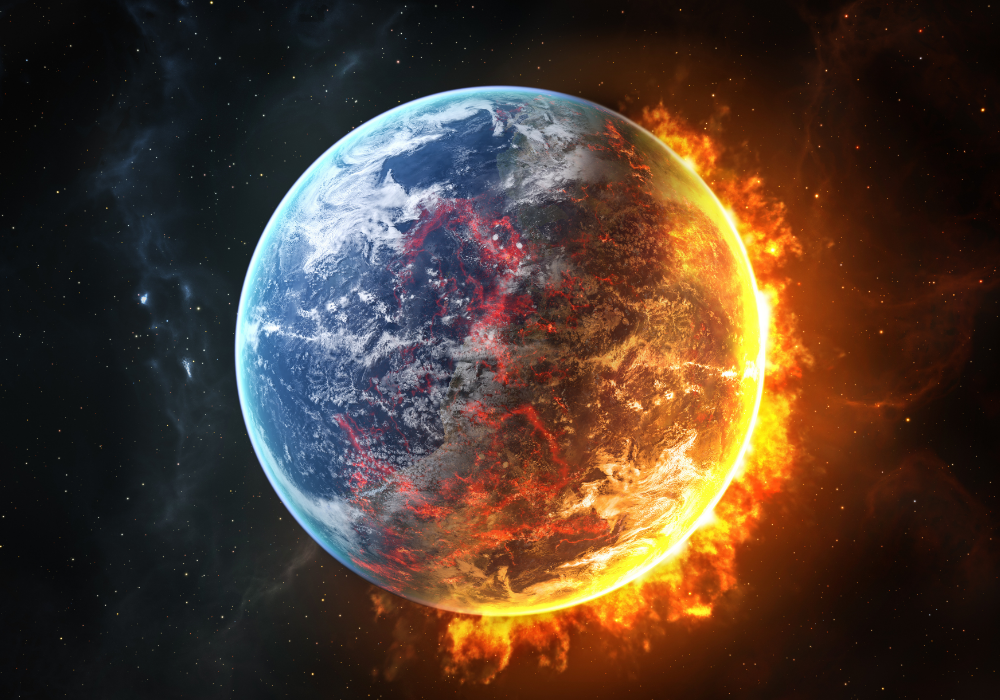
Feeling Helpless About Climate Change? These 11 Acts of Stewardship Actually Work

Small choices you make today could literally shape the planet your grandkids inherit.

©Image license via Canva

You might feel like nothing you do can stop the planet from burning—but that’s not true. If you’ve been carrying around a quiet sense of dread every time another climate headline flashes across your screen, you’re not alone. It’s overwhelming, right? The wildfires, the floods, the record-breaking heat—it’s enough to make you want to crawl under the covers and binge old sitcoms. But that helpless feeling?

It’s not the whole story. You actually have more power than you think. You don’t need a degree in environmental science or a compost bin the size of your SUV to start making a difference. The truth is, your daily choices—some tiny, some bold—add up to real impact when it comes to caring for this earth we all share. So if you’re tired of feeling like you’re just along for the ride, it might be time to reclaim your role as a steward of the planet.

Read more

What If the Planets Knew First? 11 Times Astrology Predicted Political Upheaval

Long before headlines broke, the stars were already shifting.

©Image license via Canva

You don’t have to be an astrology die-hard to admit something eerie happens when the planets line up just right and the world goes sideways. Sometimes, it feels like the cosmos knows before we do. While pundits and pollsters scramble to explain the latest political upheaval, astrologers are often pointing to eclipses, retrogrades, and rare planetary pileups saying, “Yep, saw that coming.” And weirdly, they’re not always wrong.

Astrology isn’t about predicting the exact headline—it’s about reading the energy. And some of history’s biggest shakeups didn’t just happen in a vacuum. They landed during astrological transits known for chaos, revolution, or deep transformation. Whether you call it a cosmic coincidence or something more mystical, these 11 moments make you wonder if the stars were trying to warn us. Because sometimes, while we were refreshing Twitter, the planets were already screaming.

Read more

The Climate Crisis Is Making Us Dumber—Here Are 10 Reasons to Act Now

This crisis is shrinking attention spans and test scores alike.

©Image license via Canva

We talk a lot about melting glaciers, rising seas, and wild weather when it comes to climate change. But here’s something you don’t hear nearly enough: it’s coming for our brains, too. Literally. The hotter our planet gets, the harder it becomes to focus, think clearly, learn, and even sleep properly. And it’s not just a feeling—there’s real science showing how heat, air pollution, and stress from climate disasters are quietly messing with our cognitive function.

If you’ve been feeling foggy, tired, or like your memory’s not what it used to be, it might not just be stress or screens—it might be the climate crisis creeping into your nervous system. This isn’t just about polar bears anymore. It’s about your ability to think, react, and function. Here are 10 alarming ways climate change is lowering brain power—and why ignoring it could cost us more than we realize.

Read more

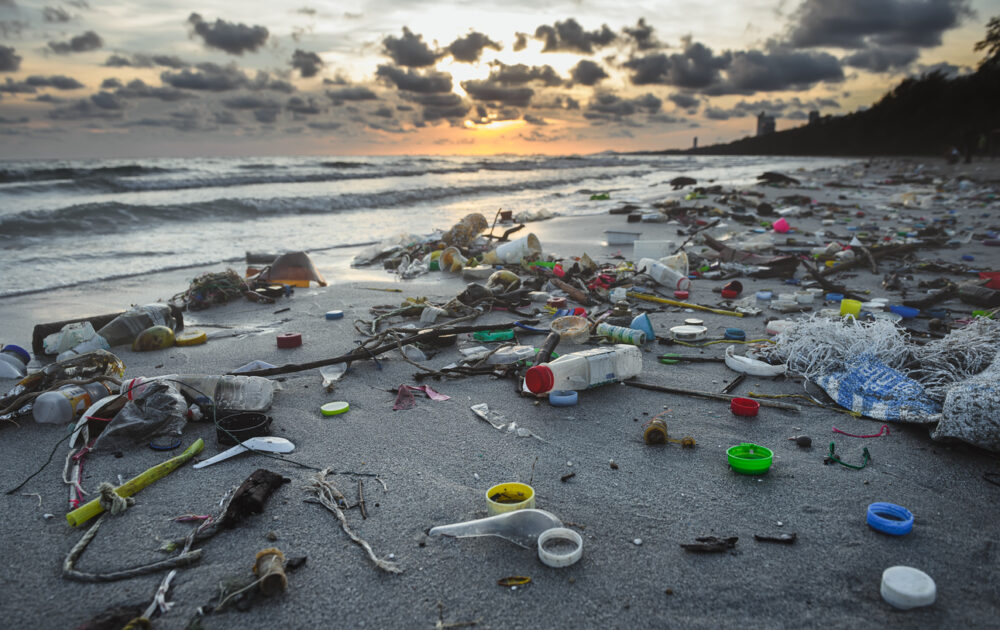
Is the Ocean Dying? 10 Warning Signs You Can See from the Beach

You won’t believe what’s washing up on beaches—and what it means for our oceans.

©Image license via iStock

You might think the beach is the perfect place to unplug and forget your worries—but what if it’s actually where the planet is trying to get your attention? You’re soaking up the sun, toes in the sand, maybe sipping something cold, and meanwhile, the ocean is sending out distress signals in plain sight. Not with sirens or headlines, but with things you can literally see, smell, and feel if you’re paying attention. It’s easy to miss because it’s all wrapped in vacation vibes and pretty views. But once you know what to look for, it’s hard to unsee.

The signs aren’t just subtle—they’re kind of chilling. And no, this isn’t about scaring you away from the water. It’s about waking up to the fact that our oceans are changing fast, and some of the biggest red flags are showing up right at the shoreline. You just have to stop scrolling and really look.

Read more

Stop Trying to Be the Bigger Person—These 12 Moments Deserve Your Boundaries

Being “mature” shouldn’t mean letting people walk all over you.

©Image license via Canva

We’ve been told to take the high road so many times it’s practically tattooed on our brains. Be the bigger person. Don’t stoop to their level. Let it go. But here’s the thing—sometimes “being the bigger person” just means swallowing your feelings while someone else walks away with zero accountability. It’s emotional gymnastics dressed up as virtue. And if it leaves you feeling resentful, exhausted, or invisible? That’s not growth—it’s self-abandonment.

There are moments when grace is powerful. But there are also moments when grace is just silence, and silence turns into permission. Not every situation deserves your composure. Some just deserve your boundaries. Saying “no” isn’t petty. Calling someone out isn’t dramatic. And refusing to make yourself small for someone else’s comfort? That’s not immaturity—it’s self-respect. These 12 moments don’t require you to rise above. They require you to stand your ground.

Read more