Why You Still Feel Empty Even When Life Is Good—12 Psychological Reasons

You’re not broken—you’re just ignoring what your mind is begging you to face.

©Image license via Canva

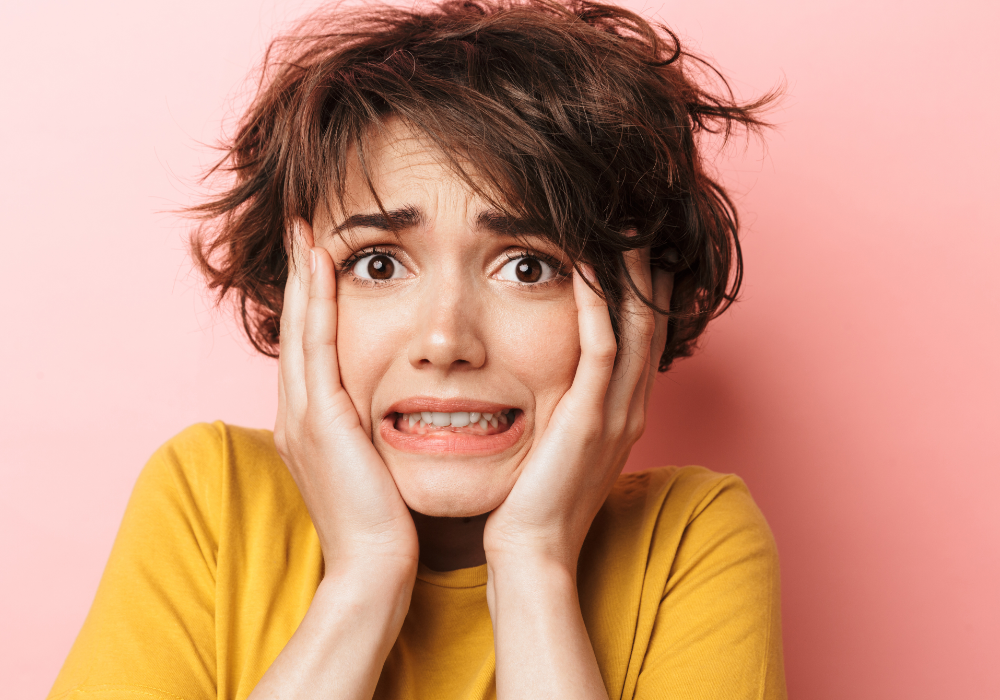
You’ve got the job, the house, maybe even the relationship—and yet, something feels hollow. You go through your day checking all the boxes, smiling when you’re supposed to, doing everything “right.” But deep down, there’s this quiet ache that won’t shut up. It’s not sadness, exactly. It’s not even boredom. It’s just this weird, lingering emptiness that clings to you no matter how many achievements you rack up or how much you try to stay busy. People might envy your life, and from the outside, it probably looks amazing. But on the inside? It’s like you’re living in grayscale while everyone else gets full color.

You’ve probably asked yourself what’s wrong with you—or tried to shake the feeling by planning your next big move. A vacation. A promotion. A new habit. But the emptiness doesn’t care. It just sits there, waiting, making you question everything. And that’s what messes with your head the most. You thought reaching a certain level in life would feel different. More fulfilling. But now you’re realizing something deeper is going on—and it’s not going away until you finally face it.

Read more

12 Ways to Stay Empathetic in a Culture That Rewards Cold Hearts

The world may praise the ruthless, but empathy is still your quiet superpower.

©Image license via iStock

You’re not imagining it—kindness is starting to feel like a liability. It’s like the colder you act, the more you’re rewarded. People who bulldoze boundaries, shut down feelings, or laugh at vulnerability seem to get ahead, while those who care deeply often feel overlooked or dismissed. And if you’re someone who still wants to lead with empathy, it can feel like you’re swimming upstream while everyone else is floating on a raft of indifference. Maybe you’ve even wondered, Am I just too soft for this world? You’re not. The problem isn’t you—it’s the emotional frostbite creeping through a culture that keeps telling people to “toughen up” and stop taking things so personally.

You don’t need to harden your heart to survive, and you sure as hell don’t have to mirror the apathy around you. Staying empathetic isn’t weak—it’s quietly radical. You can keep showing up with compassion, even in a world that might not clap for it. And if you’ve been feeling the pull to go numb just to fit in, it’s time to pause and remember what makes you human in the first place.

Read more

You Thought Green Innovation Was the Answer—But These 12 Products Have a Dark Side

The planet won’t be saved by good marketing and greenwashed tech.

©Image license via Canva

It’s easy to feel hopeful when you see the words “sustainable,” “eco-friendly,” or “green” slapped on new products. Reusable bottles, plant-based packaging, biodegradable phone cases—it all sounds like progress. And in some ways, it is. But just because something is marketed as a solution doesn’t mean it’s free from consequences. A lot of so-called green innovation hides uncomfortable truths behind buzzwords and branding.

What looks like a win for the planet might just be a slightly slower loss. Many of these products still rely on fossil fuels, exploit cheap labor, or break down into microplastics despite being labeled “biodegradable.” It’s not about being cynical—it’s about being honest. If we’re going to move forward, we need to look deeper than the label. These 12 innovations aren’t as clean, green, or revolutionary as they want you to believe—and the dark side starts where the marketing ends.

Read more

Crisis Fatigue Is Real—11 Ways It Shapes Your Choices Without You Knowing

When every day feels like a new emergency, your decision-making starts to break down.

©Image license via Canva

You’re not imagining it. The world feels heavier than it used to, and just keeping up with the news can feel like a second job. Fires, floods, shootings, elections, blackouts—there’s always something urgent screaming for your attention. And when the chaos doesn’t stop, your brain starts shutting down to protect you. That’s crisis fatigue. It’s sneaky, exhausting, and it’s probably influencing your choices more than you realize.

Crisis fatigue doesn’t look dramatic. It looks like scrolling past headlines, saying “I can’t do anything,” or defaulting to whatever’s easiest. It makes people numb, indecisive, and constantly on edge—even if they’re not consciously aware of it. The longer this state drags on, the more it changes habits, relationships, and daily decisions. These 11 effects aren’t just psychological—they’re deeply personal. And recognizing them is the first step toward loosening their grip.

Read more

10 Subtle Ways Social Media Is Teaching You to Fear Silence

If silence makes you anxious, your feed might be why.

©Image license via Canva

There was a time when silence felt normal. You’d stare out the window, sit through a car ride without music, or let your thoughts drift while folding laundry. Now, even a moment of quiet feels itchy. You instinctively reach for your phone, refresh your feed, or play something in the background—anything to avoid being alone with stillness. That discomfort didn’t just show up out of nowhere. It was trained into you, slowly and deliberately.

Social media isn’t just addictive—it’s immersive. It reshapes your nervous system to expect nonstop input. Over time, silence starts to feel like a void instead of a break. Stillness becomes suspicious. Boredom feels unbearable. And rest turns into another kind of performance. These ten subtle shifts aren’t just changing how people use their time—they’re changing how we feel when there’s nothing left to consume. Once you see it, you’ll realize the silence never left—you were just taught to fear it.

Read more

By 2050, These 10 Drought-Driven Crises Could Push Millions Out of America

As the land cracks and rivers shrink, the choice to leave may no longer feel optional.

©Image license via Canva

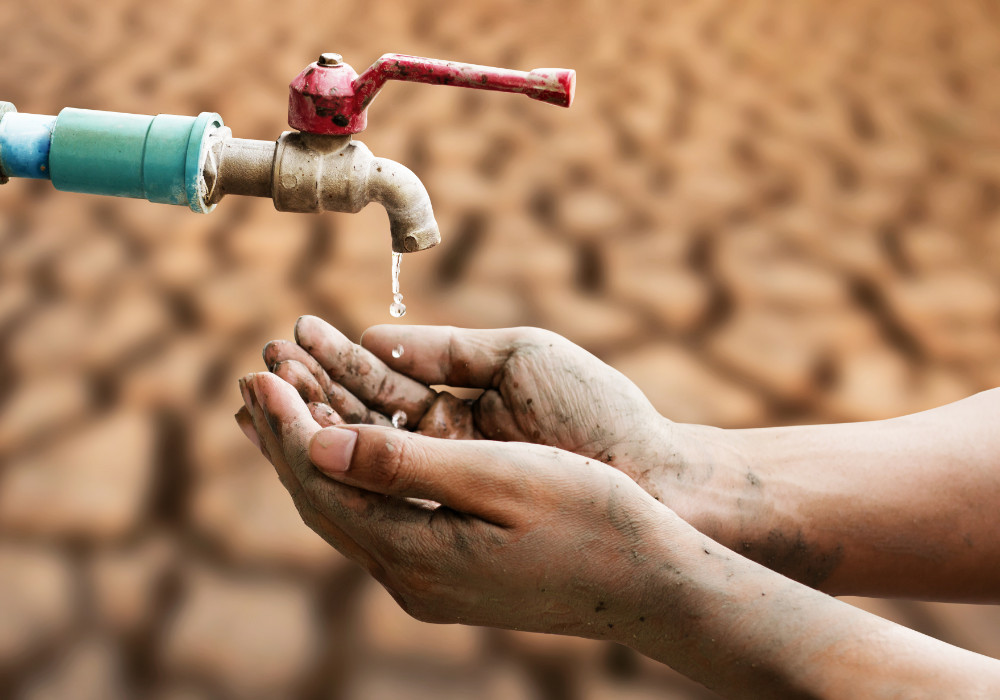
Most people picture climate collapse as something sudden—floods, fires, chaos in the streets. But in America’s drought-stricken regions, it’s happening slowly and quietly. The water disappears. The crops fail. The taps sputter. And bit by bit, places that once felt secure start pushing people out.

This isn’t science fiction or far-off speculation. It’s already underway. In parts of Arizona, California, Kansas, and New Mexico, families are packing up—not because they want to, but because they can’t afford to stay. And by 2050, experts say millions more may follow. The triggers won’t be dramatic—they’ll be daily life becoming impossible to maintain. From dried-up reservoirs to vanishing aquifers, these 10 regional crises are early warnings. If nothing changes, the next great American migration won’t be about opportunity. It’ll be about survival.s to follow—not because they want to, but because staying simply won’t be possible anymore.

Read more

Batteries, Blades, and Bottles—12 Tools That Should Last Longer Than They Do

Companies don’t profit when your stuff lasts, so they make sure it doesn’t.

©Image license via Canva

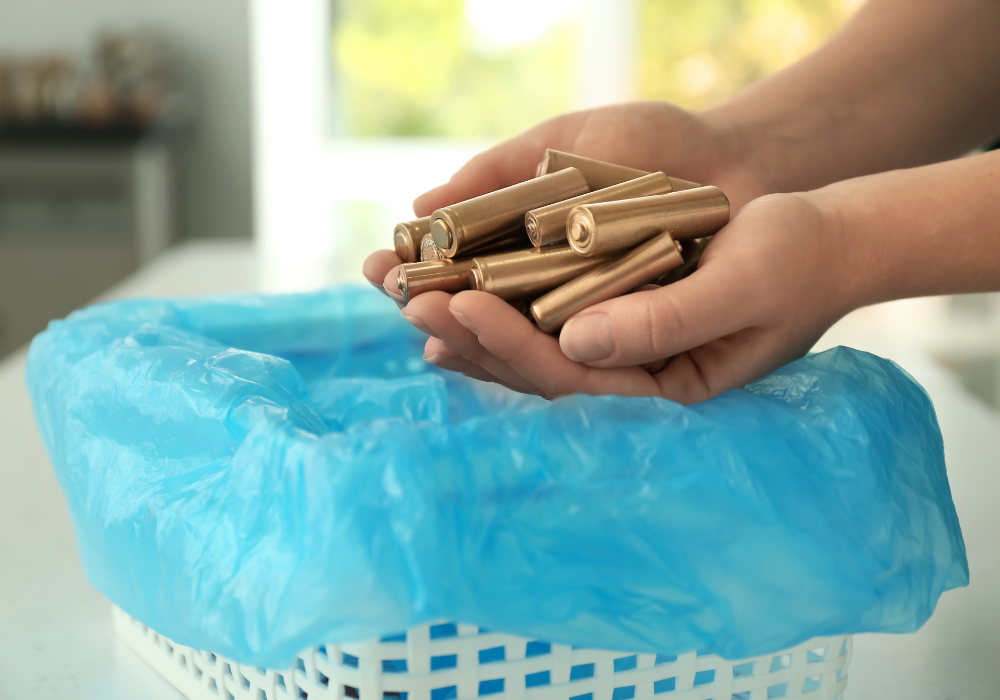
It’s easy to blame yourself when tools break: “I dropped it,” “I must’ve overused it,” “Maybe I didn’t store it right.” But often, the problem isn’t you—it’s the way these products are intentionally designed to fail. Planned obsolescence keeps the replacement cycle spinning, ensuring companies get repeat sales while your wallet takes the hit.

These aren’t complicated gadgets with fragile parts. We’re talking about everyday tools—things that should last for years but rarely do. Manufacturers cut corners, use cheaper materials, and build just enough durability to get past the return window. Meanwhile, marketing convinces everyone that buying the latest model is normal. Real durability doesn’t sell as many units, so companies quietly engineer tools to wear out faster than they should. The sooner things break, the sooner you’re back in the store.

Read more

The Ecosystem Doesn’t Stop at Your Fence Line—10 Ways Your Property Affects It

Private property still has public consequences when it comes to nature.

©Image license via Canva

It’s easy to think of a yard, garden, or patch of land as fully personal space—your little corner of the world, separate from everything else. But nature doesn’t recognize property lines. Every choice made on private land ripples outward, quietly influencing the plants, animals, soil, and water systems that flow beyond any fence. What happens on one lawn can easily affect a stream a mile away, or a bird nesting in a neighboring forest.

The idea that environmental responsibility stops at your property line is one of the biggest illusions modern life sells. From pesticides to landscaping choices, small decisions can carry serious consequences for local ecosystems. That means individual property owners have real power to help or harm. Understanding the invisible impact of these choices is the first step toward making sure personal space doesn’t come at nature’s expense.

Read more

After Collapse, These 10 Normal Things Will Be Gone Before You Even Notice

You won’t realize how much you depended on these until they’re already gone.

©Image license via Canva

When people imagine collapse, they picture huge disasters—cities crumbling, food shortages, chaos in the streets. But in reality, what hits hardest are often the quiet losses. The small, normal conveniences that hold life together quietly disappear one by one, and most people won’t even realize how deeply they depended on them until they’re gone.

It’s not just electricity or running water. It’s the dozens of little comforts woven into daily routines that quietly vanish. These aren’t luxuries—they’re things so normal that their absence feels jarring and surreal when collapse hits. That’s what makes them dangerous to overlook. When systems break down, it’s often these simple, invisible supports that crack first, long before the full weight of collapse becomes obvious. And by the time people notice, they’ve already adapted to a life that feels much smaller, colder, and harder.

Read more

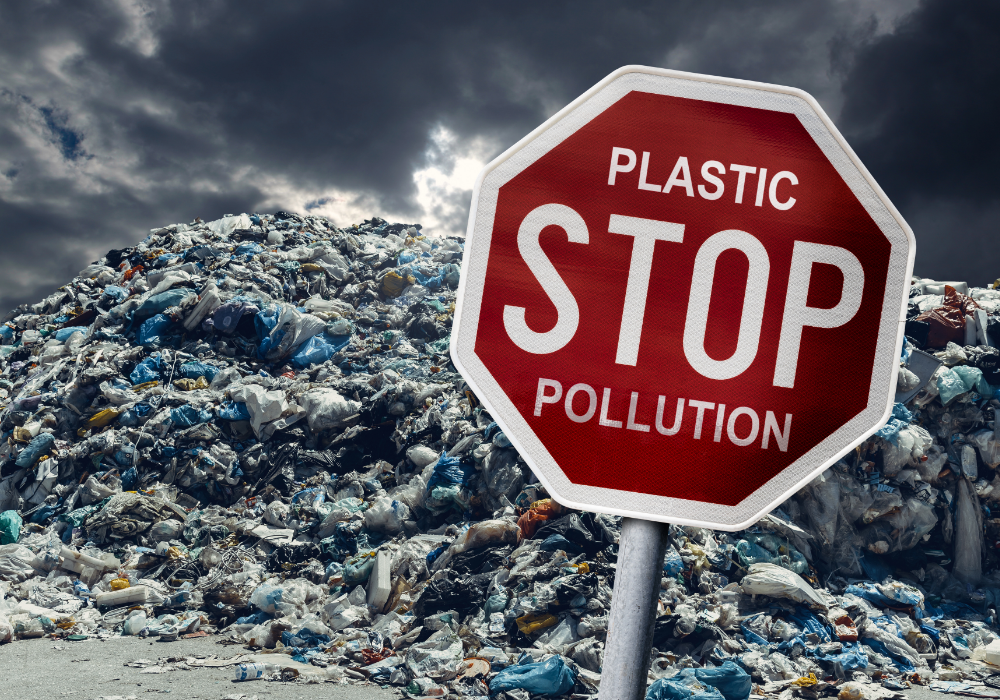
If You Keep Buying These 11 Products You’ll Never Cut Your Trash in Half

Cutting waste isn’t about trying harder—it’s about breaking free from products like these.

©Image license via Canva

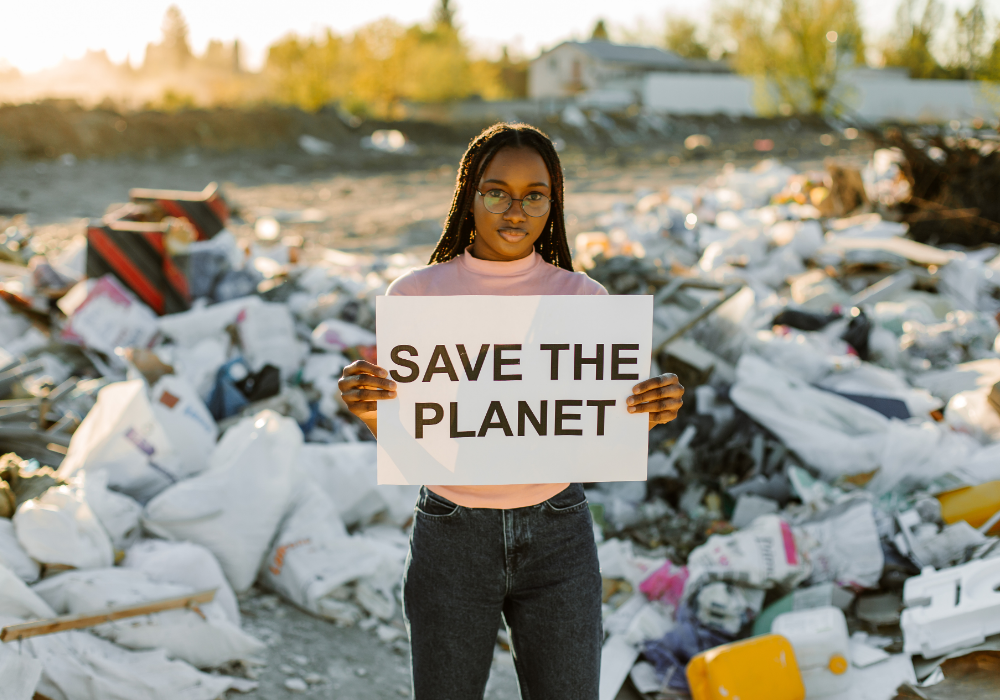
Most people who want to cut down on waste start with good intentions: recycling more, bringing reusable bags, maybe even composting. But no matter how hard they try, the trash bin still fills up. That’s because a lot of modern waste isn’t about personal failure—it’s baked into the design of what companies sell. Many products are deliberately made to be disposable, difficult to recycle, or impossible to reuse, locking consumers into an endless loop of throwing things away.

Breaking the cycle means recognizing which products are designed to fail sustainability before they even leave the store. These items sneak into daily routines, marketed as convenient or essential while quietly sabotaging any real progress toward reducing waste. The less you rely on them, the more progress you make—not by trying harder, but by opting out of the system that profits from your overflowing trash can.

Read more