The Experts Are Being Purged from Government—12 Scary Ways This Impacts You

When politics replaces expertise, everyday people pay the highest price.

©Image license via iStock

You probably don’t realize how dangerous it is when smart people start disappearing from government jobs. It’s easy to tune out the headlines about agency shakeups or bureaucrats getting pushed out. Sounds like insider drama, right? But the truth is, when experts—scientists, economists, public health pros, climate analysts, and career civil servants—are sidelined, you end up living with the consequences. These aren’t just paper-pushers. They’re the people who know how to keep your water safe, your medication tested, your air breathable, and your food supply running smoothly. And when they’re replaced with loyalists, cronies, or people who have no business making critical decisions, things start to break. Slowly at first, and then all at once.

You might not notice it right away. Policies still get passed, press conferences still happen, and the machinery keeps turning. But underneath? The gears are grinding. And once the damage shows up in your daily life, it’s a lot harder to undo. The purge of experts isn’t just a political story. It’s a ticking time bomb hiding behind boring headlines—and when it goes off, you’ll feel it. Everywhere.
Read more

10 Quiet Truths About How Modern Life Is Stealing Our Sense of Belonging

Modern life makes it easy to avoid people, but hard to feel truly seen.

©Image license via Canva

It’s strange how modern life feels hyper-connected but leaves so many people quietly isolated. The group chats never stop buzzing. The social media feeds scroll endlessly. Yet when real support is needed, many find themselves staring into a void. What used to be natural community—neighbors dropping by, extended family living close, local businesses knowing your name—has slowly unraveled into convenience-driven independence.

The modern world rewards efficiency, privacy, and self-reliance, but at a steep cost. The casual, everyday interactions that once built trust and belonging are being replaced with digital substitutes and automated transactions. People are always “available” but rarely feel truly connected. It creeps in quietly, disguised as freedom, until one day it becomes painfully obvious how much community has slipped away. And by then, rebuilding it feels far harder than anyone expected.

Read more

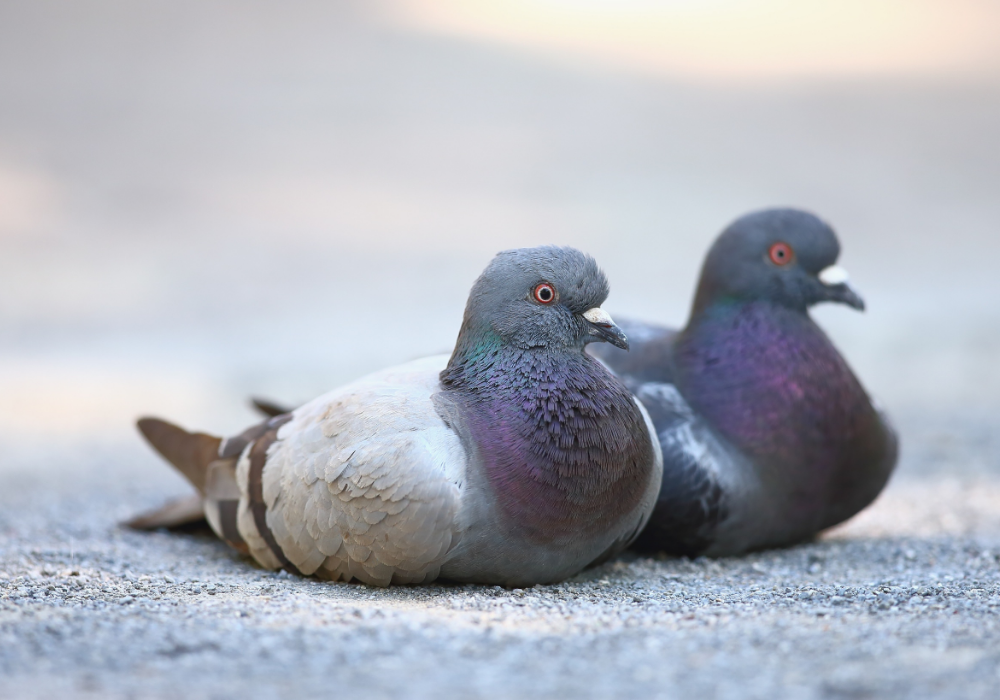
10 Animal Species That Are Adapting to Us—and What That Really Means

Adapting to humans comes with consequences that could permanently disrupt ecosystems.

©Image license via Canva

Animals are far more flexible than people like to admit. As humans pave over forests, build sprawling cities, and reshape entire landscapes, some species aren’t just surviving—they’re evolving in real time to live right alongside us. On the surface, it seems like good news. Resilience sounds better than extinction, right? But adaptation doesn’t always mean balance—it often signals deeper instability brewing underneath.

When animals adjust to human dominance, it can create strange, sometimes disturbing new versions of nature. Certain species thrive while others vanish. Predator-prey relationships shift. Ecosystems lose their original shape. The creatures that can handle pollution, noise, artificial light, and endless human interference start to reshape entire food webs in ways we’re only beginning to understand. These 10 species have learned to live with us, but their success may be warning signs rather than feel-good victories.

Read more

From Punk to Cottagecore—11 Ways the Internet Made It All Bland

Subcultures didn’t disappear, they just got repackaged for the algorithm.

©Image license via Canva

There was a time when subcultures actually meant something. They were built in back alleys, passed through burned CDs, thrifted jackets, and late-night conversations. You didn’t just stumble into them—you found your people, your sound, your second skin. But once the internet caught on, everything got easier to access and harder to feel. Suddenly, the things that made a scene unique became content. A vibe. A trend cycle.

Now you don’t need to belong—you just need a Pinterest board and the right lighting. What used to be a slow burn of discovery is now a swipeable, shoppable identity. Subcultures aren’t gone, but the depth is. The rough edges, the gatekeeping, the obsession—it’s all been flattened into aesthetic. This isn’t about gatekeeping for nostalgia’s sake. It’s about what gets lost when everything becomes a brand before it becomes real.

Read more

12 Pet Products That Seem Harmless But Create Massive Waste

Companies cash in on your love for pets while the planet pays the price.

©Image license via Canva

It feels good to spoil pets. A new squeaky toy, a cozy bed, maybe a cute outfit for the holidays—it’s part of how people show love to their furry companions. But behind all those small, seemingly harmless purchases is a hidden environmental cost that adds up fast. The pet industry thrives on constant consumption, churning out cheap, disposable products designed to wear out quickly and keep you buying more.

From plastic-packed treats to single-use grooming supplies, many of these items quietly contribute to growing landfills, plastic pollution, and unnecessary resource depletion. Most pet owners aren’t thinking about waste when buying a new chew toy or treat bag—but manufacturers certainly aren’t helping. As long as there’s profit in pushing constant upgrades, the cycle continues. The problem isn’t loving pets—it’s how that love is being exploited to drive endless consumption.

Read more

The Goalpost Isn’t Health—It’s Control. Here Are 10 Body Trends That Prove It

Industries keep inventing new insecurities because they know it keeps you spending.

©Image license via Canva

There’s always a new body trend lurking around the corner, promising transformation, confidence, and empowerment. But scratch beneath the surface, and most of these trends aren’t really about health—they’re about keeping people locked in a never-ending loop of insecurity and consumption. The beauty and wellness industries thrive by convincing people they’re not quite enough.

Whether it’s the next “miracle” skin treatment, body contouring craze, or hyper-restrictive diet plan, the message stays the same: improvement is always just one purchase away. But the goalposts keep moving. Just as one standard becomes achievable, a new one emerges, ensuring the cycle continues. Real health is steady, but these trends thrive on keeping everyone chasing an ever-shifting ideal that feels just out of reach.

Read more

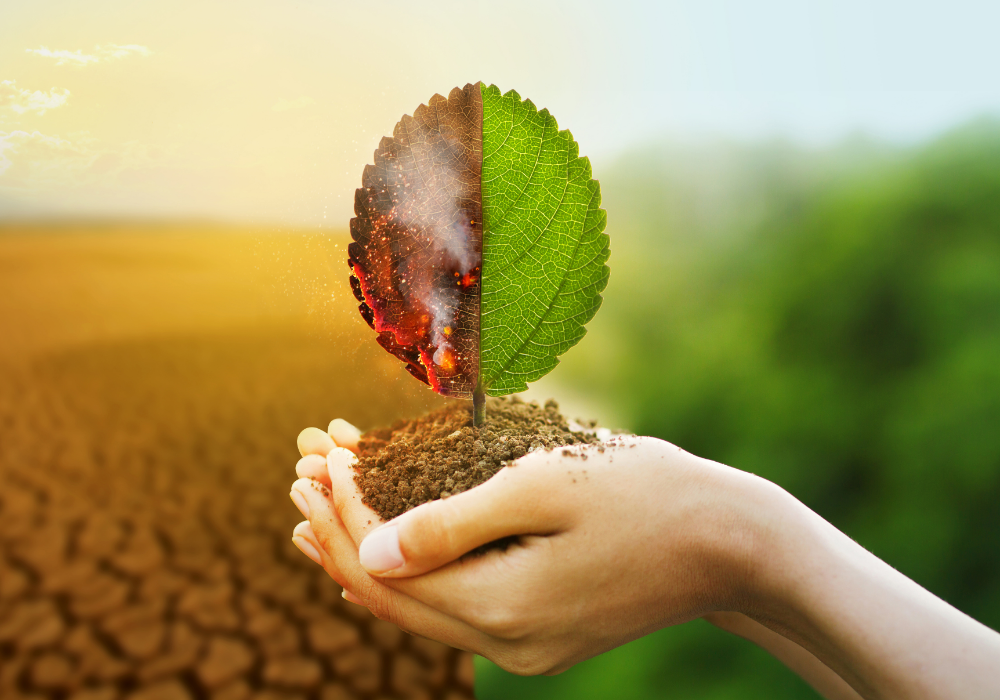
Was Climate Change Invented to Control You? 11 Myths Debunked by Science

Powerful voices want you to believe it’s fake, but the facts aren’t on their side.

©Image license via Canva

It’s tempting to believe climate change is some elaborate hoax cooked up to control people’s choices. That narrative feels dramatic, rebellious, and oddly comforting—because if it’s fake, there’s nothing to worry about. But the uncomfortable truth is that science doesn’t care how convenient denial feels. The evidence has been stacking up for decades, and it comes from thousands of independent studies, countless researchers, and real-world data that’s hard to ignore.

The conspiracy theories get louder every year, amplified by influencers, politicians, and industries desperate to avoid accountability. Meanwhile, rising temperatures, stronger storms, and disappearing ecosystems continue playing out exactly as scientists predicted. Debunking the myths isn’t about politics or control—it’s about facing facts that are already impacting daily life. Climate change isn’t waiting for anyone to believe in it. It’s unfolding right now, with or without permission.

Read more

The Earth Doesn’t Want More Stuff—These 12 Minimalist Habits Actually Help

Buying less does more to help the environment than any trendy eco-friendly product ever will.

©Image license via Canva

Minimalism gets framed as an aesthetic—a tidy room, neutral colors, carefully curated shelves—but at its core, it’s something much more powerful: refusing to feed the endless consumption machine. The planet isn’t drowning because people bought the wrong kind of reusable water bottle. It’s drowning because we’re all buying way too much of everything, all the time. Even the most “eco-friendly” products still require raw materials, energy, and waste just to exist.

Real environmental impact starts when consumption slows down altogether. Every purchase avoided is one less factory running, one less shipment crossing oceans, one less pile of waste heading to a landfill. The earth doesn’t need better products; it needs less demand. These 12 minimalist habits don’t just make your life simpler—they cut straight into the root of the problem and help the planet where it actually counts.

Read more

12 Everyday Ways Traditional Cultures Stay Sustainable Without Even Trying

These time-tested habits put modern sustainability to shame.

©Image license via Canva

We act like sustainable living is some new, cutting-edge thing—solar panels, bamboo everything, and TikToks about reusing oat milk jars. But long before eco-friendly was a buzzword, traditional cultures around the world were living in deep, practical harmony with the planet. Not for likes. Not for branding. Just because it made sense. They used what they had, wasted very little, and stayed rooted in systems that actually worked—for both people and the environment.

What’s wild is how modern life treats these habits like revolutionary ideas, when in reality, they’re old truths we walked away from. We traded simplicity for convenience, and now we’re drowning in stuff and scrambling to reverse the damage. But we don’t have to reinvent the wheel. The wisdom is still out there—in villages, tribes, and rural communities that never stopped living with care. It’s not about going backward. It’s about remembering what we forgot.

Read more

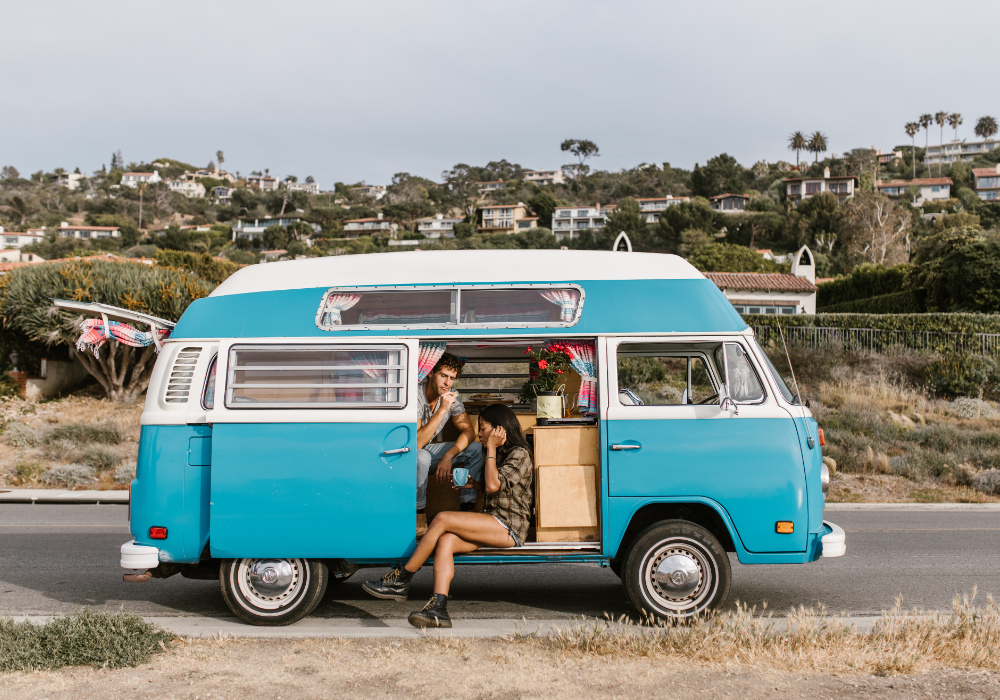
You Thought Going Off-Grid Was Eco-Friendly—These 12 Choices Say Otherwise

Some off-grid solutions quietly cause more harm than staying connected ever would.

©Image license via Canva

The fantasy is everywhere: unplugging from the system, living in harmony with nature, shrinking your footprint by walking away from the grid entirely. And sure, parts of it sound great. But the off-grid dream isn’t always as eco-friendly as it’s marketed. In fact, a lot of people trying to “escape” modern life accidentally create bigger environmental messes than they ever faced while living conventionally.

Cutting ties with public utilities means taking full responsibility for every resource you use—and many solutions end up trading one set of problems for another. Clearing land, burning fuel, overconsuming natural materials, and relying on unsustainable hacks quickly add up. What looks like green living on the surface sometimes hides serious damage underneath. The truth is, living sustainably isn’t about disappearing into the woods. It’s about choices—and some off-grid choices are anything but green.

Read more