
Private property still has public consequences when it comes to nature.

It’s easy to think of a yard, garden, or patch of land as fully personal space—your little corner of the world, separate from everything else. But nature doesn’t recognize property lines. Every choice made on private land ripples outward, quietly influencing the plants, animals, soil, and water systems that flow beyond any fence. What happens on one lawn can easily affect a stream a mile away, or a bird nesting in a neighboring forest.
The idea that environmental responsibility stops at your property line is one of the biggest illusions modern life sells. From pesticides to landscaping choices, small decisions can carry serious consequences for local ecosystems. That means individual property owners have real power to help or harm. Understanding the invisible impact of these choices is the first step toward making sure personal space doesn’t come at nature’s expense.
1. Pesticides don’t stay where you spray them—they seep into waterways.

Spraying pesticides and herbicides might keep lawns tidy and bug-free, but those chemicals rarely stay put. Rain and irrigation wash residues into storm drains, which often flow directly into nearby rivers, lakes, or wetlands. Even trace amounts of these toxins can disrupt aquatic ecosystems, harming fish, amphibians, and the plants they depend on. According to Robert Sanders at UC Berkeley, common pyrethroid insecticides from residential lawn use are found in storm runoff and urban creeks at concentrations high enough to kill sensitive aquatic insect larvae—vital food sources for fish.
Many chemicals marketed as “safe” for homeowners can still linger in the environment for years, accumulating as they move through food chains. Insects poisoned on treated lawns may get eaten by birds, spreading the impact even further. The more widespread the use, the harder it becomes to contain the damage. What starts as a private attempt to control weeds or pests quietly turns into a public pollution problem that’s much harder to reverse.
2. Mowing down native plants starves pollinators and disrupts food chains.

That perfectly manicured lawn may look neat, but it often functions like a biological desert. Replacing native grasses and wildflowers with uniform turf strips away critical food sources for bees, butterflies, and other pollinators. These species rely on diverse, native plants for nectar and habitat, and their decline ripples through entire ecosystems. Per researchers for the USDA Forest Service and NSF-funded study cited by ScienceDaily, mowing lawns every three weeks instead of weekly resulted in up to 2.5 times more flowers and significantly higher bee abundance in suburban yards.
Without healthy pollinator populations, plants struggle to reproduce, birds lose food sources, and biodiversity takes a hit. The more yards adopt sterile, pesticide-laden turf, the more fragile local ecosystems become. Small changes like planting native wildflowers, reducing mowing frequency, or swapping some lawn for pollinator gardens can create pockets of refuge that support entire networks of life far beyond the fence line.
3. Excess fertilizers turn nearby streams into algae-choked dead zones.

Fertilizer promises a lush, green lawn—but all that nitrogen and phosphorus doesn’t just stay locked in the grass. Rain carries excess nutrients into nearby streams, lakes, and rivers, fueling harmful algal blooms that choke waterways, kill fish, and create oxygen-starved “dead zones.”
These nutrient surges destabilize entire aquatic ecosystems, sometimes for years. As highlighted by writers for the U.S. Environmental Protection Agency, excess nitrogen and phosphorus from lawn fertilizer runoff are a leading cause of harmful algal blooms and oxygen depletion in water bodies—like the 6,500-square-mile Gulf “dead zone” in the U.S.
The problem is especially severe in densely populated areas where many homeowners follow the same routine. Even modest overuse accumulates into major environmental damage. The drive for perfect curb appeal comes at a cost most people never see firsthand—but local wildlife and water quality pay the price. Scaling back on fertilizers, choosing slow-release options, or embracing slightly less “perfect” lawns can dramatically reduce this runoff and protect nearby ecosystems.
4. Outdoor lighting confuses wildlife and disrupts natural behavior.
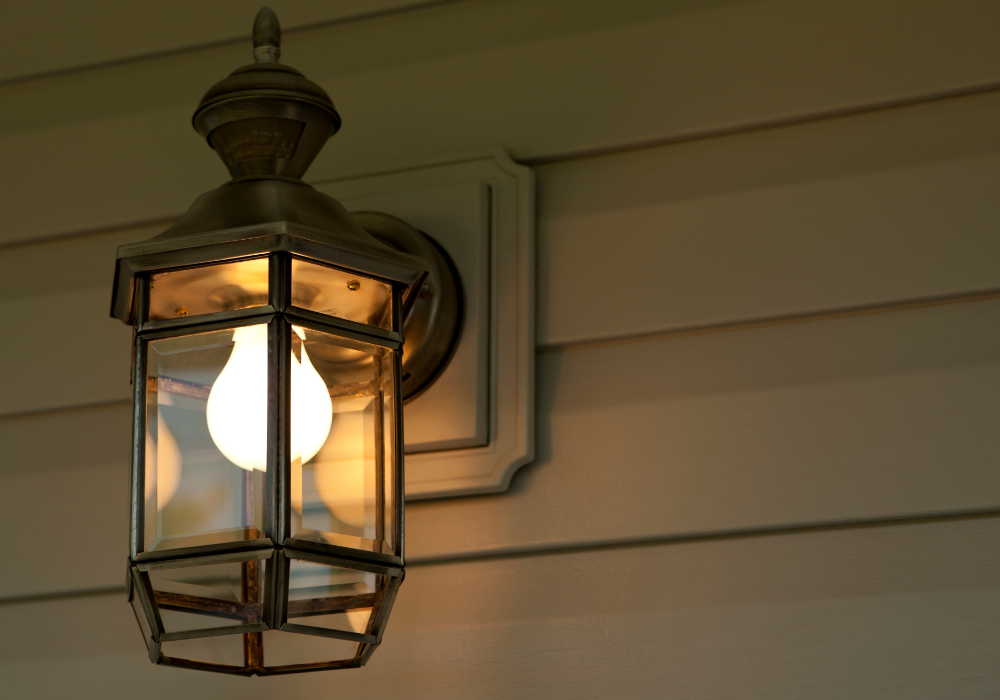
Bright porch lights, pathway lighting, and floodlights might feel safe and inviting, but they create light pollution that scrambles the instincts of nocturnal animals. Birds become disoriented during migrations, insects are drawn to artificial light and exhausted, and predators lose the cover of natural darkness they rely on.
The ripple effects go far beyond the yard. Light pollution fragments habitats and disrupts feeding, mating, and navigation patterns for countless species. Even small changes—like using motion sensors, shielding fixtures, or switching to warmer-colored bulbs—can dramatically reduce the harm while still providing enough visibility for humans. Nature evolved with darkness, and restoring patches of night allows surrounding ecosystems to function the way they’re meant to.
5. Fencing cuts off critical migration routes for wildlife.
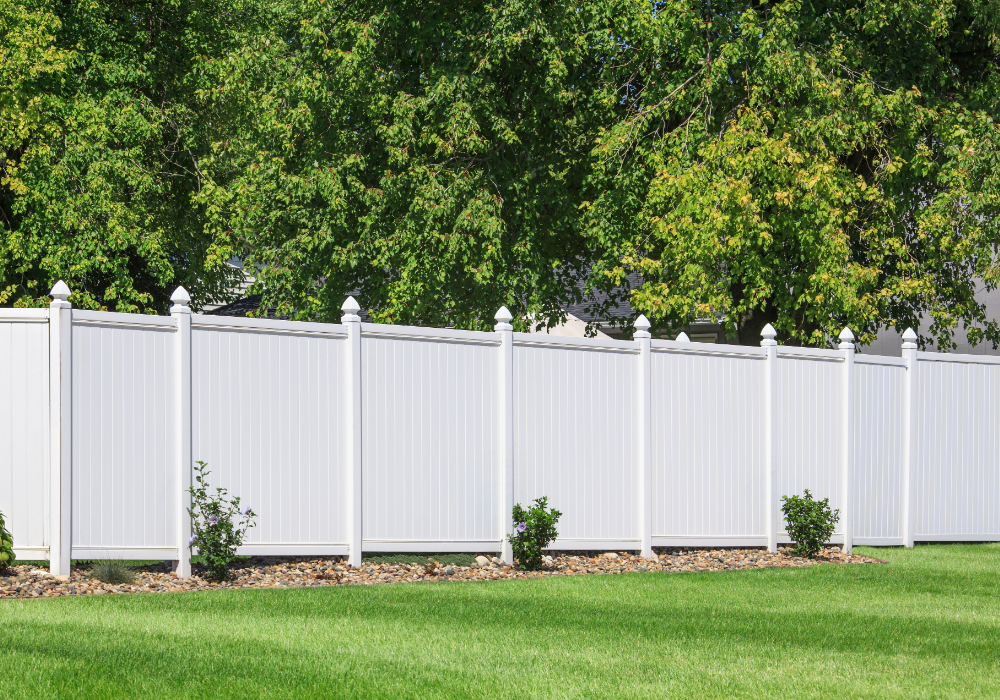
That tidy privacy fence feels like a harmless way to define property boundaries, but for wildlife, it’s often an unexpected barrier. Small mammals, reptiles, amphibians, and even certain birds rely on free movement across landscapes to find food, mates, and safe shelter. Tall fences and solid barriers fragment these natural corridors, isolating populations and reducing genetic diversity.
Over time, blocked migration routes can lead to declining populations, localized extinctions, and imbalanced ecosystems. Even partial openings at ground level, like wildlife gaps or elevated fencing designs, can make a huge difference for many species. What seems like a purely personal design choice quietly shapes the ability of local wildlife to survive and thrive beyond your own backyard.
6. Stormwater runoff from hard surfaces pollutes local waterways.

Driveways, patios, and compacted lawns prevent rainwater from soaking into the ground naturally. Instead, water rushes off these hard surfaces, carrying oil, pesticides, lawn chemicals, and debris straight into storm drains. This unfiltered runoff doesn’t magically disappear—it pours into nearby streams, rivers, and lakes, polluting freshwater habitats.
The more impermeable surfaces cover a property, the more intense and dirty the runoff becomes during storms. Sediment clouds the water, toxins accumulate, and aquatic ecosystems suffer. Simple changes like rain gardens, permeable pavers, and strategic landscaping help absorb stormwater on-site, reducing the pollution burden downstream. What seems like a harmless concrete slab can actually function like a tiny pollution factory unless steps are taken to manage runoff thoughtfully.
7. Bird feeders can accidentally spread disease when not maintained properly.

Bird feeders are often set up with good intentions—to help wildlife and enjoy nature up close. But poorly maintained feeders become breeding grounds for bacteria, mold, and parasites. Diseases like salmonellosis or avian pox can spread rapidly between visiting birds, especially when large numbers gather at a single feeding site.
When infections break out, the impact doesn’t stay within the backyard. Sick birds spread disease as they travel, potentially impacting entire populations across wider regions. Responsible feeding means regular cleaning, spacing feeders to reduce crowding, and offering appropriate food. A backyard meant to support wildlife can unintentionally do the opposite if hygiene isn’t prioritized. The ecosystem consequences quietly extend far beyond your fence line.
8. Invasive ornamental plants escape gardens and choke wild habitats.

Many popular landscaping plants are non-native species chosen for their hardiness and visual appeal. But some of these plants easily spread beyond the yard, invading nearby forests, wetlands, and open spaces. Once established, invasive species like English ivy, Japanese barberry, or kudzu outcompete native plants, disrupt food webs, and reshape entire ecosystems.
What starts as a personal gardening choice can quickly turn into a regional problem that’s expensive and nearly impossible to reverse. Local wildlife often can’t rely on invasive plants for food or shelter, leading to cascading declines across the food chain. Choosing native, non-invasive plants supports local ecosystems while still creating beautiful outdoor spaces. The right garden plants can either preserve biodiversity or help erase it, one yard at a time.
9. Overwatering strains local water supplies and damages soil health.
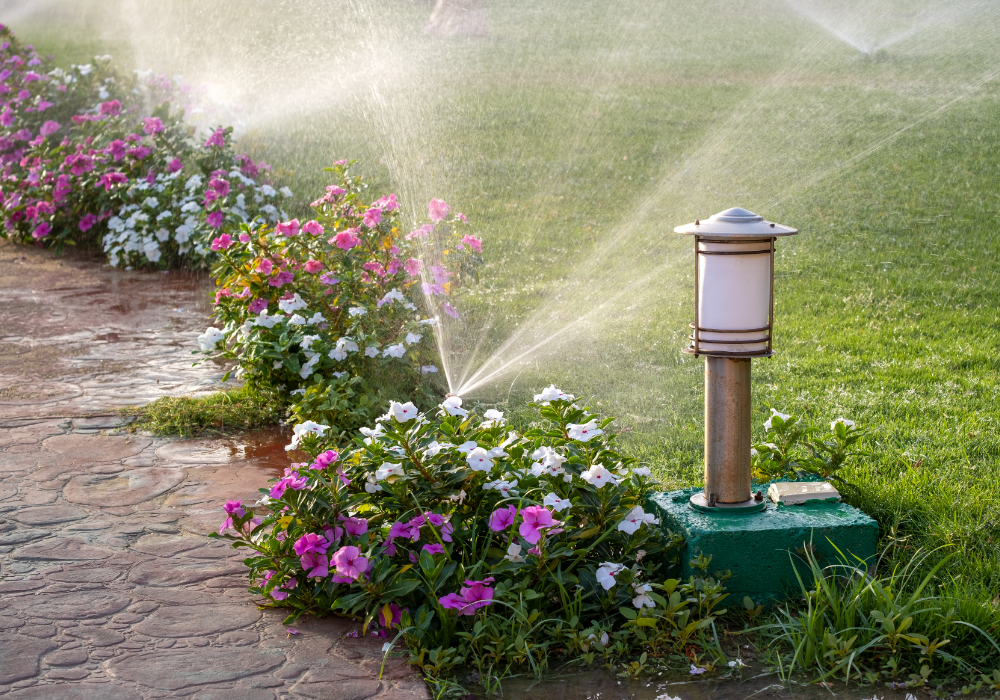
Lush, green lawns often come with a hidden cost: massive water consumption. In many regions, residential watering puts heavy strain on local reservoirs, groundwater supplies, and municipal systems—especially during droughts. Beyond water waste, excessive irrigation promotes shallow root growth, weakens soil structure, and encourages runoff.
The environmental effects don’t end at the sprinkler head. Depleting water resources impacts entire ecosystems that rely on streams, wetlands, and aquifers. Even in areas where water seems abundant, the cumulative effect of overwatering adds up quickly. Native plants, drought-tolerant landscaping, and smarter irrigation systems can dramatically reduce water use while still keeping properties vibrant. The way homeowners manage water today determines how resilient ecosystems will be tomorrow.
10. Backyard pest control disrupts natural predator-prey balance.
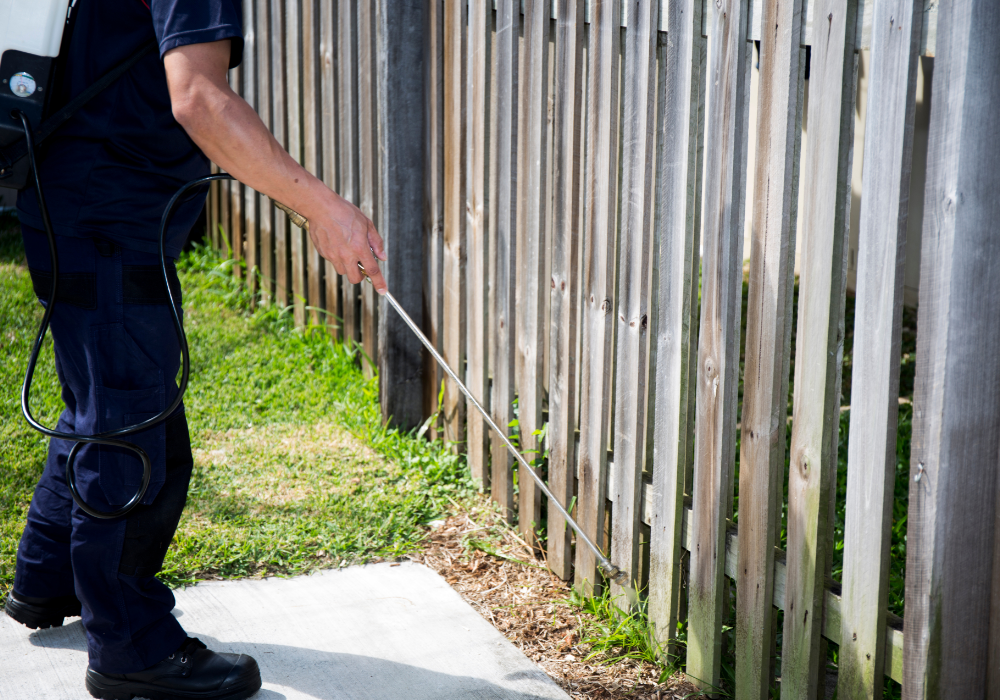
Many homeowners reach for chemical solutions when dealing with backyard pests like mosquitoes, rodents, or insects. But widespread pesticide and rodenticide use kills not only the intended targets but also the predators that naturally control these populations. Owls, hawks, foxes, and beneficial insects often suffer unintended poisoning, throwing the delicate balance of local ecosystems off course.
By trying to micromanage small nuisances, homeowners sometimes eliminate critical links in the food chain. Natural predators play an essential role in regulating pest populations in sustainable ways. Encouraging biodiversity, using targeted interventions, and accepting some level of natural pest activity often leads to healthier ecosystems overall. The urge to sanitize every square foot may feel satisfying short-term, but it often causes far more harm than good in the long run.