11 Reasons It Feels Harder to Concentrate That Have Nothing to Do With Willpower

It’s not a discipline problem; modern life is quietly hijacking your brain.

©Image license via Canva

If you’ve ever felt like your ability to focus has completely vanished, you’re not alone—and you’re definitely not just “lazy.” The constant self-blame spiral (“Why can’t I just focus?!”) is exactly what our distraction-heavy world wants you to believe. But here’s the thing: our modern environment is engineered to grab your attention and hold it hostage. Algorithms, pings, endless scrolls, and an always-on culture make it nearly impossible for your brain to settle.

Your struggle to concentrate isn’t a failure of character; it’s a natural response to an overstimulating world. Understanding the real reasons behind your focus battles helps you stop beating yourself up and start creating an environment that supports you. Once you see what’s actually draining your mental energy, you can start taking small, powerful steps to reclaim it—without relying on sheer willpower alone.


Read more

Most Travelers Skip These 12 Reusable Essentials—and Regret It Later

These small swaps make trips easier, cleaner, and way more eco-friendly.

©Image license via Canva

We all love a satisfying packing list—passport, comfy shoes, and a few guilty-pleasure snacks for the plane. But in the flurry of trip excitement, most travelers forget the humble heroes that actually make travel easier, cheaper, and surprisingly more fun. Reusable essentials are the items that save you from buying overpriced water, juggling flimsy plastic bags, or facing weird hotel toiletries that leave you feeling like a science experiment.

They don’t just cut waste; they cut stress. These swaps help you glide through unexpected detours and awkward moments like an unbothered travel wizard. Once you start packing these essentials, you’ll wonder how you ever navigated airports and markets without them. With these items on hand, you don’t just travel—you level up into someone who looks effortlessly prepared for every surprise the road throws your way.

Read more

They Blame Volcanoes—Here Are 10 Reasons Fossil Fuels Are the Real Culprit

The smoke and mirrors won’t work; the real emissions are coming from us.

©Image license via Canva

Whenever the topic of climate change heats up (pun intended), someone inevitably points to volcanoes as the “real” source of our climate woes. It’s an easy scapegoat—big eruptions, lots of ash, dramatic visuals. But here’s the truth: volcanic emissions pale in comparison to the constant, relentless output from human activities. Fossil fuels are the true heavyweight champion when it comes to pumping greenhouse gases into the atmosphere, and the numbers don’t lie.

Volcanoes might make headlines once in a while, but our cars, factories, and power plants churn out invisible threats every single day. Blaming natural processes feels comforting because it absolves us of responsibility, but it also stalls real action. If we keep playing this blame game, we’ll keep losing precious time. It’s time to face the facts: our fossil fuel habits are the real fire breathing monster in this story.

Read more

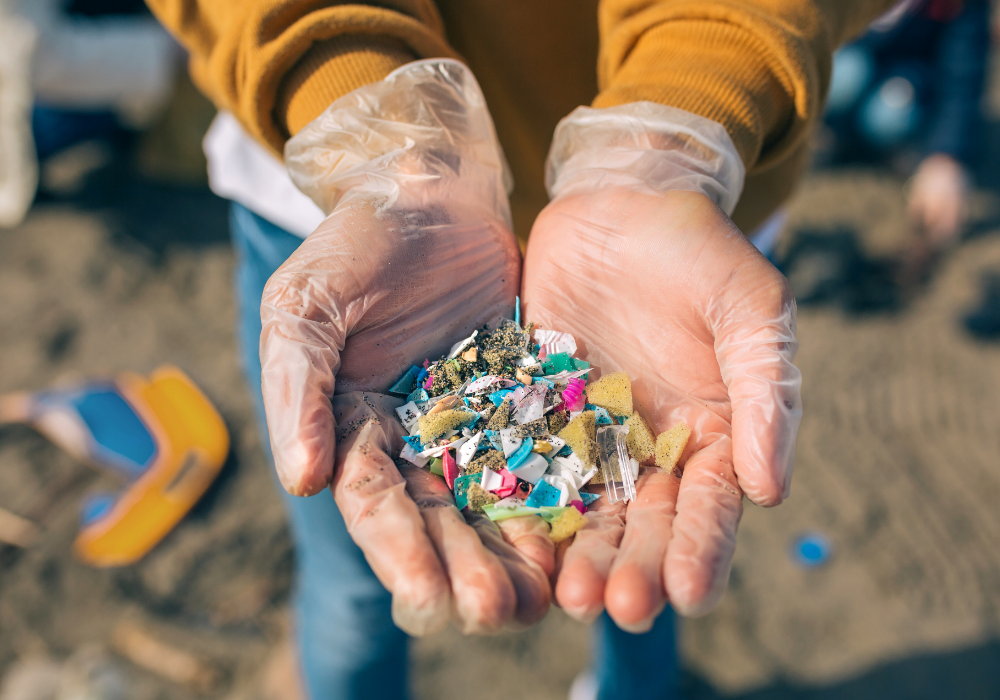
You Think These 11 “Clean” Items Are Safe—but They’re Actually Loaded with Microplastics

They look spotless, but they’re quietly adding plastic to your life with every use.

©Image license via Canva

When you think of something “clean,” you probably imagine sparkling counters, fresh laundry, or a squeaky shower floor. But here’s the twist: many of those so-called pristine things are secretly leaving microplastic residue everywhere—on your skin, in your lungs, and even in your food. Microplastics aren’t just floating in the ocean; they’re woven into our daily lives in ways most people never even consider.

You don’t have to be a scientist to realize this is a problem. Tiny plastic particles break off from everyday “clean” products and enter your body without an invitation. Once you see how many hidden sources are around you, it’s hard to unsee. Knowing is half the battle. You can start making small swaps that reduce exposure without flipping your whole life upside down.

Read more

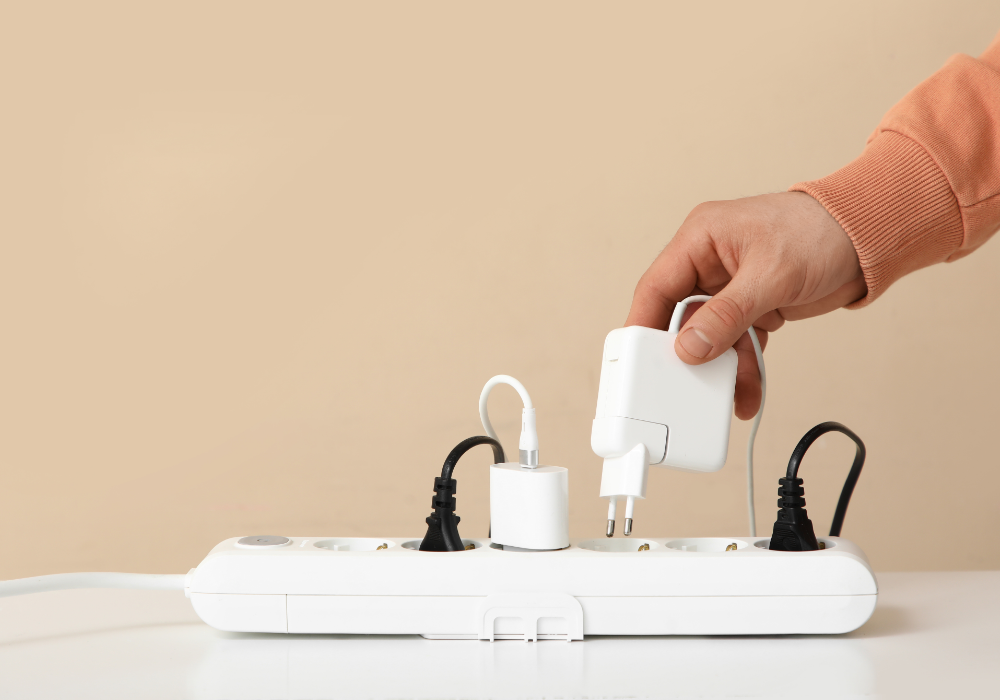
The Battery Is Charged, But These 11 Devices Keep Pulling Power Anyway

Even when they’re “off,” these gadgets quietly keep the meter spinning.

©Image license via Canva

You unplugged your phone, switched off the TV, and figured you were done saving energy for the day. But surprise—many of your gadgets are still quietly slurping electricity behind your back. This sneaky energy drain is called “phantom load” or “vampire energy,” and it can account for up to 10% of your home’s total electricity use without you even realizing it.

These devices stay “half awake” to power displays, run clocks, or stay ready for instant start-up. Individually, the pull seems tiny, but stack them together and you’re paying real money for power you never actually use. Even that phone charger you thought was harmless might be quietly adding dollars to your bill every single month. Once you know what to look for, it’s surprisingly easy to stop the waste. Small habit changes today can lead to serious savings and a lighter environmental impact tomorrow.

Read more

The Trees Are Telling Us Something—10 Warning Signs from the Forest Floor

These signs on the ground reveal just how much trouble our ecosystems are in.

©Image license via Canva

A quiet walk in the woods might seem peaceful, but if you look closely, the forest floor is whispering urgent secrets. Under the canopy, fallen leaves, fungi, and decaying logs aren’t just pretty details—they’re signs of how healthy (or stressed) the entire ecosystem really is. Most people stroll by without noticing, but every patch of moss or patchy undergrowth is like a pulse check for the planet.

Climate change, pollution, and human interference are shifting these ancient rhythms in ways that can’t be ignored. Once you know what to watch for, a forest walk feels less like a getaway and more like reading a distress signal in real time. These warning signs don’t just hint at problems in the woods—they’re clues to what’s happening to our shared future. The ground beneath your feet is telling a story that demands your attention.

Read more

You Can’t Manifest Your Way Out of These 11 Spiritual Red Flags

No amount of affirmations can cover up these major spiritual pitfalls.

©Image license via Canva

Spirituality should feel like a supportive hug for your soul—but sometimes, it quietly turns into another cage. The modern wellness world is full of “good vibes only” slogans, glittery crystals, and endless affirmations that promise instant transformation. But beneath the pretty surface, there are sneaky red flags that can derail your growth, drain your energy, and leave you feeling more lost than enlightened.

It’s easy to get swept up in love-and-light messaging and miss the subtle warning signs that your practice is sliding into bypassing or self-sabotage. You don’t need to toss your sage or stop journaling forever—just learn to spot the traps before they hijack your healing journey. These red flags aren’t here to shame you; they’re invitations to ground deeper and get real. Once you see them clearly, you’ll start to rebuild a practice that actually supports you from the inside out.

Read more

You’re Using These 12 Everyday Ingredients—and They’re Silently Wrecking Your Hormones

The foods you trust most might be the reason your body feels off balance.

©Image license via iStock

Hormones are like your body’s personal air traffic controllers—tiny chemical messengers keeping everything running smoothly. When they’re in sync, you feel energized, clear-headed, and stable. But when they’re out of whack? Hello fatigue, mood swings, stubborn weight gain, and mysterious skin flare-ups. Here’s the kicker: many of the foods and ingredients you trust most are quietly fueling this chaos.

It’s not always the obvious culprits. Sometimes it’s that “healthy” salad dressing, your morning cereal, or the flavored creamer you splash into your coffee. Tiny daily exposures build up over time, pushing your endocrine system into overload without you even realizing it. Knowing which ingredients are troublemakers can help you take back control—without giving up everything you love. Once you see how sneaky they are, you’ll never look at your pantry the same way again.

Read more

Do You Really Have a ‘Self’? 12 Mind-Twisting Things Science (and Buddhists) Agree On

What you call “you” might just be an illusion your brain keeps inventing.

©Image license via iStock

You might not be who you think you are—and that’s not just some woo-woo nonsense. The more you start pulling at the thread of what makes you “you,” the weirder things get. You’ve got a name, a personality, a set of memories—but dig a little deeper, and it starts to feel like smoke slipping through your fingers. You make decisions, react to things, form opinions—but who’s actually doing all that? Is there a real “you” in there steering the ship… or are you just a bundle of habits and thoughts on autopilot?

It’s the kind of question that keeps both neuroscientists and monks up at night. And once you start poking at it, it gets harder to go back to life as usual. That sense of a solid, stable self? It might be more fragile—or flat-out fake—than you ever imagined. This isn’t about spiraling into an existential crisis (although… fair warning). It’s about getting curious enough to ask: What if the whole idea of “me” is a mental magic trick? And what happens when you start to see through the illusion?

Read more

You’ll Never Guess These 10 Surprising Drivers of Climate Change

These climate culprits are doing more damage than you ever imagined.

©Image license via iStock

You’re probably fueling climate change without even knowing it. It’s not just oil rigs, smokestacks, or faraway industries melting the planet—some of the biggest culprits are way closer than you think. And no, this isn’t about guilt-tripping you into selling your car or giving up coffee. It’s about pulling back the curtain on things you never realized were part of the problem. You think you’ve got a handle on what’s heating things up, but some of the real drivers are hiding in plain sight, baked into everyday life.

That’s what makes it so tricky. You’re doing your best—recycling, maybe cutting back on meat, using a reusable bottle—and still, there’s a good chance something you rely on is quietly adding fuel to the climate fire. The truth is, a lot of damage happens long before the consumer even shows up. Once you understand how these systems work and where the impact actually comes from, you’ll never look at them the same way again. It’s not about panic—it’s about awareness. Because once you know, you can start making smarter choices that actually move the needle.

Read more