
A Cold War ice base left toxic waste behind, and warming Greenland could eventually set it free.
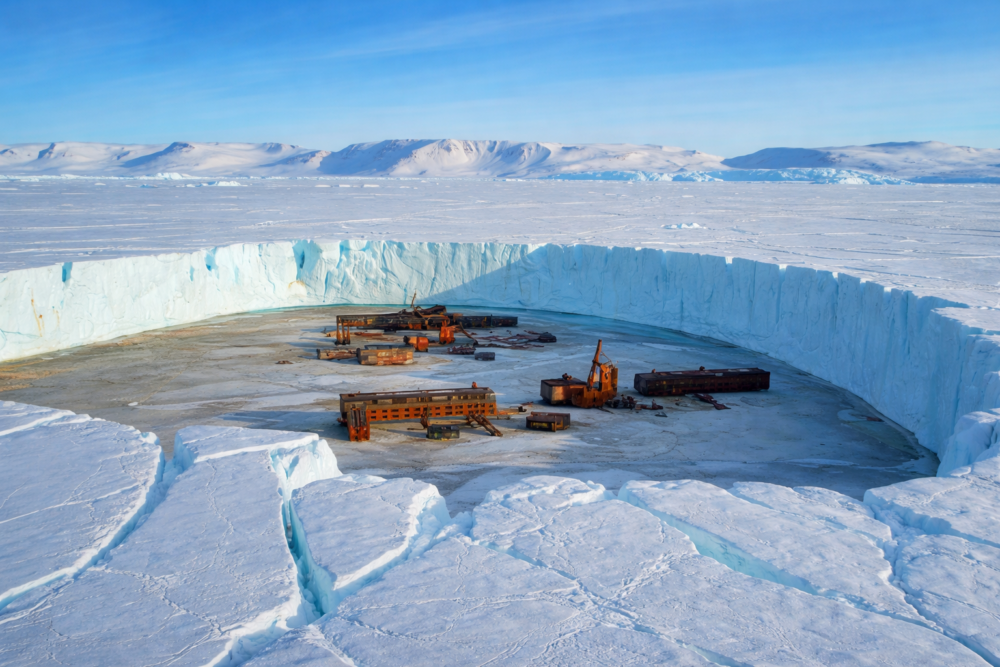
Camp Century was a U.S. Army base carved under Greenland’s ice during the Cold War. It was built in 1959 as a proof-of-concept “city” of tunnels—and a cover for a bigger idea: learning whether the ice sheet could hide military infrastructure.
When the base was abandoned in 1967, workers removed key reactor parts but left major waste behind, including diesel fuel, PCBs, and wastewater, plus low-level radioactive coolant tied to the nuclear power system.
As Greenland warms, scientists are rechecking the old assumption that snow would bury the site forever. New modeling suggests the hazard is long-term, not tomorrow, but it’s real.
1. A “city” was built under the ice
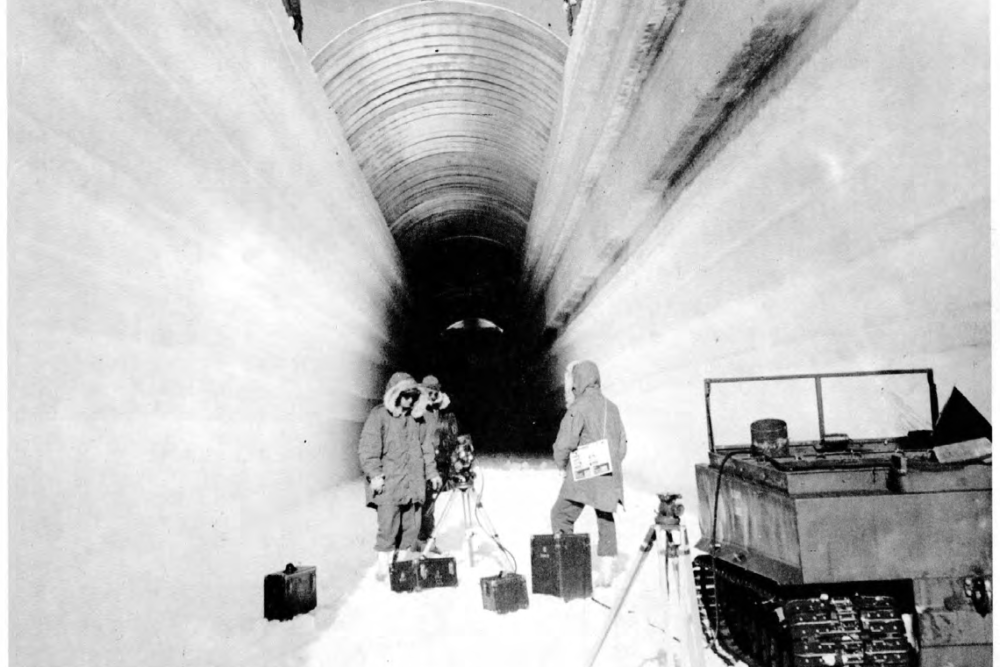
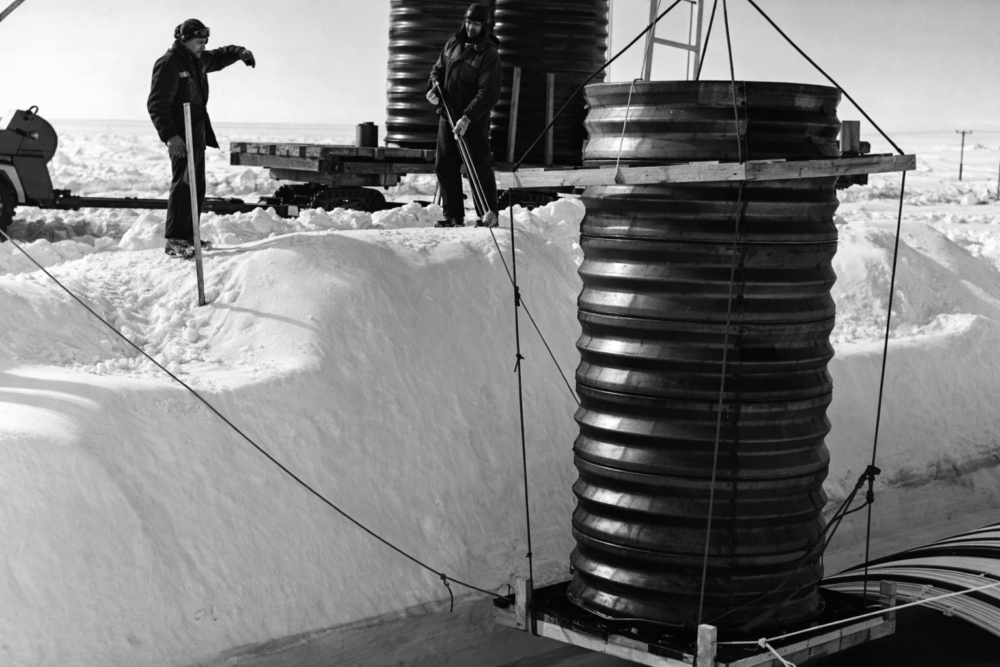
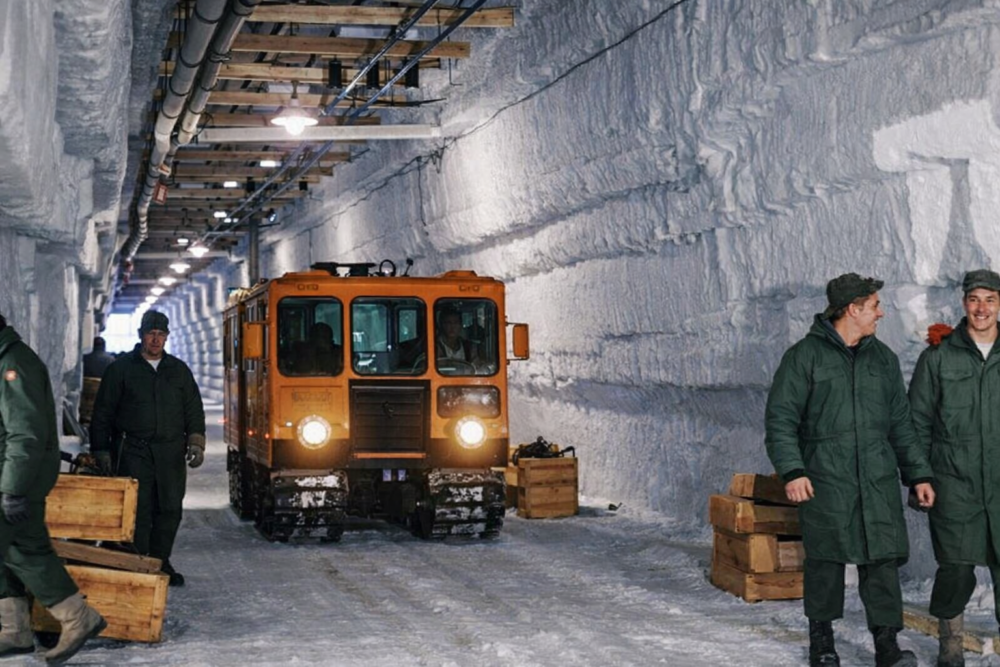
Camp Century was built beneath the Greenland ice sheet as a maze of trenches and tunnels, with prefabricated buildings tucked inside. From the surface, it looked like a simple Arctic outpost. Underneath, it functioned like a small town, with power, workshops, sleeping quarters, and corridors connecting everything.
That underground design depended on one big assumption: the ice would stay cold, stable, and accumulating. The base’s leftovers were treated like they’d be sealed away by snowfall forever, out of sight and out of mind.
2. It was also a test run for a secret plan
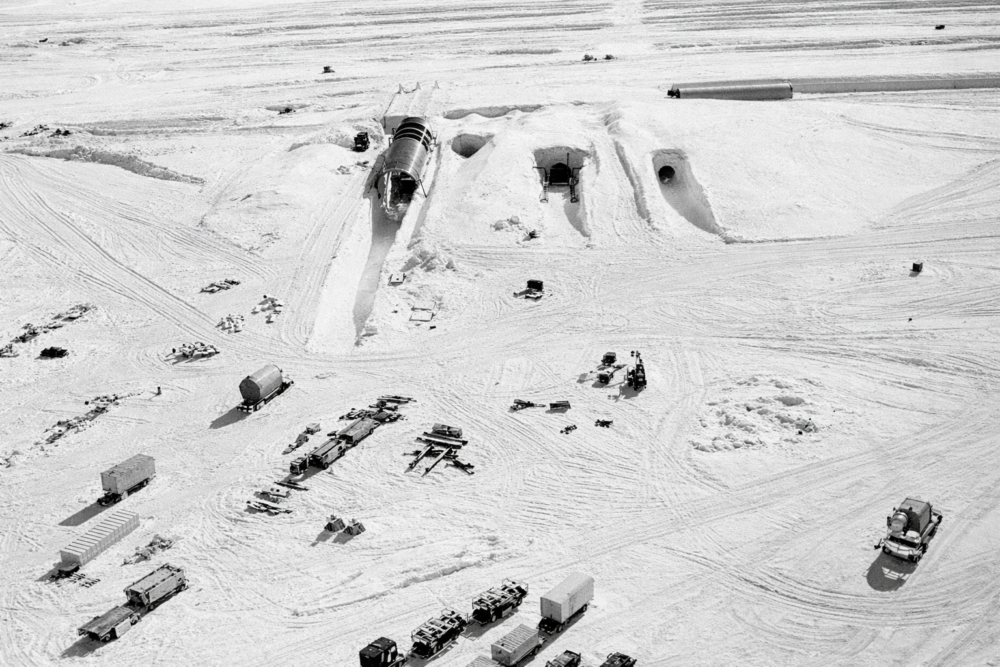
Publicly, Camp Century was framed as research and engineering in extreme conditions. Privately, it helped inform Project Iceworm, a Cold War proposal to hide missile infrastructure within Greenland’s ice.
The plan ran into a basic problem: ice is not rock. It flows, compresses, and shifts. Tunnels slowly squeezed, walls warped, and maintenance became a constant battle year after year. The lesson was clear—anything built there would keep deforming, and anything abandoned there would not stay “frozen in place” for long.
3. The base ran on nuclear power for a time
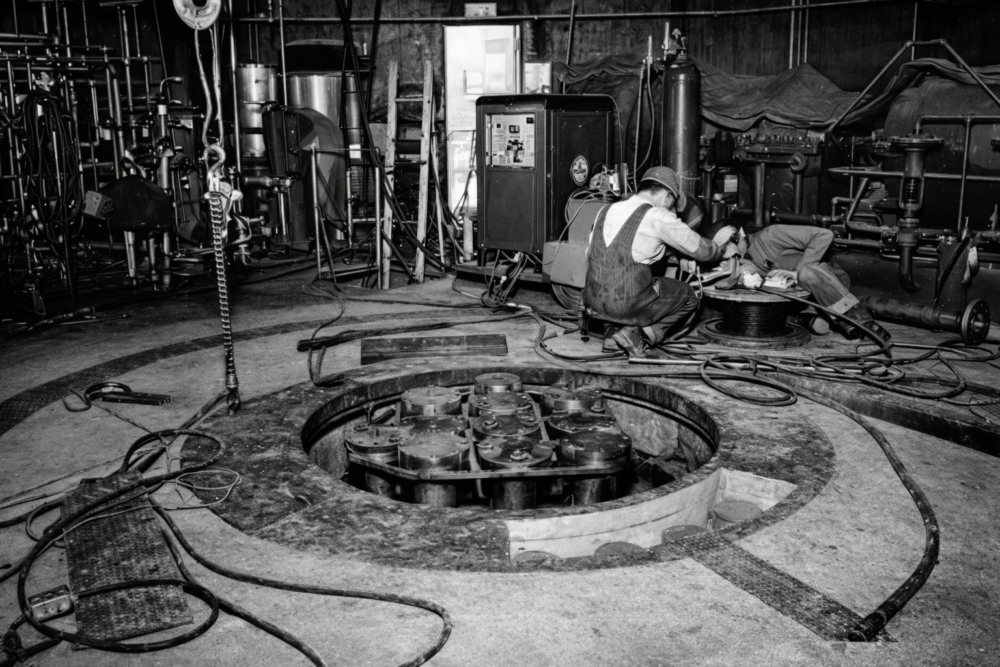
In 1960, the U.S. installed a portable nuclear reactor called PM-2A to generate electricity and heat. It was an engineering milestone—nuclear power at the top of the world—meant to keep the underground camp running without endless fuel convoys.
The reactor operated for a few years and was later removed, but the base wasn’t “restored” the way a modern cleanup would require. Some materials and contaminants tied to operations remained behind under the ice, contributing to today’s long-term environmental concern.
4. Abandonment came in 1967, and waste stayed behind
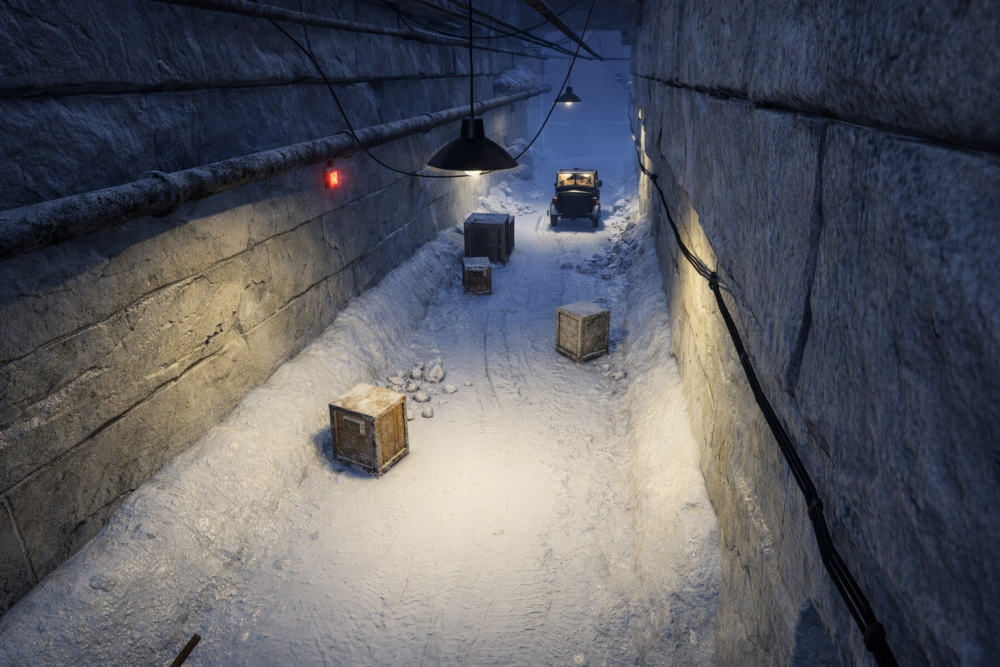
Camp Century was abandoned in 1967 after ice deformation made the tunnels increasingly hard to maintain. Workers removed key equipment, but much of the infrastructure and waste was left where it sat.
Scientists estimate the site includes about 200,000 liters of diesel fuel, large volumes of wastewater and sewage, and chemical pollutants such as PCBs used in mid-century electrical materials. Reports also note an unknown amount of low-level radioactive coolant associated with the nuclear power system and related piping.
5. The waste is not near the surface
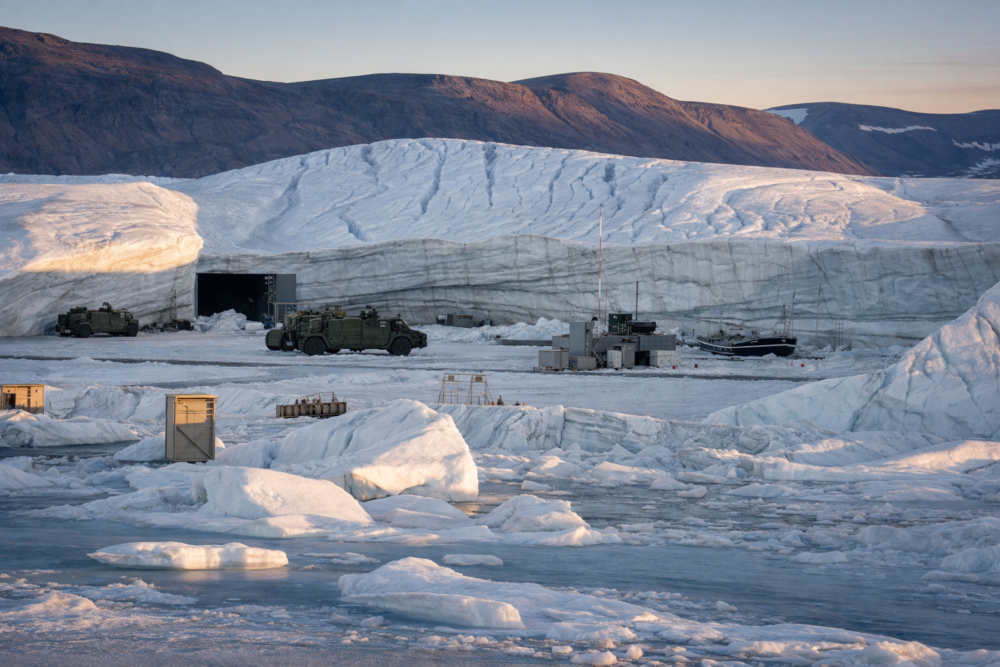
A key point gets missed in some retellings: the waste is still buried. Over decades, snowfall has continued to accumulate, and the old tunnels collapsed and became part of the ice.
Field measurements and modeling suggest most debris sits tens of meters below the surface. That depth helps explain why this isn’t an immediate “spill” story. The concern is about future conditions—how melt, refreezing, and long-term ice changes could eventually mobilize contaminants and carry them outward toward the coast.
6. Warming changes the original assumption
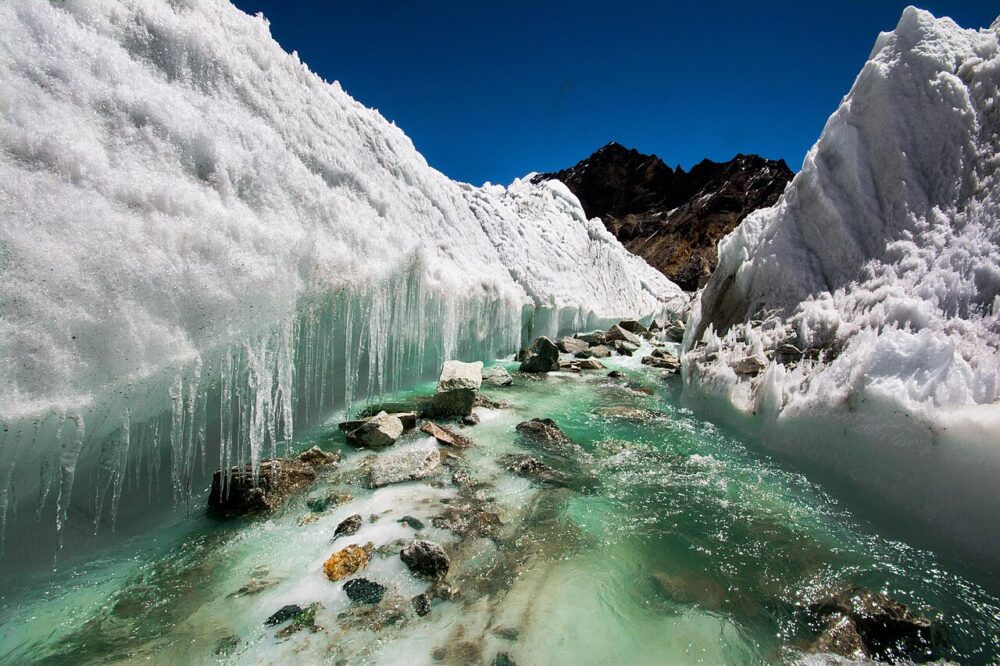
When the base was left behind, planners assumed Greenland’s interior would stay in a long-term pattern of net snowfall. Under that logic, the site would be entombed deeper every year.
Climate change complicates that picture. Scientists have modeled scenarios where the local surface mass balance could shift toward net melt in the future. If that shift persisted long enough, meltwater could percolate downward and interact with buried waste, creating pathways for chemicals to move through the ice and eventually exit at the coast.
7. The timeline is long, and models disagree
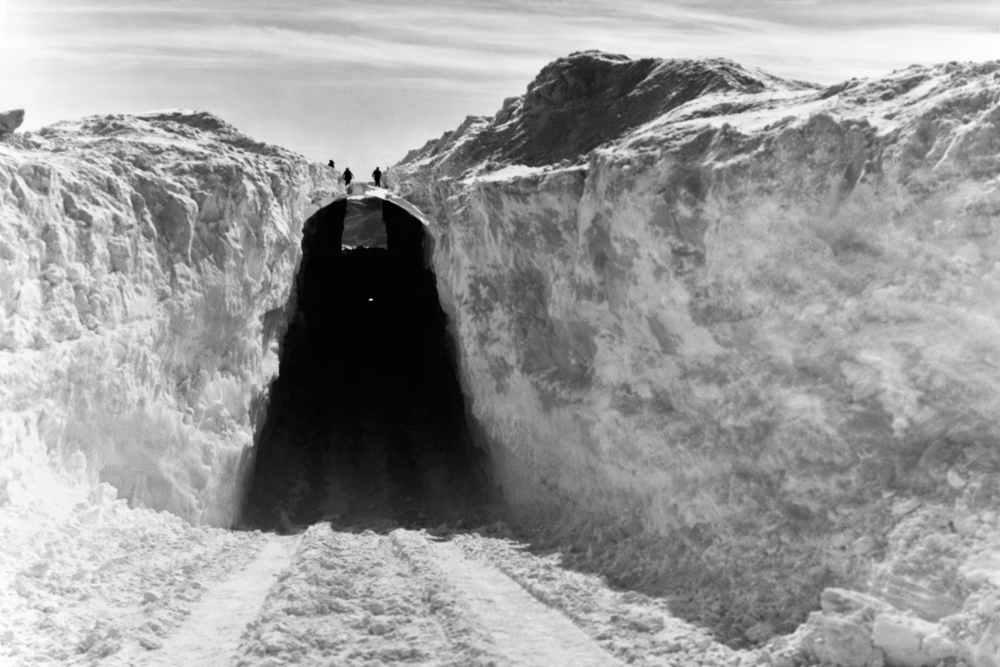
The ice above Camp Century is shaped by both snowfall and summer melt, and different climate models weigh those forces differently. Some projections put any meaningful risk of exposure in the next century or later, not in the next few years.
More recent work that folds in on-site observations indicates meltwater penetration has been limited and that the debris field is very unlikely to reach the surface before 2100. Even so, longer-term warming could change outcomes after 2100, so researchers treat it as a future liability, not a solved problem.
8. Why PCBs are often the biggest red flag
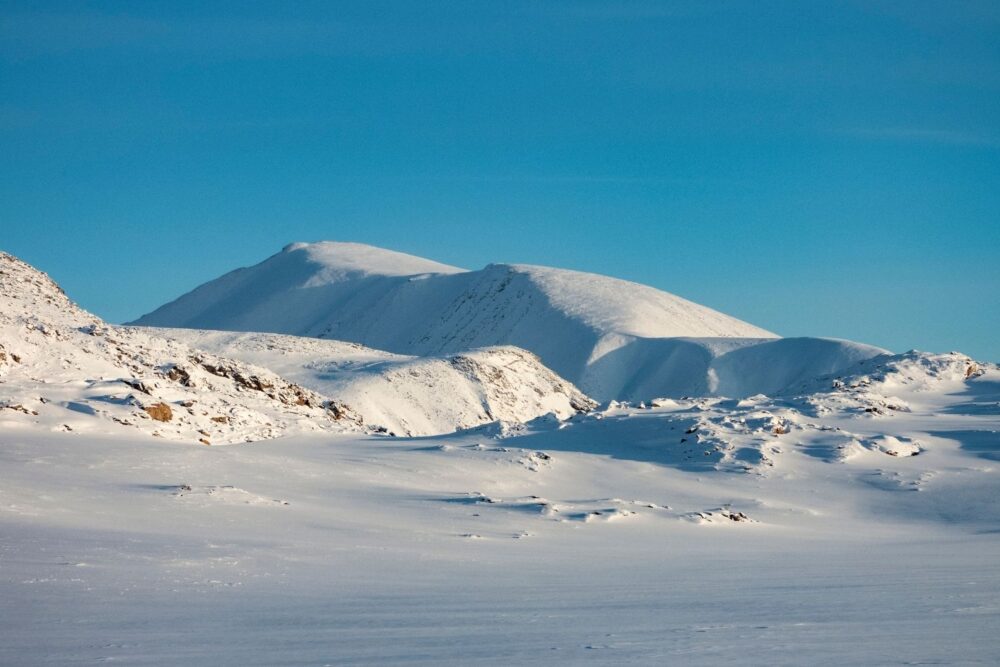
PCBs are persistent industrial chemicals that can linger for decades and build up in animals over time. In Arctic environments, that persistence is especially concerning because contaminants can concentrate in marine food webs.
If PCBs from buried materials were ever released into meltwater pathways, they could travel with water and sediment and spread far beyond the original site. That’s why scientists often highlight PCBs alongside fuel and radioactive residues: the health risk comes from long-lived exposure, not a single dramatic event.
9. Diesel and sewage bring a different kind of risk

Diesel fuel is a familiar hazard: it can contaminate soil and water, harm wildlife, and create lasting cleanup challenges in cold regions where breakdown is slow. A large volume left in place becomes a problem if it’s ever mobilized.
Wastewater and sewage add another layer. Even if frozen now, thaw and transport could introduce nutrients and microbes into environments that evolved with very low pollution inputs. The concern is less about one sudden wave and more about chronic leakage over time.
10. Responsibility is complicated by history
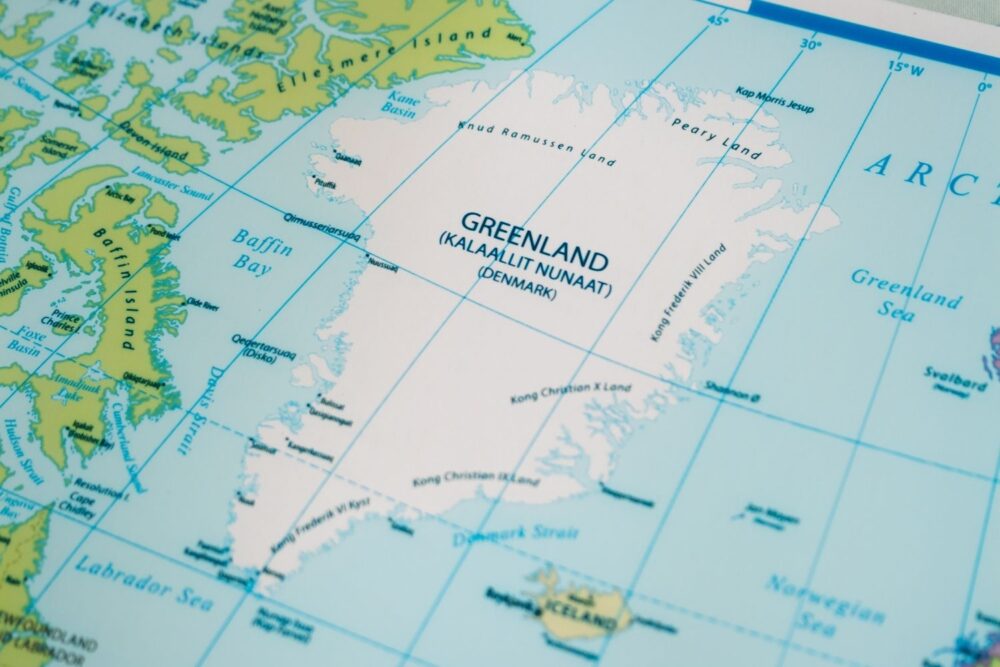
Camp Century operated with Denmark’s permission, but parts of the broader military concept were not fully transparent at the time. Today, Greenland is part of the Kingdom of Denmark, while the original builder was the U.S. military.
That history raises a hard question: who pays, who decides, and who manages a cleanup if one is ever needed? Scientists can model melt and contamination pathways, but the policy side requires agreements between governments, plus consultation with Greenlandic communities that would live with the consequences.
11. Monitoring is the quiet work behind the headlines
Researchers track conditions at and around Camp Century using weather data, snow and firn measurements, satellite observations, and models that estimate how meltwater moves through porous near-surface ice.
This monitoring matters because it can catch changes early. If melt seasons intensify or meltwater begins reaching deeper layers more often, risk assessments would shift quickly and budgets would follow. For now, the best studies emphasize the site remains buried, while also warning that continued warming increases uncertainty over the long run.
12. The bigger lesson is that “forever” wasn’t a plan
Camp Century is a reminder that Cold War projects often assumed the environment would stay stable for centuries. The ice sheet was treated like a permanent storage vault.
But ice is dynamic, and climate is changing faster than past planners imagined. Even if the risk is not immediate, the waste represents a long-term bill coming due. The practical takeaway is simple: when we bury hazards and walk away, we’re betting the planet won’t change—and that’s a risky bet to make.