
A disputed discovery, a century-old report, and a mystery that refuses to disappear.
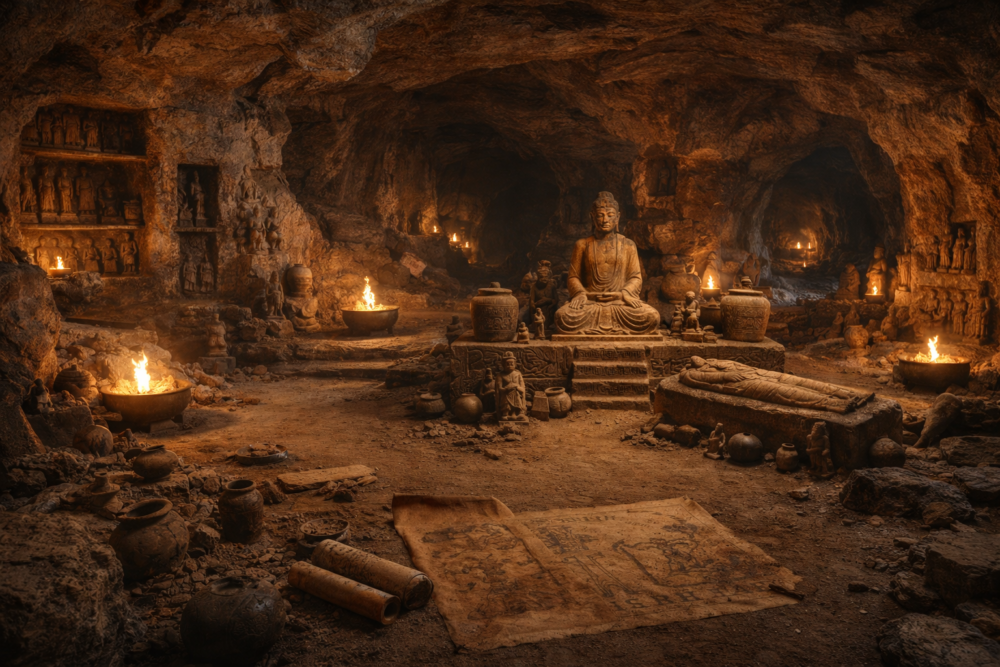
More than 100 years ago, a newspaper story claimed explorers had found hidden chambers deep inside the Grand Canyon filled with ancient artifacts unlike anything seen in North America. The report captured public imagination—and immediately ran into skepticism.
Ever since, the Smithsonian Institution has denied any such discovery, calling the story exaggerated or unfounded. Yet the tale never fully faded. Now, a former Grand Canyon park ranger says evidence he encountered echoes that long-dismissed account, reigniting one of America’s most persistent archaeological controversies.
1. A strange story appeared in 1909
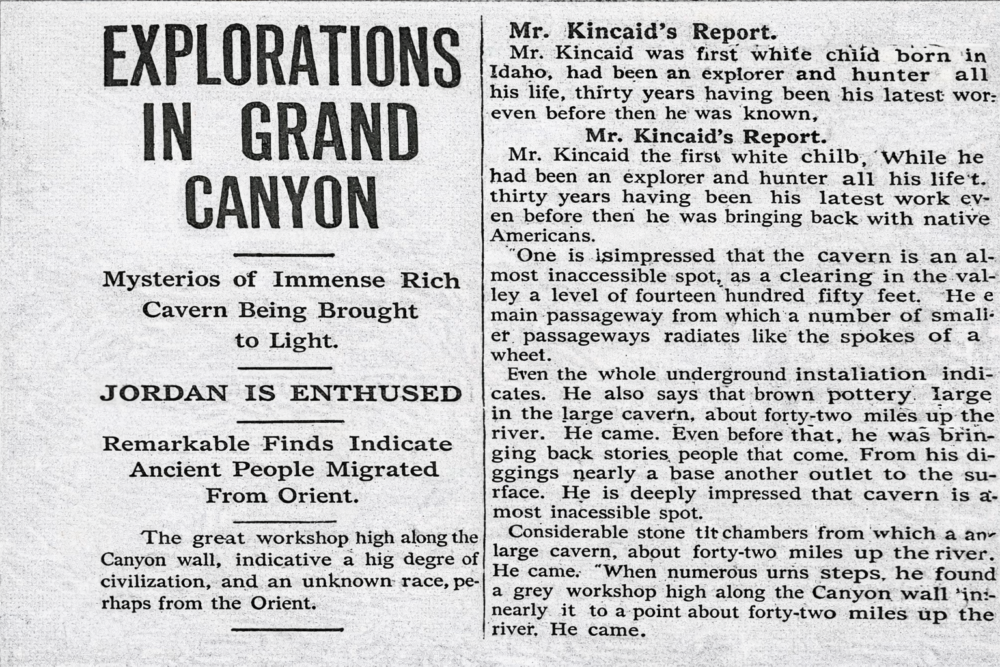
In 1909, an article published in the Arizona Gazette described an explorer named G.E. Kinkaid discovering a vast system of caves in the Grand Canyon. According to the report, the chambers held artifacts, carvings, and symbols that seemed out of place for the region.
The article claimed the find was being investigated with help from the Smithsonian. While the story spread quickly, it lacked photographs, detailed maps, or follow-up reports—details that would later fuel doubt as well as fascination.
2. The Smithsonian quickly denied involvement
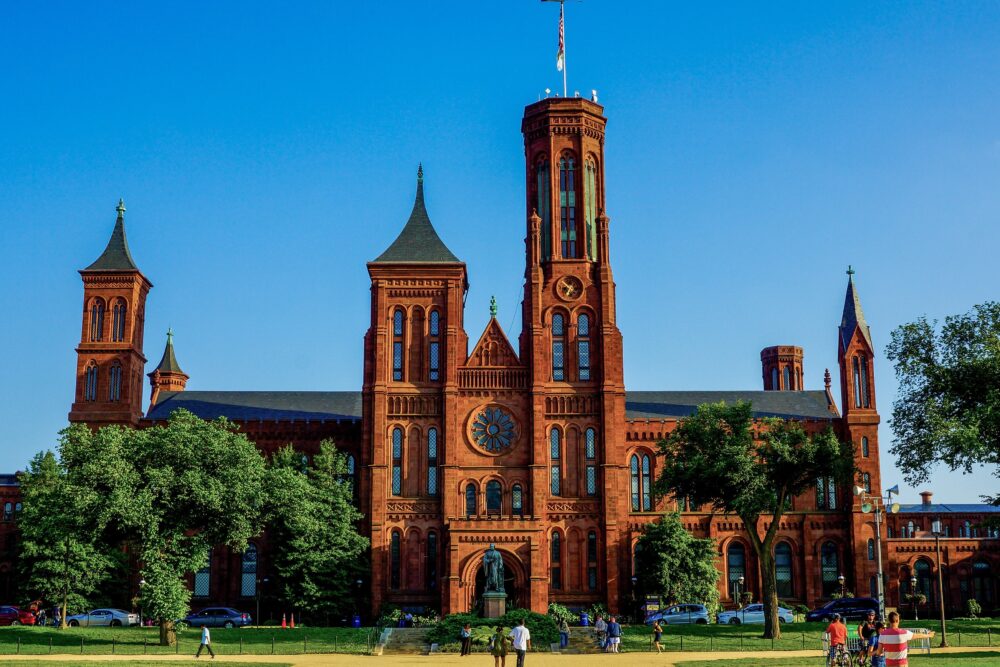
Not long after the article circulated, the Smithsonian publicly stated it had no record of Kinkaid, the expedition, or the artifacts described. Over time, the institution has consistently maintained that no such discovery exists in its archives.
This firm denial became central to the mystery. Supporters of the story saw it as evidence of suppression, while critics argued it was proof the original article was inaccurate or fictionalized.
3. Historians raised red flags early on
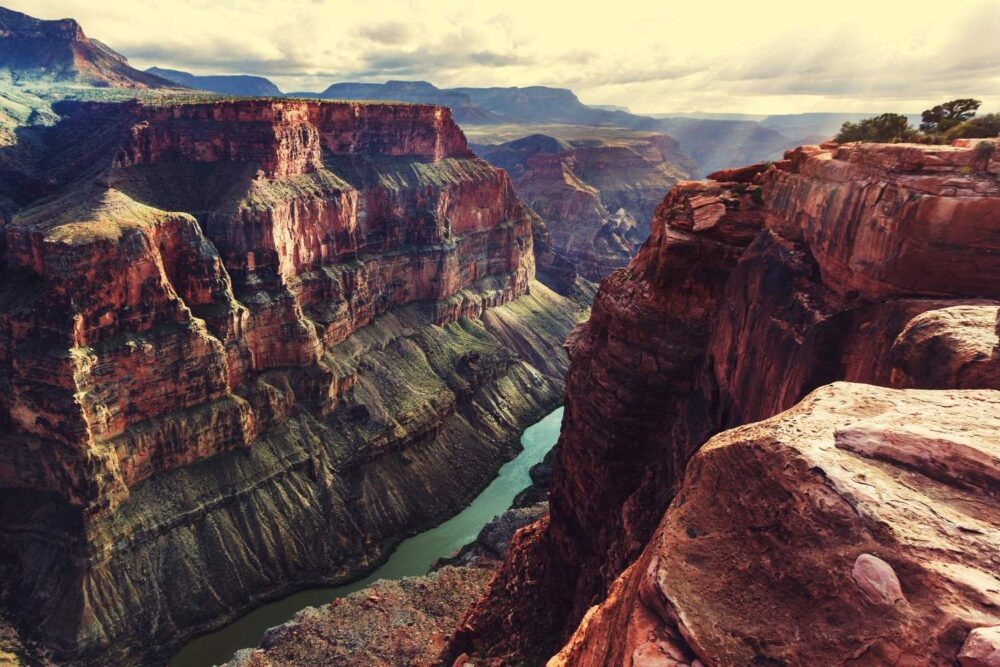
Professional archaeologists have pointed out problems with the original claims. The article’s descriptions mixed cultural elements from Egypt, Asia, and the Americas in ways that don’t align with known history.
There were also logistical issues. The Grand Canyon’s geology makes large, stable cave complexes extremely rare, especially ones capable of housing the massive chambers described. These concerns led many experts to dismiss the story outright.
4. The story survived outside academic circles

Despite academic rejection, the tale lived on through books, documentaries, and online forums. It became a fixture in discussions about “lost history” and institutional secrecy.
For many people, the mystery wasn’t just about artifacts. It was about trust—whether major institutions always tell the full story, or whether uncomfortable discoveries could be quietly set aside.
5. A park ranger claims to see familiar patterns
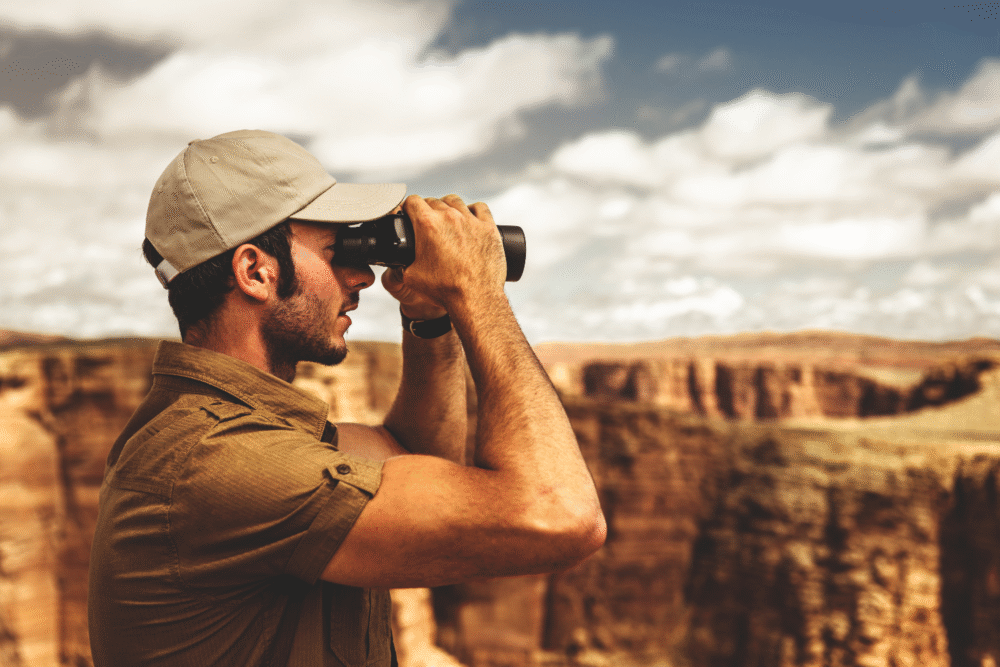
Decades later, a Grand Canyon park ranger reportedly encountered features during his work that reminded him of the old account. According to his claims, certain sealed areas, unusual markings, or restricted zones raised questions in his mind.
He did not claim to have found chambers full of artifacts. Instead, he suggested that some aspects of the canyon may not be as thoroughly documented as the public assumes.
6. Why rangers sometimes notice what others don’t
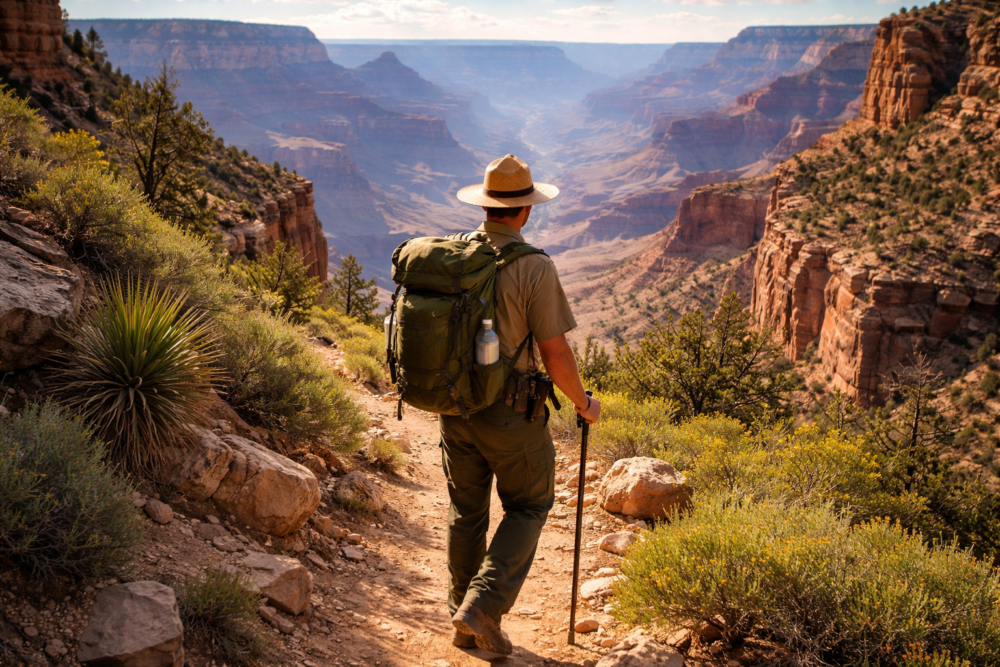
Park rangers spend years moving through terrain that most visitors never see. They learn the landscape in detail, often noticing subtle features that don’t stand out on maps or tourist routes.
That familiarity can lead to insights—but it can also lead to speculation. Experts note that unusual rock formations or minor caves can appear mysterious without detailed geological analysis.
7. No physical evidence has been produced
Crucially, no verified artifacts, photographs, or precise locations tied to the alleged chambers have ever been released. Without physical evidence, archaeologists say there’s nothing to evaluate scientifically.
This absence is why the story remains outside mainstream research. Archaeology depends on documentation, context, and peer review—none of which currently exist for this claim.
8. Restricted areas fuel suspicion
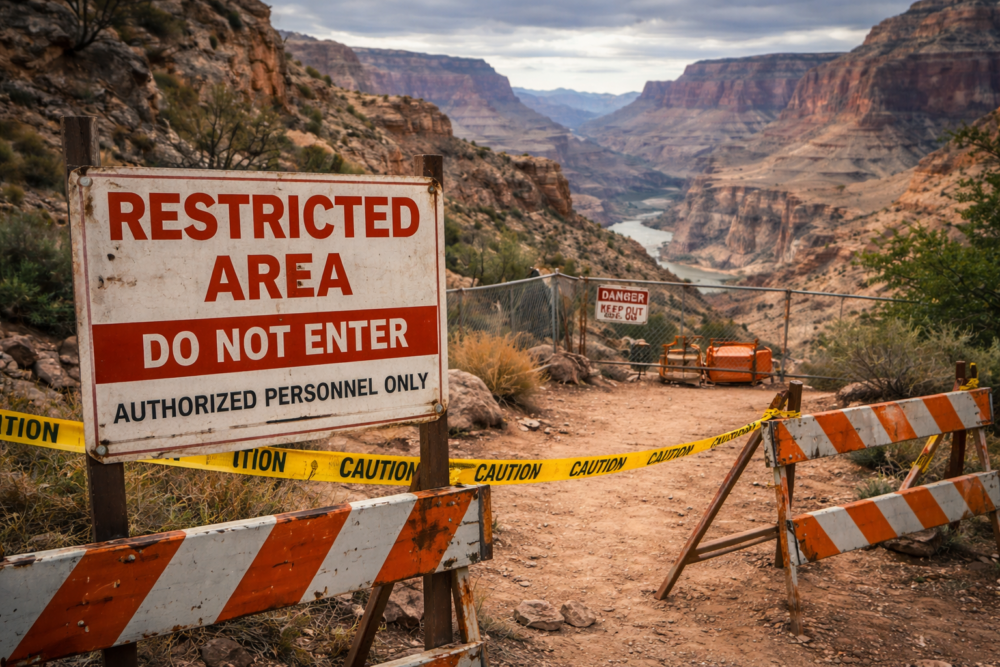
Parts of the Grand Canyon are closed to the public for safety, conservation, or cultural reasons. To some, these restrictions appear to support ideas of hidden discoveries.
Experts counter that closures are common in national parks, often protecting fragile ecosystems or sacred Indigenous sites. Restricted access alone, they say, isn’t evidence of a buried secret.
9. Why the claim keeps resurfacing
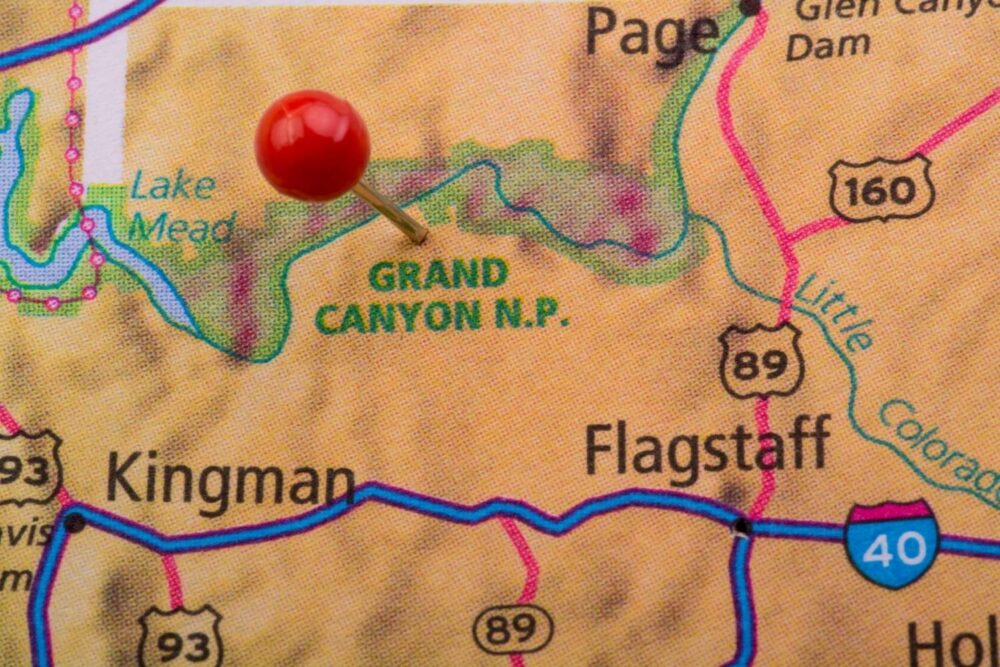
Stories like this persist because they sit at the intersection of mystery, history, and authority. They offer a sense that something enormous might be just out of reach.
Each new mention—whether from a ranger, writer, or researcher—revives interest, even when the core evidence hasn’t changed. The lack of resolution keeps the question alive.
10. What mainstream archaeology says today
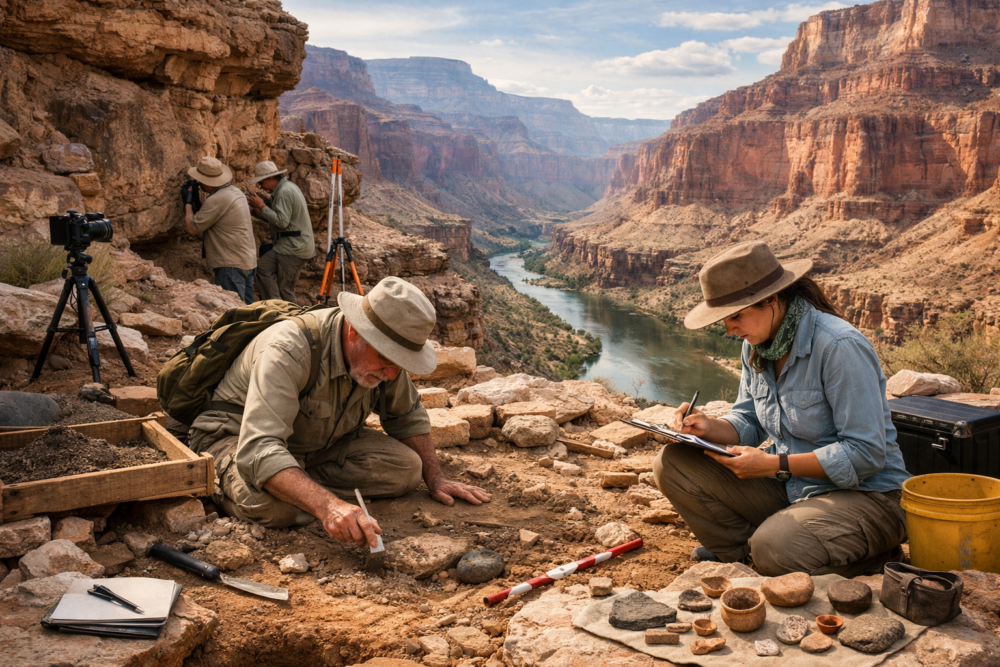
Modern archaeology relies on satellite imaging, ground surveys, and extensive documentation. Major discoveries are usually accompanied by teams, permits, and published findings.
So far, no credible archaeological project has produced evidence supporting the existence of the chambers described in 1909. That silence weighs heavily against the claim in academic circles.
11. Why the mystery still matters
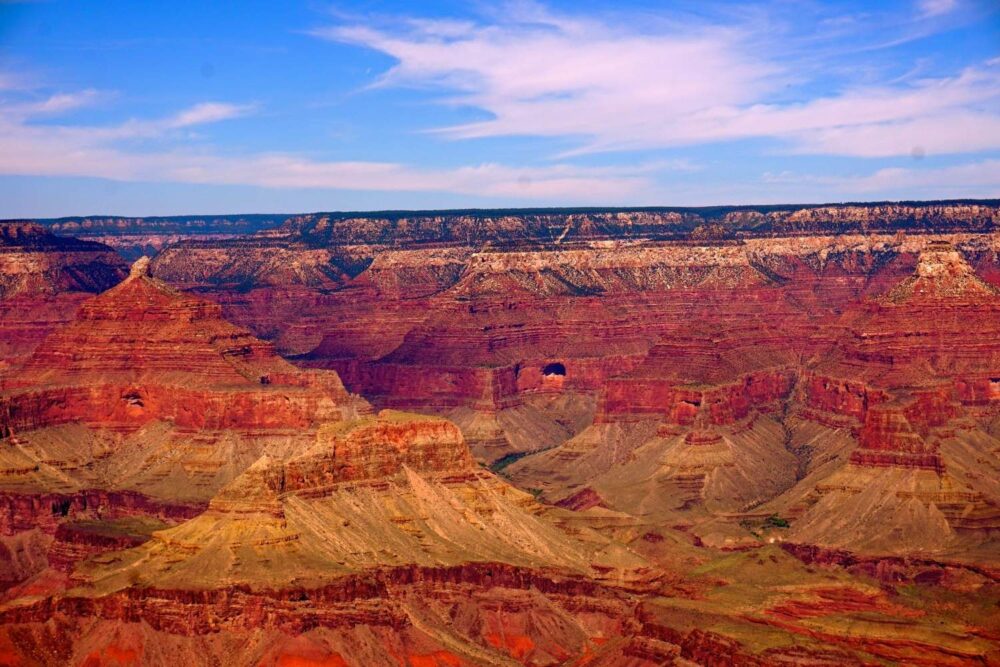
Whether fact or fiction, the story highlights how myths form around real places. It also shows how public trust in institutions shapes how people interpret unexplained gaps in knowledge.
For now, the Grand Canyon mystery remains unresolved—not because evidence is hidden, but because none has surfaced. Until that changes, it sits in the space between legend and history, where unanswered questions tend to linger.