
Experts say cutting off the fuzzy part doesn’t always make food safe — here’s what science actually shows.
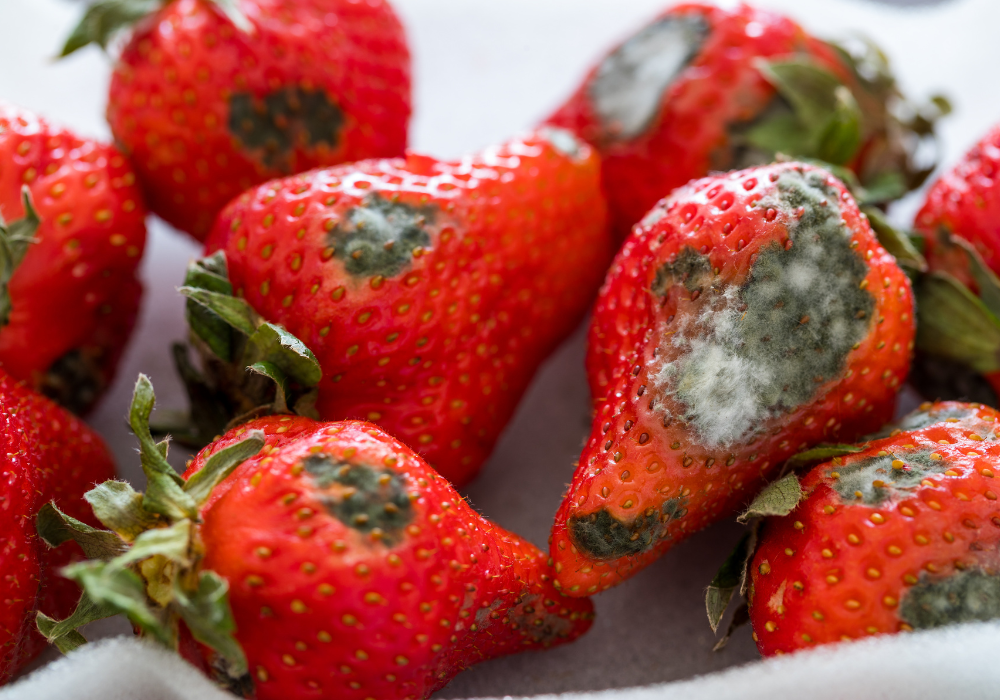
When you spot a patch of mold on bread, fruit, or cheese, it’s tempting to just slice it off and keep eating. But toxicologists say that’s not always safe — and in some cases, it can be downright dangerous. Mold doesn’t just grow on the surface; its roots can spread deep into food, carrying invisible toxins. A new Live Science interview explains which foods are fine to salvage and which are better off in the trash.
1. Mold Isn’t Just What You See on the Surface
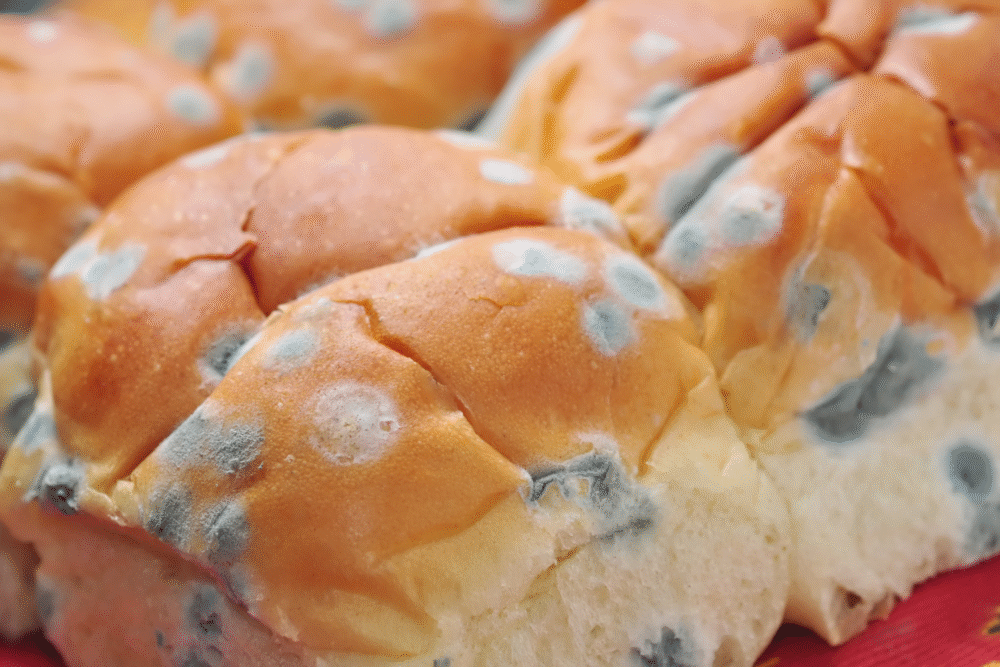
According to toxicologists, mold behaves much like a plant — what you see is only part of the organism. The fuzzy or discolored spots on food are the visible fruiting bodies, but thin, root-like filaments called hyphae spread deep into the food’s interior.
That means cutting off the top layer doesn’t necessarily remove all of it. Even a small spot can signal that the rest of the item may be contaminated beyond what’s visible to the eye.
2. Some Molds Produce Dangerous Mycotoxins

Certain molds can generate toxic compounds called mycotoxins, which can cause nausea, liver damage, or even cancer with prolonged exposure. These substances are invisible, odorless, and not destroyed by cooking or freezing.
Experts warn that because mycotoxins can spread throughout soft foods, eating even a “clean-looking” portion could still be risky. That’s why the safest response to mold on certain foods is often to throw the entire item away.
3. Hard Cheeses and Firm Vegetables Can Sometimes Be Saved
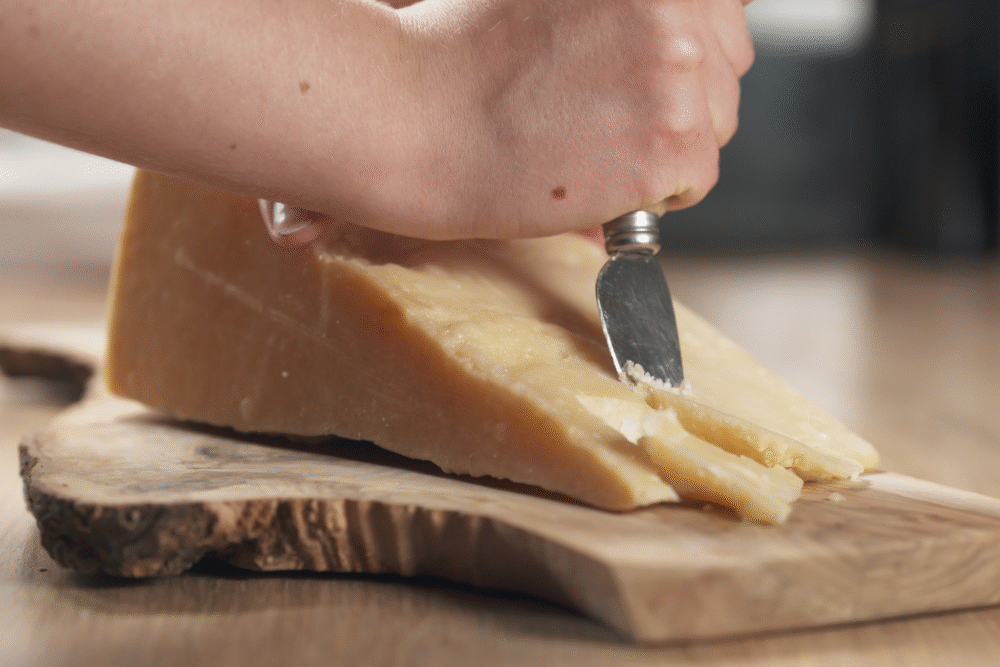
There are a few exceptions where cutting away mold is considered safe. Hard cheeses like cheddar or Parmesan, and firm vegetables like carrots or cabbage, have dense structures that limit mold’s ability to spread deeply.
Toxicologists recommend cutting at least one inch around and below the visible mold to ensure you remove any hidden growth. After trimming, rewrap the food in fresh packaging to prevent the mold from returning.
4. Soft Foods Are a Definite No-Go
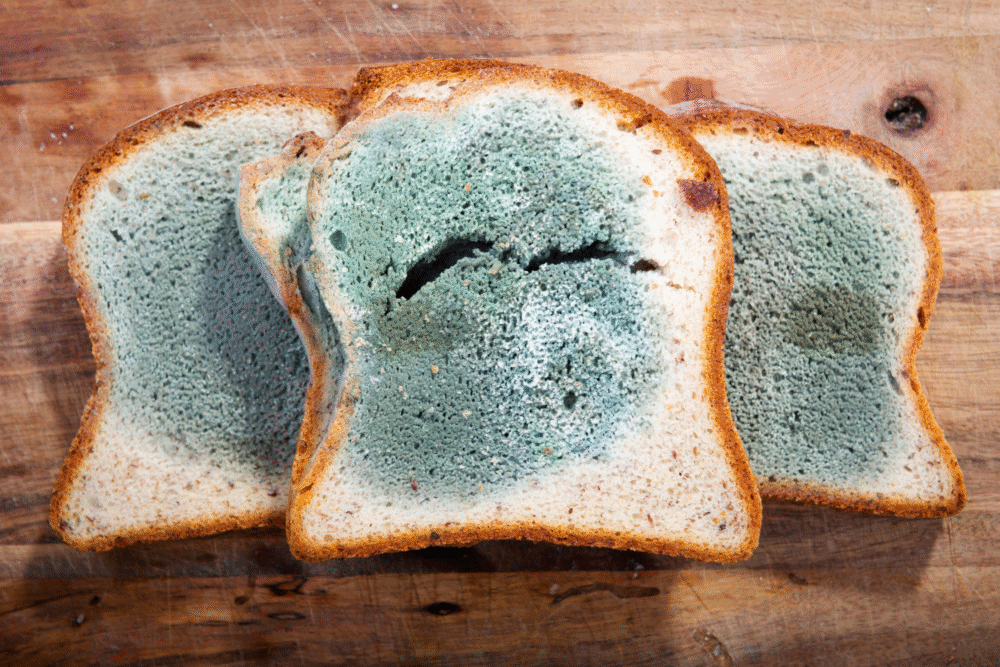
Items like bread, soft cheese, fruit, and leftovers are especially vulnerable because of their porous texture and high moisture content. Mold spores travel easily through these foods, meaning even untouched areas can be contaminated.
The USDA and food safety experts agree that once mold appears on these foods, the safest move is to toss the entire item. No amount of trimming or cooking will reliably remove the risk of ingesting toxins.
5. Mold Spreads Faster Than You Think
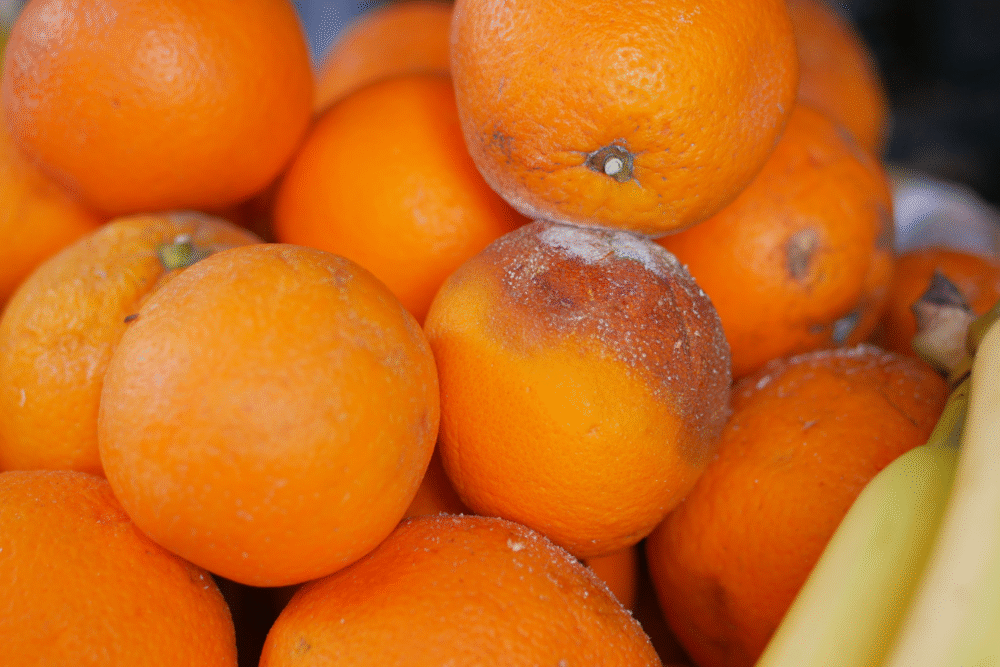
Under warm, humid conditions, mold can begin spreading through food within 24 to 48 hours. Spores in the air settle onto surfaces and multiply quickly when moisture and organic matter are present.
That’s why experts advise storing perishable foods in sealed containers and inspecting them regularly. Even a small change in smell, texture, or color can signal that mold has already taken hold beyond what’s visible.
6. Refrigeration Slows Mold, But Doesn’t Stop It

Cold temperatures delay mold growth, but they don’t eliminate it. Many molds can still grow slowly in the refrigerator, especially on foods that have been stored too long or not properly sealed.
Experts recommend cleaning your fridge often and keeping humidity levels low. Always check older items before use — even a thin film or white fuzz can mean the mold has started to spread internally.
7. Not All Molds Are Harmful — But It’s Hard to Tell Which Is Which
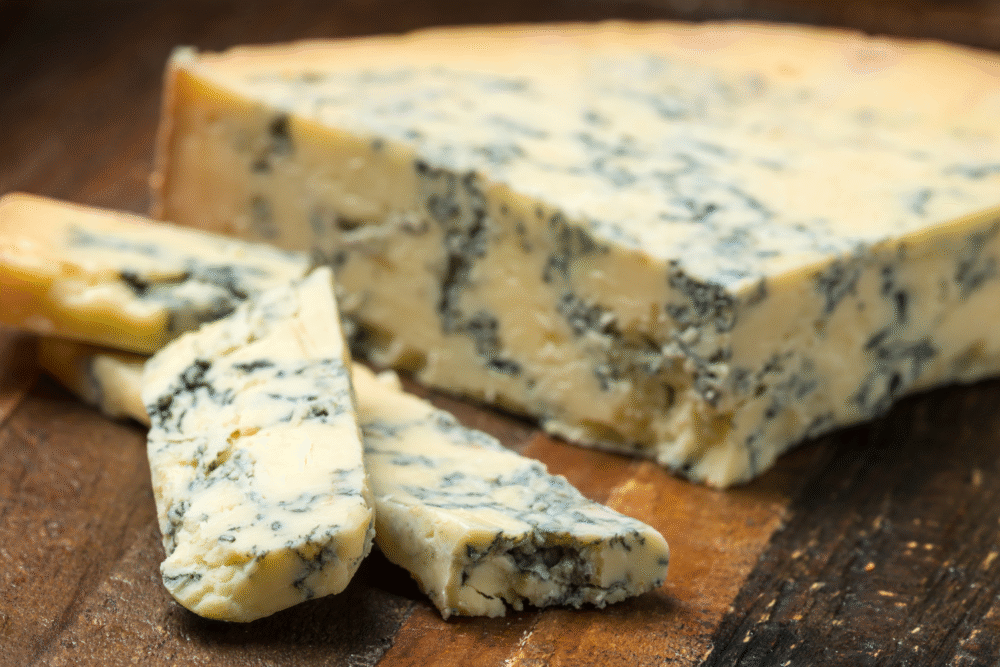
While some molds, like those used in blue cheese or certain cured meats, are safe and even beneficial, most household molds are not. The difference isn’t visible to the naked eye.
Toxicologists caution against assuming “harmless mold” without laboratory confirmation. Because many dangerous species look similar to benign ones, it’s safer to err on the side of caution and discard anything questionable.
8. Cooking or Toasting Won’t Make Moldy Food Safe
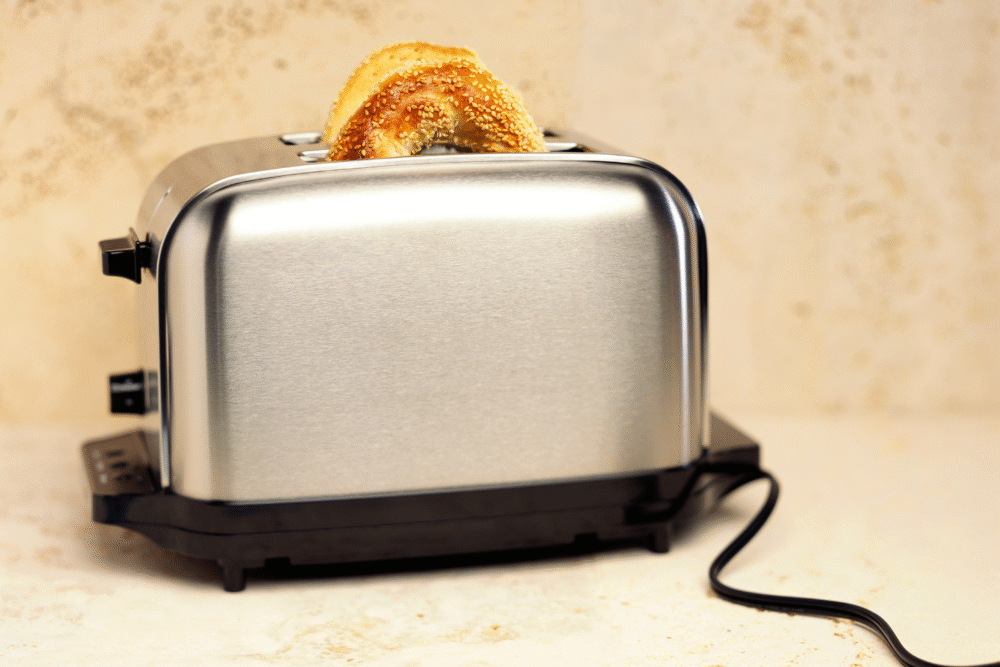
Heating may kill surface mold spores, but it does not remove toxins that have already spread into the food. Mycotoxins are heat-resistant and can survive baking, frying, or toasting.
That means cooking moldy bread or reheating leftovers won’t neutralize the danger. Once toxins are present, no amount of heat will make the food safe to eat again.
9. Mold on Produce Can Indicate Deeper Contamination
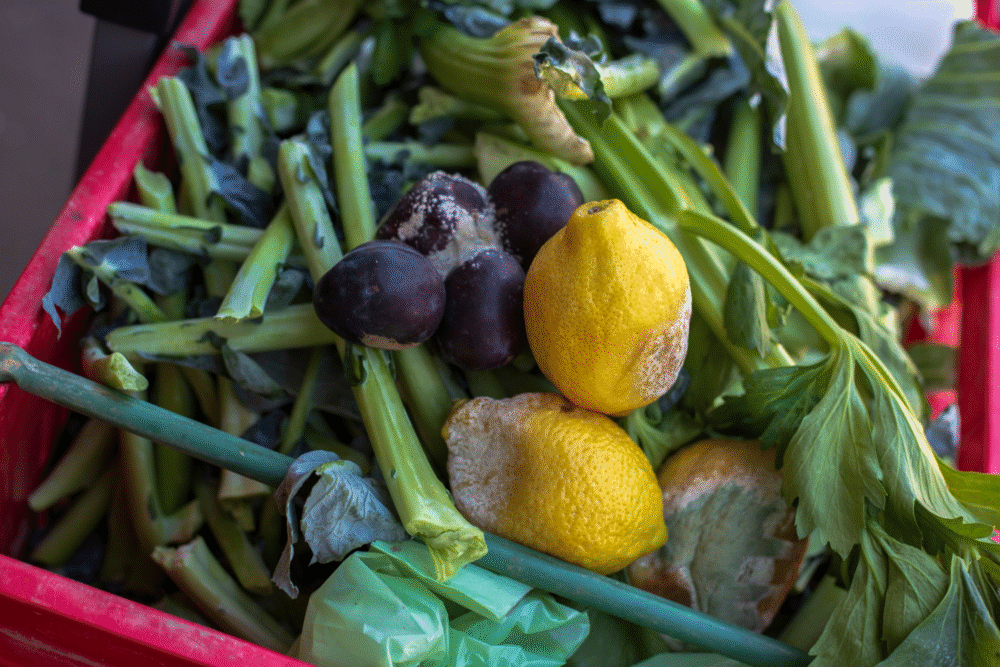
Fruits and vegetables often mold from the inside out, especially if bruised or stored too long. Once mold appears on the surface, it’s a sign that the entire piece — and possibly nearby produce — has been exposed.
Experts recommend isolating any moldy items immediately and checking the surrounding food for signs of spoilage. The moisture and sugar content of produce make it an ideal breeding ground for invisible mold threads.
10. When in Doubt, Throw It Out
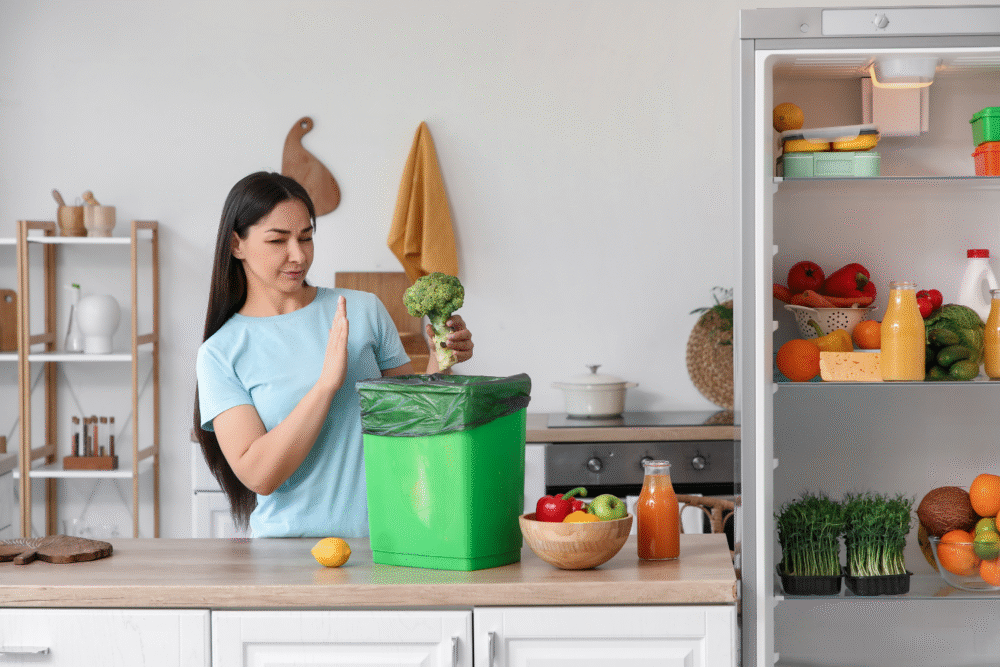
Food safety experts agree on one simple rule: if you’re unsure, don’t take the risk. The cost of wasting a bit of food is far lower than the potential health consequences of ingesting harmful mold or toxins.
Mold exposure can trigger allergic reactions, respiratory issues, and digestive illness. When contamination is even a possibility, tossing it is the only guaranteed way to stay safe — and avoid a dangerous guessing game.