If You Find a Snake in Your Yard, Experts Say Don’t Make This Mistake

What most homeowners do instinctively can make a dangerous situation worse.
©Image license via Canva

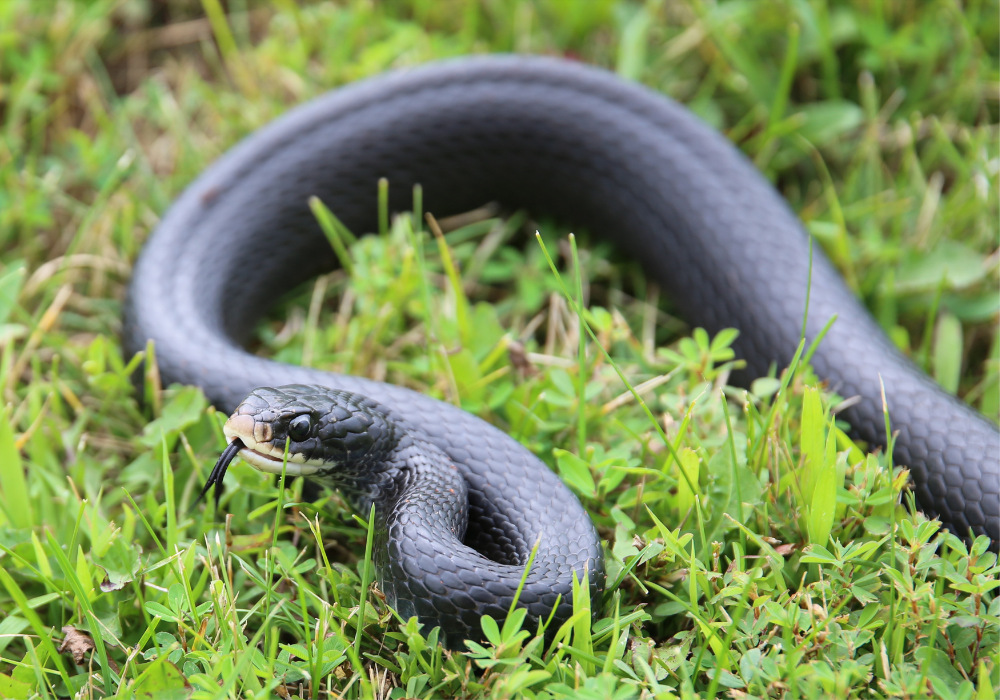
You step into your yard, coffee in hand, and there it is — a snake across the path. Your brain says run, scream, or grab something. That instinct is exactly what wildlife experts warn against, because the first few seconds matter more than you think.

Snakes usually don’t want a fight, but they react fast to sudden movement and vibration. Many bites happen not because a snake attacks, but because someone panics and makes a move that feels threatening.

Knowing what not to do can dramatically lower the risk of getting hurt. One simple decision can slow things down, keep distance on your side, and turn a scary moment into one that ends calmly.
Read more

Why a Colored Puddle Under Your Car Should Never Be Ignored

What different fluid colors can reveal about hidden car problems before they get worse.

©Image license via Planet Sage/Chat GPT

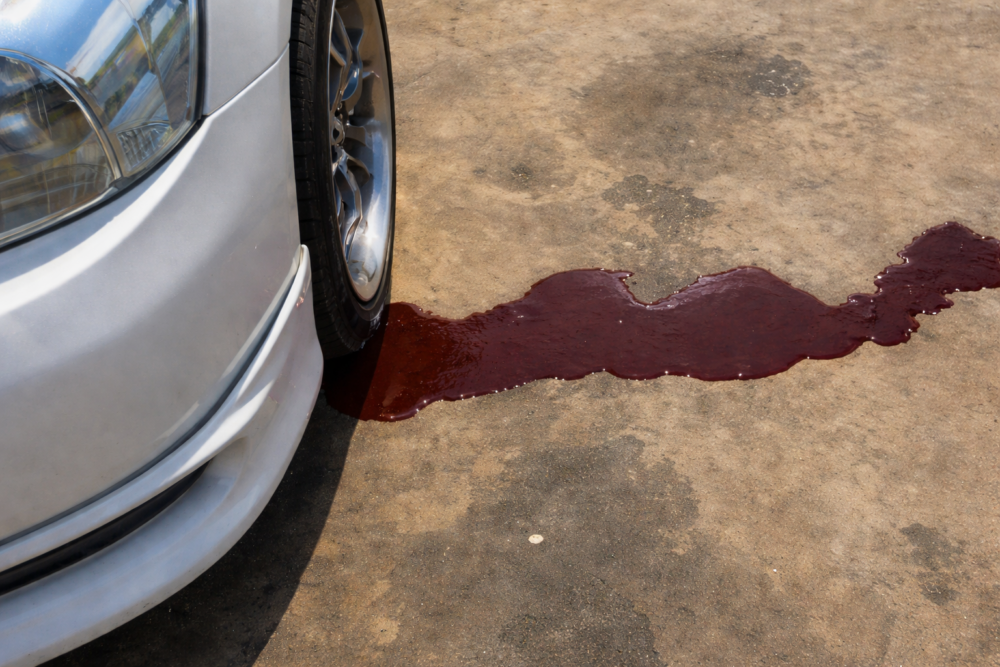
A puddle under your car is easy to dismiss, especially if the vehicle seems to run fine. Condensation from air conditioning systems is common, and rainwater can collect overnight without meaning anything at all.

But when that puddle has color, it’s often a warning sign. Different fluids play very specific roles in keeping a car running safely, and leaks rarely fix themselves.

Understanding what you’re seeing can help you decide when it’s safe to drive, when to schedule a repair, and when to stop using the car altogether.

Read more

11 Global Cities Preparing for a Future Without Fresh Water

As fresh water supplies dwindle, some of the world’s largest cities are preparing for a thirsty future.

©Image license via Canva

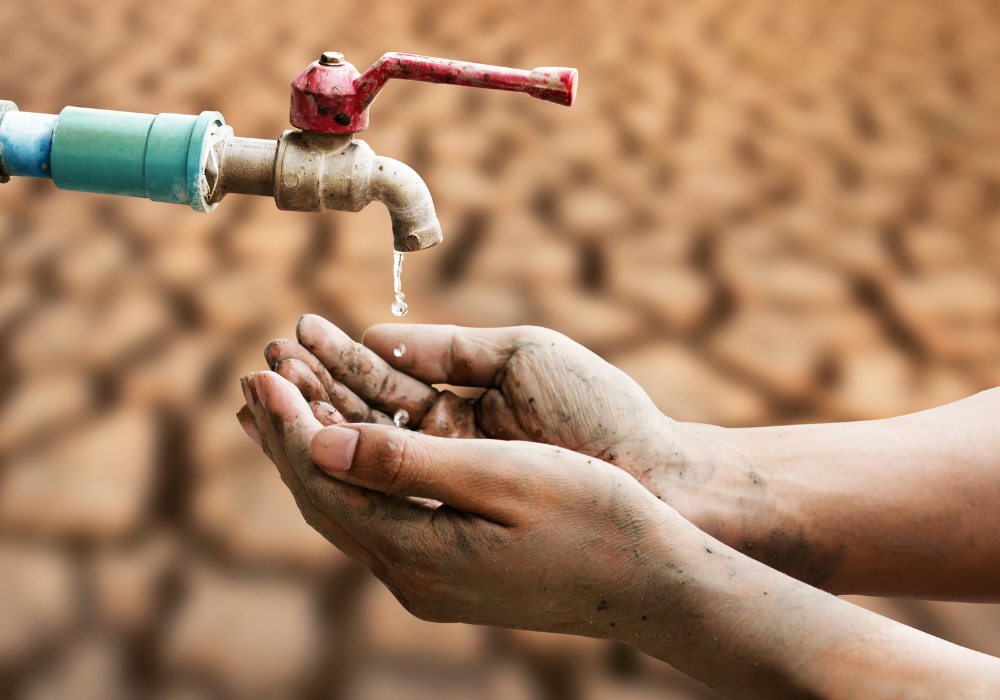
While you turn on the tap and clean water flows out without a second thought, major cities worldwide are quietly preparing for a reality where that simple act becomes impossible. From Cape Town’s “Day Zero” crisis to Chennai’s complete reservoir depletion, urban water supplies are failing faster than anyone predicted, forcing millions of people to confront a future where fresh water becomes more valuable than oil.

These aren’t distant developing world problems—cities like Los Angeles, London, and Tokyo are implementing emergency water strategies that would have seemed unthinkable just a decade ago. The race to secure water is reshaping global politics, urban planning, and daily life in ways that make the energy crisis look manageable by comparison.

Read more

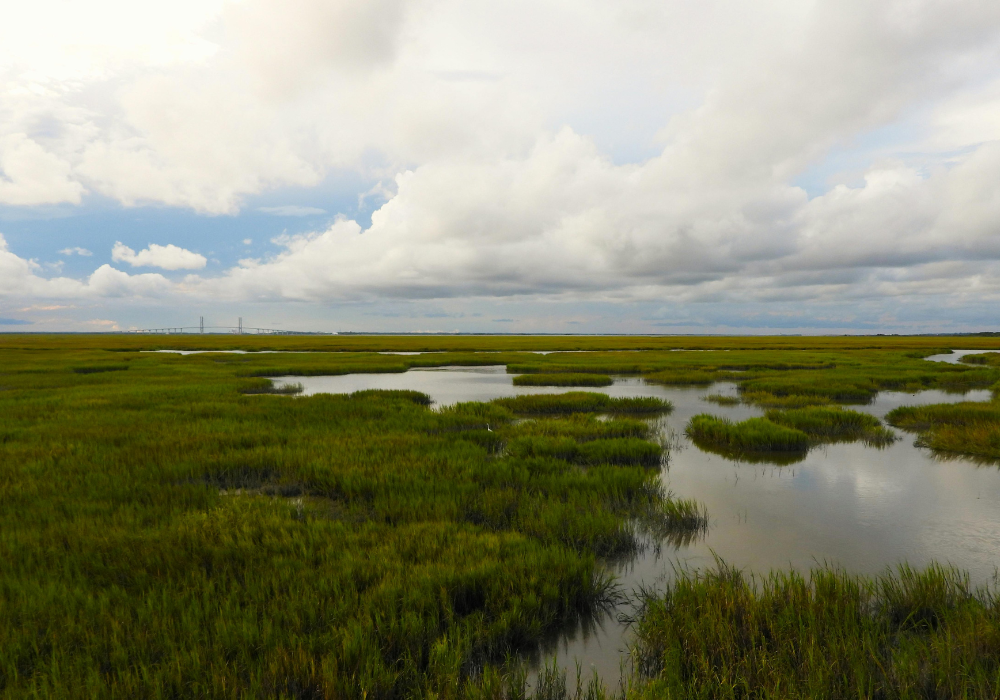
Wetlands Are Vanishing—Here Are 11 Reasons the World Should Be Alarmed

From rising seas to reckless development, wetland loss is accelerating—and the consequences for biodiversity and climate resilience are staggering.

©Image license via Canva

Wetlands have long been misunderstood—once dismissed as swamps, bogs, or mosquito-filled wastelands. But they’re among the planet’s most important ecosystems, acting as buffers against floods, filters for clean water, and sanctuaries for wildlife. Now, they’re disappearing at an alarming rate. Human development, pollution, and climate change are destroying wetlands faster than they can recover, and global efforts to protect them are falling apart.

As sea levels rise and extreme weather worsens, losing wetlands puts communities, biodiversity, and climate stability at serious risk. This isn’t just an environmental issue—it’s a crisis that threatens life on Earth in deeply interconnected ways.

Read more

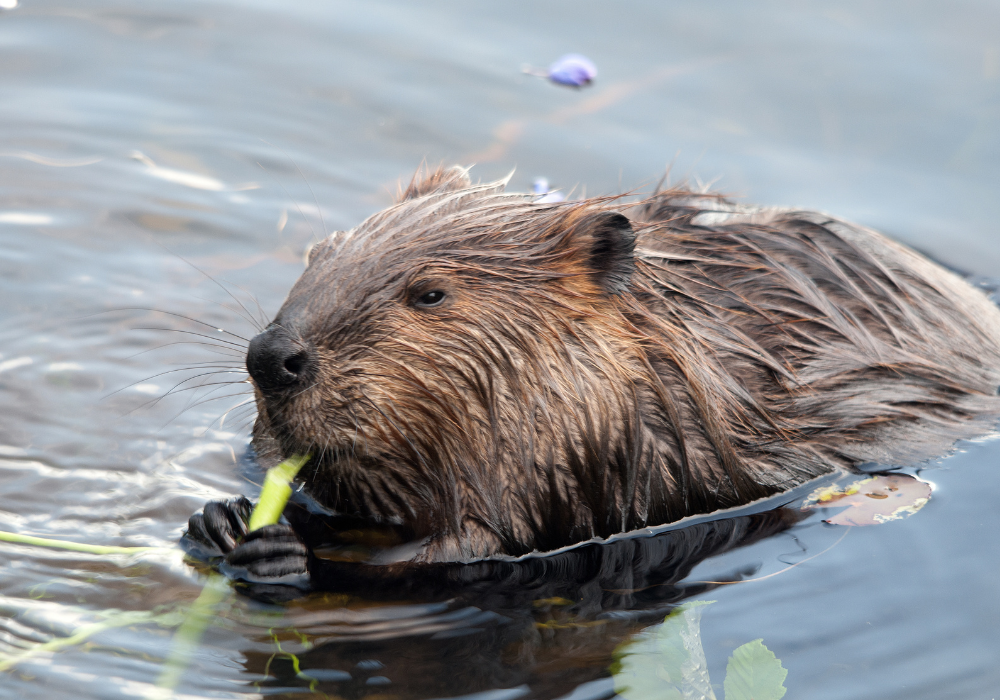
They Released Beavers Into a Barren Wasteland—11 Mind-Blowing Changes Followed

This surprising environmental experiment is now a model for climate resilience and wetland revival.

©Image license via Canva

In the early 2000s, conservationists decided to reintroduce beavers into a degraded, barren landscape—and the results changed everything. According to Dr. William J. Mitsch, a leading wetland expert, beavers work as “ecosystem engineers,” restoring habitat, raising water tables, and reviving biodiversity in areas once written off as hopeless.

Across multiple restoration projects, these semi-aquatic rodents have proven remarkably effective at healing broken ecosystems. From creating ponds to reducing erosion and enhancing flood resilience, their impact has been transformative.

Read more

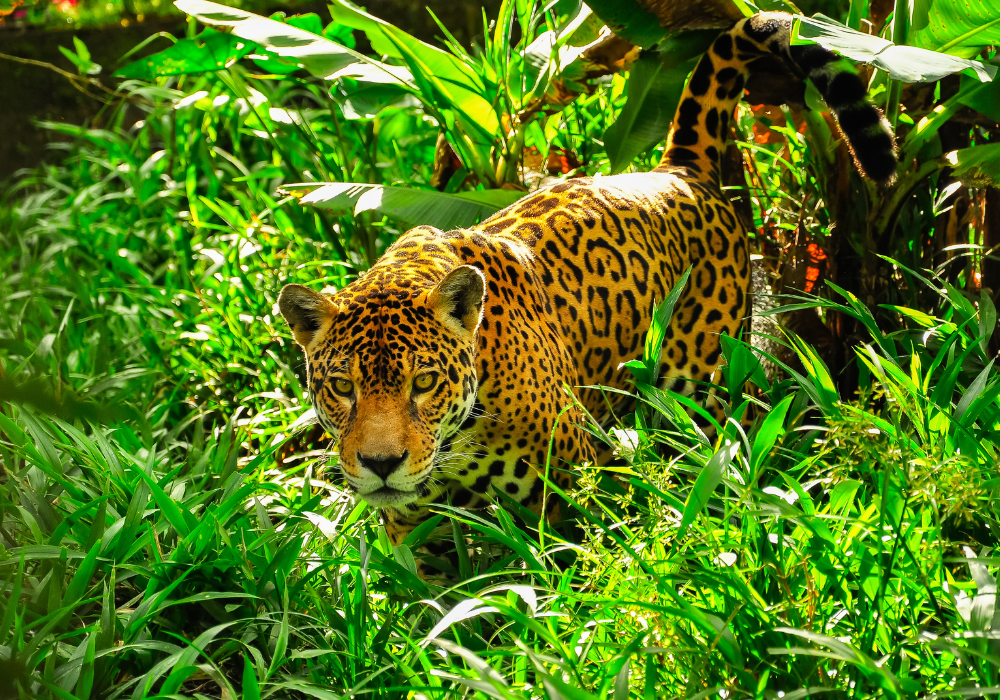
Jaguars Are Reclaiming Brazil’s Burned Wetlands—and It’s the Comeback No One Expected

©Image license via Canva

When Brazil’s wetlands went up in flames, most experts feared the jaguars had vanished with them. After all, how could a solitary, land-roaming predator survive one of the most catastrophic wildfire seasons the region has ever seen?

But against the odds—and to the surprise of ecologists—jaguars are coming back. Not just one or two, but entire populations are slowly reappearing in the fire-scorched landscapes they once ruled. Their return is more than just a wildlife story. It’s a symbol of both the fragility of our ecosystems and their fierce determination to heal. This unexpected comeback offers a rare glimpse into nature’s resilience—even after devastation.

But it also reveals the stakes: if we don’t protect what’s left, this miracle rebound could be short-lived. Here are 10 remarkable facts about the jaguars’ return that show why this moment matters more than most people realize.

Read more

Discover 10 Cosmic Mysteries That Could Change How We Think About Climate

The surprising links between space, the universe, and Earth’s climate—cosmic discoveries could rewrite what we know about climate change.

©Image license via Canva

The universe holds secrets far beyond Earth’s atmosphere—mysteries that challenge what we know about climate and our planet’s future. Recent cosmic discoveries reveal surprising connections between space phenomena and Earth’s climate system.

From interstellar particles influencing weather patterns to orbiting satellites revolutionizing climate science, these cosmic mysteries invite us to rethink global warming and its cosmic context. Let’s dive deeper into the astonishing space phenomena that might reshape our understanding of climate change and inspire new solutions.

Read more

12 Surprising Ways the Climate Crisis Is Making Chronic Pain Worse

Scientists are connecting the dots between a warming planet and the way millions experience pain.

©Image license via Canva

If your pain has gotten worse in recent years, the reason might be bigger than your body. Scientists are now seeing a startling connection between climate change and chronic pain. As the planet warms, weather becomes more extreme and unpredictable—and those shifts affect our joints, nerves, and inflammation in ways that are hard to ignore. It’s not just the elderly or vulnerable populations noticing it.

People with arthritis, fibromyalgia, migraines, or autoimmune disorders are reporting more flare-ups than ever. The planet is hurting, and so are millions of bodies. The link is real—and growing more intense by the year.

Read more

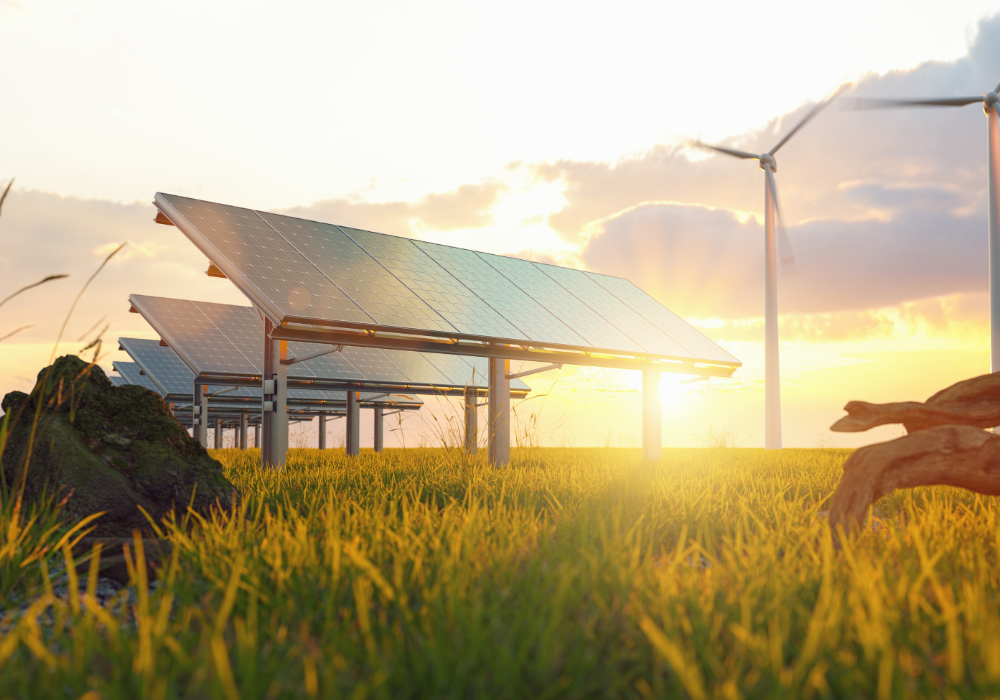
It’s Happening: 10 Irrefutable Signs Renewable Energy Is Taking Over America

See how solar, wind, and groundbreaking clean energy tech are fueling America’s unstoppable green energy surge.

©Image license via Canva

You don’t have to look far to see that America’s energy landscape is changing fast. Solar panels now line the rooftops of homes and businesses. Wind turbines tower over farmland where corn once stood alone. Across the country, clean energy is gaining serious traction—and it’s not just a trend. It’s creating well-paying jobs, cutting down pollution, and bringing new life to local economies.

More and more, fossil fuels are taking a back seat as solar, wind, and other innovative tech lead the way. What we’re seeing isn’t just a shift in power sources—it’s a full-blown transformation of how we live, work, and plan for the future. The green energy revolution isn’t some distant dream. It’s already here—and it’s redefining what American progress looks like.

Read more

Could Fewer People Actually Save the Earth?

As birth rates fall across the globe, experts are rethinking what it means for the planet’s survival.

©Image license via Canva

We’ve spent decades sounding the alarm about overpopulation—but what happens when the world starts going the other direction? Birth rates are plummeting in dozens of countries, and some nations are already seeing shrinking populations. It’s triggering economic panic, but there’s another side to the story that’s getting less attention: the climate.

With fewer people comes lower demand for energy, food, housing, and transportation. Less consumption could mean less carbon. It raises a wild question—could population decline be an unexpected ally in the fight against climate change? The answer isn’t simple, but it’s more intriguing than most people realize.

Read more