
What different fluid colors can reveal about hidden car problems before they get worse.
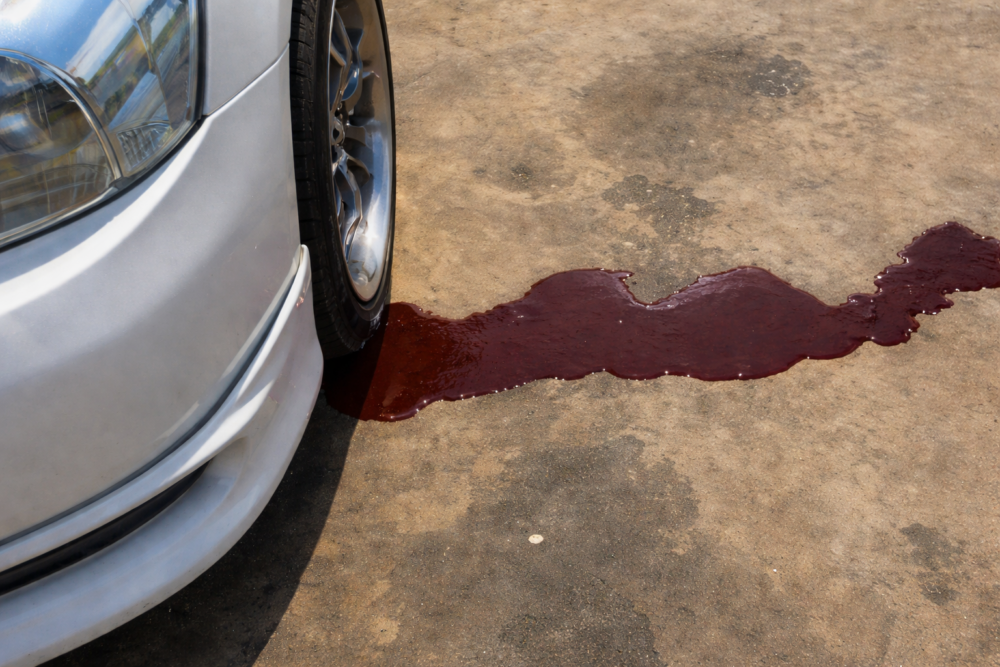
A puddle under your car is easy to dismiss, especially if the vehicle seems to run fine. Condensation from air conditioning systems is common, and rainwater can collect overnight without meaning anything at all.
But when that puddle has color, it’s often a warning sign. Different fluids play very specific roles in keeping a car running safely, and leaks rarely fix themselves.
Understanding what you’re seeing can help you decide when it’s safe to drive, when to schedule a repair, and when to stop using the car altogether.
1. Clear puddles are often harmless, but not always

Clear liquid under a car is usually water from the air conditioning system. This happens when moisture condenses and drains normally, especially in warm or humid weather.
However, if the puddle appears when the AC hasn’t been running, it’s worth paying attention. Clear fluid can occasionally be coolant or another leak diluted by water, which is why location and timing matter.
2. Green, orange, or pink often points to coolant
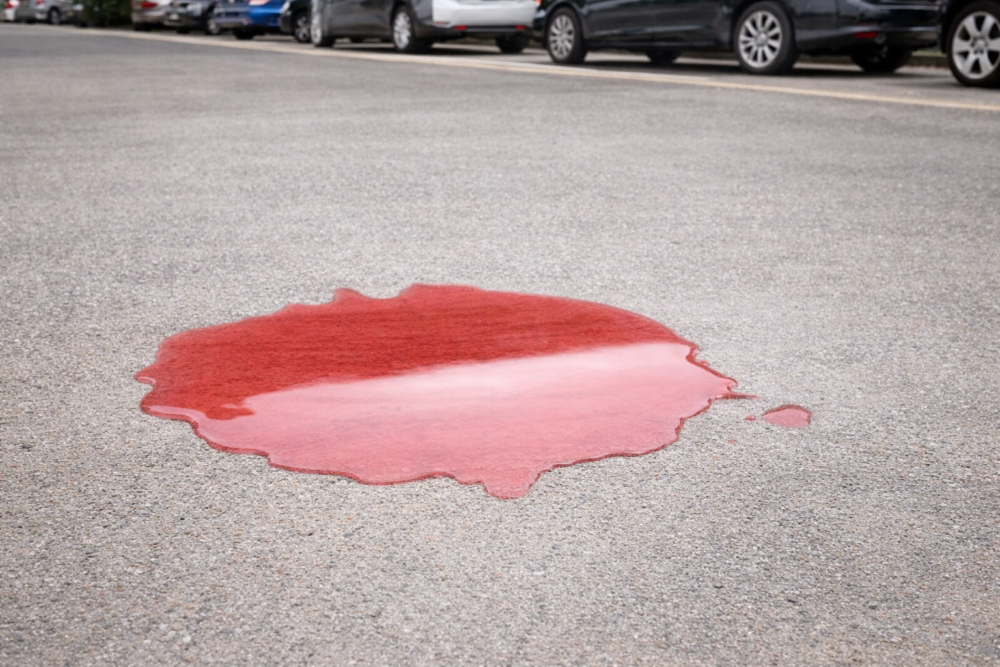
Coolant is commonly bright green, orange, pink, or blue, depending on the type. A puddle in these colors usually means the cooling system is leaking.
Driving with low coolant can cause the engine to overheat quickly. Even short trips can lead to serious engine damage, making this one of the most important leaks to address promptly.
3. Brown or black puddles usually mean engine oil

Dark brown or black fluid is typically engine oil. Oil leaks can come from worn gaskets, loose drain plugs, or aging seals.
Low oil levels reduce lubrication, increasing friction and heat inside the engine. Ignoring an oil leak can lead to costly repairs or complete engine failure over time.
4. Red or dark pink fluid often signals transmission trouble
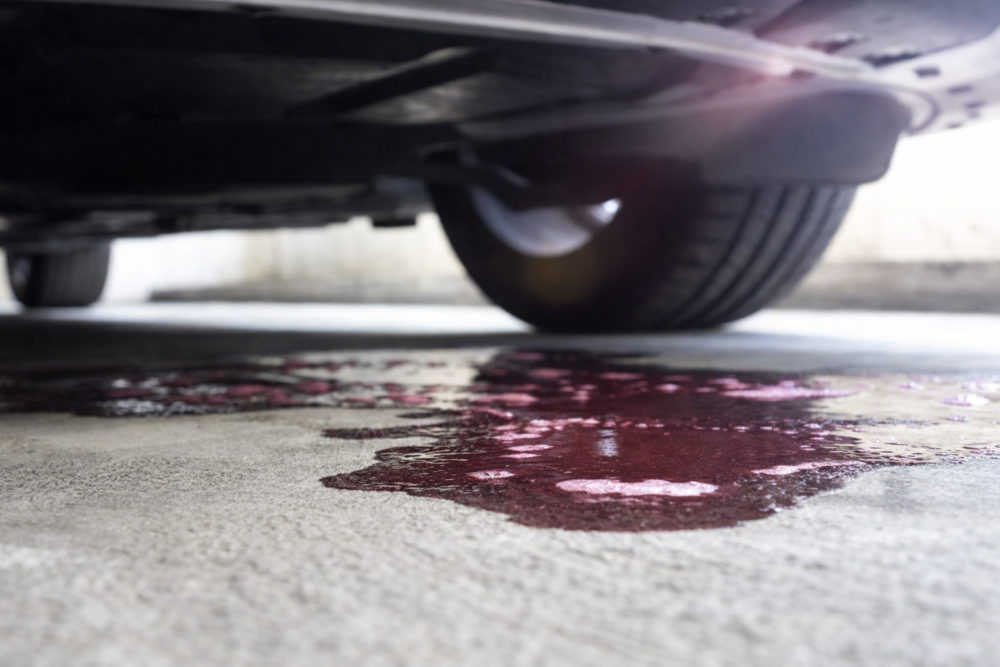
Transmission fluid is usually red or dark pink when fresh and turns darker as it ages. A leak here is more serious than many drivers realize.
Transmission repairs are expensive, and fluid loss can cause slipping, rough shifting, or sudden breakdowns. If you see red fluid under your car, it’s best to avoid driving until it’s checked.
5. Yellow or amber fluid may indicate brake issues
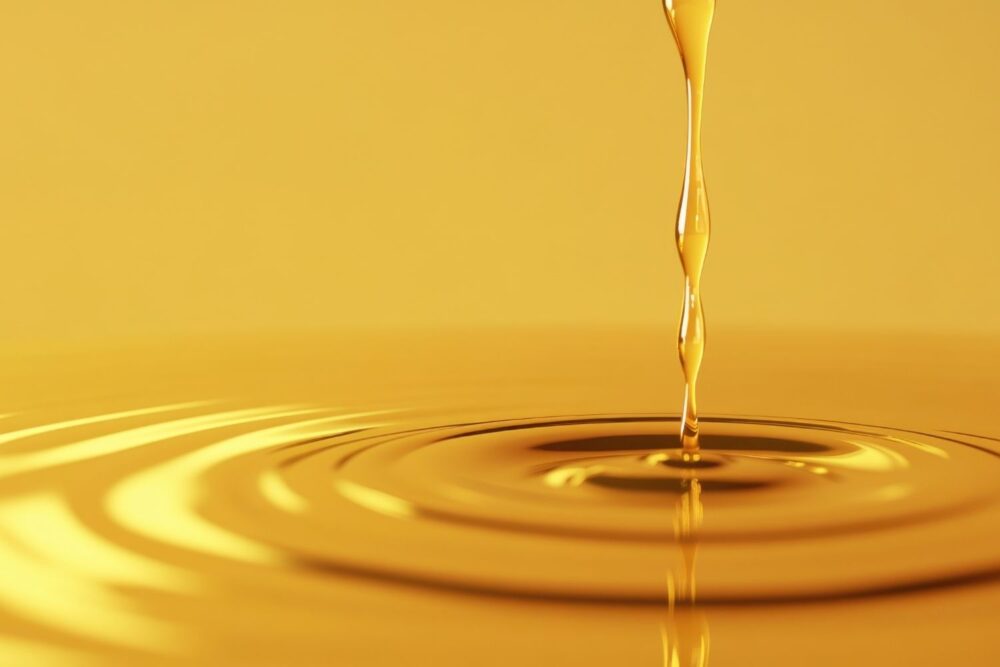
Brake fluid often appears yellowish or amber and feels slippery to the touch. A brake fluid leak can affect braking performance without much warning.
Because brakes are a critical safety system, this type of leak should never be ignored. Even a small loss of brake fluid can increase stopping distances or cause brake failure.
6. Power steering fluid can vary in color
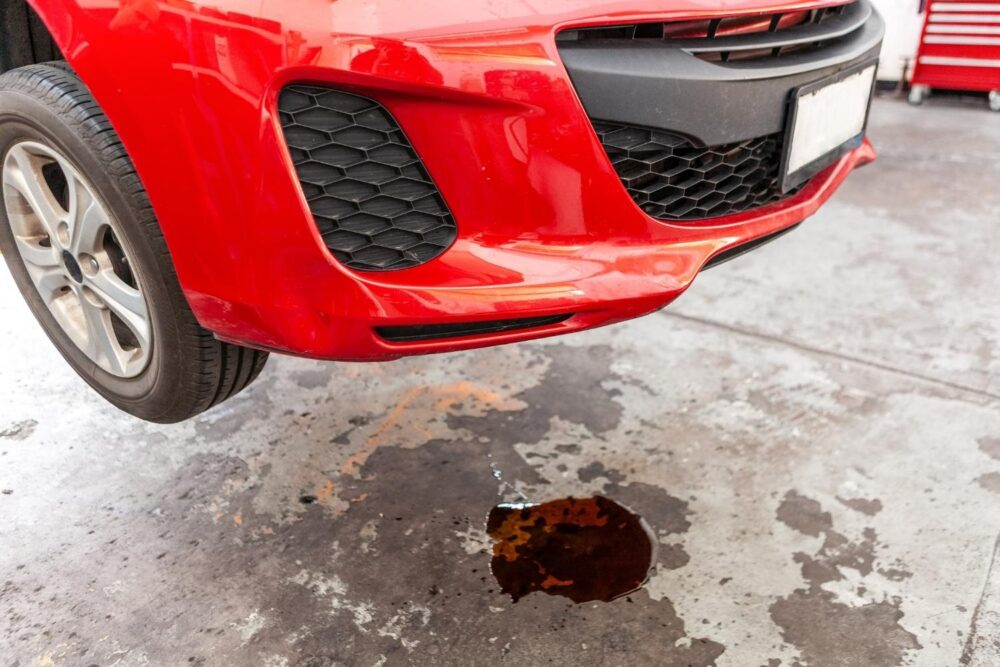
Power steering fluid may appear red, brown, or amber depending on the vehicle and fluid type. Leaks can make steering feel stiff or noisy.
While power steering leaks are not always immediately dangerous, they can make the car harder to control, especially at low speeds or during turns.
7. The location of the puddle offers clues

Where the puddle appears under the car can help narrow down the source. Fluid near the front often points to engine-related systems, while leaks toward the middle or rear may involve transmission or drivetrain components.
Noting the puddle’s position can help mechanics diagnose the problem faster and reduce inspection time.
8. Smell and texture matter too
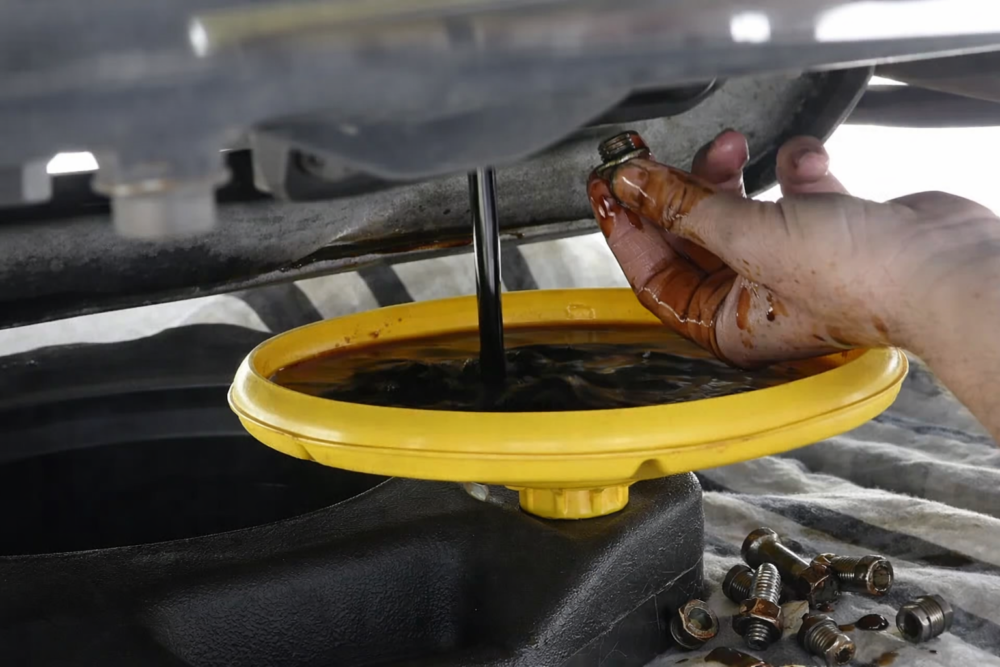
Different fluids have distinct smells and textures. Coolant often smells sweet, oil feels slick, and brake fluid feels slippery but thin.
While you shouldn’t touch fluids directly, observing smell or consistency from a distance can provide useful clues when explaining the issue to a professional.
9. Small leaks often grow quickly

What starts as a few drops can turn into a major problem faster than expected. Heat, pressure, and vibration can worsen leaks over time.
Catching a leak early usually means simpler and cheaper repairs. Waiting often turns a manageable issue into a costly one.
10. When to stop driving and get help

If the puddle is colored, growing, or accompanied by warning lights, unusual noises, or changes in performance, it’s safer to stop driving.
Getting the issue checked early protects both your vehicle and your safety. A colored puddle is one of the clearest signs a car gives that it needs attention now, not later.