
Several commercial missions are preparing lunar landings that could reshape how exploration happens next.

If the Moon feels suddenly busy, it’s because 2026 is shaping up to be one of the most active years ever for private lunar landings. Multiple commercial spacecraft are preparing to attempt touchdowns, marking a shift away from an era when only national space agencies could realistically reach the lunar surface.
These missions are largely tied to NASA’s Commercial Lunar Payload Services program, which pays private companies to deliver science instruments and technology to the Moon. The model is faster and cheaper than traditional missions, but it also accepts more risk.
Together, these attempts reflect a new phase of lunar exploration. This gallery breaks down which companies are involved, what they’re sending, and why 2026 could be a turning point for how the Moon is explored.
1. The Moon is no longer a government-only destination
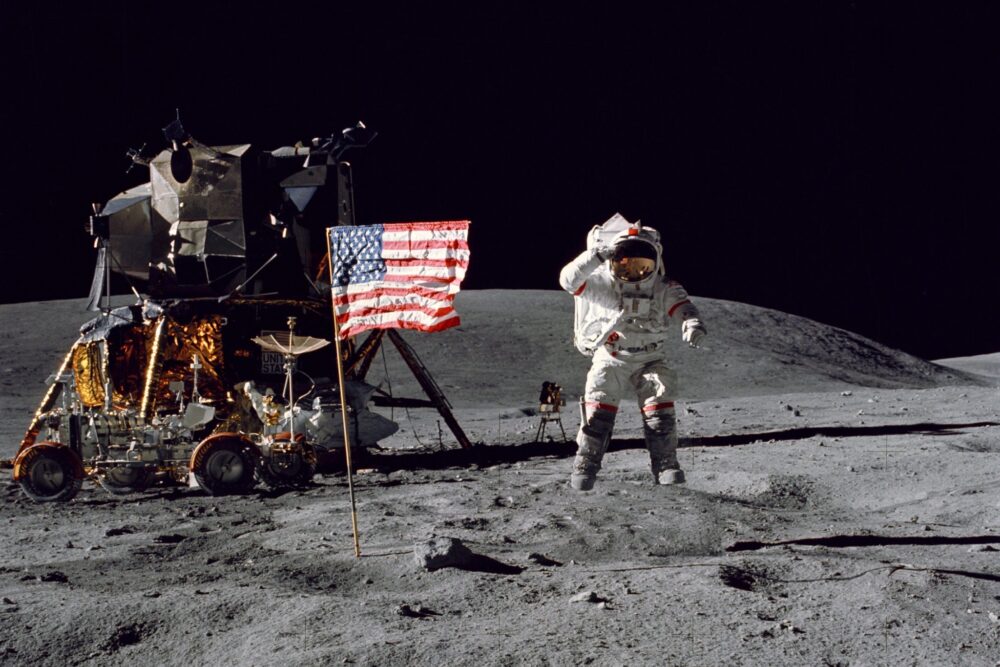
For most of history, lunar landings required massive government budgets and decades-long development cycles. That model is now changing as private companies take on responsibilities once handled only by national space agencies.
Commercial landers are being trusted with real science, technology testing, and surface operations. The Moon is becoming a shared destination shaped by partnerships rather than single-nation missions.
2. NASA is outsourcing lunar delivery through CLPS
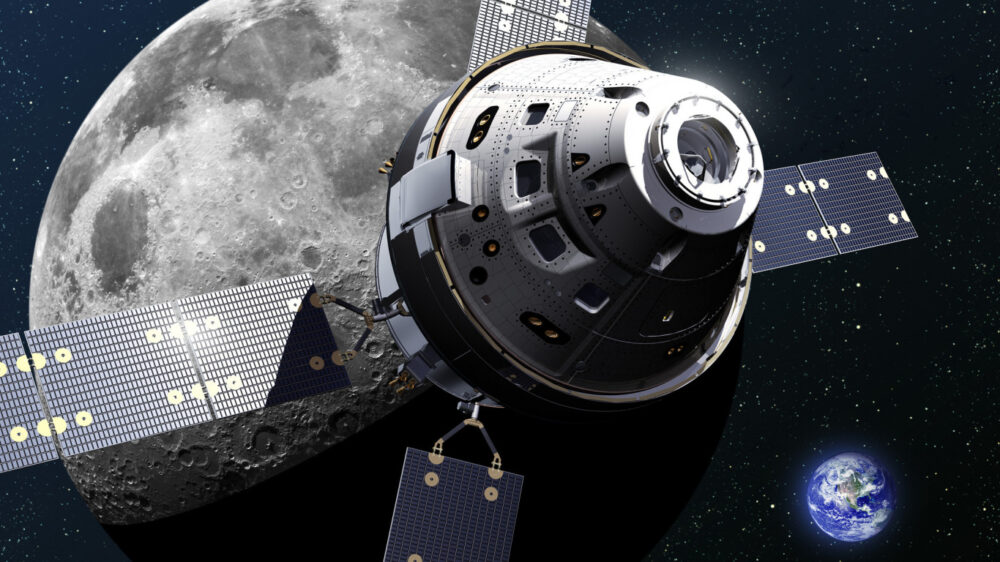
NASA’s Commercial Lunar Payload Services program pays companies to transport instruments to the Moon instead of building landers itself. The agency selects payloads and destinations, while companies handle spacecraft design and landing.
This approach lowers costs and increases flight opportunities. It also means NASA accepts higher risk, knowing some missions may fail but overall progress will be faster.
3. Intuitive Machines is planning additional lunar landers
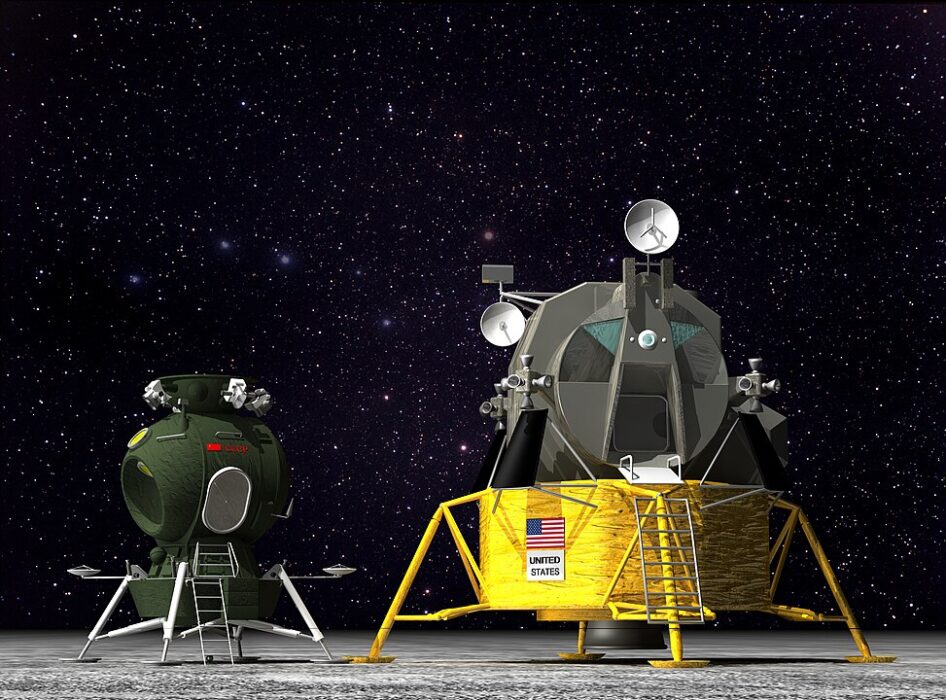
Houston-based Intuitive Machines is preparing follow-up lunar missions after its earlier attempts, using its Nova-C class lander. The company is under contract to deliver multiple NASA payloads to the lunar surface.
Its 2026 mission aims to refine landing precision and surface operations. Each attempt builds on previous data, helping the company improve navigation and descent systems.
4. Firefly Aerospace is preparing more Blue Ghost missions
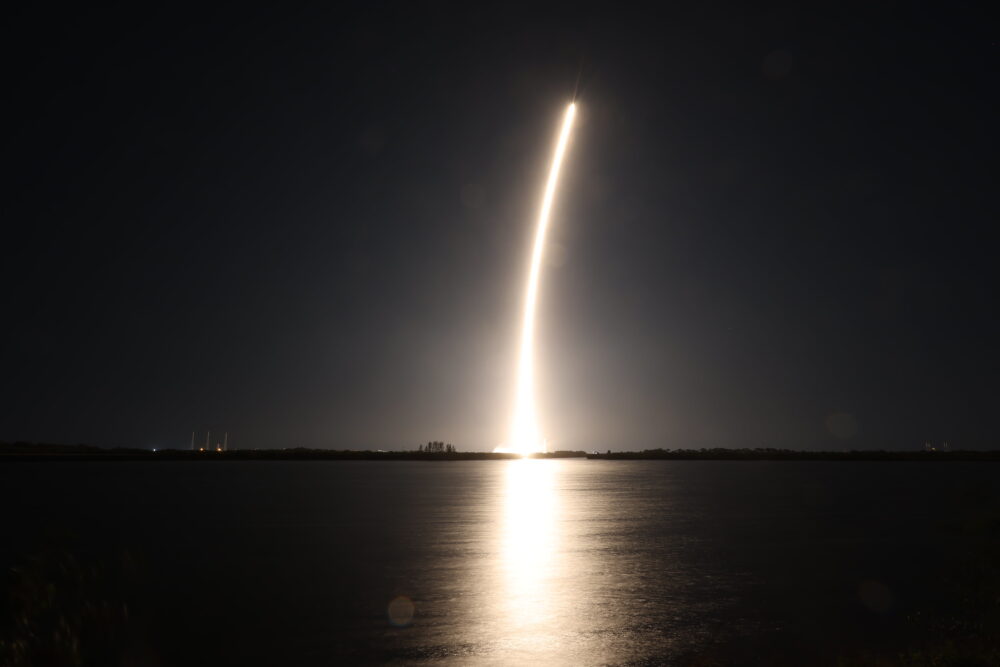
Firefly Aerospace’s Blue Ghost lander is designed to carry NASA science instruments to specific lunar regions. After earlier progress, the company is planning additional landings that could occur in 2026.
These missions focus on surface measurements like temperature, radiation, and regolith properties. Firefly’s goal is to prove repeatable, reliable lunar delivery rather than a one-time success.
5. Astrobotic and ispace are returning after setbacks
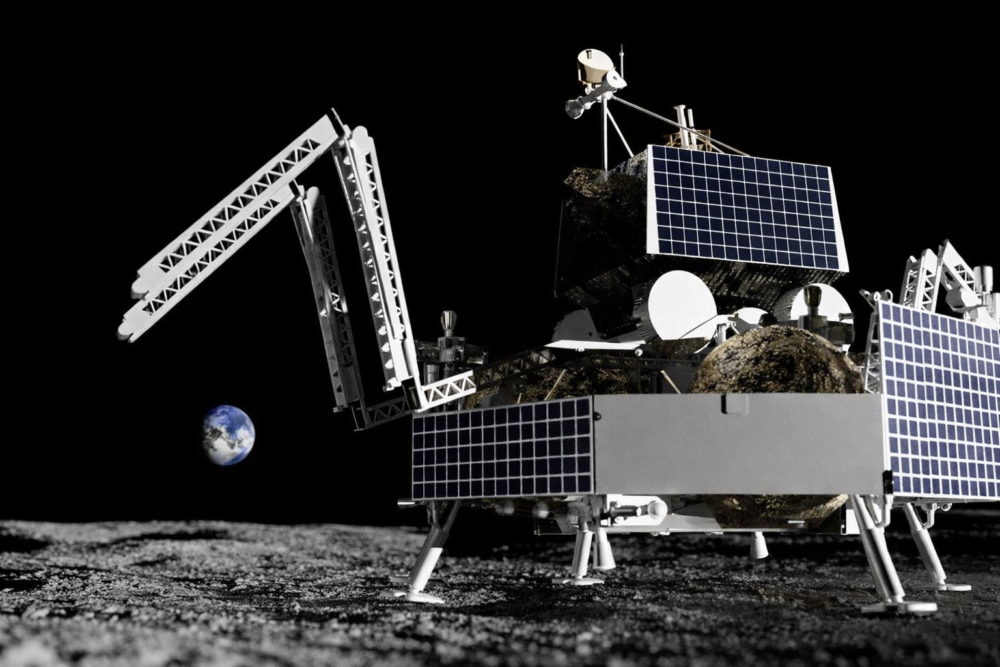
Astrobotic Technology continues work on its Peregrine and Griffin landers after earlier mission challenges. The company remains a key CLPS partner with plans to resume lunar delivery efforts.
Japan-based ispace is also preparing renewed landing attempts following previous failures. Its 2026 mission reflects how private lunar exploration advances through iteration rather than perfection.
6. Why 2026 could be a turning point for commercial lunar landings
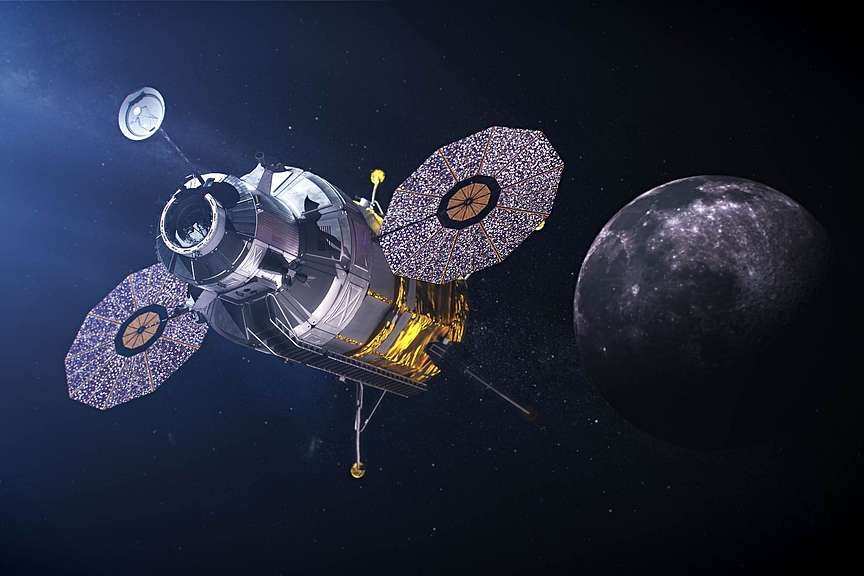
What makes 2026 different isn’t a single mission, but the number of companies attempting landings in the same year. Multiple private spacecraft, built by different teams, will test whether commercial delivery can work consistently.
If even some of these landers succeed, it would show that lunar access doesn’t depend on one-off achievements. It would mean regular attempts, faster learning cycles, and growing confidence in private systems.
The year matters because progress compounds. Each landing attempt adds data that improves the next one, gradually turning the Moon into a reachable destination rather than a rare milestone.
7. These landers are carrying real science to the surface
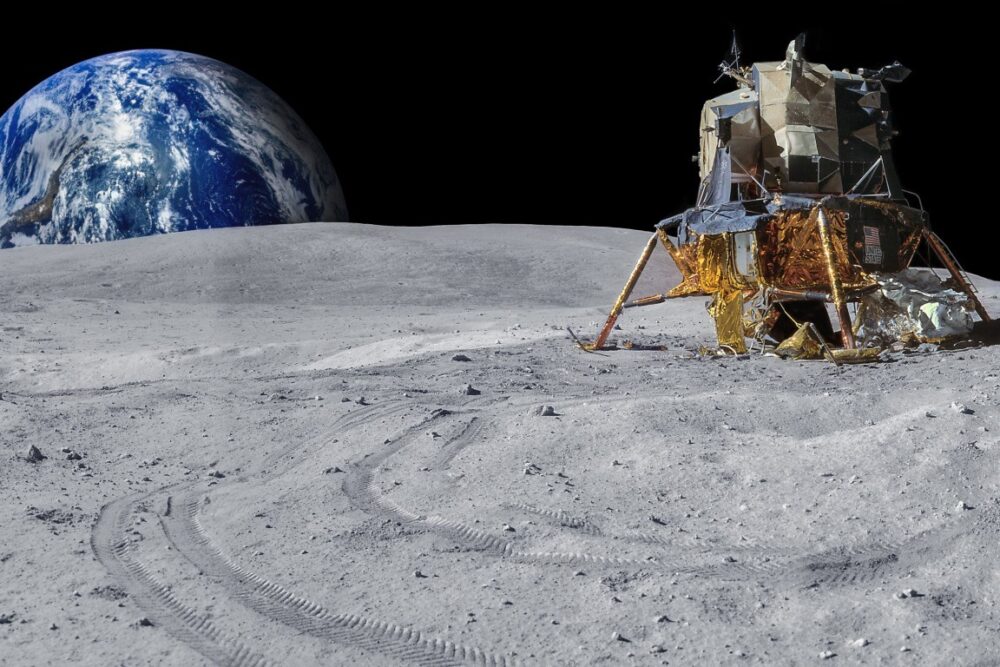
Many 2026 missions include NASA instruments designed to study lunar soil, dust, radiation, and surface temperatures. Some payloads also test navigation, drilling, and communication technologies.
Rather than one massive science mission, data will arrive in pieces. Over time, these smaller deliveries build a clearer picture of the Moon’s environment.
8. Launch providers like SpaceX make these missions possible
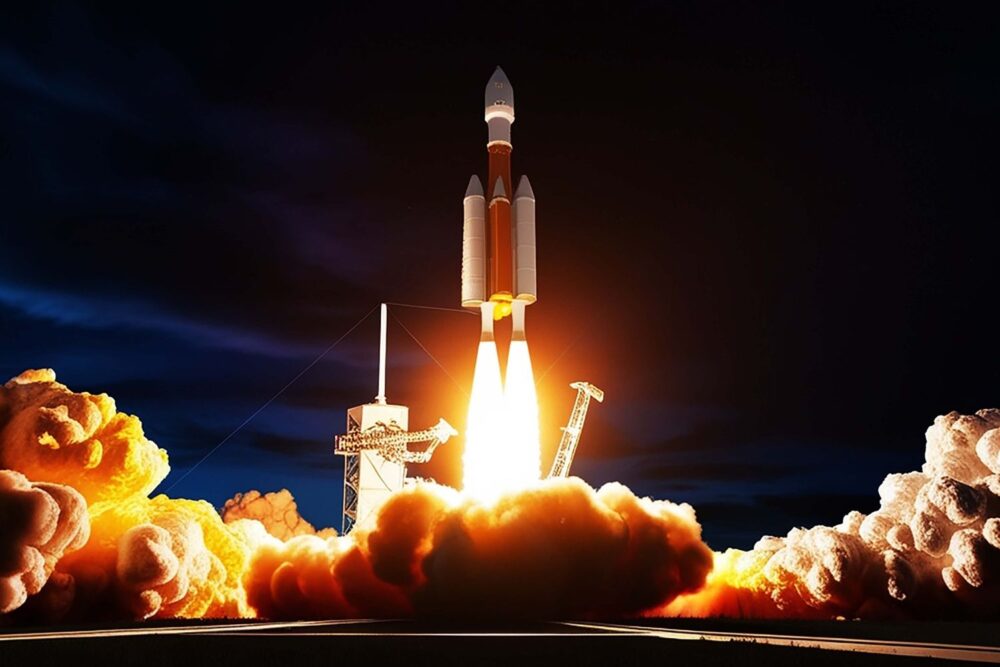
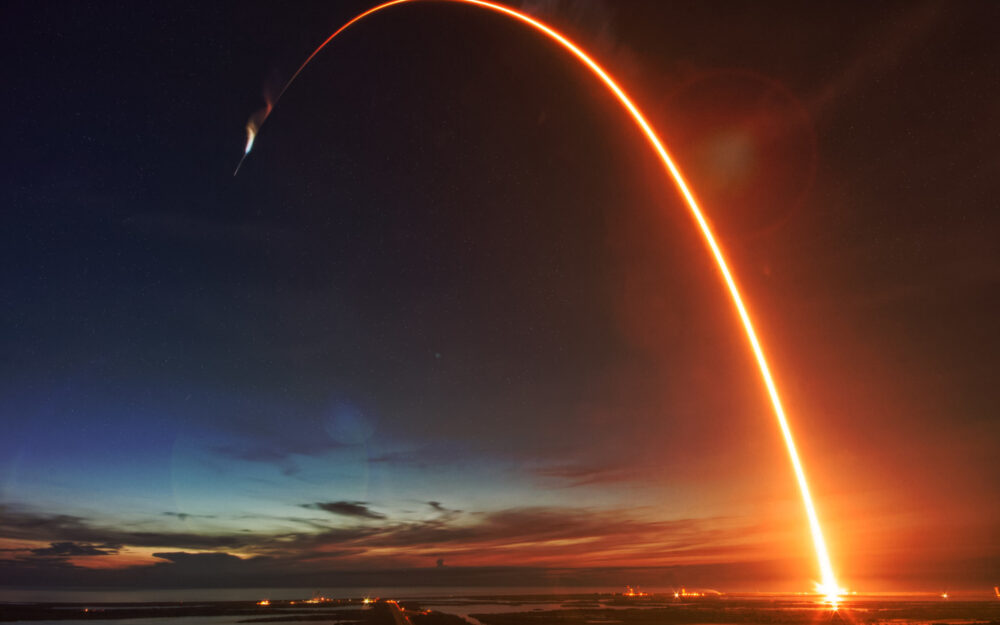
While not landing spacecraft itself, SpaceX plays a critical role by launching many of these private landers. Its rockets provide relatively affordable and frequent access to lunar transfer orbits.
This launch availability is one reason private lunar missions have accelerated. Without it, many of these companies would struggle to get off the ground.
9. International companies are part of the lunar push
Private lunar exploration isn’t limited to the United States. Companies like ispace highlight how international players are contributing landers, technology, and experience.
The Moon is becoming a global testing ground, shaped by collaboration and competition across borders rather than national rivalry alone.
10. What success would mean beyond the Moon
If private landers prove they can deliver reliably, the same model could be applied elsewhere. Mars missions, asteroid exploration, and deep-space infrastructure could follow similar commercial paths.
For now, 2026 represents a test year. Its outcome will help determine whether private spacecraft become a permanent part of how humanity explores space.