Officials Issue Urgent Warnings for Almost the Entire West Coast

Hazard warnings now stretch from Southern California to Washington State as officials cite dangerous coastal conditions.
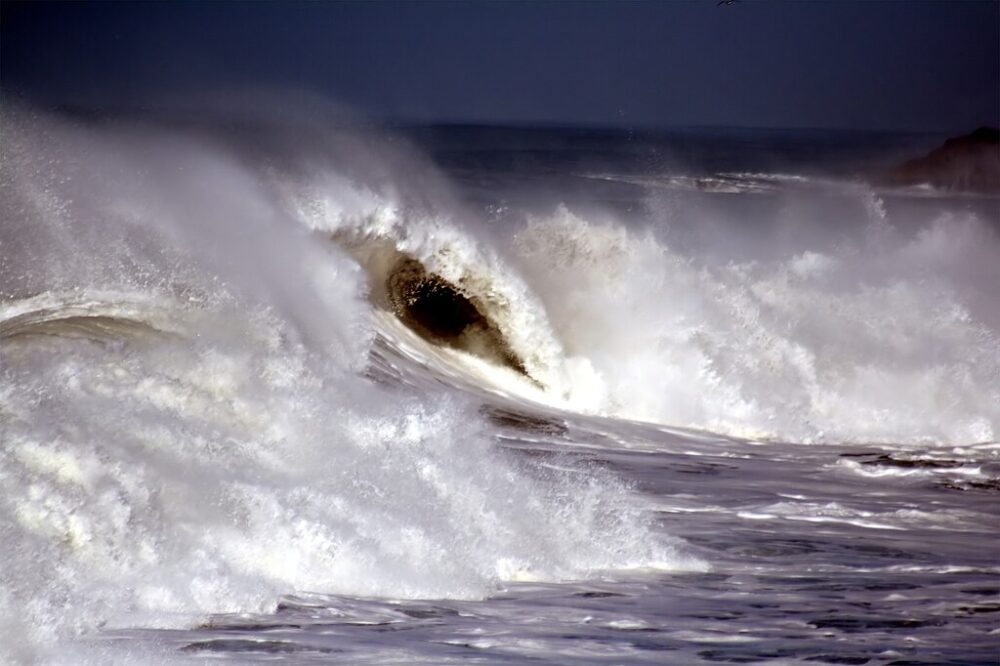
©Image license via Wikipedia Commons

Authorities have issued widespread warnings covering nearly the entire U.S. West Coast as powerful ocean swells, high surf, and hazardous marine conditions develop along the Pacific. The National Weather Service reports that the alerts extend from San Diego to the Washington coastline, with waves reaching 25 feet in some areas. Officials are urging residents and visitors to avoid beaches, jetties, and coastal roads through the weekend as forecasters monitor the potential for flooding and strong rip currents.

Read more

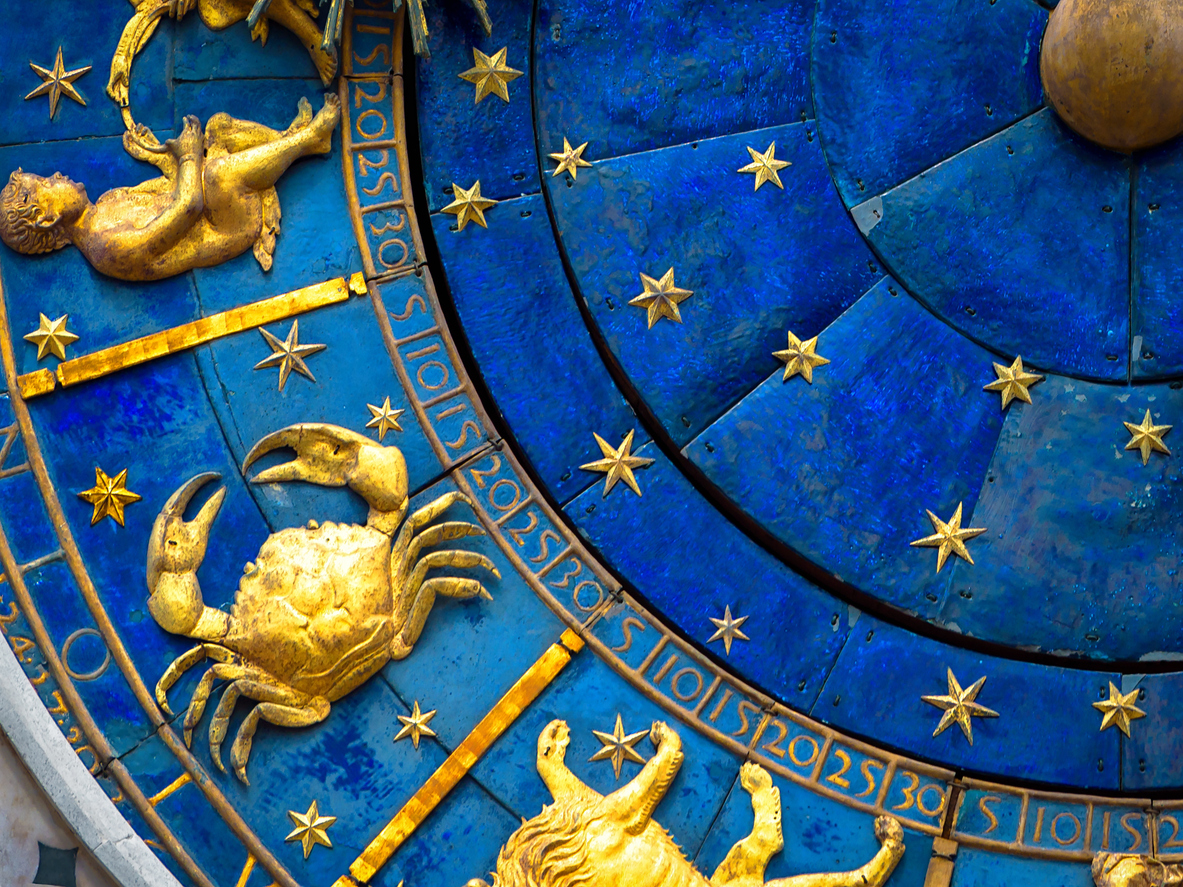
Why So Many Still Look to the Stars When Life Feels Out of Control

In uncertain times, astrology offers comfort, meaning, and a sense of control that science alone can’t always provide.

©Image license via iStock

Astrology has maintained its popularity because it offers people a way to find meaning and structure in an often unpredictable world. While not grounded in scientific fact, it serves as a symbolic framework that helps individuals make sense of their personalities and experiences. This enduring appeal reflects a deeper psychological need to feel connected to something larger, providing reassurance and a form of cosmic control amid daily uncertainties.

Read more

The Real Cost of What We Buy—And Why Ethical Shopping Matters More Than Ever

As global crises grow, consumers are realizing that every purchase carries the power to drive real change.

©Image license via Canva

Ethical consumerism—choosing products made with care for people and planet—shapes the world more than many realize. By prioritizing fair wages, sustainable materials, and transparent supply chains, buyers support social responsibility and environmental protection. These choices not only improve worker livelihoods and reduce harm but also encourage companies to adopt better practices. Understanding the importance of ethical consumerism helps consumers harness their influence for lasting, meaningful impact on industries and communities alike.

Read more

Scientists Warn the Amazon Could Turn Into a Dry, Open Savanna by 2070

New research warns the Amazon is nearing an irreversible tipping point as deforestation and climate change push it toward collapse.

©Image license via Canva

Scientists say the Amazon Rainforest—the planet’s largest and most vital ecosystem—may be closer to collapse than previously thought. New climate models show that continued deforestation, rising temperatures, and declining rainfall could push vast regions of the forest past a critical tipping point by 2070. Once that threshold is crossed, much of the lush rainforest could transform into dry grassland or savanna, threatening millions of species, disrupting rainfall patterns, and accelerating global climate change.

Read more

Two Fault Lines Are Moving Together—Here’s Why Scientists Are Worried

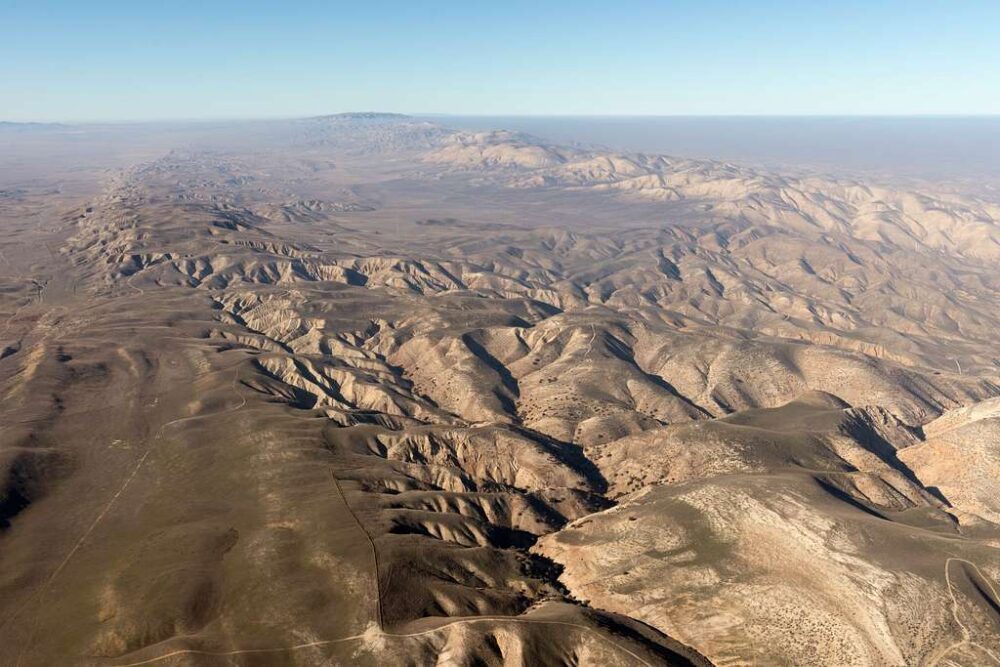
New research shows the San Andreas Fault and Cascadia Subduction Zone may be connected—raising earthquake risks along the U.S. West Coast.

©Image license via Picryl

Scientists have uncovered compelling geological evidence that two of North America’s major fault lines—the San Andreas Fault in California and the Cascadia Subduction Zone off the Pacific Northwest—may sometimes move in tandem. Sediment cores from offshore off northern California show “doublets” of underwater landslides caused by seismic shaking in both fault systems within minutes to hours of each other. Although this doesn’t mean an earthquake is imminent, researchers say the link could amplify risks for millions living along the coast.

Read more

Space Debris Is Crashing Back to Earth More Often — And the Rules Haven’t Caught Up

As satellites and rocket parts fall from orbit with growing frequency, experts warn that global laws are decades behind the danger.

©Image license via Canva

Around the world, pieces of space junk—from defunct satellites to spent rocket stages—are crashing back to Earth more often than ever. While most burn up harmlessly, some survive reentry, landing dangerously close to populated areas. Scientists and legal experts warn that as space launches multiply, the odds of serious accidents are climbing—but international regulations remain outdated and unclear. With no consistent rules on who’s responsible for falling debris, the next major “crash from space” may spark a global reckoning.

Read more

How New Brain Implants Could Help Alzheimer’s Patients Regain Lost Memories

New brain implant research is showing how electrical stimulation and AI can help restore memory function in Alzheimer’s patients.

©Image license via Jacobs School of Engineering, UC San Diego

Scientists are developing brain implants designed to mimic the way healthy neurons store and retrieve memories—a breakthrough that could help Alzheimer’s patients regain what the disease has taken. Using advanced electrical stimulation and artificial intelligence, the implants record neural activity linked to memory formation and replay it when needed. Early studies have already shown improved recall in patients with memory loss, suggesting that technology may soon play a key role in reversing cognitive decline.

Read more

The Great Pacific Garbage Patch Is No Longer Just Trash—It’s Alive

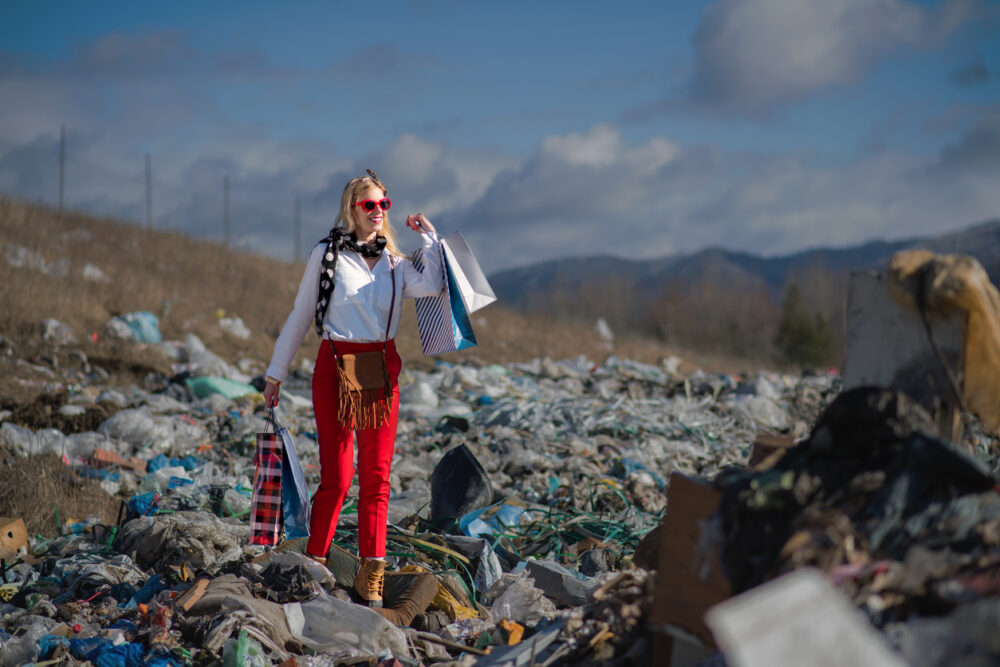
Marine biologists say plastic debris in the Pacific has become home to thriving colonies of coastal species, forming a new—and uncontrollable—ocean ecosystem.

©Image license via Chat GPT

What began as a swirling mass of floating trash in the Pacific Ocean has evolved into something entirely unexpected: a living ecosystem. Recent studies show that the Great Pacific Garbage Patch, now spanning more than 600,000 square miles, is hosting thriving communities of coastal organisms clinging to drifting plastic. Scientists warn this “neopelagic” ecosystem—where land-based species survive far from shore—could disrupt natural ocean food webs, spread invasive life forms, and permanently alter marine environments worldwide.

Read more

If an Asteroid Strikes Earth, These Impact Zones Would Take the First Hit

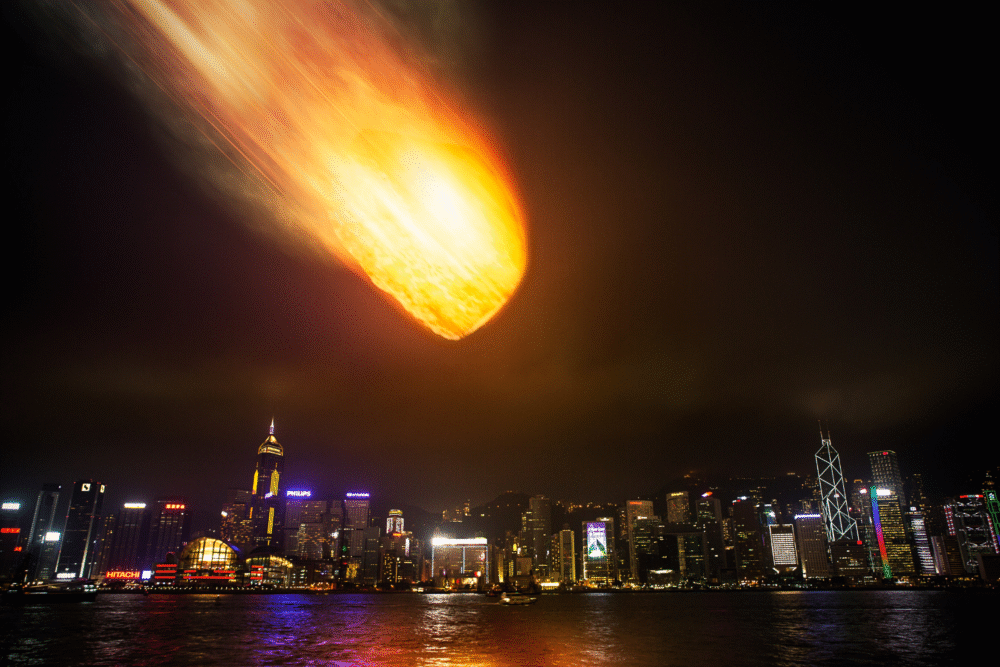
New simulations reveal the regions most vulnerable to an asteroid strike—and how shockwaves could ripple across the planet.

©Image license via Canva

Scientists are using advanced simulations and global mapping data to determine which regions would take the first hit if a large asteroid struck Earth. Although the odds of a catastrophic impact are extremely low, experts say preparation is essential. Using models that factor in speed, size, and entry angle, researchers can estimate where an asteroid would most likely land—and how shockwaves, tsunamis, and debris fallout would spread. The findings reveal how geography and ocean depth could shape global consequences.

Read more

The Planet Would Heal Faster If These 10 Products Ceased to Exist

Experts warn these everyday products are among the biggest obstacles to the planet’s recovery.

©Image license via Canva

Many of the products we use every day come with hidden environmental costs that extend far beyond the checkout line. From plastics that never decompose to fossil-fuel-based materials that trap heat in the atmosphere, some common goods are doing lasting damage to the planet. Environmental researchers say removing just a handful of these items could dramatically speed Earth’s recovery. Here’s a look at ten products scientists agree the planet would be better off without.

Read more