
Experts warn these everyday products are among the biggest obstacles to the planet’s recovery.
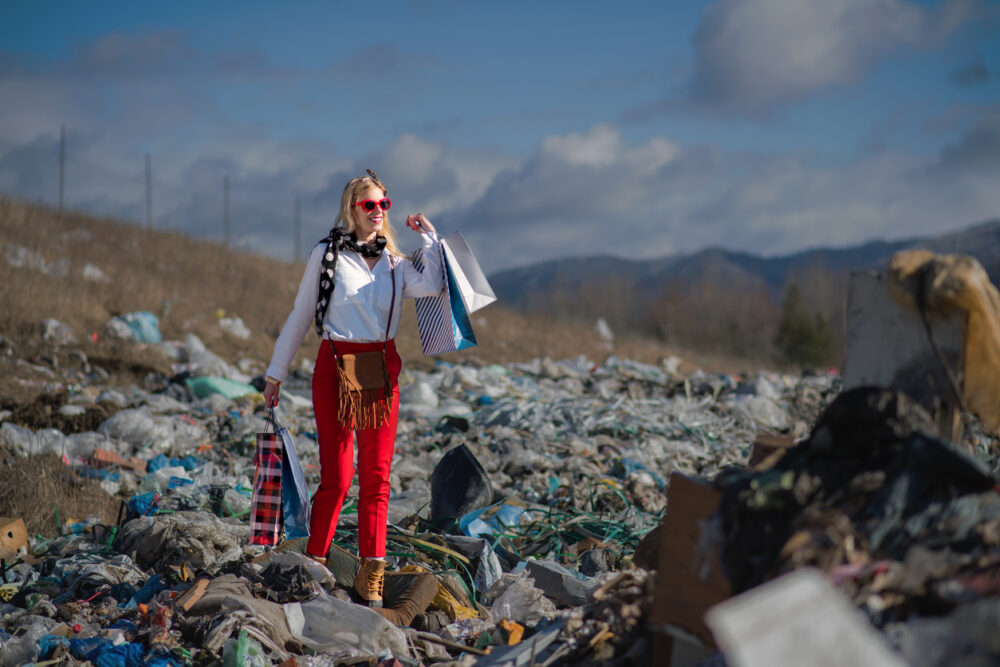
Many of the products we use every day come with hidden environmental costs that extend far beyond the checkout line. From plastics that never decompose to fossil-fuel-based materials that trap heat in the atmosphere, some common goods are doing lasting damage to the planet. Environmental researchers say removing just a handful of these items could dramatically speed Earth’s recovery. Here’s a look at ten products scientists agree the planet would be better off without.
1. Single-Use Plastics That Never Go Away
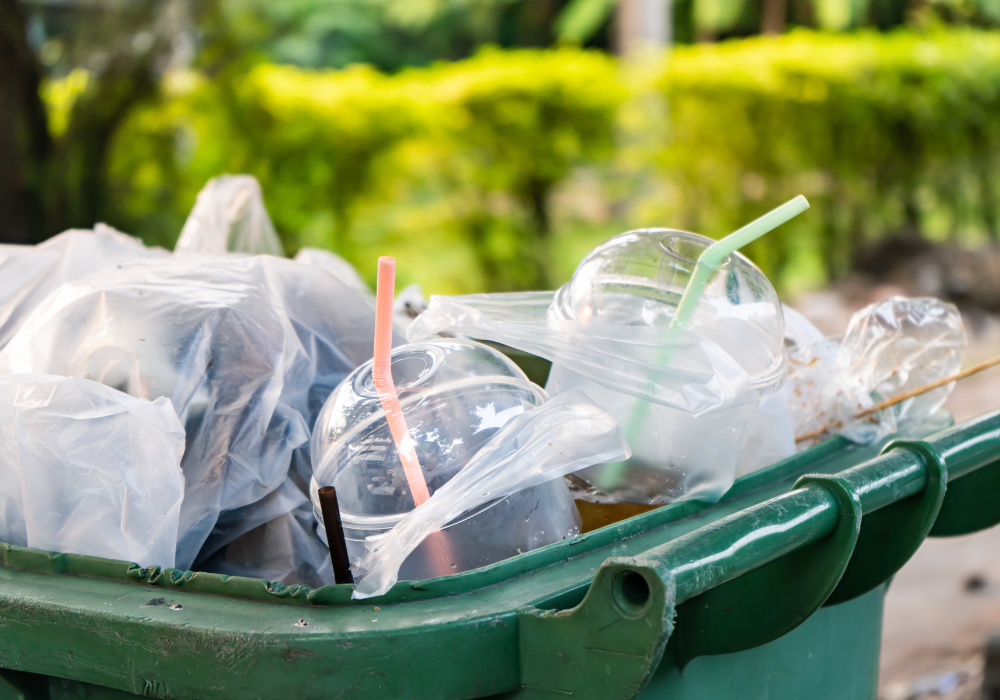
Plastic bottles, straws, and packaging remain among the planet’s most persistent pollutants. Scientists estimate that more than 8 billion tons of plastic have been produced since the 1950s, and less than 10 percent has been recycled. The rest lingers for centuries, breaking down into microplastics that contaminate oceans, soil, and even human bloodstreams.
Replacing disposable plastics with reusable materials and biodegradable alternatives could drastically cut waste and carbon emissions. Bans and innovations are growing, but global consumption continues to rise at alarming rates.
2. Fast Fashion Fueled by Synthetic Fibers

The fashion industry generates an estimated 10 percent of global carbon emissions, largely due to fast fashion’s rapid turnover and synthetic fabrics like polyester. These materials are derived from fossil fuels and shed microfibers that pollute waterways every time clothes are washed.
Experts say slowing production, recycling textiles, and choosing natural fibers like organic cotton and hemp could help. But until consumer demand shifts, the environmental cost of cheap, disposable clothing will keep climbing.
3. Fossil Fuel-Based Energy Products

Coal, oil, and gas remain the backbone of global energy, but their extraction and burning release billions of tons of carbon dioxide each year. Fossil fuels drive both climate change and air pollution, causing millions of premature deaths annually.
Transitioning to renewable energy—solar, wind, and hydro—could significantly reduce warming and improve air quality. Scientists say ending dependence on fossil fuel products is the single most effective way to accelerate planetary recovery.
4. Pesticides That Poison More Than Pests
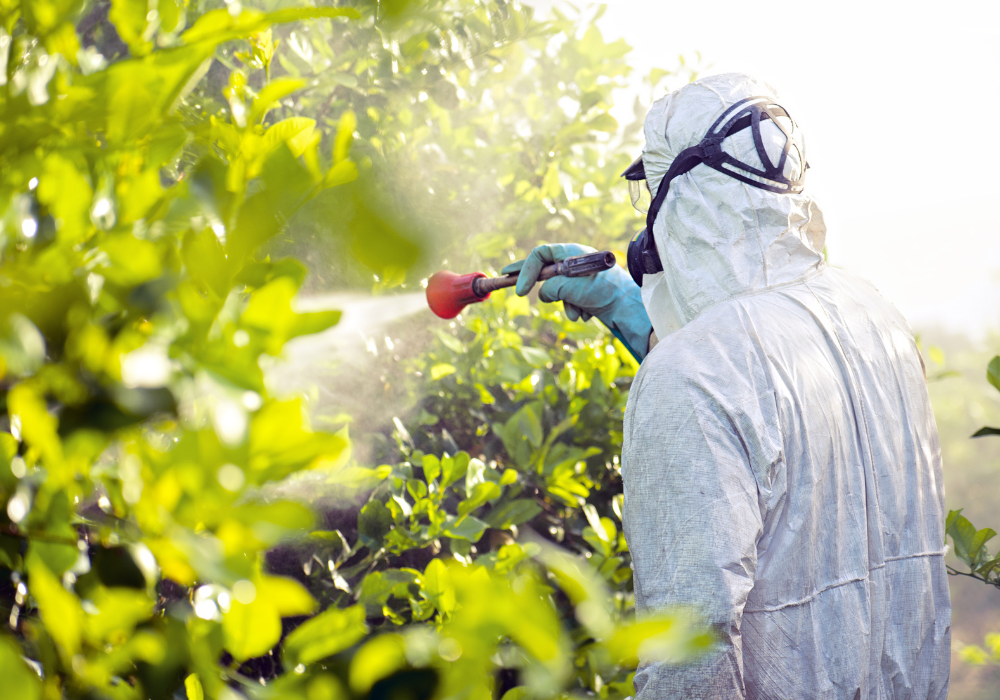
Many modern pesticides harm ecosystems far beyond their intended targets. Chemicals like neonicotinoids and glyphosate are linked to declines in bees, butterflies, and other pollinators essential for food production. Runoff contaminates rivers and soils, threatening aquatic life and human health.
Sustainable farming practices, including integrated pest management and organic alternatives, can maintain crop yields without long-term ecological damage. Reducing chemical dependence is key to restoring biodiversity and safeguarding food security.
5. Nonstick Cookware Coated in “Forever Chemicals”

Popular nonstick pans often contain PFAS—per- and polyfluoroalkyl substances—nicknamed “forever chemicals” because they never break down in nature. These compounds have been found in drinking water, wildlife, and human blood, linked to cancers and immune disorders.
Environmental agencies are now pushing to phase out PFAS products and develop safer coatings. Choosing stainless steel or cast iron alternatives can help reduce exposure and limit contamination of waterways and ecosystems.
6. Disposable Diapers That Outlast Generations

Each year, billions of disposable diapers are discarded, creating one of the largest sources of household waste. Most contain plastics and gels that take hundreds of years to decompose, filling landfills and releasing methane as they break down.
Cloth diapers and biodegradable versions offer more sustainable choices, but they require infrastructure for washing or composting. Researchers say improving waste management and consumer awareness is essential to lessen this hidden environmental burden.
7. Palm Oil Found in Countless Consumer Goods
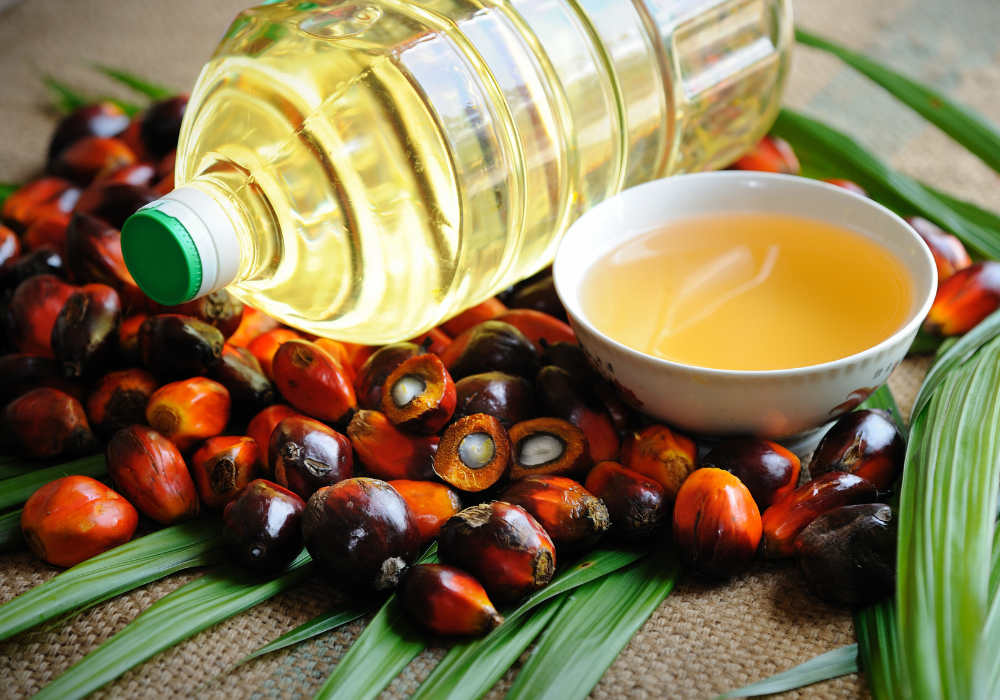
Palm oil production has devastated tropical rainforests in Indonesia, Malaysia, and parts of Africa, destroying habitats for orangutans, tigers, and countless other species. The industry drives deforestation and emits large amounts of carbon stored in peatlands.
Sustainable palm oil certification exists, but enforcement is inconsistent. Experts urge reducing demand by choosing products labeled deforestation-free and encouraging stricter global standards to protect biodiversity and indigenous communities.
8. Bottled Water in a Plastic World

Global sales of bottled water now exceed $300 billion annually, even in regions with safe tap water. The industry consumes millions of barrels of oil each year to produce bottles and ship them worldwide. Most are used once and discarded.
Scientists say switching to refillable containers and improving access to clean municipal water could cut waste and energy use dramatically. Despite awareness campaigns, plastic bottle consumption continues to rise faster than recycling efforts can keep up.
9. Electronic Waste from Short-Lived Devices

Smartphones, tablets, and other electronics are replaced at record speed, generating nearly 60 million tons of e-waste every year. These devices contain valuable metals like gold and copper, but also toxic elements such as lead and mercury.
Only a small fraction is properly recycled, leaving the rest to pollute soil and water. Expanding repair programs and designing longer-lasting products could prevent this mounting crisis while conserving critical resources.
10. Industrial Meat and Dairy Products
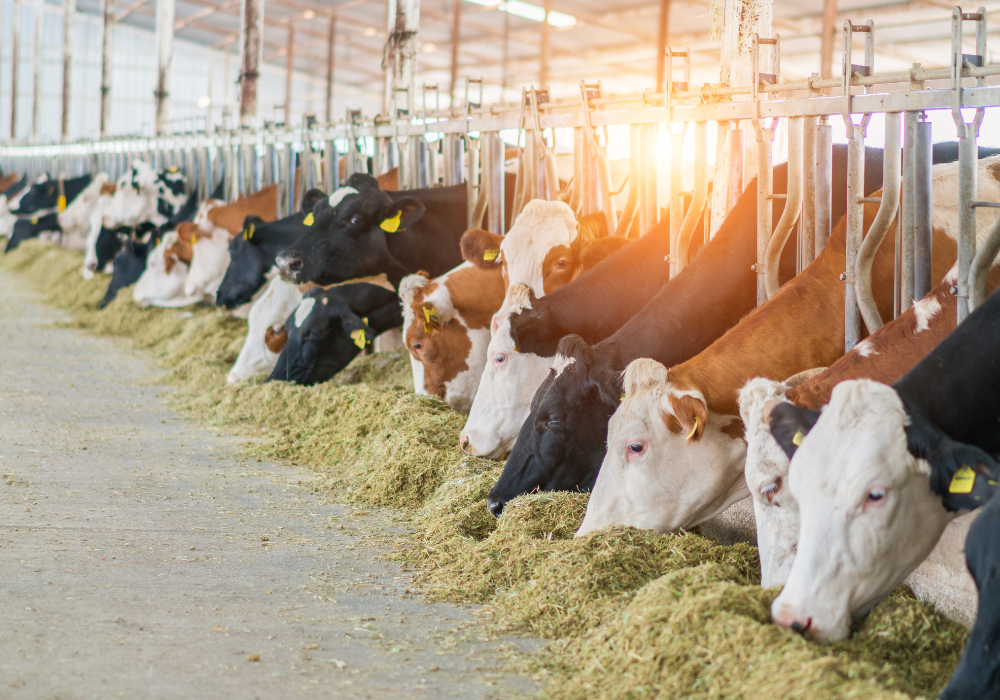
The livestock industry is responsible for roughly 14 percent of global greenhouse gas emissions—more than all cars, trains, and planes combined. It also drives deforestation and consumes enormous amounts of water and grain.
Reducing meat and dairy consumption, investing in plant-based proteins, and improving grazing practices can sharply lower emissions and land use. Experts agree that rethinking global diets is one of the fastest ways to help the planet heal and secure a sustainable food future.