The Innovative Technology Turning Textile Waste Into Useful Materials

Researchers are finding innovative ways to recycle textile waste and reduce its environmental footprint.
©Image license via RawPixel

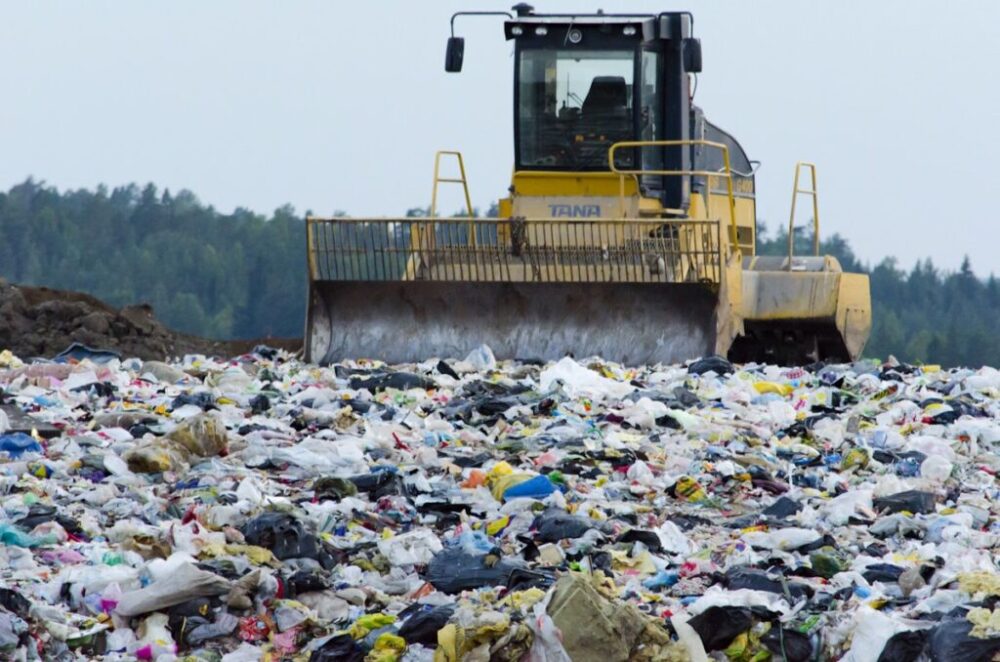
Most of us don’t think twice about what happens to old clothes, linens, and fabrics once we toss them out—but the problem is bigger than it seems. Around the world, mountains of textile waste are piling up, straining landfills and fueling pollution. Now, a wave of new technology is changing that story. Scientists and innovators are finding smart ways to turn discarded textiles into something useful, giving waste a surprising—and much-needed—second act.
Read more

The Night a Giant Wave Sank the Ocean Ranger—The World’s Largest Oil Rig

In 1982, the Ocean Ranger—then the world’s largest offshore oil rig—vanished in a violent North Atlantic storm, killing all 84 aboard.

©Image license via Chat GPT

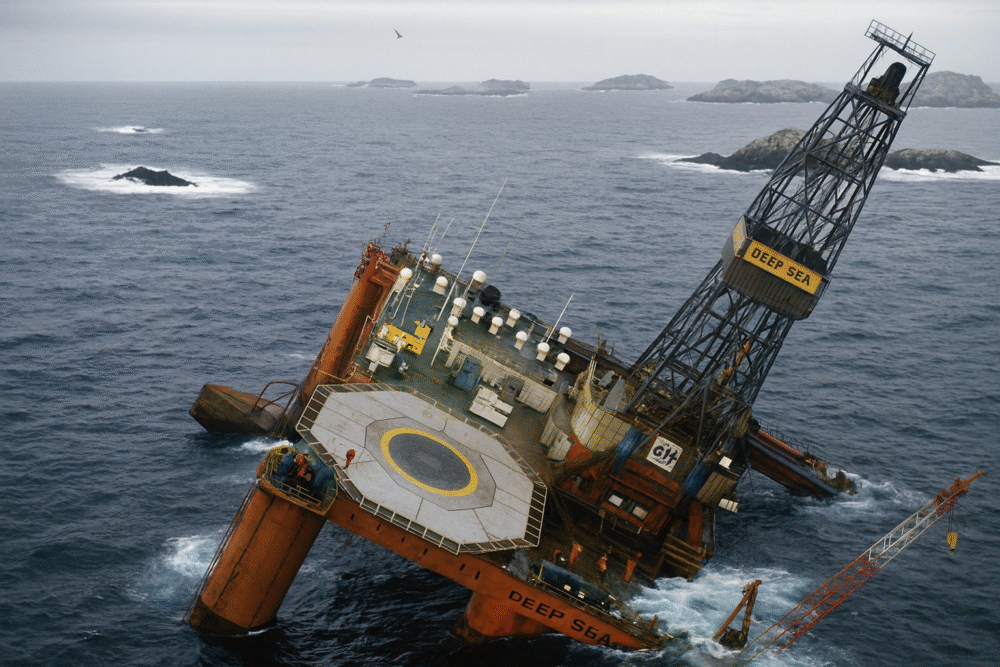
On February 15, 1982, the Ocean Ranger, a towering offshore drilling platform hailed as “unsinkable,” was struck by a monstrous wave during a fierce storm off Newfoundland. Within hours, the $200-million rig capsized and disappeared beneath the icy Atlantic, leaving no survivors among its 84-man crew. The disaster shocked the world, exposing design flaws, safety oversights, and the deadly power of the sea. Decades later, the Ocean Ranger remains a stark reminder of nature’s supremacy over human engineering.

Read more

Why Homes Keep Collapsing Into the Sea on North Carolina’s Outer Banks

Rising seas, shifting sands and fierce storms are forcing homes on North Carolina’s Outer Banks into the Atlantic.

©Image license via Chat GPT

Homes along North Carolina’s Outer Banks are collapsing into the ocean at alarming speed as the barrier islands face a perfect storm of coastal threats. In the past five years more than 20 oceanfront properties have collapsed, according to the National Park Service, with half of them falling since the arrival of two back-to-back storms this fall. The accelerated shoreline erosion is driven by sea-level rise, stronger waves, and compromised foundations—creating a dire warning for coastal communities.

Read more

Global Report: All 45 Key Climate Goals Are Off Track with Time Running Out

A sweeping global review finds not one major climate target is on pace to meet the 2030 goals.

©Image license via Canva

A new international analysis paints a stark picture of the planet’s progress on climate action. Out of 45 key indicators — including emissions cuts, renewable energy, and adaptation efforts — none are currently on track to meet the 2030 goals set under the Paris Agreement. Scientists warn that time is running short to limit global warming to 1.5°C, with only a narrow window left to prevent the most dangerous and irreversible impacts of climate change.

Read more

Astronomers Zero In on Mysterious Glow in the Milky Way — Could It Be Dark Matter?

A strange gamma-ray glow near the Milky Way’s center may offer the first real evidence of dark matter.

©Image license via Chat GPT

Astronomers are investigating a mysterious gamma-ray glow at the heart of the Milky Way that could be linked to dark matter — the invisible substance thought to make up most of the universe. Using new data and computer models, researchers found signals that match long-standing predictions for dark matter particle interactions. While other explanations, such as pulsars, remain possible, scientists say the findings bring them closer than ever to confirming one of physics’ greatest cosmic mysteries.

Read more

Why It’s Never Too Late to Make a Real Difference in the World

Research shows purpose and impact can flourish at any age—no matter where your journey begins.

©Image license via iStock

Many believe their chance to make a real difference fades with time—but the truth is, impact can begin at any age. Around the world, people are starting new ventures, launching charities, mentoring others, and finding deeper purpose well into their later years. Psychologists say that meaning and contribution are timeless human needs, not limited by youth or circumstance. These inspiring stories remind us that it’s never too late to create change that truly matters.

Read more

How a Changing Climate Is Reshaping the Way We Work, Travel, and Eat

Experts say climate shifts will redefine daily life—from jobs and travel to what ends up on our plates.

©Image license via Canva

Climate change is influencing more than just the environment; it is reshaping how we work, travel, and eat. From the rise of remote work reducing commuting emissions to the growing appeal of plant-based diets lowering carbon footprints, these shifts reflect a broader move toward sustainability. Understanding these intertwined trends helps individuals and businesses make informed decisions that support environmental goals, drawing on insights from authoritative sources like NOAA and the EPA.

Read more

What America Might Look Like Today If We’d Lost the Revolutionary War

Historians say a British victory could have created a very different North America—one loyal to the crown and divided by class.

©Image license via Picryl

If the American colonies had lost the Revolutionary War, the world as we know it might look unrecognizable. Historians say a British victory could have kept North America under royal rule, delaying democracy, altering borders, and reshaping global power for centuries. Slavery, westward expansion, and even Canada’s development might have unfolded differently. Instead of the United States, we may have lived in a patchwork of loyalist provinces—an empire where independence was a dream postponed, not a destiny fulfilled.

Read more

Scientists Say a Stem Cell Breakthrough Could Reverse Hearing Loss

Researchers have used stem cells to regenerate the tiny hair cells inside the inner ear, offering new hope for reversing hearing loss.

©Image license via Canva

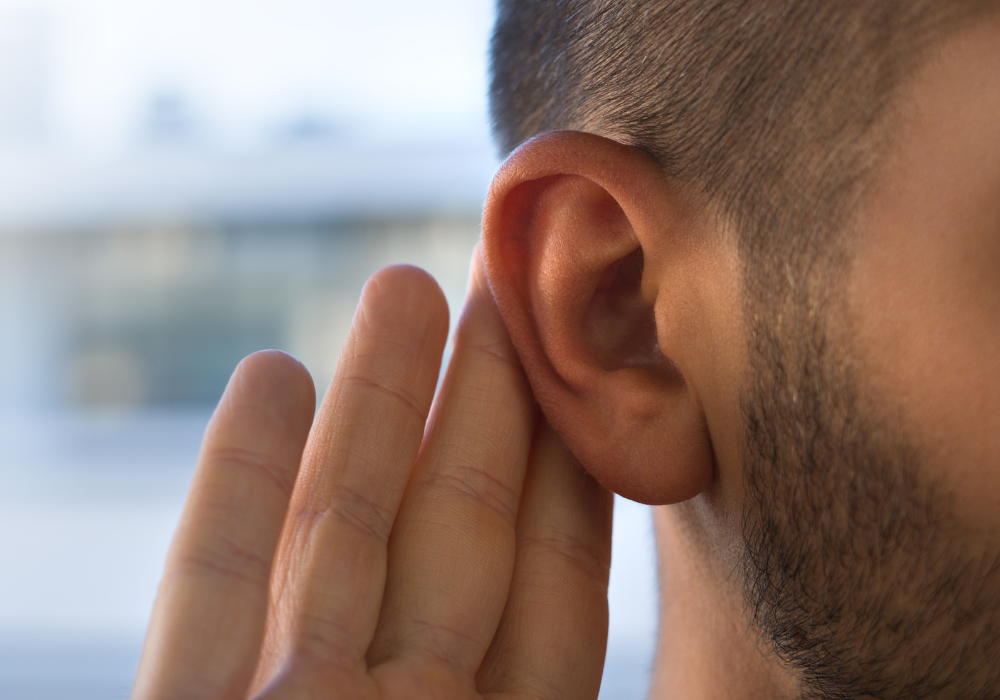
In a breakthrough that could change how hearing loss is treated, scientists have successfully used stem cells to regrow the delicate hair cells that enable the inner ear to detect sound. These sensory cells, once destroyed by age, noise, or illness, cannot naturally repair themselves—but new lab-grown versions are showing promise in restoring hearing function. Early trials in animals have already produced encouraging results, and researchers say human clinical testing could begin within the next few years.

Read more

CRISPR Just Took a Major Step Toward Curing Genetic Diseases

A new gene-editing treatment called CRISPR is showing that it can correct some inherited diseases for good.

©Image license via Wikimedia Commons

A revolutionary gene-editing tool called CRISPR is now showing real promise in treating—and in some cases functionally curing—genetic diseases once thought untreatable. Recent clinical trials have demonstrated that the technique can precisely correct DNA mutations responsible for disorders like sickle cell disease and beta thalassemia. With the first CRISPR-based therapy now approved for patients, scientists say we are entering a new era of medicine—one where targeted gene repair could permanently eliminate the root cause of inherited illnesses.

Read more