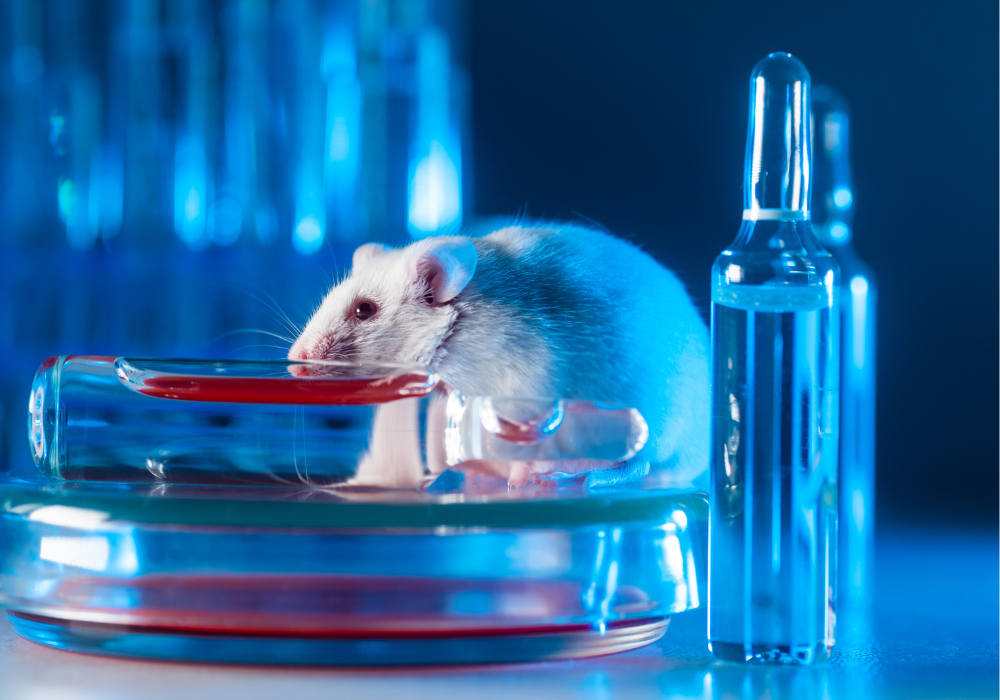
Scientists Are Using AI More Than Ever—But Growing Increasingly Skeptical of It

A new survey reveals that as scientists rely more on AI, their confidence in its results is declining.

©Image license via Canva

A comprehensive survey of academic and industry scientists found that as use of artificial intelligence tools rises sharply, their trust in those same tools is falling. The questionnaire, conducted across 25 countries in early 2025, asked about frequency of AI use, accuracy of outcomes, and professional confidence. Researchers reported more incidents of AI errors and misalignment with expectations, leading to growing caution despite increasing dependence. The results underscore a paradox at the heart of modern science: more adoption, yet less faith.

Read more

America’s Ultra-Rich Are Burning Through the World’s Remaining Climate Budget

A new Oxfam report warns that America’s wealthiest are consuming a huge share of the planet’s climate safety limit.

©Image license via Canva

A new report from Oxfam, the international anti-poverty organization, and the Stockholm Environment Institute reveals that America’s richest 0.1% generate carbon emissions thousands of times higher than the world’s poorest. The study warns that this small group’s luxury lifestyles and investments are depleting the planet’s remaining “safe climate space”—the limit needed to avoid runaway warming. Oxfam researchers say the findings highlight how extreme inequality is driving environmental damage and worsening the global climate crisis.

Read more

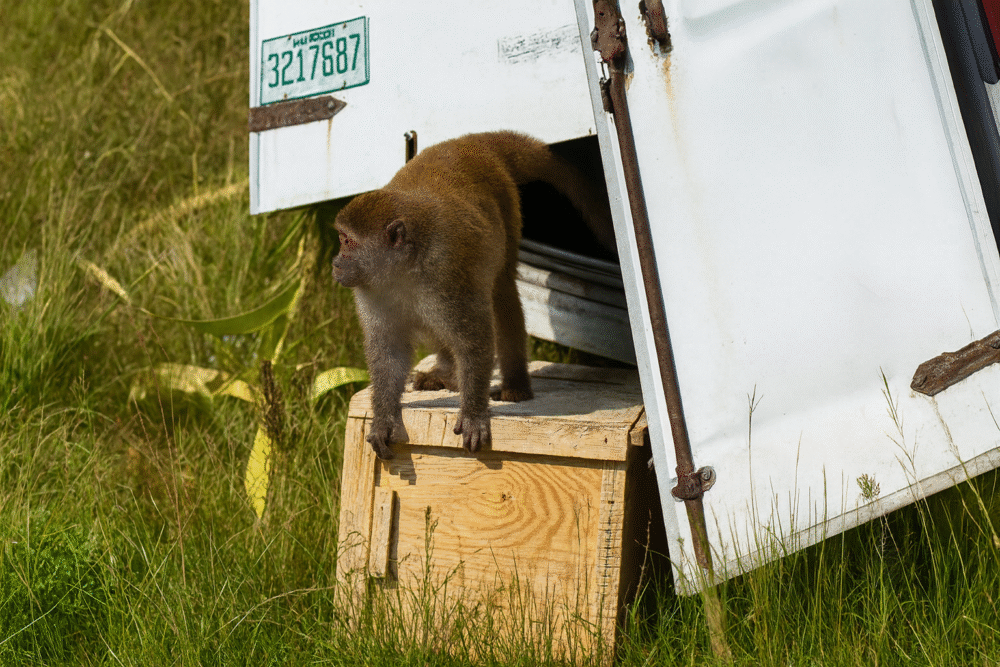
Lab Monkeys Escape Truck Crash—Officials Rush to Quell Infectious Disease Fears

Officials moved quickly to calm fears after a truck carrying lab monkeys crashed in Mississippi.

©Image license via Chat GPT

A truck transporting laboratory monkeys crashed on a Mississippi highway, setting off alarm across social media after claims spread that the animals were infected with dangerous diseases. Three monkeys briefly escaped following the wreck, prompting a search by local authorities. Officials from Tulane University, which owns the research facility involved, have since denied the animals were carrying any infectious pathogens. They say the macaques were healthy and the rumors of viral exposure were unfounded and fueled by misinformation.

Read more

New 3D Mapping Could Rewrite What We Know About the Titanic’s Final Moments

A full-scale digital scan of the Titanic wreck reveals stunning new details about how the ship broke apart.

©Image license via Easy-Peasy.AI

More than 110 years after the Titanic sank, new technology is offering the clearest view yet of the disaster. Using deep-sea submersibles and advanced 3D mapping, researchers created a complete digital model of the wreck on the Atlantic seafloor. The scan reveals structural damage and collapse patterns never before seen, challenging long-held theories about how the ship broke in two. Experts say the discovery marks a major leap in understanding one of history’s most studied tragedies.

Read more

New Cancer Vaccine Stops Multiple Tumor Types in Mice—And Doctors Are Paying Attention

A new experimental vaccine blocked several aggressive cancers in mice, raising hope for future human use.

©Image license via Canva

Researchers at the University of Massachusetts Amherst have developed an experimental cancer vaccine that successfully prevented multiple tumor types in mice. The shot uses biodegradable nanoparticles to deliver tumor-specific antigens, teaching the immune system to recognize and destroy emerging cancer cells. In preclinical trials, it protected mice from melanoma, pancreatic cancer, and triple-negative breast cancer. While the results are preliminary, scientists say the breakthrough could pave the way for a universal cancer-prevention vaccine in the future.

Read more

Sam Altman Backs Startup That Aims to Read Minds Without Implants

The OpenAI CEO is investing in a company developing noninvasive technology to decode brain activity.

©Image license via Canva

OpenAI CEO Sam Altman is funding a new biomedical startup that wants to read human brain activity—without surgery. The company, called Sonera Magnetics, is developing a noninvasive system that uses sound waves and magnetic sensing to interpret neural signals in real time. Researchers say the approach could one day allow computers to “listen” to the brain’s patterns to restore communication or control devices. Altman’s investment signals his growing interest in merging advanced AI with human biology.

Read more

Scientists Found Fragments of the Planet That Became Earth

Researchers say remnants of an ancient planet that collided with early Earth may still exist deep underground.

©Image license via Chat GPT

A new study led by researchers from the California Institute of Technology and Arizona State University suggests that fragments of a long-lost planet called Theia may still be buried deep inside Earth. Theia is believed to have collided with the early Earth about 4.5 billion years ago, forming the Moon in the process. Using seismic and geochemical data, scientists now think dense rock layers beneath Africa and the Pacific could be remnants of that cataclysmic impact.

Read more

Millions of Avoidable Deaths: Climate Change’s Growing Threat to Global Health

A new global report warns that climate change is driving millions of preventable deaths each year.

©Image license via Canva

A major study from the Lancet Countdown and Inside Climate News reveals that climate change is now causing millions of avoidable deaths worldwide. Rising heat, extreme weather, and worsening air pollution are pushing global health systems to their limits. Researchers say these deaths are not inevitable—they’re the result of inaction and slow adaptation. The report urges governments to treat the climate crisis as a health emergency before the death toll climbs even higher.

Read more

AI Isn’t Just Replacing People—It’s Ditching Animal Actors Too

Studios are turning to digital animals created by AI, cutting real animal actors from film sets.

©Image license via Picryl

Hollywood’s next wave of job losses isn’t human—it’s animal. A growing number of studios are replacing live animal actors with AI-generated versions that can be animated, trained, and controlled entirely on screen. From dogs and horses to exotic wildlife, these digital doubles eliminate costs, safety concerns, and ethical debates about animal use in film. Industry experts say the shift marks another major disruption as artificial intelligence reshapes nearly every corner of entertainment production.

Read more

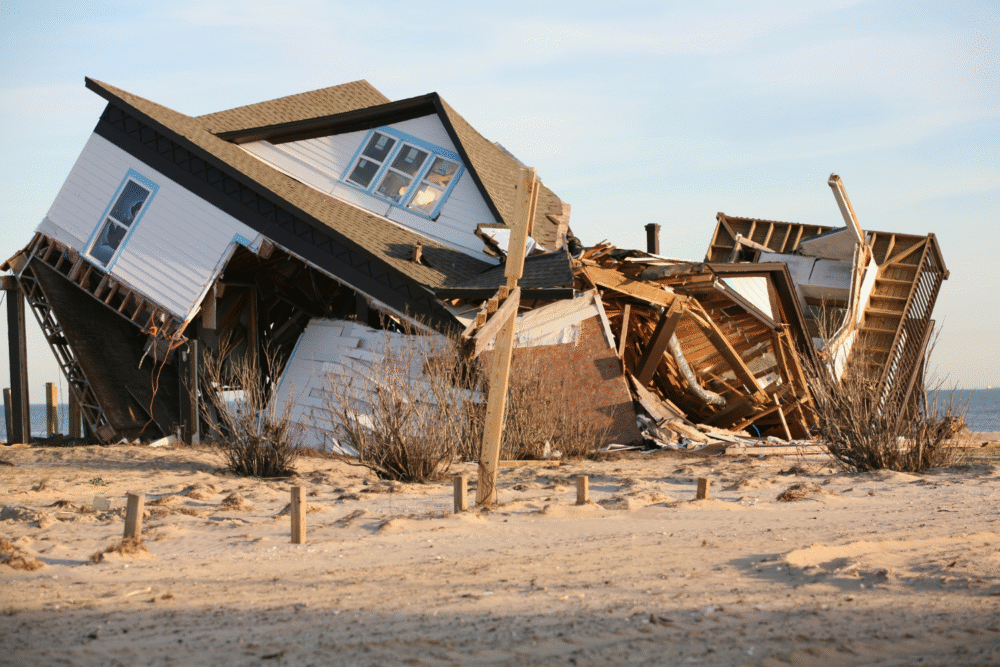
Storm Fatigue Is Real: 11 Ways Repeated Hits Wear Down Cities and Wallets

Repeated storms amplify financial and infrastructural challenges for cities and households alike.

©Image license via Pexels

Storm fatigue is a growing concern as cities and residents face the cumulative effects of frequent storms. Each event not only damages infrastructure but also strains budgets, disrupts local economies, and increases household expenses. Beyond physical destruction, communities contend with mental stress and rising insurance costs. Understanding how these repeated hits wear down urban areas and personal finances helps individuals and policymakers prepare and build resilience for future storms.

Read more