
The OpenAI CEO is investing in a company developing noninvasive technology to decode brain activity.

OpenAI CEO Sam Altman is funding a new biomedical startup that wants to read human brain activity—without surgery. The company, called Sonera Magnetics, is developing a noninvasive system that uses sound waves and magnetic sensing to interpret neural signals in real time. Researchers say the approach could one day allow computers to “listen” to the brain’s patterns to restore communication or control devices. Altman’s investment signals his growing interest in merging advanced AI with human biology.
1. Sam Altman’s New Frontier: Reading the Human Mind
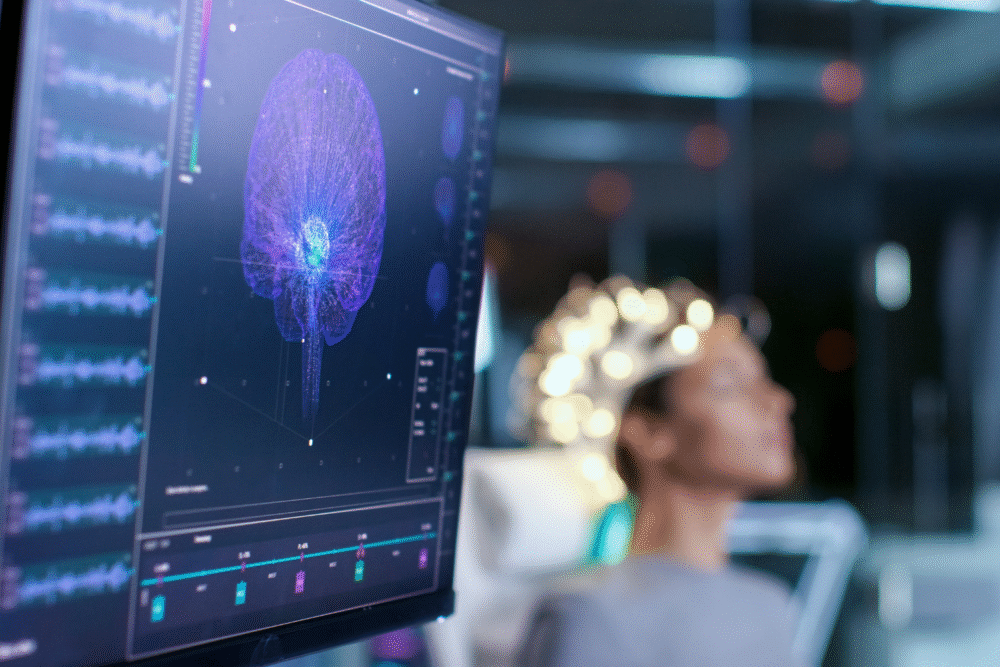
OpenAI’s CEO is backing a bold new venture called Sonera Magnetics, a biomedical startup that aims to read human brain activity without surgery. The company is developing a noninvasive interface using sound waves and magnetic sensors to detect neural signals through the skull.
The idea represents a leap beyond current brain-computer interfaces, which typically require implants. Altman’s investment signals growing confidence that brain decoding can happen safely—and possibly commercially—without cutting into human tissue.
2. The Startup Behind the Science
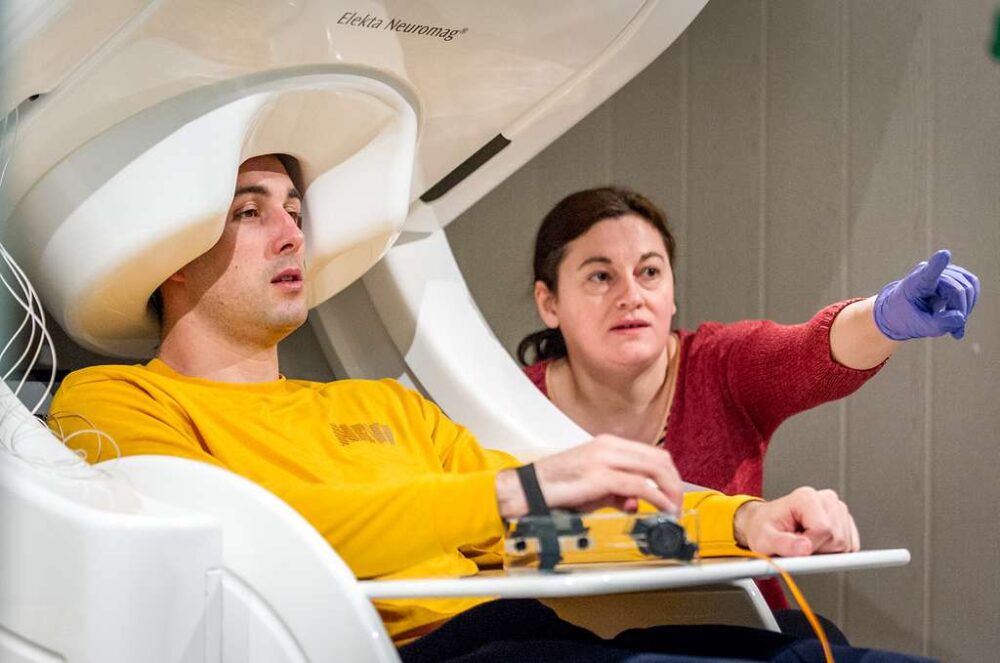
Sonera Magnetics was founded by researchers from Stanford and UC Berkeley who specialize in magnetoencephalography, or MEG. Their goal is to miniaturize this brain-imaging technique using compact magnetic sensors combined with ultrasound.
Unlike traditional MEG machines that are large and expensive, Sonera’s prototype fits in a wearable device. If successful, it could record neural signals at unprecedented resolution while remaining portable, comfortable, and noninvasive for everyday use.
3. Sound Waves Could Be the Key to Reading Thoughts

Sonera’s approach uses ultrasonic waves to slightly vibrate brain tissue. These subtle shifts alter magnetic fields that can then be detected by ultra-sensitive sensors. Together, these readings form patterns that correspond to neural activity.
This method could allow scientists to interpret brain signals with remarkable accuracy, decoding intent, emotion, or even imagined speech. If refined, the technology could help restore communication for paralyzed patients or serve as the foundation for future mind-controlled interfaces.
4. Altman’s Bet on Brain-Tech Innovation
Sam Altman has become one of the most visible investors in cutting-edge human enhancement technologies, from artificial intelligence to nuclear energy. His investment in Sonera Magnetics aligns with his belief that the boundary between biology and technology will soon blur.
By backing a company working at the intersection of neuroscience and AI, Altman is signaling that the next major computing revolution could happen inside the brain itself—turning neural activity into a new form of human-machine interface.
5. Competing with Neuralink—But Without Surgery
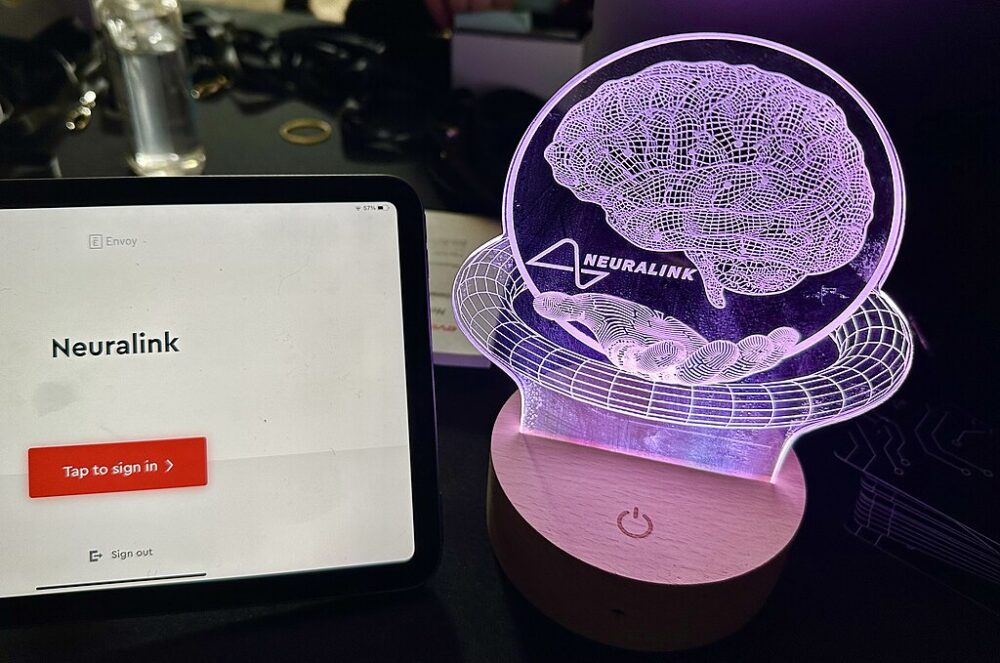
Unlike Elon Musk’s Neuralink, which implants electrodes directly into the brain, Sonera’s approach doesn’t require breaking the skull. The company aims to achieve similar data quality through external sensors and acoustic stimulation.
That difference could make adoption easier and safer, appealing to both researchers and regulators. If it succeeds, Sonera could leapfrog invasive competitors and become the first company to achieve real-time brain decoding without surgery.
6. The Promise of Noninvasive Brain Interfaces

Noninvasive brain-computer interfaces have long been the “holy grail” of neuroscience—able to read or influence brain activity without implants or risk. Until now, however, most have suffered from poor accuracy and weak signal quality.
Sonera’s innovation lies in combining magnetic sensing with sound waves, two complementary technologies that amplify subtle neural patterns. Researchers believe this could finally deliver the precision needed for practical, everyday applications such as prosthetic control or cognitive therapy.
7. From Science Fiction to Medical Reality
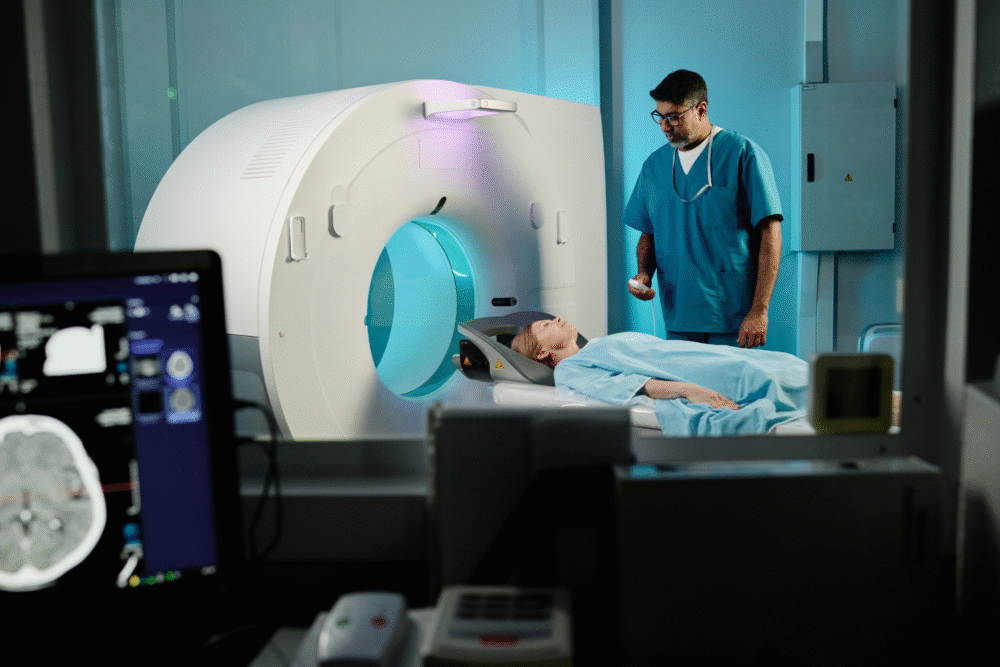
What once sounded like science fiction is edging closer to reality. If Sonera’s methods prove successful, they could enable people to control computers, wheelchairs, or robotic limbs using thought alone.
Medical experts say the technology could also be transformative for patients with neurological disorders. By “listening” to brain patterns, doctors might one day diagnose conditions like Parkinson’s or Alzheimer’s years before symptoms appear.
8. How Sound Waves Make Brain Imaging Safer

Traditional brain interfaces rely on electrical signals or invasive probes that carry infection and tissue damage risks. Sonera’s use of ultrasound offers a safer, less intrusive alternative.
Because sound waves can travel through the skull and soft tissue harmlessly, the process doesn’t require anesthesia or surgery. This approach could drastically expand the number of people willing to participate in brain interface testing and treatment.
9. The Role of AI in Decoding the Brain

Artificial intelligence is essential to Sonera’s approach. The data captured by magnetic and ultrasonic sensors is complex, requiring advanced machine-learning algorithms to interpret.
AI models trained on these brain patterns can detect subtle correlations between thought, motion, and speech. Over time, the system could learn to “translate” neural activity into readable or actionable information, making human–computer interaction as seamless as typing or speaking.
10. Ethical and Privacy Concerns Are Already Emerging
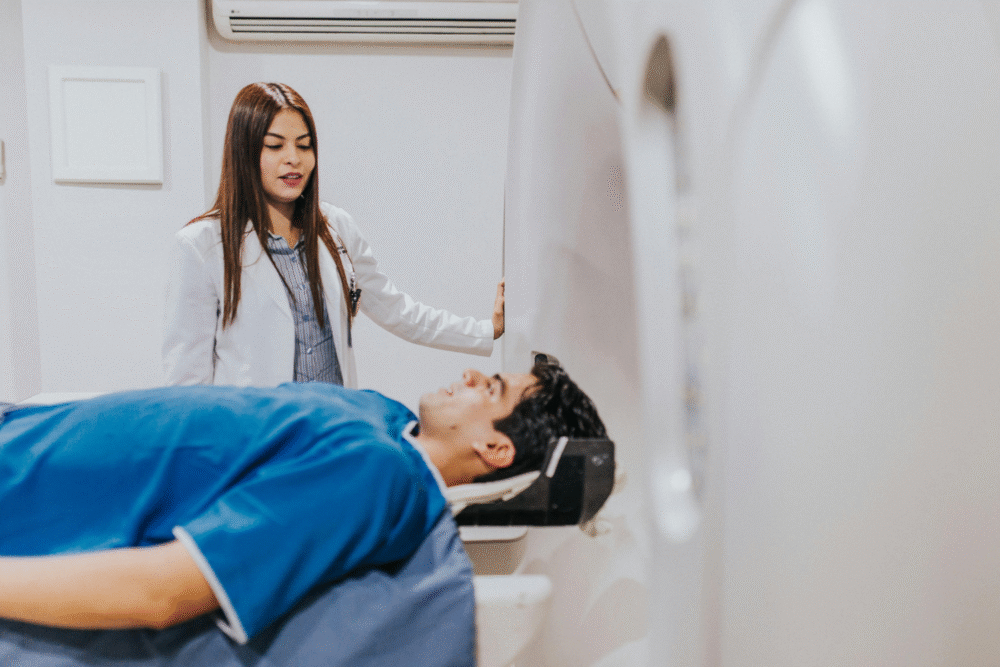
As promising as the technology sounds, ethicists are warning about the potential misuse of brain-reading tools. The ability to decode thoughts raises serious questions about consent, surveillance, and cognitive privacy.
Experts argue that strict data protection and transparency will be essential as the field evolves. Without safeguards, the same tools that help patients communicate could also expose their innermost thoughts to unwanted scrutiny.
11. The Race to Connect Mind and Machine

Sonera Magnetics joins a fast-growing field of startups exploring different ways to merge the brain with technology. Companies around the world are experimenting with light, sound, and electromagnetic stimulation to achieve similar goals.
With major investors like Altman entering the space, competition is expected to accelerate. The winner could shape not only medical research but also how humans interact with technology itself—blurring the line between thought and action.
12. A Glimpse Into the Next Human Revolution
For Sam Altman, this investment isn’t just about neuroscience—it’s about the future of human evolution. He has repeatedly said that AI and biotechnology will redefine what it means to be human.
If Sonera’s work succeeds, it could mark the first real step toward merging human cognition with digital systems. Whether it leads to medical breakthroughs or mind-controlled devices, the technology could change the way we understand—and possibly upgrade—the human brain.