A Volcano Dormant for 700,000 Years Just Showed Signs of Life

New satellite data suggests the long-silent Taftan volcano may be reawakening beneath southeastern Iran.
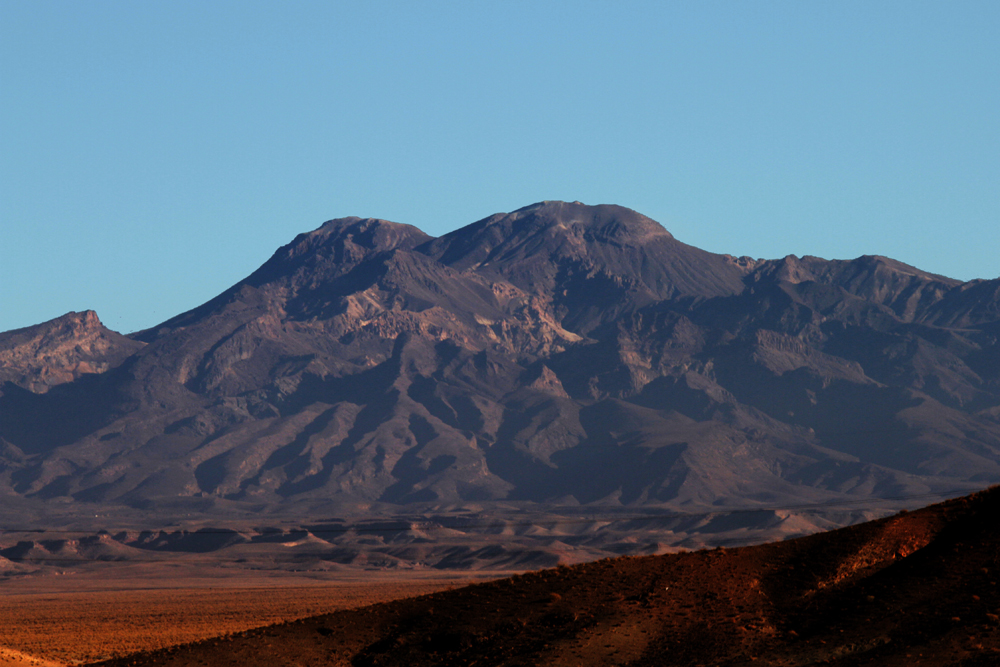
©Image license via Wikimedia Commons

Taftan volcano in southeastern Iran has been quiet for hundreds of thousands of years, but new satellite measurements suggest that may be changing. Researchers detected a rapid uplift of nearly 3.5 inches in less than a year, a shift that signals rising magma or underground pressure beneath the mountain. While there is no confirmation of an impending eruption, the sudden movement after such an extraordinary period of inactivity has drawn scientific attention. Experts say the ground deformation indicates the volcano is entering a new phase that warrants close monitoring.

Read more

Iowa City Made Its Buses Free — And the Climate Impact Was Immediate

A bold transit experiment shows how eliminating bus fares can cut driving, lower emissions, and clean the air.

©Image license via Wikimedia Commons

When Iowa City removed fares from its bus system, city officials expected ridership to rise. What they didn’t anticipate was how quickly traffic patterns would shift. Within months, more people chose the bus over their cars, leading to less congestion on major routes and measurable improvements in local air quality. The fare-free policy has become an unexpected climate success story for a small Midwestern city, offering a glimpse of how affordable public transit can play a major role in reducing emissions across the country.

Read more

A Common Virus Infects Nearly Everyone — And Scientists Say It May Trigger Lupus

New research suggests a near-universal virus may play a surprising role in the autoimmune disease lupus.

©Image license via Canva

Nearly everyone becomes infected with Epstein–Barr virus at some point in life, usually without serious symptoms. But new research indicates this incredibly common virus may play a key role in triggering lupus, a chronic autoimmune disease that affects millions worldwide. Scientists have discovered molecular interactions showing how EBV can disrupt the immune system and potentially set the stage for autoimmunity. While the virus alone does not cause lupus, the emerging connection is giving researchers new clues about how the disease develops and who may be at higher risk.

Read more

Urban Raccoons Are Evolving Toward Domestication — And Human Trash Is Driving It

A new study finds city raccoons are developing traits linked to early domestication thanks to human environments.

©Image license via Flickr

A new study published in the journal The Royal Society Open Science suggests that urban raccoons may be evolving in ways that resemble early stages of domestication. Researchers from the University of Manitoba compared skulls of city raccoons with those from rural populations and found subtle, consistent differences linked to diet, stress, and human proximity. These changes appear to be driven by easy access to human trash and the challenges of city living. The findings raise questions about how wildlife adapts to increasingly urbanized spaces.

Read more

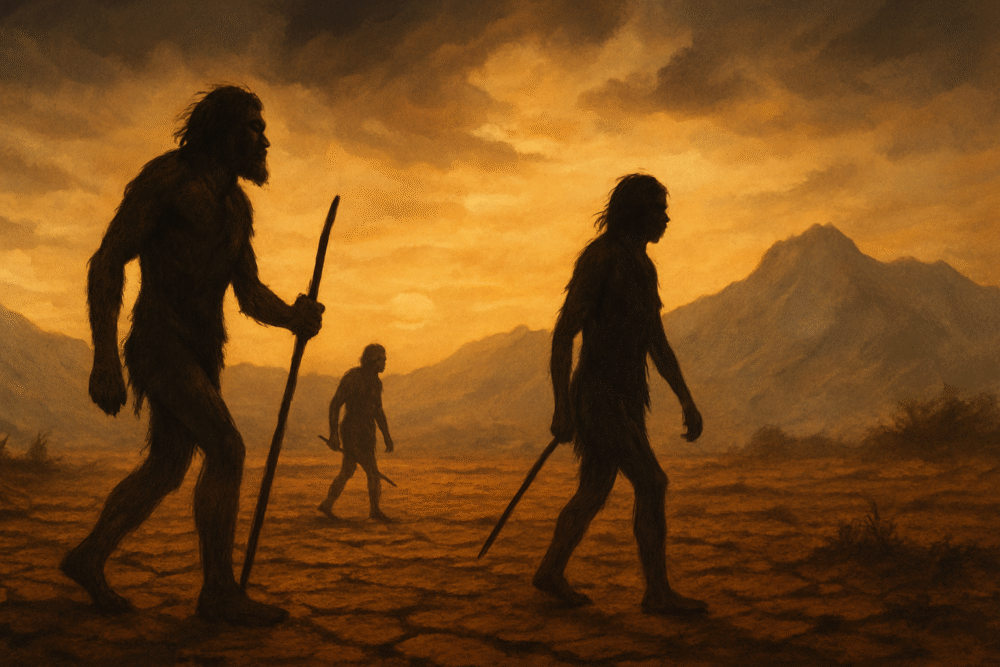
Humanity Was Nearly Wiped Out 900,000 Years Ago: New Evidence Reveals What Really Happened

Human ancestors once dwindled to a tiny surviving group according to new research that reveals a near extinction event.

©Image license via Planet Sage/Chat GPT

Our human story may have nearly ended before it truly began. Genome researchers from the Chinese Academy of Sciences analyzed modern DNA and uncovered evidence that our ancient ancestors experienced a dramatic population crash about 900,000 years ago. Their findings suggest the number of breeding individuals may have fallen to around 1,300 for nearly 117,000 years. During this long crisis, shifting climates and shrinking habitats pushed early humans to the brink. The survival of this tiny group ultimately shaped the genetic foundation of all modern people.

Read more

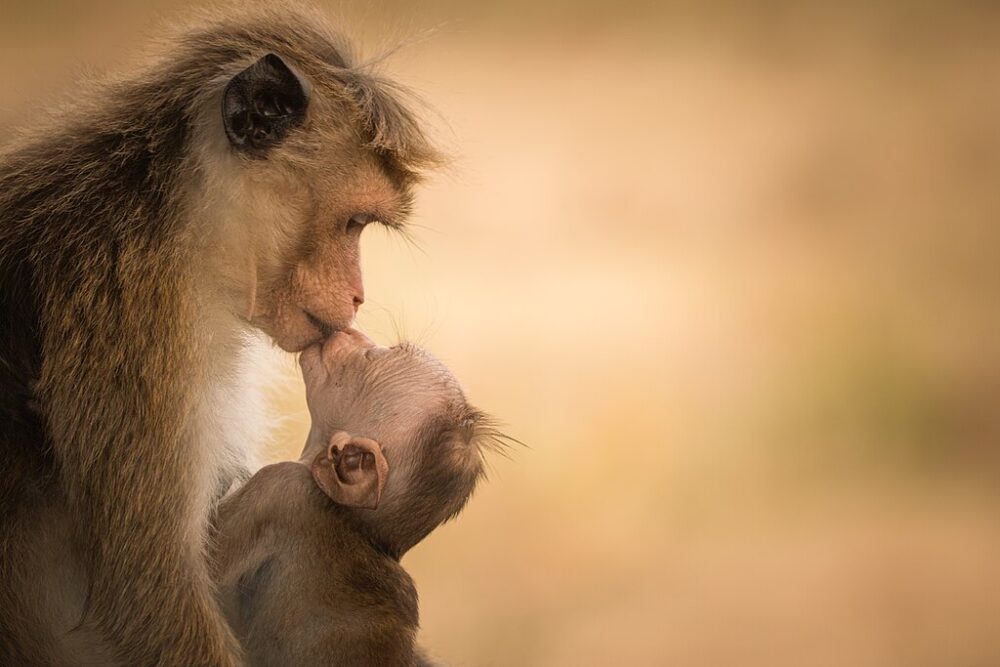
Scientists Say Kissing Began 21 Million Years Ago — Long Before Humans Existed

New research suggests kissing began with ancient ape ancestors more than 21 million years ago.

©Image license via Wikimedia Commons

A new study, published in the journal Evolution and Human Behavior, suggests that kissing dates back as far as 21 million years and likely originated with our common ancestor of humans and great apes. Conducted by researchers at University of Oxford and Florida Institute of Technology, the study analyzed affectionate mouth-to-mouth behaviors in bonobos, chimpanzees, gorillas and orangutans, then used statistical modelling to estimate when the trait emerged. The findings challenge the idea that kissing is purely cultural and instead point to deep evolutionary roots.

Read more

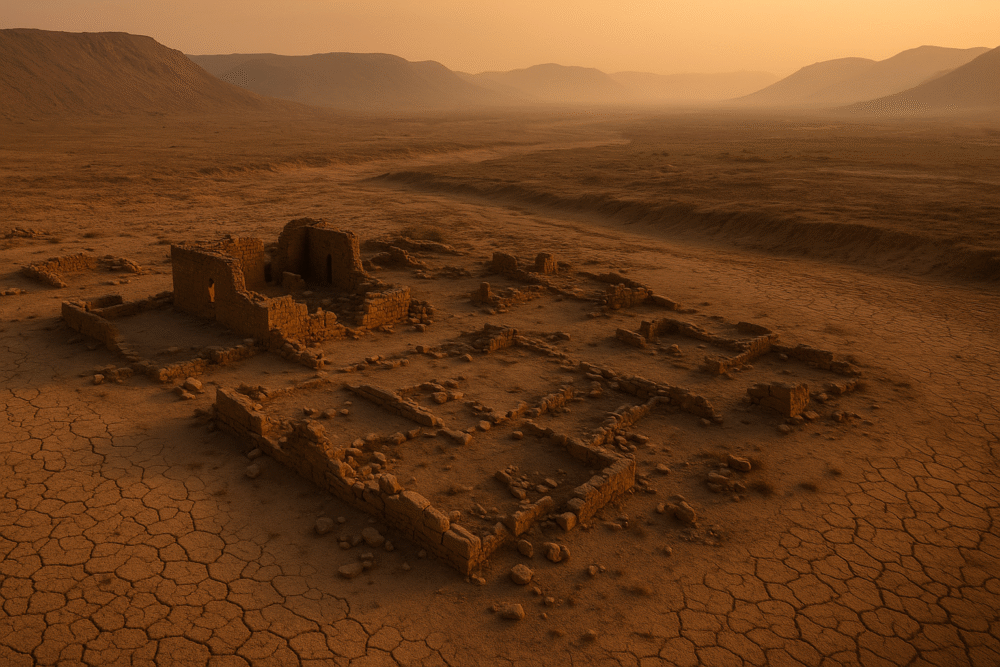
The Hidden Climate Clues Behind the Collapse of History’s Greatest Civilizations

Archaeologists and climate scientists are uncovering new evidence linking ancient environmental shifts to the downfall of major civilizations.

©Image license via Chat GPT

For centuries, historians have debated why some of the world’s greatest civilizations suddenly collapsed. Now, growing evidence suggests that climate change often played a critical, though overlooked, role. From prolonged droughts to volcanic winters, shifting environmental conditions put enormous pressure on societies already struggling with political conflict, disease, or economic strain. By studying ancient sediments, tree rings, ice cores, and abandoned cities, researchers are revealing patterns that show how climate shifts shaped human history. These findings shed light on how vulnerable societies can become when nature turns unstable.

Read more

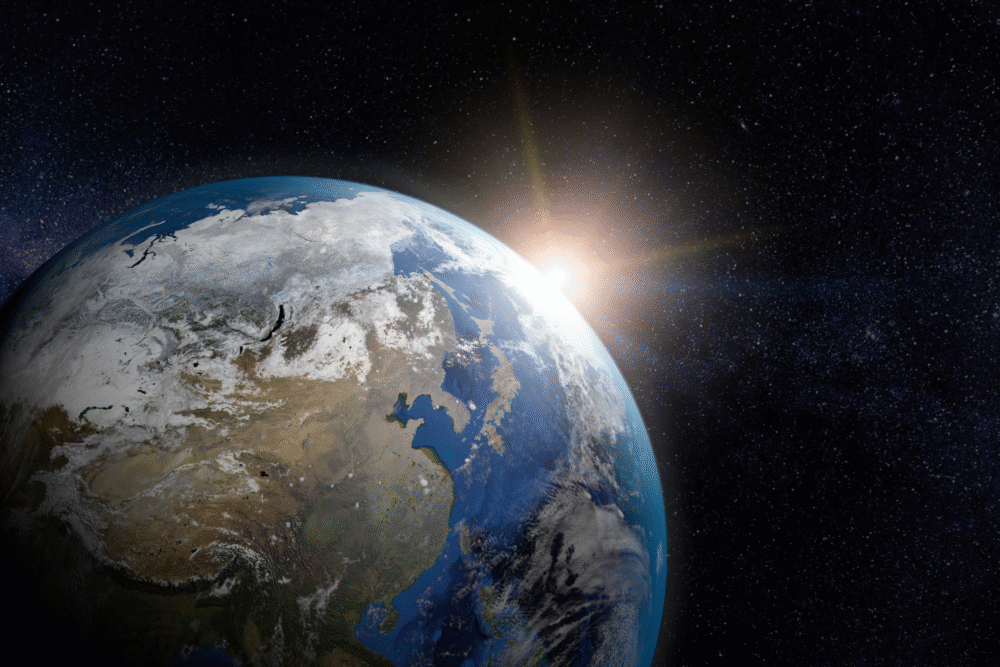
The Climate Is Barreling Toward Tipping Points: Watch for These 3 Critical Changes

Scientists say three fast-moving climate shifts may signal that key planetary tipping points are approaching.

©Image license via Canva

Scientists tracking the planet’s most vulnerable climate systems say three major changes are accelerating faster than expected. From disrupted carbon cycles to collapsing coral reefs and the rapid retreat of ice, researchers warn these shifts may indicate that Earth is edging closer to several long-feared tipping points. These thresholds represent moments when environmental systems permanently transform, potentially reshaping coastlines, ecosystems, and weather patterns for generations. Understanding these three changes helps explain why experts say the urgency to act has never been greater.

Read more

A Hidden Climate Effect Is Quietly Eroding Home Values

A growing climate-driven pressure is reshaping the U.S. housing market in ways most homeowners never see coming.

©Image license via Canva

A new analysis shows that a climate-related ripple effect is quietly weakening home values across the United States, even in places far from wildfire zones, floodplains, and coastal storm paths. The rising cost of protecting homes in a warming world is creating unexpected stress on buyers, sellers, and entire neighborhoods. While homeowners often focus on mortgage rates and inventory, a subtle climate factor is increasingly determining where people can afford to live. Researchers say this hidden pressure is becoming one of the most powerful forces reshaping the modern real-estate landscape.

Read more

Does the Ark of the Covenant Still Exist? Historians Reveal Stunning New Clues

New research and historical analysis shed light on one of the most enduring mysteries in ancient history.

©Image license via World History Enclyclopedia

The Ark of the Covenant has captivated historians, archaeologists, and religious scholars for centuries. Described in the Hebrew Bible as a sacred chest holding the stone tablets of the Ten Commandments, the Ark eventually vanished from the historical record, sparking countless theories about its fate. Some believe it was hidden to protect it from invading armies, while others think it was destroyed or lost in the chaos of ancient warfare. Today, researchers are piecing together clues from ancient texts and archaeological sites to explore whether the Ark may still exist.

Read more