
A growing climate-driven pressure is reshaping the U.S. housing market in ways most homeowners never see coming.
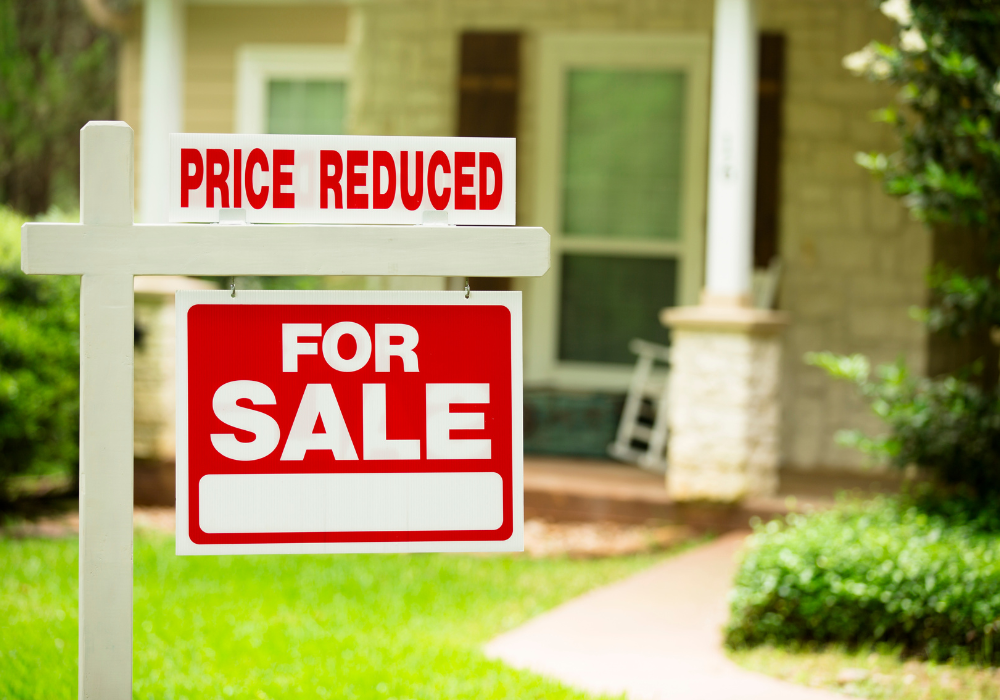
A new analysis shows that a climate-related ripple effect is quietly weakening home values across the United States, even in places far from wildfire zones, floodplains, and coastal storm paths. The rising cost of protecting homes in a warming world is creating unexpected stress on buyers, sellers, and entire neighborhoods. While homeowners often focus on mortgage rates and inventory, a subtle climate factor is increasingly determining where people can afford to live. Researchers say this hidden pressure is becoming one of the most powerful forces reshaping the modern real-estate landscape.
1. Home Prices Are Being Undermined by Climate-Driven Risk Assessments
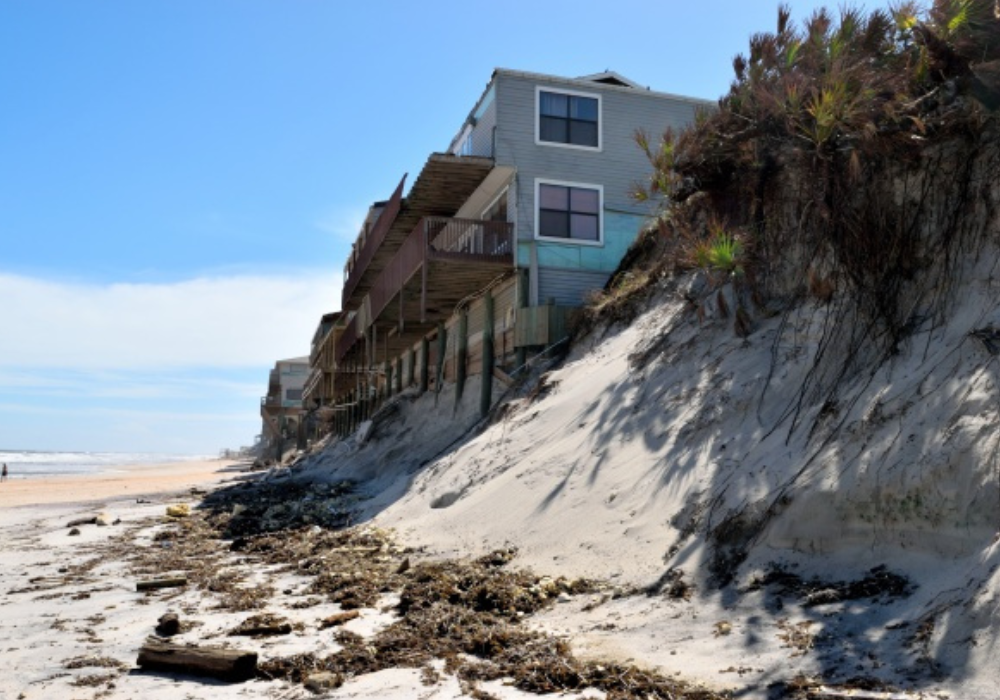
Across the country, climate-risk modeling is changing how much homes are worth. Mortgage lenders, insurance companies, and real-estate analysts now use detailed climate data to estimate future losses from floods, storms, wildfires, and extreme weather. These assessments quietly influence everything from loan availability to monthly insurance costs.
As risk scores rise, buyers become more cautious and banks less willing to lend at favorable terms. This shift makes homes in vulnerable areas harder to sell, pushing values down even before major disasters occur.
2. Insurance Companies Are Repricing Risk Faster Than Homeowners Expect

Insurers are rapidly adjusting rates to account for rising climate risk, sometimes increasing premiums by thousands of dollars per year. In many regions, companies are withdrawing coverage entirely or limiting policies to very high deductibles. These changes spread far beyond coastal and wildfire-prone states.
As insurance becomes more expensive or harder to obtain, buyers factor that cost into their budgets. Homes that once seemed affordable suddenly fall outside financial reach, lowering demand and eroding property values across entire neighborhoods.
3. Some Neighborhoods Are Becoming Almost Uninsurable
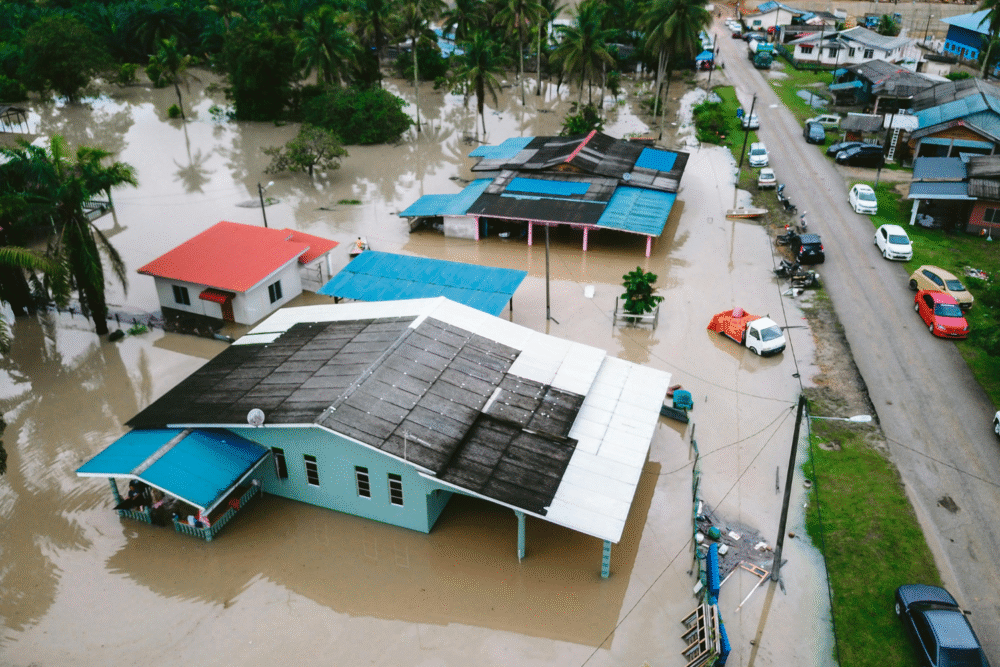
In states like California, Florida, Louisiana, and parts of the Midwest, insurers are reducing coverage in areas where climate-related losses have escalated. When major carriers leave, residents often must rely on last-resort state plans that offer limited protection at higher prices.
A property that cannot secure reliable coverage becomes nearly impossible to sell at full market value. As more areas face these challenges, large sections of the U.S. housing market may see long-term declines in stability and price resilience.
4. Higher Insurance Costs Are Making Mortgages Harder to Qualify For

Mortgage lenders evaluate a borrower’s full monthly expenses, which now include rising insurance premiums. When premiums spike, many buyers no longer qualify for the same loan amount. Even small increases can reduce a buyer’s purchasing power significantly.
This pressure trickles back to sellers, who must lower asking prices to attract buyers who can meet lenders’ affordability requirements. Over time, this dynamic shifts local market expectations and depresses home values.
5. Buyers Are Steering Away From High-Risk Areas
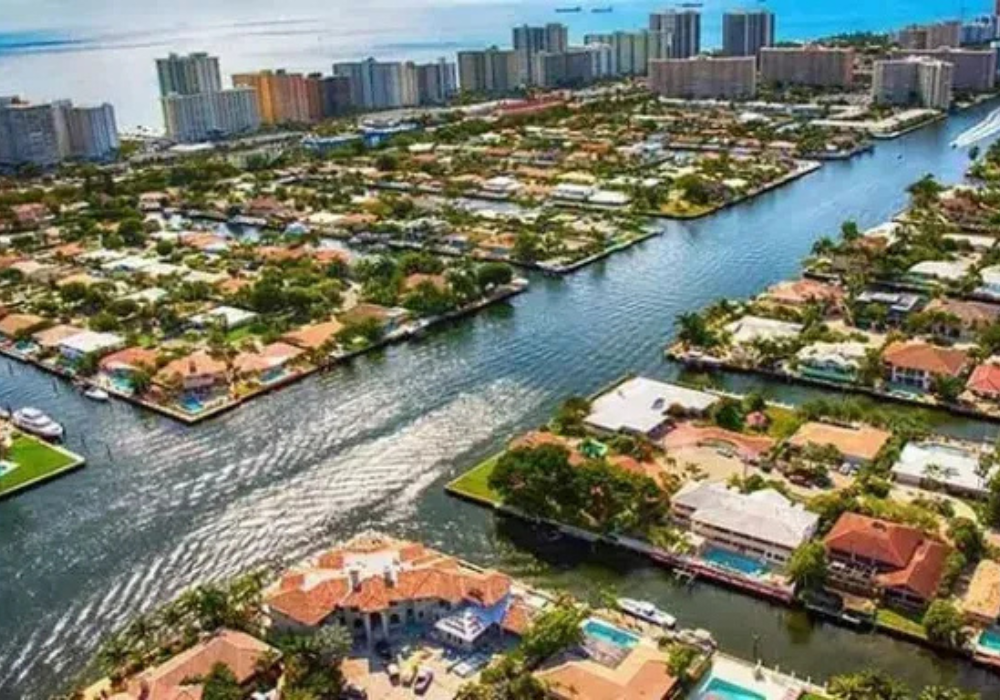
As climate-related risks become more visible in reports, listings, and home-search tools, buyers increasingly avoid areas flagged as vulnerable. Even if a home appears safe today, concerns about long-term cost and resale value make buyers look elsewhere.
This shift in demand creates pockets of softening prices in regions once considered strong markets. Homes take longer to sell, price cuts become more common, and neighborhood values begin to drift downward.
6. Real-Estate Markets Are Dividing Into “Climate Winners” and “Climate Losers”

Analysts say a slow but noticeable split is emerging: areas at low climate risk are seeing increased buyer interest, while high-risk regions face stagnation or decline. This divide is shaping migration patterns, creating demographic changes that further influence regional home prices.
Low-risk markets may experience rising values, while high-risk areas confront shrinking demand. Over time, this imbalance could reshape population distribution and strain local economies dependent on property-tax revenue.
7. Sellers Are Losing Negotiating Power in High-Risk Areas
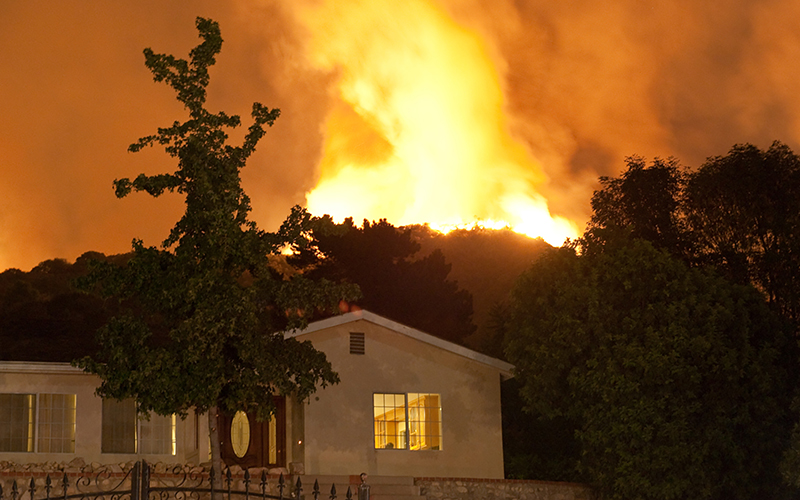
In markets with growing climate exposure, sellers face more requests for concessions, price reductions, or repairs. Buyers carefully scrutinize flood zones, wildfire risk, and insurance availability before making offers. This increased caution shifts leverage toward buyers.
As negotiations become tougher, homes stay on the market longer. Sellers often drop prices to compete, contributing to a gradual erosion of neighborhood home values—especially in areas where climate impacts are cumulative and highly visible.
8. Long-Term Maintenance Costs Are Rising in Climate-Stressed Regions
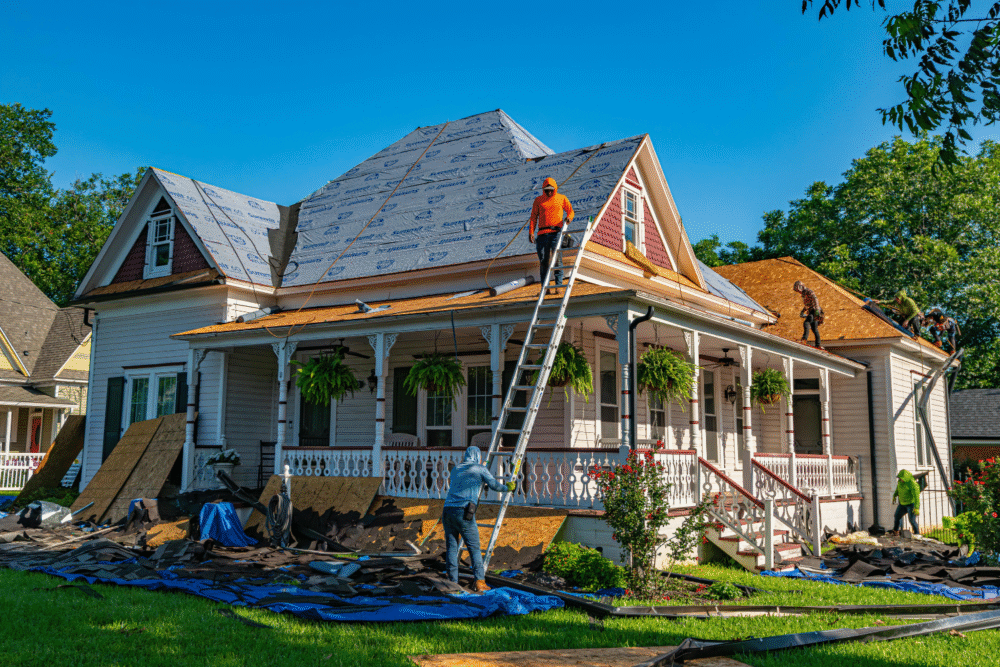
Extreme heat, flooding, erosion, and storm intensity increase a homeowner’s long-term maintenance burden. Roof replacements, foundation issues, mold mitigation, and drainage improvements add to ongoing expenses. As these costs accumulate, they influence how buyers value homes in vulnerable areas.
Even if a property is currently stable, the expectation of higher future repair costs reduces its perceived value. Markets adjust accordingly, with buyers offering less or avoiding the area entirely.
9. Investors Are Pulling Back From Climate-Exposed ZIP Codes

Large investors and institutional buyers increasingly rely on detailed climate-risk analytics. When algorithms flag neighborhoods as high-risk, investors reduce purchases or withdraw entirely. These large-scale decisions can drain demand from markets almost overnight.
With fewer buyers competing for properties, prices soften. Areas once buoyed by investor activity may now face slower growth or declining values as institutional capital shifts toward safer regions.
10. Flood Zones and Wildfire Areas Are Seeing the Earliest Price Impacts
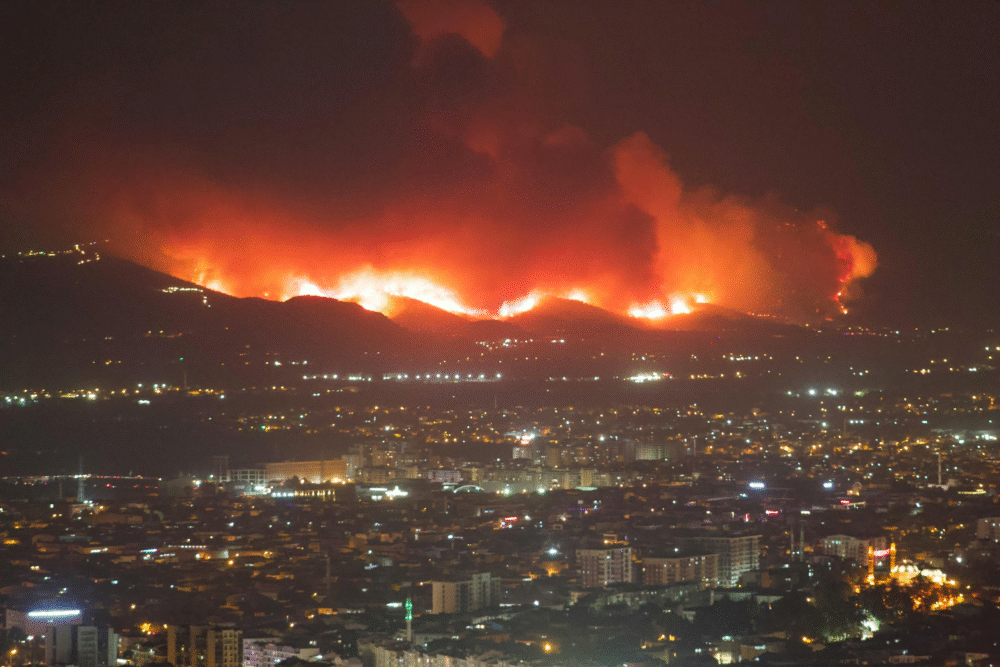
Regions exposed to flooding, storm surge, and wildfire are among the first to show measurable declines in home value growth. Even homes outside official risk maps feel the effects when nearby communities suffer repeated disasters.
As climate events become more common, buyers increasingly treat high-risk regions as financially uncertain. This shift in perception reduces the premium once associated with waterfront or woodland properties, altering long-standing market assumptions.
11. The Hidden Force Will Shape the Housing Market for Years
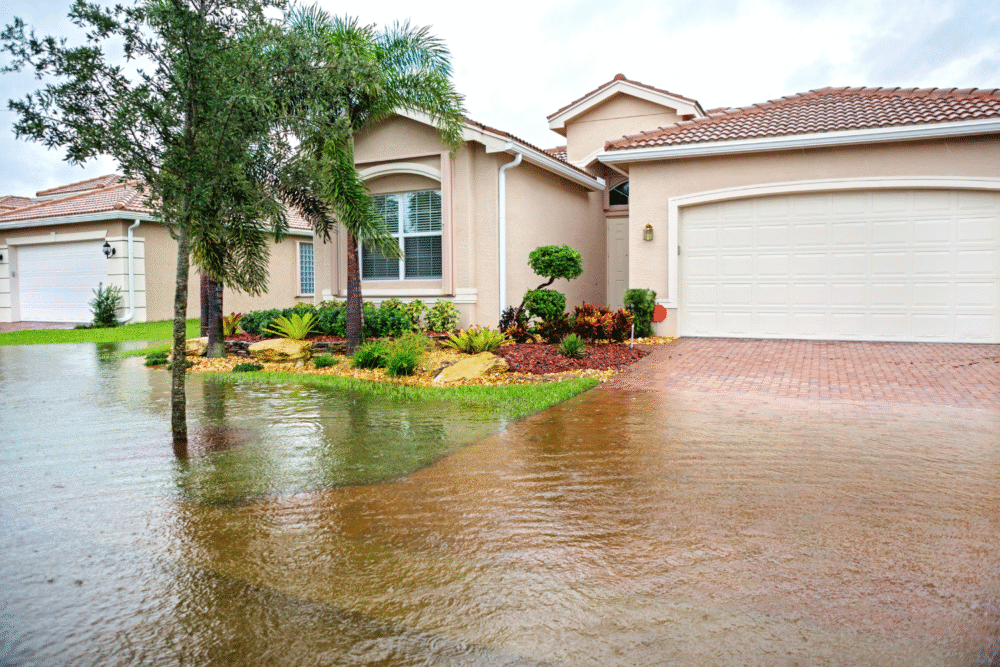
Experts say the climate-linked pressures on home values are not temporary—they’re the beginning of a long-term trend. Insurance markets, mortgage lending, and buyer behavior are all adjusting to new realities. These forces compound over time, likely influencing housing affordability, regional economies, and migration patterns.
As climate risk becomes more deeply embedded in housing decisions, the “hidden force” driving today’s market shifts may become one of the most influential factors in determining where Americans can sustainably live and invest.