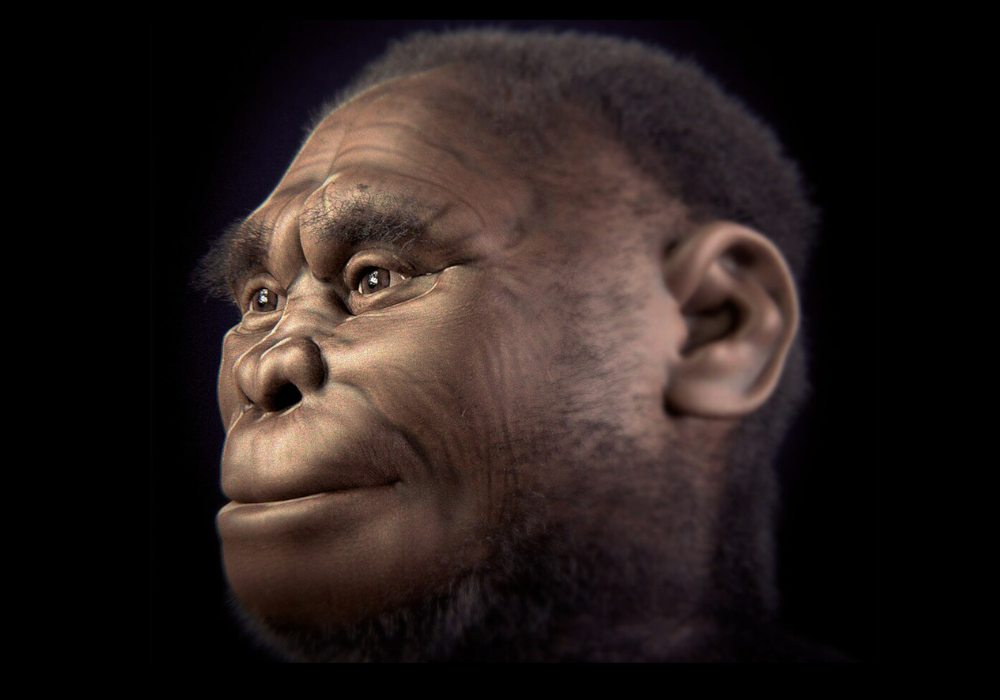
Could a Tiny Ape-Like Humanoid Still Be Alive Today? One Scientist Thinks It’s Possible

A new scientific hypothesis explores whether a tiny human relative from Indonesia may have survived far longer than believed.
©Image license via Wikimedia Commons

A Canadian anthropologist has reignited debate about Homo floresiensis, a tiny human relative often called “the hobbit.” Known from fossils discovered on the Indonesian island of Flores, the species is believed to have vanished at least 50,000 years ago. But anthropologist Gregory Forth argues that local stories, descriptions, and cultural memories could suggest a much later survival. His idea remains controversial, yet it raises questions about how long ancient human species may have overlapped with modern humans—and whether any could have persisted into recent history.
Read more

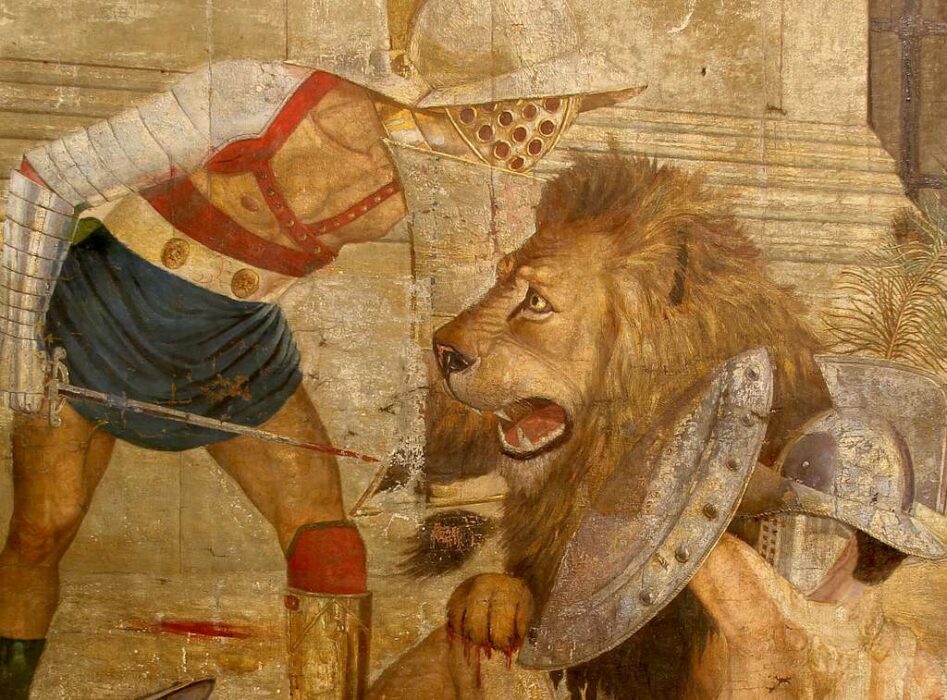
Inside the Secret Daily Life of Gladiators: A World Far Stranger Than the Arena

Archaeological evidence reveals strict routines, harsh training, and surprising rituals behind gladiator life.

©Image license via Picryl

Gladiators are often remembered only for their violent arena battles, but historians say their daily lives were far more structured—and far stranger—than most people imagine. Archaeological excavations, ancient medical texts, and inscriptions reveal strict training schedules, specialized diets, medical care, and social rules that governed every part of their lives. Far from being chaotic or lawless, gladiator communities followed routines that blended discipline, danger, and occasional privilege. These surprising details reveal what life was really like behind the walls of the gladiator barracks.

Read more

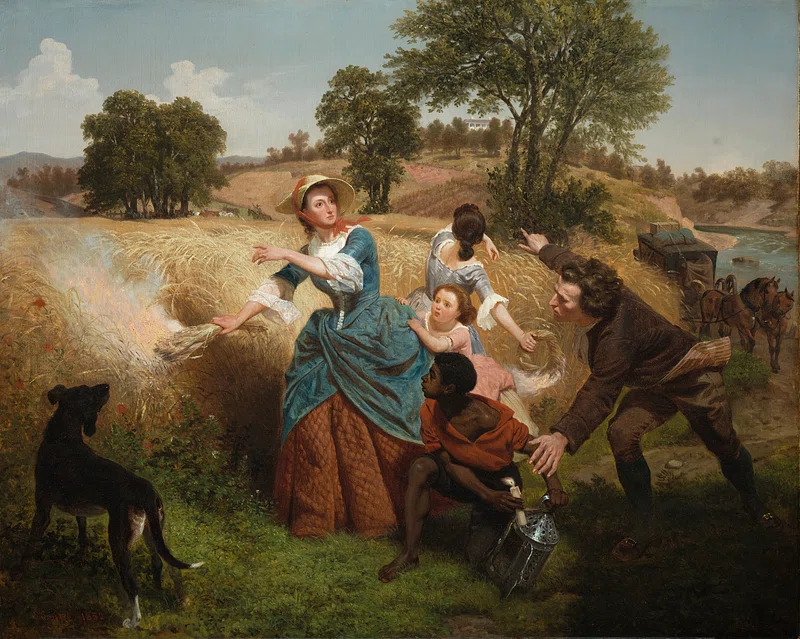
Hidden Stories of the American Revolution Your Textbooks Never Mentioned

Surprising stories, overlooked heroes, and forgotten twists reveal a far more complex Revolution than most remember.

©Image license via Raw Pixel

The American Revolution is often taught as a straightforward tale of freedom, patriotism, and heroic battles—but the real story is far more complicated. Historians say many pivotal moments, hidden alliances, bold spies, and unexpected struggles rarely make it into school textbooks. From covert operations and internal divisions to overlooked groups who shaped the war’s outcome, the Revolution was filled with surprises that changed the course of history. These lesser-known details reveal a deeper, more fascinating side of America’s founding conflict.

Read more

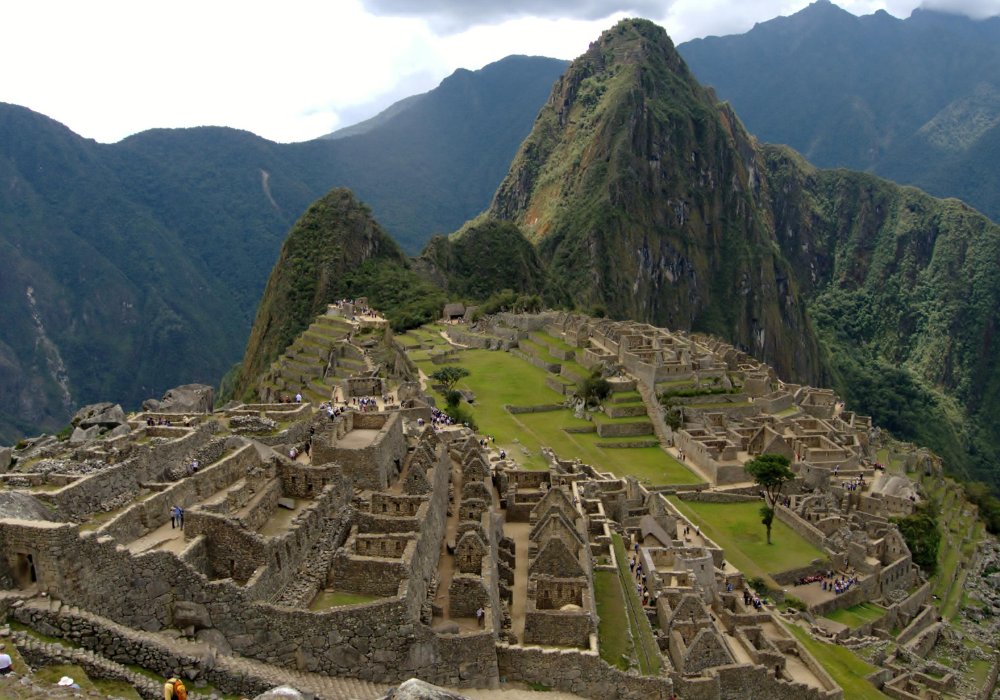
How Ancient Civilizations Mastered Extreme Climate Shifts

Ancient societies adapted to extreme climate shifts—strategies that hold surprising lessons for today.

©Image license via World History Encyclopedia

Long before modern technology, ancient cultures around the world survived dramatic climate swings—extreme droughts, violent floods, rapid cooling events, and shifting coastlines. Archaeologists say these societies relied on innovative strategies that helped them endure environmental change for centuries, and many of those ideas remain surprisingly relevant today. As modern climate challenges intensify, experts are revisiting ancient engineering, food systems, and community planning to understand how past civilizations adapted in ways that could strengthen our resilience in the decades ahead.

Read more

Electricity Prices Are Surging Across Several States—And Experts Say It’s Just Beginning

Bill hikes in states like Utah, California, and Oklahoma point to a broader cost surge ahead.

©Image license via Canva

Residential electricity prices across the U.S. have surged by an average of 6% in recent years, with sharp increases reported in states like Utah (up ~15%), Oklahoma (12.3%), and Pennsylvania (13.5%) according to Choose Energy data. Policy analyses by the Center for American Progress and NRDC show that 49 states already face rate hikes or proposals totaling more than $71 billion through 2028. Experts warn that rising fuel costs, growing demand from new industries like AI data centers, and aging power infrastructure could push bills even higher unless urgent action is taken.

Read more

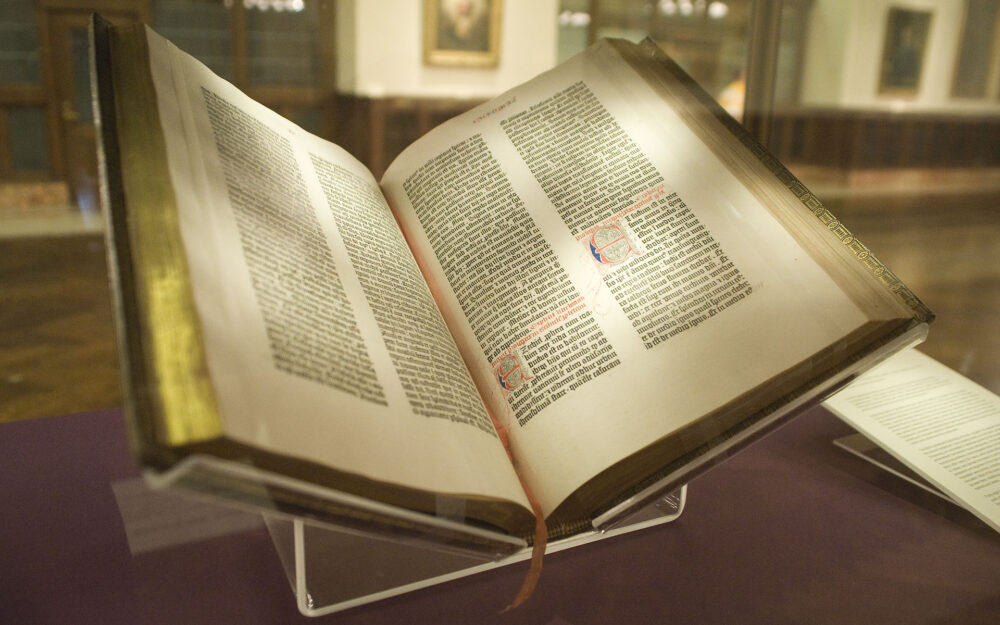
The Forbidden Books Left Out of the Bible—and the Surprising Reasons Why

Ancient writings were excluded from the Bible for complex reasons involving theology, politics, and early church debates.

©Image license via Kevin Eng, World History Encyclopedia

Many people are surprised to learn that early Christianity produced far more writings than the books that appear in today’s Bible. Over centuries of debate, councils and church leaders decided which texts aligned with accepted beliefs—and which did not. Some works were too new, too controversial, or lacked reliable authorship. Others offered ideas that conflicted with emerging Christian doctrine. These “forbidden” or excluded books reveal a fascinating window into early religious debates and show how the Bible we know today slowly took shape.

Read more

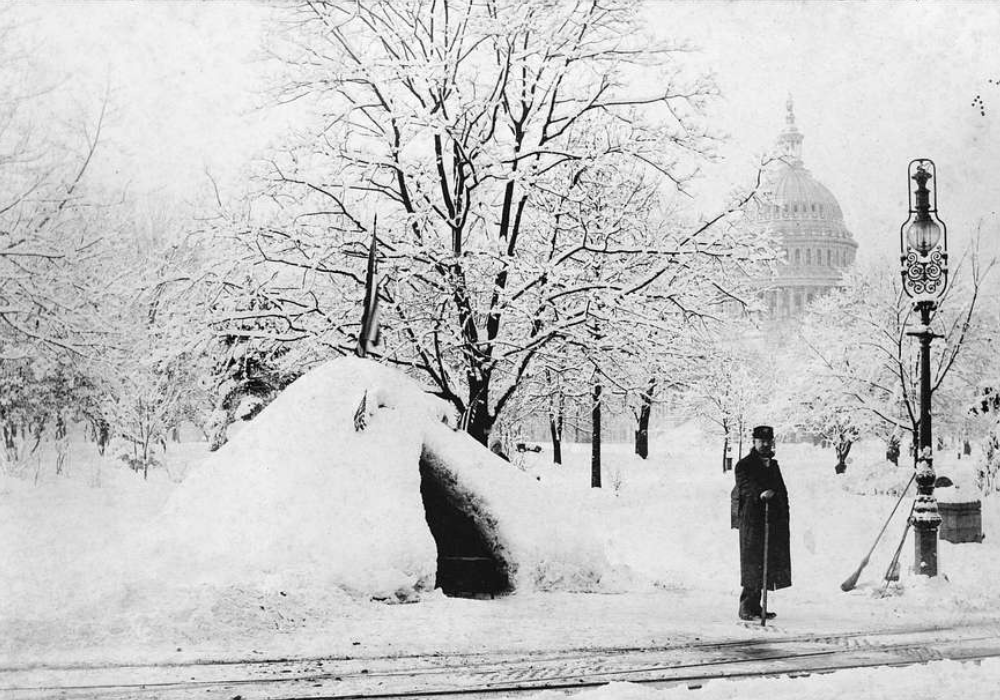
200 Years Ago, Earth’s Climate Was Nothing Like Today and The Differences Are Dramatic

Old weather logs and early climate records reveal a world far cooler and far less predictable than today.

©Image license via Picryl

Two centuries ago, Earth’s climate looked dramatically different from the world we know now. Early weather logs, ship records, and historical temperature data show that the early 1800s were marked by cooler global conditions, harsher winters, and frequent climate swings driven by volcanic eruptions and natural variability. Scientists use these early records to understand how fast today’s warming is unfolding—and how unusual the recent temperature rise has become. Comparing past and present reveals one of the clearest climate shifts in human history.

Read more

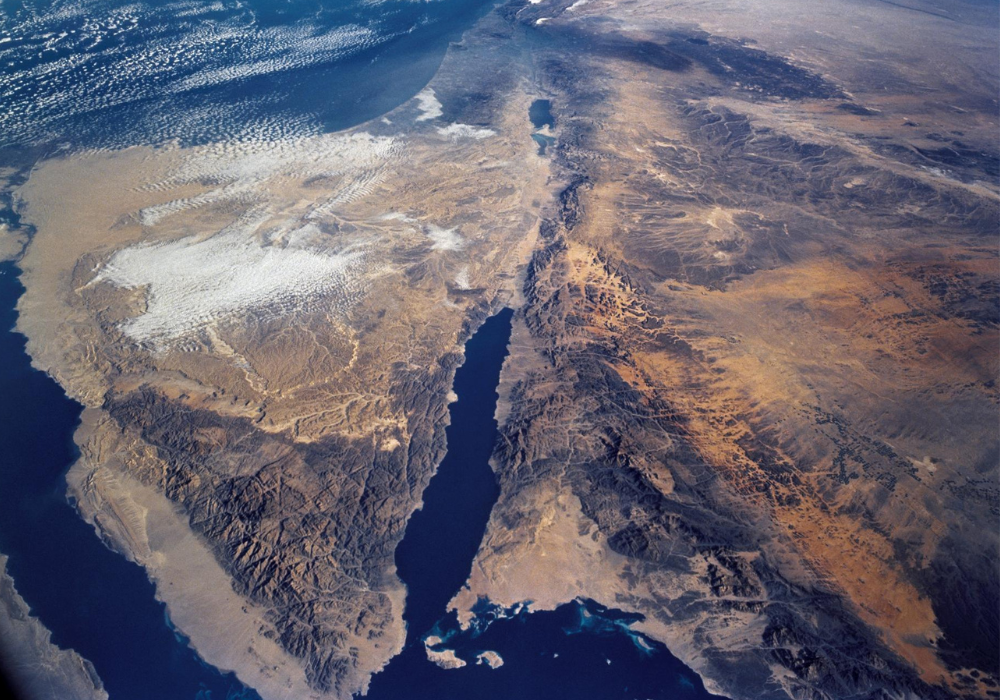
A Tectonic Rift Scientists Thought Had Stopped Widening Is Still Pulling Apart

New research shows a long-assumed inactive rift between Africa and Asia is still moving after millions of years.

©Image license via NASA

Scientists studying the Gulf of Suez have discovered that the rift separating Africa and Asia is still slowly pulling apart, millions of years after researchers believed the spreading had stopped. Using modern satellite data and precise geological surveying, the new study found that the region continues to widen at measurable rates. This unexpected motion suggests the rift never fully went dormant. The finding could reshape how geologists understand regional tectonics and long-term seismic risks in northeastern Africa and the Middle East.

Read more

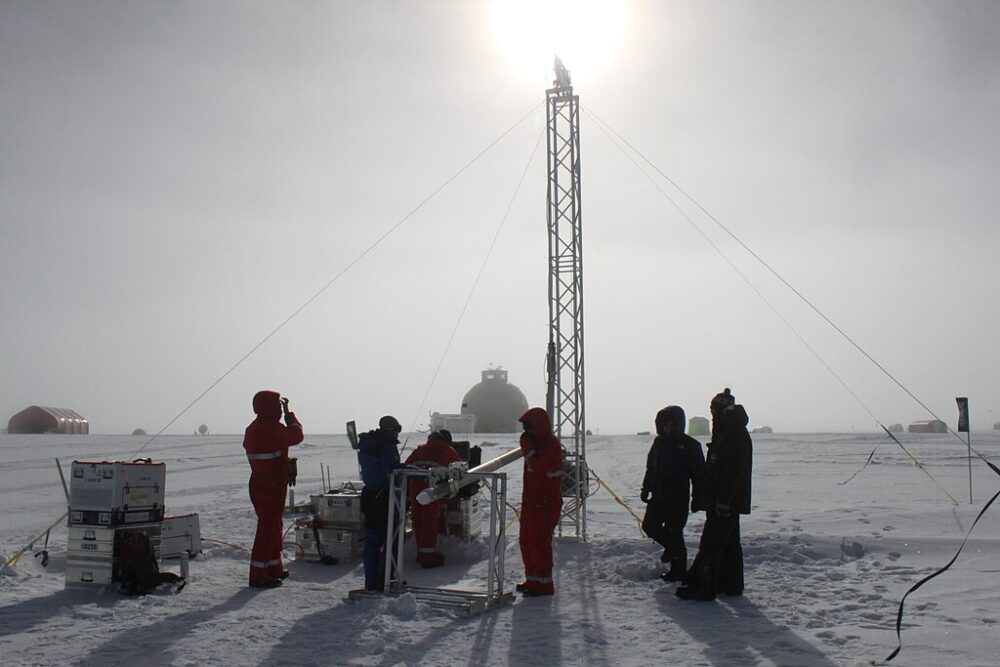
Antarctica Just Revealed 6 Million-Year-Old Ice — And Ancient Air Trapped Inside

Scientists uncover the oldest ice ever found in Antarctica, preserving air from millions of years ago.

©Image license via Wikimedia Commons

Researchers working in Antarctica have discovered ice that formed roughly 6 million years ago, making it the oldest known ice ever recovered. The groundbreaking find contains tiny bubbles of ancient air, offering a rare glimpse into Earth’s atmosphere during a dramatically warmer period in the planet’s history. By studying the chemical makeup of these trapped gases, scientists hope to reconstruct past climate conditions with unprecedented detail. The discovery could transform understanding of how climate systems responded to warm phases long before humans existed.

Read more

U.S. Happiness Is Dropping at a Stunning Pace, Global Report Finds

New data show U.S. well-being is declining faster than in most wealthy countries and diving in global rankings.

©Image license via Canva

According to the World Happiness Report compiled by Wellbeing Research Centre at University of Oxford using Gallup data, Americans are reporting sharply lower life-satisfaction than in past years. The United States has dropped to 24th in the 2025 rankings and has slipped out of the top 20 for the first time. Researchers point to steep declines among younger adults, rising loneliness, financial stress, and social disconnect as key factors. The pace of this decline makes the U.S. one of the fastest-moving developed nations in the happiness race.

Read more