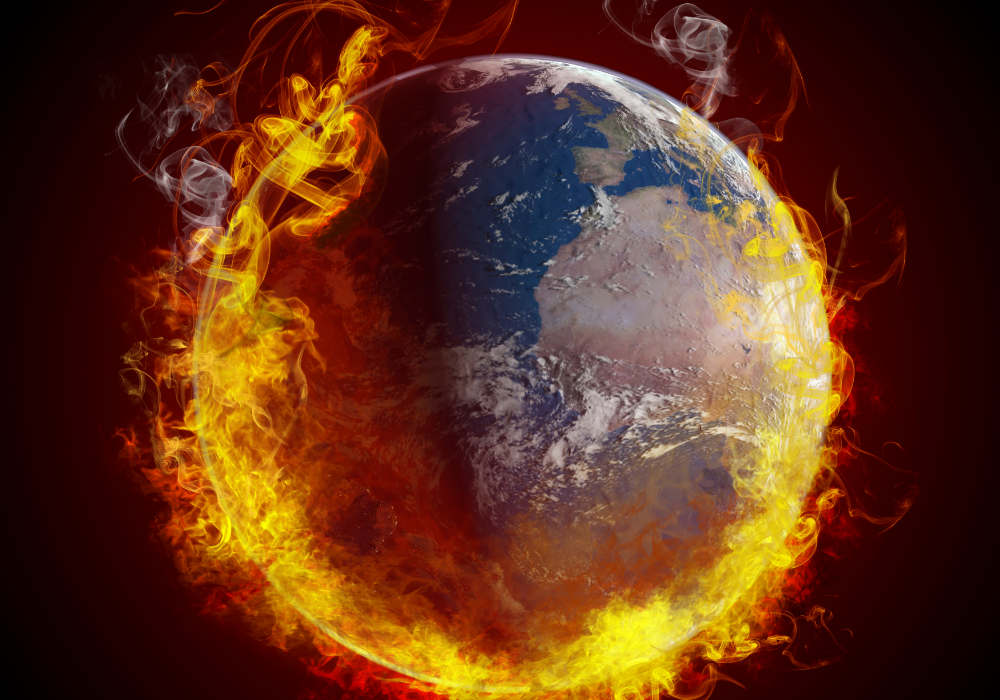
12 Creature Comforts Global Warming Could Steal Sooner Than You Expect

What we take for granted today is already slipping out of reach.

©Image license via Canva

Global warming isn’t just about rising sea levels or distant polar ice caps. It’s creeping into the corners of everyday life—the quiet, familiar comforts that make things feel normal. We expect seasons to behave, foods to taste right, and simple pleasures like snowfall or a cool breeze to always be part of our world. But they’re already starting to slip through our fingers, often without us noticing until they’re gone.

The harsh truth is, we’re not waiting for these changes—they’re already happening. Some shifts feel subtle at first, but they build up fast, turning daily comforts into fading memories. From favorite foods to seasonal rituals, global warming is quietly stealing what makes life feel stable and sweet. These 12 creature comforts are at risk sooner than you’d think, and recognizing them now is the first step to holding on to what’s left.


Read more

Not All Climate Solutions Are Complicated—Here Are 10 That Are Shockingly Simple

The path forward isn’t as complicated as we’ve been led to believe.

©Image license via Canva

When it comes to climate solutions, the noise can get overwhelming fast. Headlines scream about collapsing ecosystems and broken policies, leaving many people feeling like action is out of reach. It’s easy to assume only massive, technical fixes can make a difference, while everyday choices barely register. But that’s not the full story. Some solutions are surprisingly within reach—and they’re simpler than you’ve been led to believe.

This isn’t about false hope or oversimplification. Big systems need big changes, but these small, clear steps matter too. They chip away at the problem, build momentum, and give people a way to participate in the solutions instead of feeling powerless. If you’ve ever felt like you’re too small to make a dent, these 10 simple climate solutions will change your mind. No advanced degree required—just a willingness to act, right where you are.

Read more

You Thought It Was Cheap—Here Are 10 Ways the Costs Catch Up to You

Cheap choices today can lead to expensive consequences tomorrow.

©Image license via Canva

At first, it feels like a win. The lower price tag, the quick fix, the shortcut that promises to save time or money. It’s easy to justify, especially when budgets are tight and everything feels urgent. But what seems like a smart, simple choice in the moment often hides a mess waiting to surface later on.

The truth is, shortcuts rarely stay hidden. Whether it’s poor-quality products, fast fixes that break fast, or choices that quietly chip away at your well-being, the real costs don’t show up on the receipt. They arrive slowly, creeping in through maintenance bills, replacements, or lost time you can’t get back. In the end, what felt like a small trade-off can end up costing far more than you bargained for. These ten examples prove that the cheapest option upfront often comes with a much bigger price tag down the line.

Read more

Wellness Doesn’t Have to Be Expensive—12 Budget Habits That Actually Work

Real wellness is built on habits, not how much you spend.

©Image license via Canva

It’s easy to believe that taking care of yourself requires a thick wallet. Between pricey supplements, boutique fitness classes, and endless “must-have” products, wellness has been packaged and sold like a luxury item. But feeling grounded and healthy doesn’t depend on the size of your bank account—it comes from daily choices that don’t have to cost much at all.

The truth is, many of the habits that actually make a difference are either low-cost or completely free. What matters more than flashy routines is consistency, and building habits that fit your real life, not someone else’s curated version of it. When you strip away the marketing noise, wellness becomes far more accessible than it looks on social media. These simple, budget-friendly practices prove that caring for yourself doesn’t have to break the bank—it just has to work for you.

Read more

You’re Not Eating What You Think—13 Lies Hidden in Your Grocery Cart

The ingredients aren’t the only thing they’re keeping quiet.

©Image license via Canva

Shopping for groceries feels like a straightforward task. Grab what you need, glance at the labels, and trust that what’s in the package matches the promises plastered across it. But the truth is, grocery store shelves are filled with half-truths and quiet manipulations designed to steer your choices. Brands know exactly which words, colors, and health claims will catch your eye—even if they’re bending the truth to do it.

From deceptive labels to hidden additives, what ends up in your cart often looks a lot better than it really is. Behind the marketing gloss are tricks that make processed foods seem healthier, freshness last longer than it should, and environmental impact all but disappear from view. These quiet lies shape what we eat every day, and most people never see them coming. It’s time to unpack what’s really lurking behind the packaging.

Read more

From Quiet Quitting to Total Collapse—11 Signs Work Culture Is Imploding

The signs have been there for years; now they’re impossible to ignore.

©Image license via Canva

For a while, it was easy to brush off the warning signs. Burnout was just a bad week, quitting quietly felt like a personal choice, and endless exhaustion could always be blamed on a tough season. But those cracks in the system have only deepened. What used to feel like isolated problems are now linked, tangled together into something bigger—and much harder to deny.

Workers everywhere are stretched thin, checked out, or fed up entirely. Productivity is crashing, trust in leadership is disintegrating, and the old promises of stability and growth feel emptier than ever. This isn’t just about long hours or difficult bosses anymore. It’s about a culture that’s collapsing under the weight of its own pressure. The signs have been flashing for years, but now they’re too loud, too clear, and too urgent to overlook.

Read more

They Called It a Disorder—But These 10 ‘Symptoms’ Are Also Strengths

What you’ve been told to hide might be exactly what sets you apart.

©Image license via Canva

For too long, certain traits have been boxed in as flaws. They’ve been measured, labeled, and handed back to people like proof they’re broken. But the reality is far more complicated. What gets framed as dysfunction is often just difference—sometimes a difference the world doesn’t know how to handle, or refuses to understand. Those fast-moving thoughts, restless energy, or deep emotional intensity? They’re not weaknesses by default.

When you look closer, you start to see the flip side. The very traits criticized in clinical checklists can fuel creativity, resilience, and perspective that others miss. It’s not about ignoring the real challenges, but about recognizing that those same patterns carry power too. Once you stop seeing these traits as liabilities, you can finally start using them as tools. The parts of you that felt like burdens might just turn out to be your sharpest advantages.

Read more

The Planet Crossed 1.5°C—Here Are 10 Consequences You Can’t Ignore

Scientists warned us for decades, and now the future is here.

©Image license via Canva

For years, 1.5°C was the red line. Scientists, climate activists, and global leaders said passing it would mean more than just warmer days—it would trigger a cascade of dangerous changes to life as we know it. Now, we’ve crossed that threshold. And it’s not a prediction anymore—it’s the present. You can feel it in the heatwaves, the rising grocery prices, and the constant stream of natural disasters that don’t feel so “natural” anymore.

This isn’t just about distant polar bears or melting glaciers. It’s about the places we live, the food we grow, the air we breathe, and the systems we rely on every day. The planet is different now, and the rules have changed. Weather is more extreme. Crops are more vulnerable. Infrastructure is more fragile. And what’s coming next depends on how quickly we wake up to just how far we’ve already gone.

Read more

You’re Playing a Rigged Game—11 Ways the Economy Sets You Up to Fail

You were never meant to win under rules written against you.

©Image license via Canva

Most of us are taught that success comes down to effort. Work hard, stay focused, and things will eventually fall into place. But the deeper you go, the clearer it becomes: this isn’t a fair fight. Wages have stalled while prices soar, wealth pools at the top while everyday people scramble, and somehow, you’re expected to believe it’s all personal failure.

It’s not. The system is built to exhaust you while keeping you hooked on the promise of eventual payoff. What looks like bad luck is often baked into the very structure of how things work. And if you’ve felt like no matter how hard you push, you’re still falling behind, you’re not imagining it. These 11 realities expose just how deeply the odds have been stacked—and why it’s not you that’s broken, it’s the game itself.

Read more

Trump Cuts $4M in Climate Research—13 Alarming Facts About What We’re Losing

These cuts don’t just silence scientists—they endanger lives.

©Image license via Shutterstock

It’s one thing to debate policy—but cutting climate research when the planet’s on fire? That’s something else entirely. The Trump administration just slashed $4 million in federal climate research funding, and the ripple effects are already hitting hard. This isn’t just about numbers on a spreadsheet—it’s about lives, ecosystems, and the information we need to survive a hotter, more unpredictable world.

From shuttered labs to canceled climate models, these cuts are targeting the very research designed to warn us, prepare us, and give us a fighting chance. The worst part? These programs weren’t just about science—they were about public safety, education, agriculture, weather forecasting, and more. So when funding gets ripped away, the damage goes far beyond the lab. Here’s what we’re really losing when climate research gets defunded—and why it’s not just scientists who should be worried.

Read more